Plizio Visual Lab
Mount Vesuvius
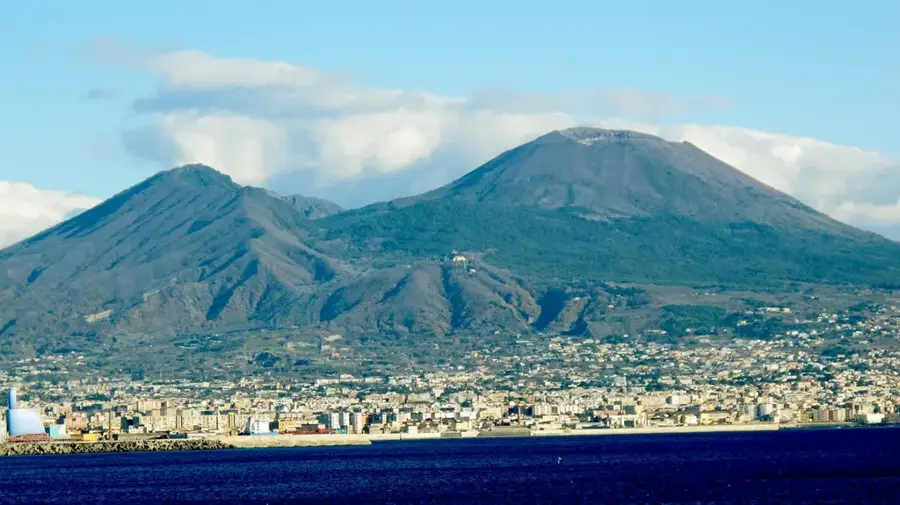
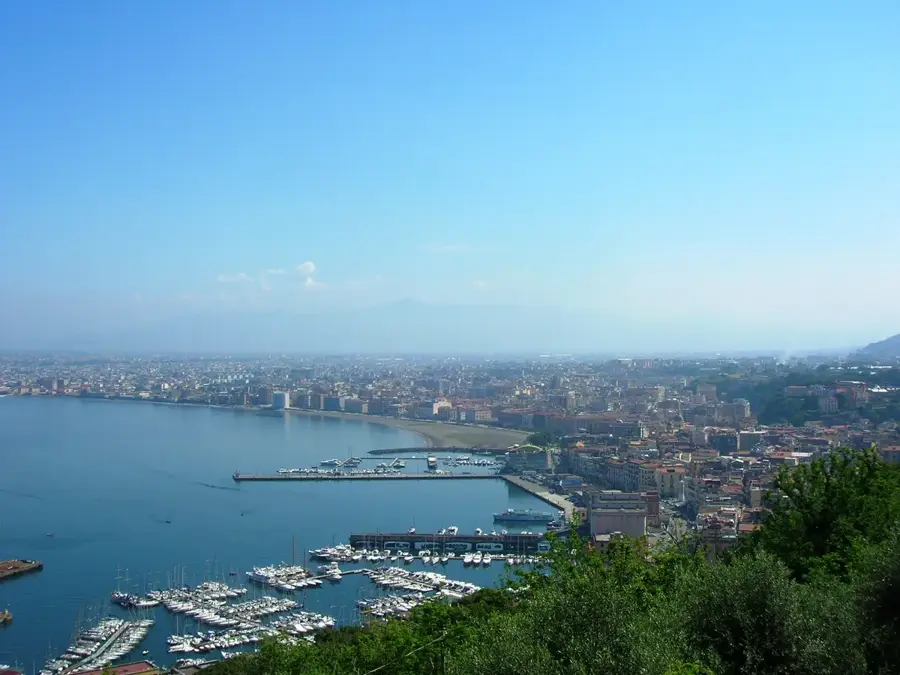
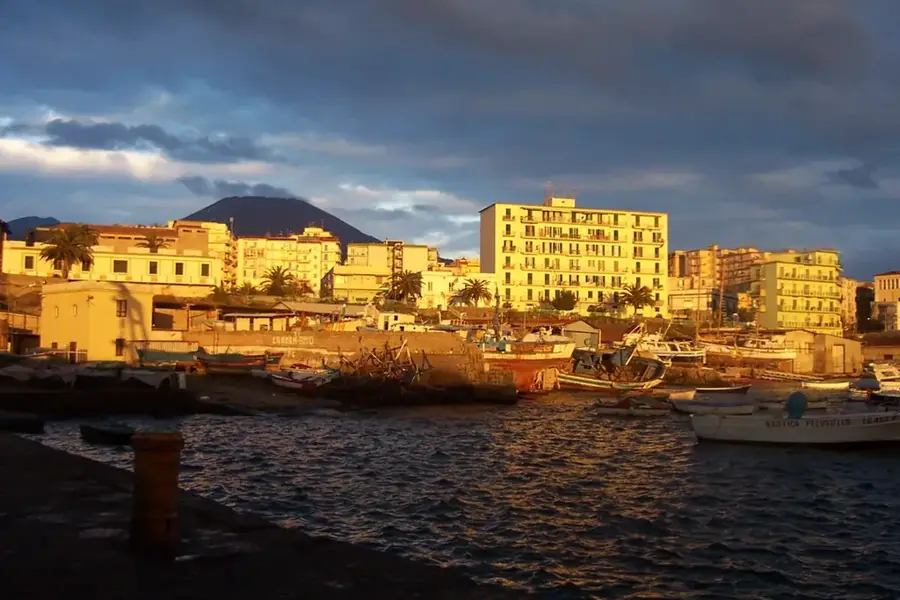
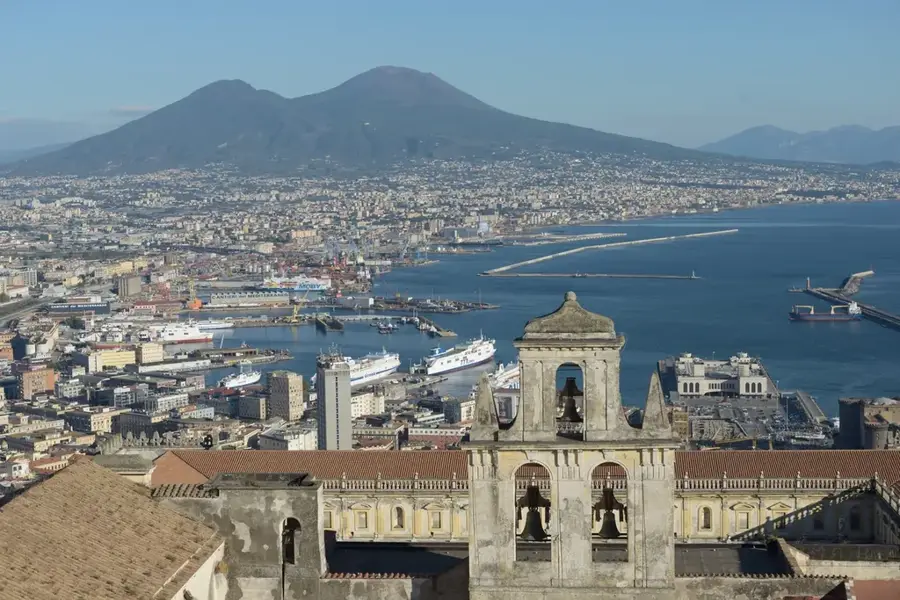
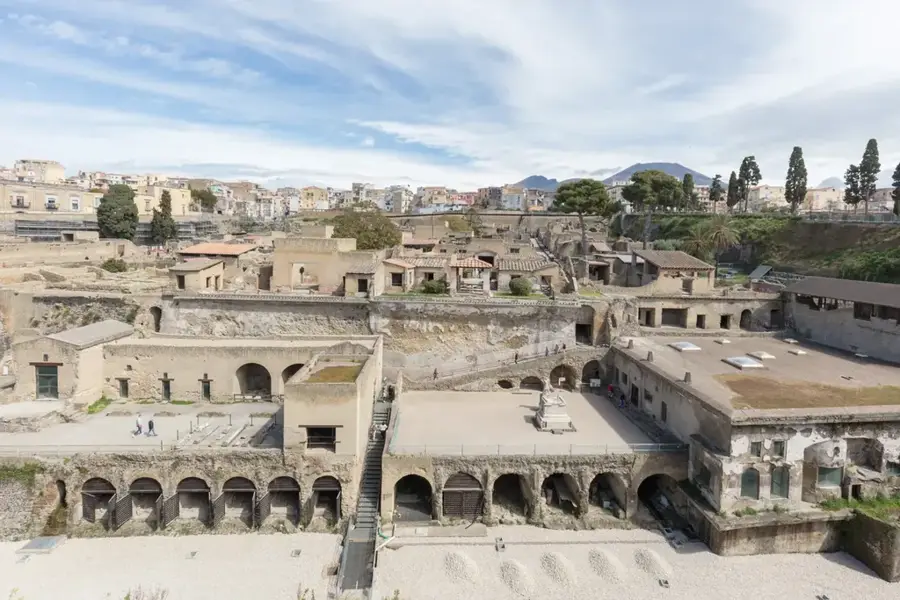
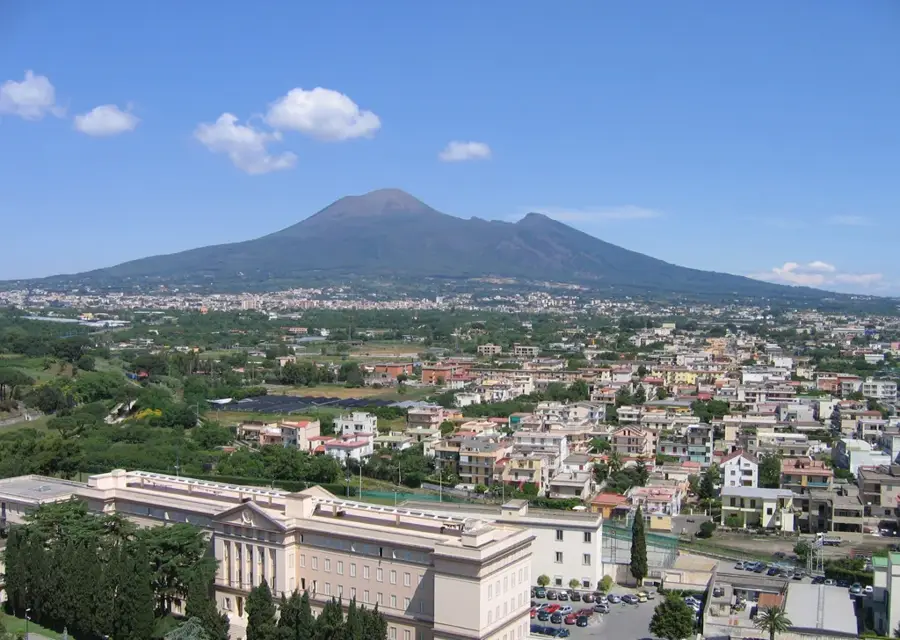
Mount Vesuvius is one of the most famous and dangerous volcanoes in the world, located on the Gulf of Naples in the Campania region. It is a stratovolcano of the somma type, meaning its current cone has grown within the remains of a much larger and older volcano, Mount Somma. Vesuvius gained global notoriety following the devastating eruption in 79 AD, which buried the Roman cities of Pompeii and Herculaneum under layers of ash and pumice. The mountain currently stands at an elevation of approximately 1,281 meters, though its height fluctuates after major eruptive events due to structural changes. Geologically, it belongs to the Campanian volcanic arc, formed by the subduction of the African plate beneath the Eurasian plate. Because of its proximity to the densely populated city of Naples, it is constantly monitored by scientists to provide early warnings of future seismic activity. The fertile volcanic soil on its slopes is intensively cultivated for vineyards, producing the renowned 'Lacryma Christi' wine. Today, Vesuvius is the centerpiece of a national park and serves as a critical research site for volcanologists worldwide.
Explore on the map
How well do you know Italy?
Find cities, landscapes and regions in 10 varied challenges on the interactive map.
Your journey, your memory
A postcard from Mount Vesuvius
Turn your own photo into a personal postcard with a local stamp. Free and no sign-up required.
Create a postcard- Location: Italy
- Highlights: Riserva Naturale Statale Tirone Alto Vesuvio · Vesuvius National Park · Colle Umberto
- Nearby: Torre del Greco (5 km)
Best time to visit & climate
The most pleasant time to visit is Jun, Jul, Sep.
| Jan | Feb | Mar | Apr | May | Jun | Jul | Aug | Sep | Oct | Nov | Dec | |
|---|---|---|---|---|---|---|---|---|---|---|---|---|
| Avg °C | 7 | 8 | 10 | 13 | 18 | 23 | 26 | 26 | 21 | 17 | 13 | 9 |
| Rain mm | 88 | 68 | 70 | 56 | 47 | 33 | 25 | 24 | 68 | 76 | 116 | 84 |
📋 Practical info
Geography
Facts
- The famous eruption of 79 AD is estimated to have lasted between 18 and 25 hours.
- The most recent significant eruption of Mount Vesuvius occurred in March 1944.
- Vesuvius is the only volcano on the European mainland to have erupted in the last century.
- The current crater of the volcano has a diameter of approximately 450 meters.
- A large magma chamber is located roughly 8 to 10 kilometers beneath the volcano.
- The Vesuvius Observatory, founded in 1841, is the oldest volcanology institute in the world.
Explore nearby
Notable places around
Route planner — Car & Motorhome
Where do you start? We build the route here, with stops and country notes along the way.
© OpenStreetMap contributors · OpenRouteService
Sights in the town Mount Vesuvius (4)
Sights nearby
Frequently asked questions
Is Vesuvius active?
Can you walk to the crater?
How to get there?
Do I need special shoes?
How long is the hike?
Mount Vesuvius: where is it located?
Mount Vesuvius: what is there to see?
Mount Vesuvius: when is the best time to visit?
Mount Vesuvius: why is it worth visiting?

Nearby cities