Plizio Visual Lab

Mount Gilboa
Plizio editorial teamData Sources
Mountain
—°8
Mount Gilboa (Israel)

Weather…

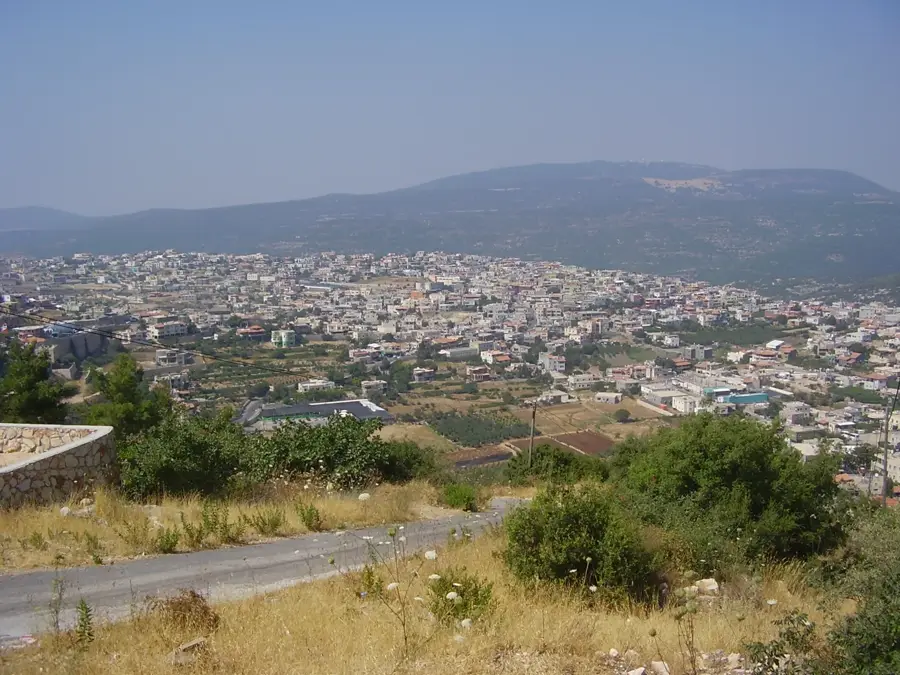
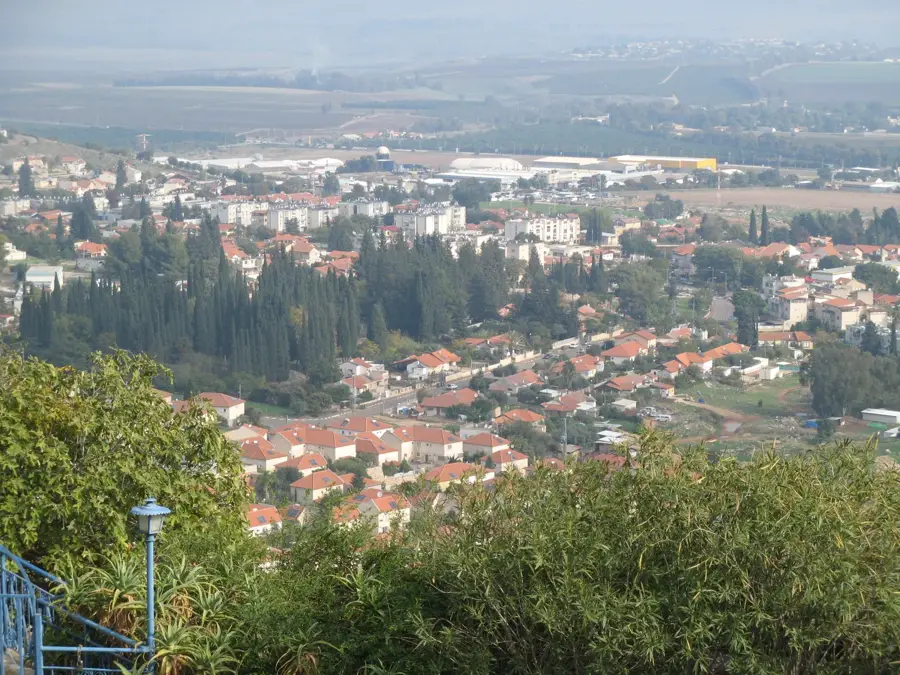
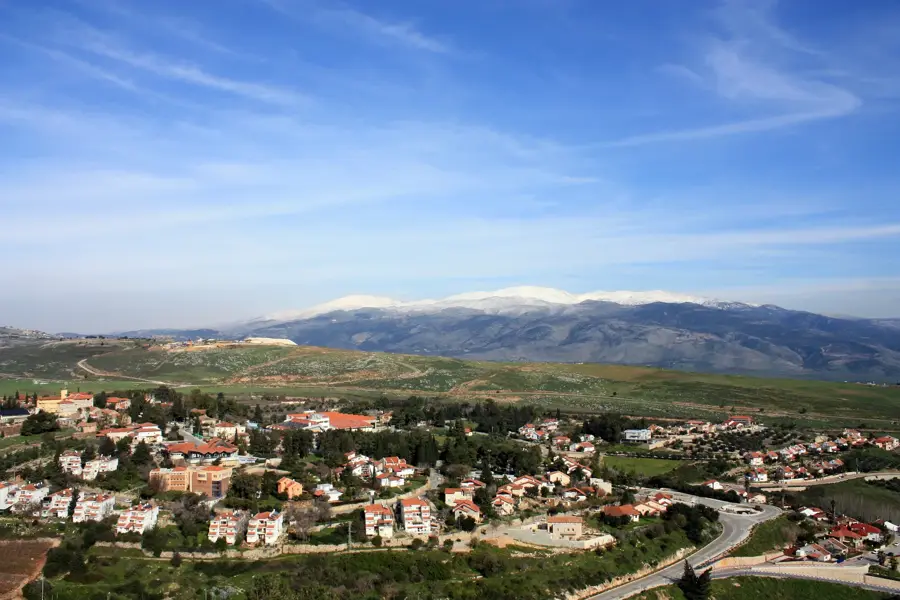
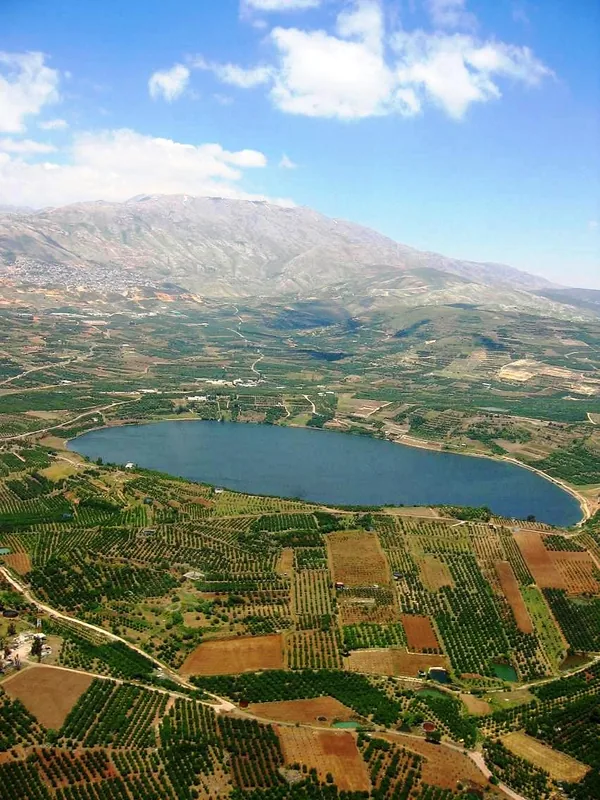
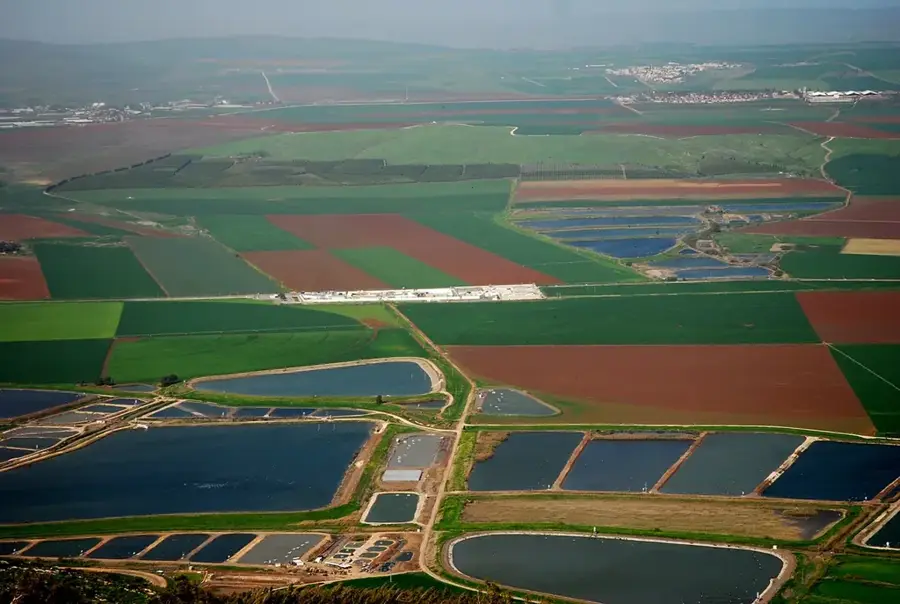
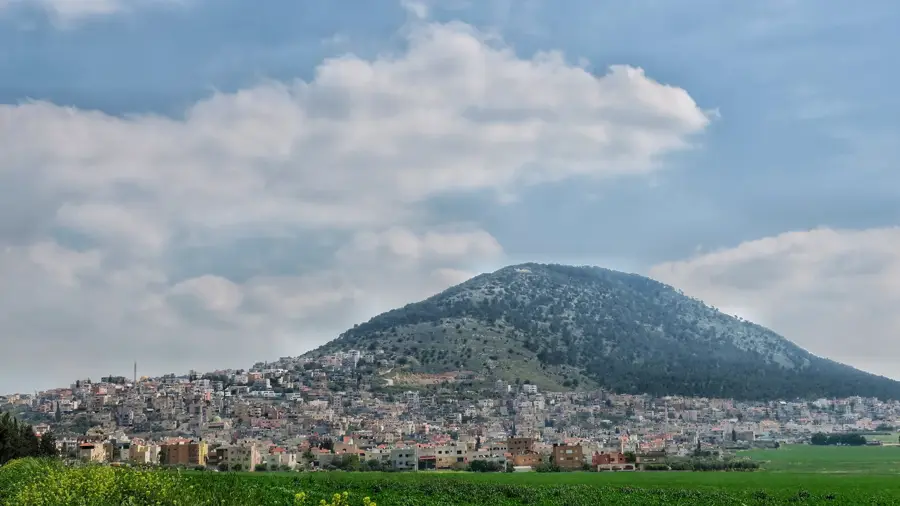
Mount Gilboa is a prominent mountain range in northern Israel, serving as a geographic barrier between the Jezreel Valley and the Jordan Valley. Geologically composed of Eocene limestone, the ridge reaches its highest elevation of 496 meters at Mount Malkishua. The range holds profound historical and biblical significance as the site of the fateful battle against the Philistines, where King Saul and his sons perished, leading to David’s famous curse that neither dew nor rain should fall upon the heights. Despite this poetic curse, the nature reserve is home to a lively ecosystem, most notably the endemic Gilboa Iris (Iris haynei), which draws thousands of visitors during its spring blooming season. The eastern slopes of the range drop precipitously toward the Harod Valley, offering sweeping panoramic vistas of the surrounding plains and the mountains of Gilead across the border. Extensive reforestation projects have transformed the landscape over the past century, mitigating soil erosion. Today, Mount Gilboa is a major destination for hikers and paragliders who take advantage of the ridge's sharp thermal gradients.

Best time to visit & climate

The most pleasant time to visit is Apr, May, Oct.

JanFebMarAprMayJunJulAugSepOctNovDec
Avg °C111215192327292927241813
Rain mm9379402061012124079

📋 Practical info

🧭
Getting there
A highly popular, excellently maintained scenic driving route usually consistently serves as the absolute main access, gracefully winding long along the majestic mountain ridge with various wide-open, extremely high viewpoints deep over the valley.
📅
Best season
Late winter and very early spring are universally highly recommended strictly to witness the famous, truly spectacular blooming of the incredibly native Gilboa Iris and to securely see the surrounding massive valleys at their absolute greenest peak.
⛰️
Terrain & paths
The extensively protected area highly confidently provides a very engaging mix of completely paved scenic overlooks and highly rocky, entirely unpaved hillside botanical trails that can be uneven but are generally absolutely not overly strenuous at all.
🎒
What to bring
Absolutely bring a very high quality camera to perfectly capture the memorable floral displays and extreme panoramic vistas, alongside strictly basic but absolutely sturdy hiking shoes and truly adequate sun protection for the highly exposed ridge areas.
🅿️
Parking
Very small, but incredibly convenient parking bays and highly organized, wonderfully shaded picnic areas are typically consistently positioned at very regular intervals directly right along the main scenic ridge road for extremely easy visitor access.
⚠️
Safety
Visitors must strictly and absolutely stay only on the clearly marked trails to heavily protect the incredibly rare flowers, and should actively exercise absolute maximum caution entirely near the very steep, completely unprotected slopes overlooking the valley.
⏱️
Time needed
The absolute vast majority of visitors typically spend about two to entirely three full hours leisurely driving straight along the high ridge, safely stopping at the overlooks, and highly securely taking really short, pleasant botanical walks among the flowers.

Geography

Coordinates
32.53000, 35.41000

Facts

  • The highest peak, Mount Malkishua, stands at 496 meters above sea level.
  • The mountain range spans a total length of 18 kilometers.
  • The Gilboa Iris (Iris haynei) is the most famous endemic plant species.
  • Biblical records link the mountain to the demise of the first King of Israel.
  • The ridge features a steep drop of nearly 600 meters to the Harod Valley.
  • The area was designated as a nature reserve to combat desertification.

Explore nearby

Notable places around
Route planner — Car & Motorhome

Where do you start? We build the route here, with stops and country notes along the way.

Vehicle
Only stops with (optional):

© OpenStreetMap contributors · OpenRouteService

Sights in the town Mount Gilboa (8)

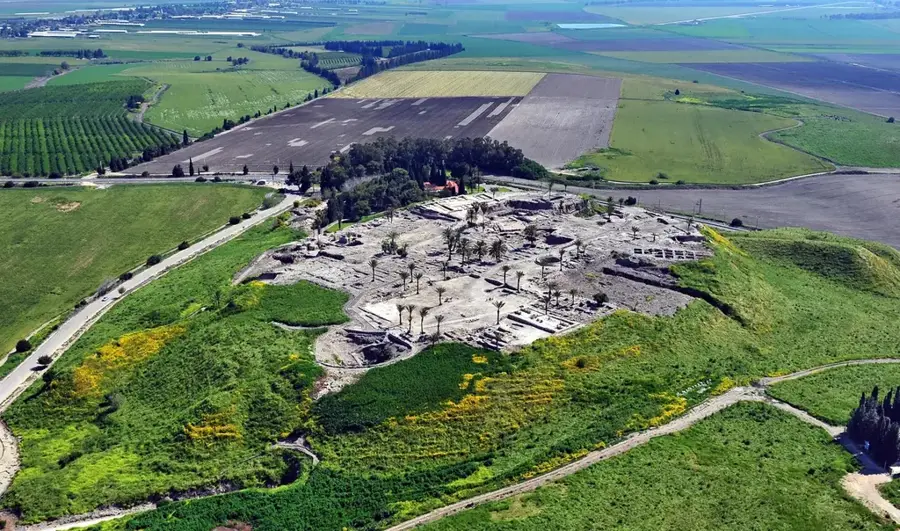
Har Ahinoam🌿 nature

A peak in the Gilboa range named after the wife of King Saul.

Hirbat Bolek🏺 historical

Archaeological site containing the remains of a small rural settlement.

Ein Tivon📍 landmark

A small natural spring on the northern slopes of the Gilboa.

Givat Qumi🌿 nature

A hill known for its views of the surrounding kibbutzim.

Tel Salwim🏺 historical

Remains of an ancient fortification on a strategic mound.

Givat Zevaim🌿 nature

A hill in the Gilboa range offering expansive views over the Jezreel Valley.

Horvat Kippodan🏺 historical

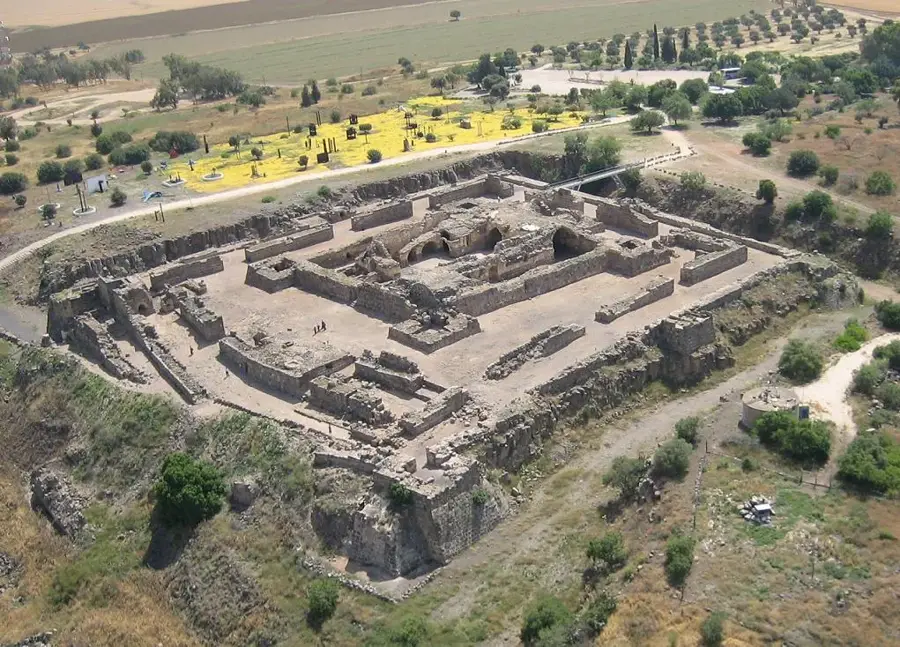
Archaeological remains of a small ancient settlement on a Gilboa hilltop.

Ein Shaul📍 landmark

A natural spring on the northern slopes of Mount Gilboa, often used as a watering hole.

Sights nearby

Frequently asked questions

When does the Gilboa Iris bloom?
The famous iris usually blooms in March; this is the most popular time to visit.
Is there a scenic drive?
Yes, road 667 runs along the ridge, offering dramatic views of the Jezreel Valley.
What is the biblical significance of Gilboa?
It is the site where King Saul and his sons fell in battle against the Philistines.
Can you go hiking there?
Yes, there are marked trails like the 'Hidden Valley Trail', which is quite steep and adventurous.
Are there camping facilities?
There are simple designated night camps, but often without water or electricity.
Mount Gilboa: where is it located?
Mount Gilboa is located in Israel.
Mount Gilboa: what is there to see?
Highlights include Har Ahinoam, Hirbat Bolek, Ein Tivon.
Mount Gilboa: when is the best time to visit?
The most pleasant time to visit is Apr, May, Oct.
Mount Gilboa: why is it worth visiting?

Mount Gilboa is a prominent mountain range in northern Israel, serving as a geographic barrier between the Jezreel Valley and the Jordan Valley.
View on map → The Top 50 Attractions → OpenStreetMap →
Asia
Explore with Plizio Discover more places in Asia
More places in Israel →

Nearby cities

History & landmarks
Nature
More places