Plizio Visual Lab
Judaean Mountains
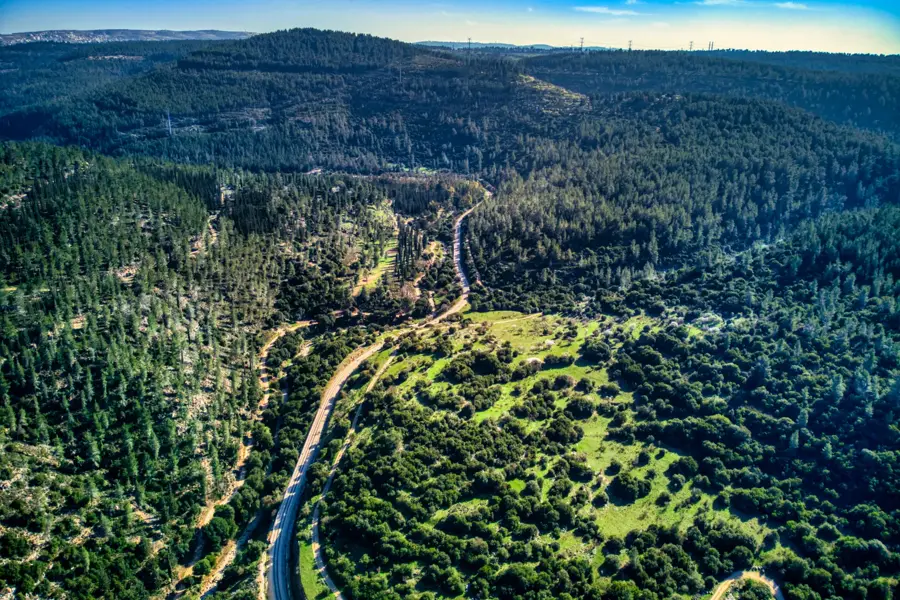
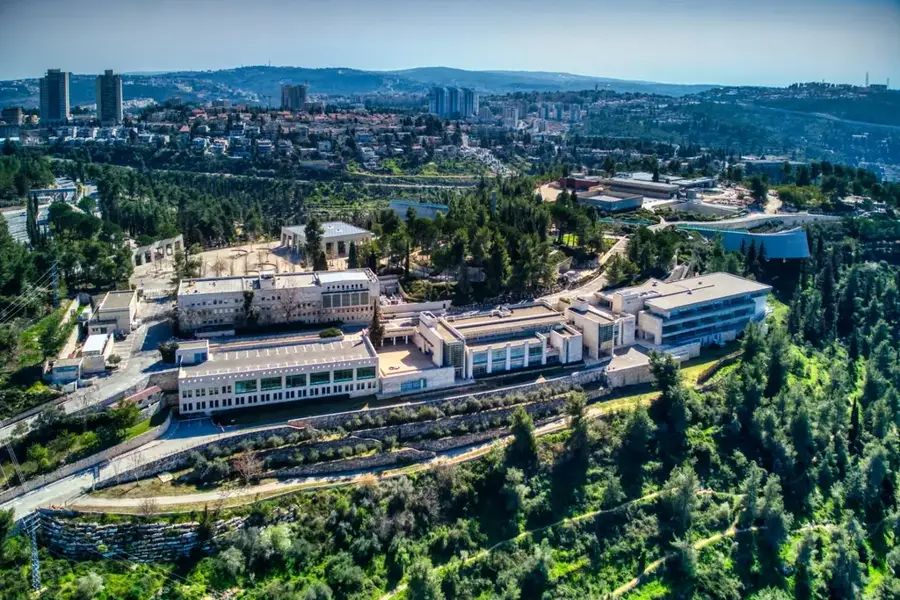
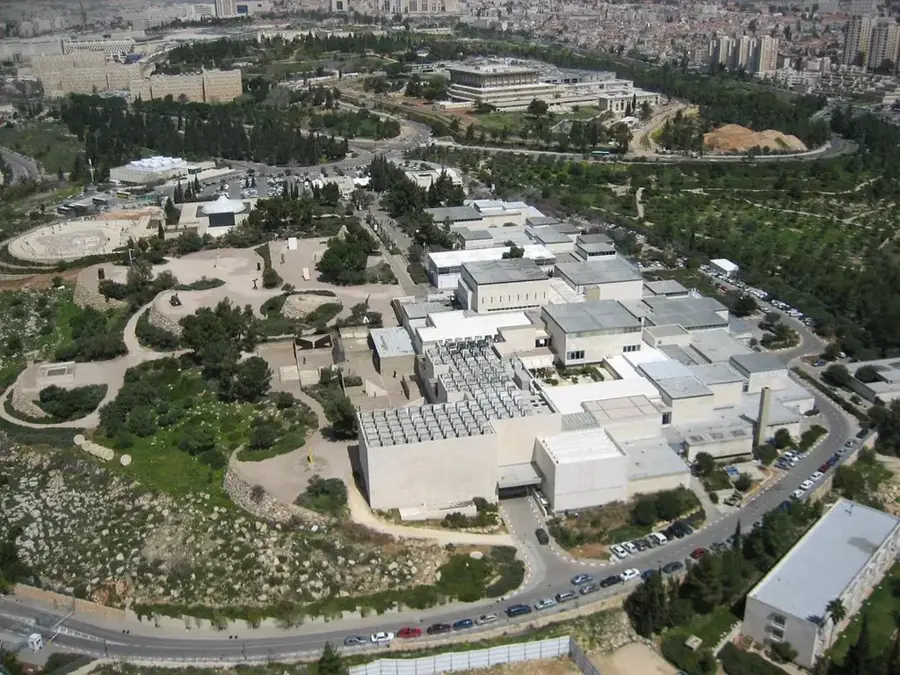
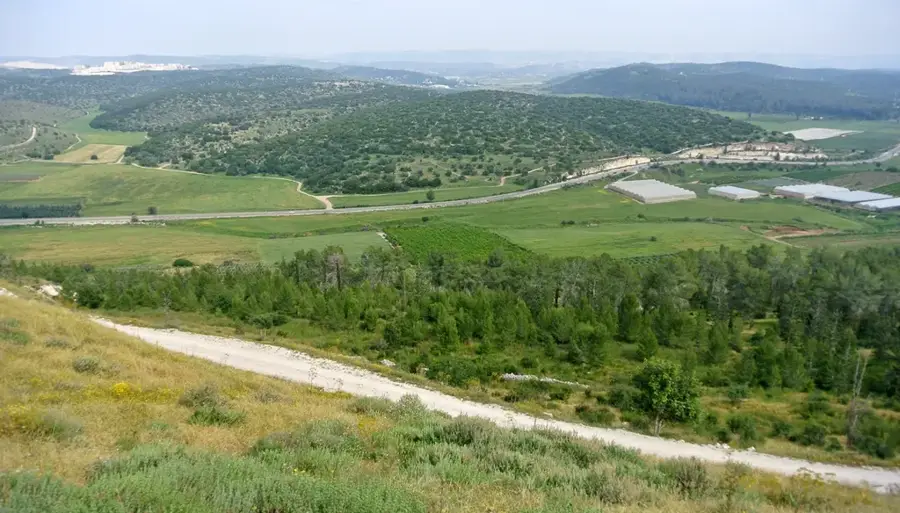
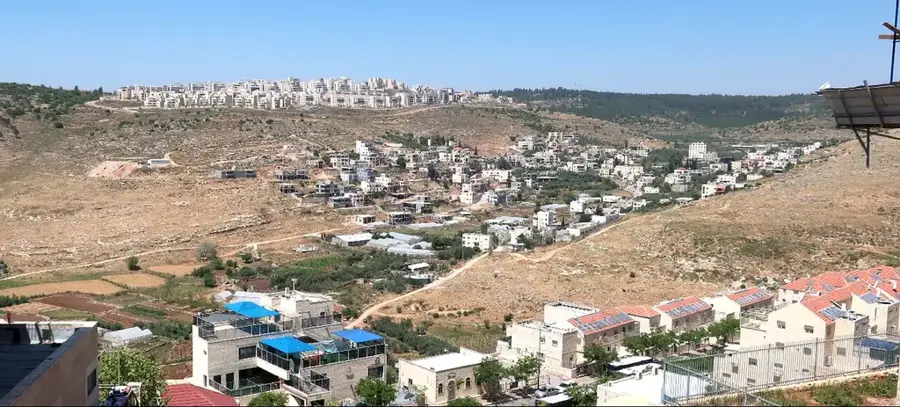
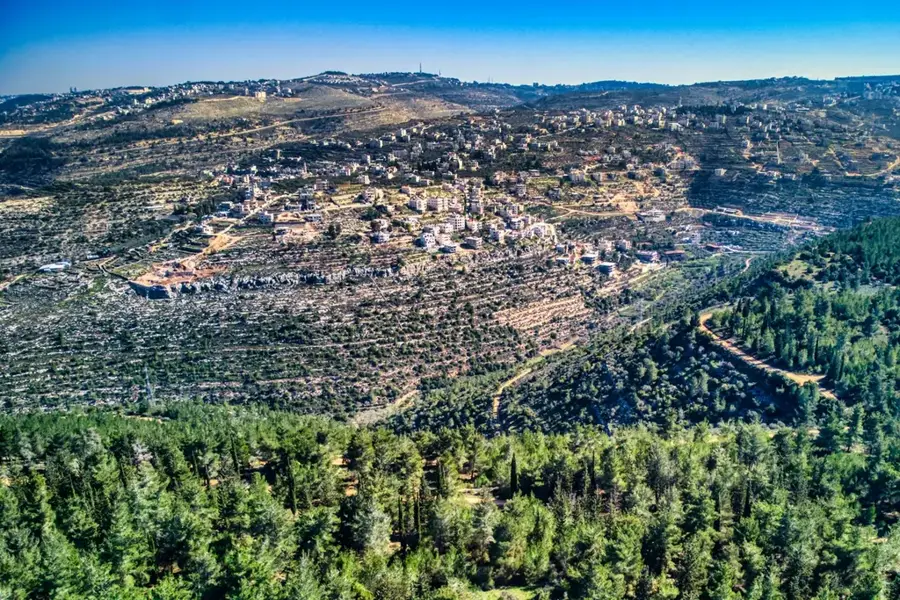
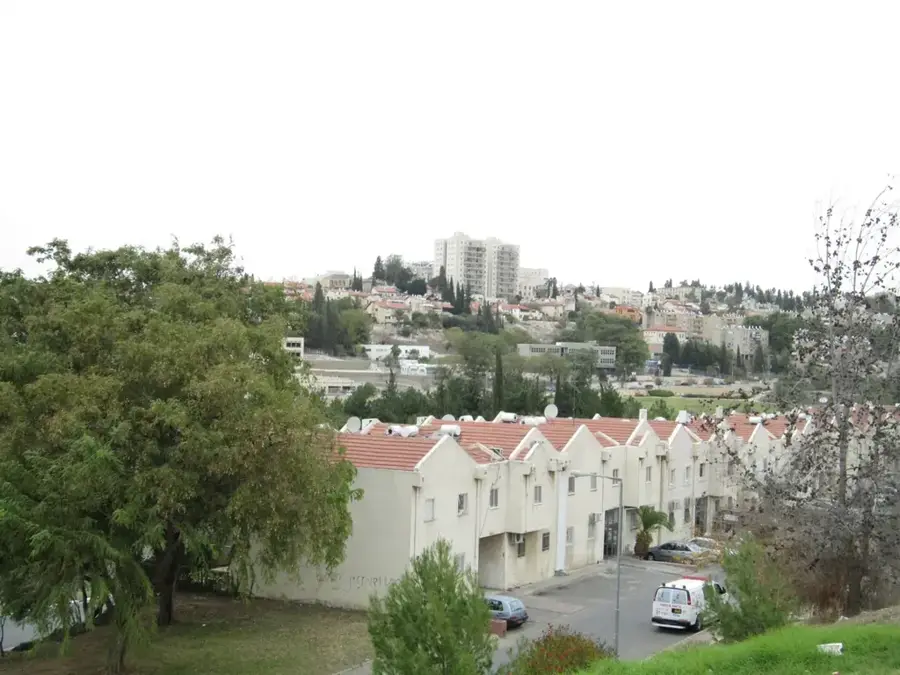
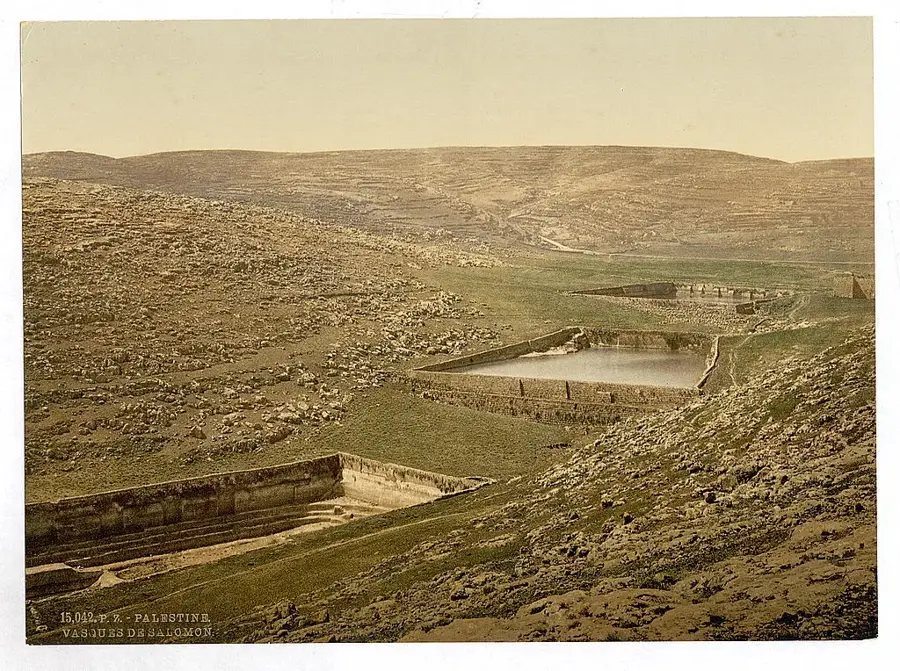
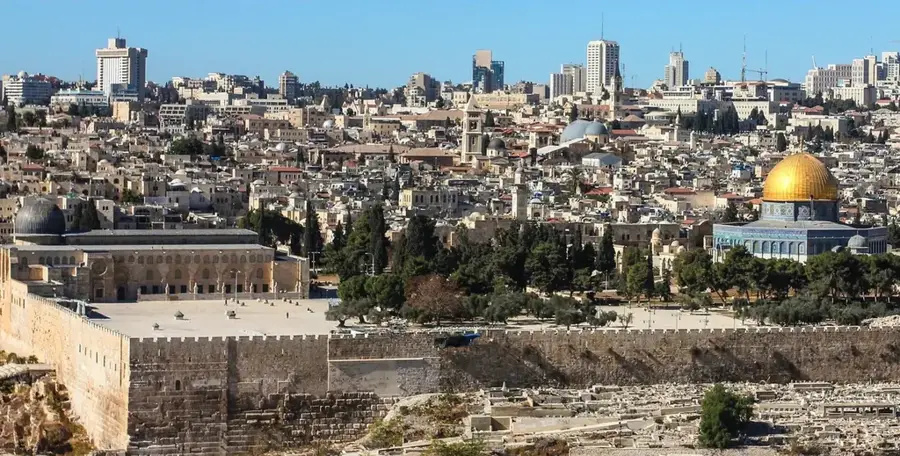
The Judaean Mountains form a prominent mountain range in central Israel, stretching between the coastal plain to the west and the Jordan Rift Valley to the east. This range is the historical heartland of ancient Judaea, containing world-famous cities such as Jerusalem, Bethlehem, and Hebron. The mountains reach their highest elevation of 1,020 meters near Hebron at Mount Halhul, while Jerusalem sits at an average of 750 meters. Geologically, the range consists mainly of limestone and dolomite, leading to characteristic karst topography with many caves and deep-cut valleys (wadis). The Mediterranean climate in the mountains is cooler and wetter than the coast, supporting terrace agriculture of olives, grapes, and figs since ancient times. Throughout history, the rugged terrain provided a natural fortress, protecting the central religious and political centers from invaders. Today, the Judaean Mountains are a blend of dense urban development and serene natural landscapes, featuring numerous national parks and reforested areas. The region remains a focal point for global pilgrimage and archaeological research, embodying thousands of years of human history and cultural evolution.
Explore on the map
How well do you know Israel?
Find cities, landscapes and regions in 10 varied challenges on the interactive map.
Your journey, your memory
A postcard from Judaean Mountains
Turn your own photo into a personal postcard with a local stamp. Free and no sign-up required.
Create a postcard- Location: Israel
- Highlights: Dayr al-Shaykh · Kasla · Scroll of Fire
- Nearby: Beit Shemesh (9 km)
Best time to visit & climate
The most pleasant time to visit is May, Jun, Oct.
| Jan | Feb | Mar | Apr | May | Jun | Jul | Aug | Sep | Oct | Nov | Dec | |
|---|---|---|---|---|---|---|---|---|---|---|---|---|
| Avg °C | 11 | 12 | 15 | 18 | 22 | 25 | 27 | 27 | 26 | 23 | 18 | 14 |
| Rain mm | 88 | 62 | 37 | 21 | 5 | 1 | 1 | 0 | 2 | 14 | 46 | 83 |
📋 Practical info
Geography
Facts
- The highest peak in the Judaean Mountains is 1,020 meters above sea level.
- The range serves as a watershed between the Mediterranean and the Dead Sea.
- Terrace farming in this region is thousands of years old and still practiced.
- Jerusalem Stone, a type of local limestone, is required for all buildings in Jerusalem.
- The mountains receive between 500 and 700 mm of rainfall annually.
- The Judaean Mountains were the primary settlement area for the Kingdom of Judah.
Explore nearby
Notable places around
Route planner — Car & Motorhome
Where do you start? We build the route here, with stops and country notes along the way.
© OpenStreetMap contributors · OpenRouteService
Sights in the town Judaean Mountains (11)
Sights nearby
Frequently asked questions
Which cities are in the Judaean Mountains?
When is the best time to visit this region?
Can you do wine tastings there?
Are there nature parks there?
How is the terrain for hikers?
Judaean Mountains: where is it located?
Judaean Mountains: what is there to see?
Judaean Mountains: when is the best time to visit?
Judaean Mountains: why is it worth visiting?

Nearby cities
History & landmarks

More places