Plizio Visual Lab
Al-Aqsa Mosque
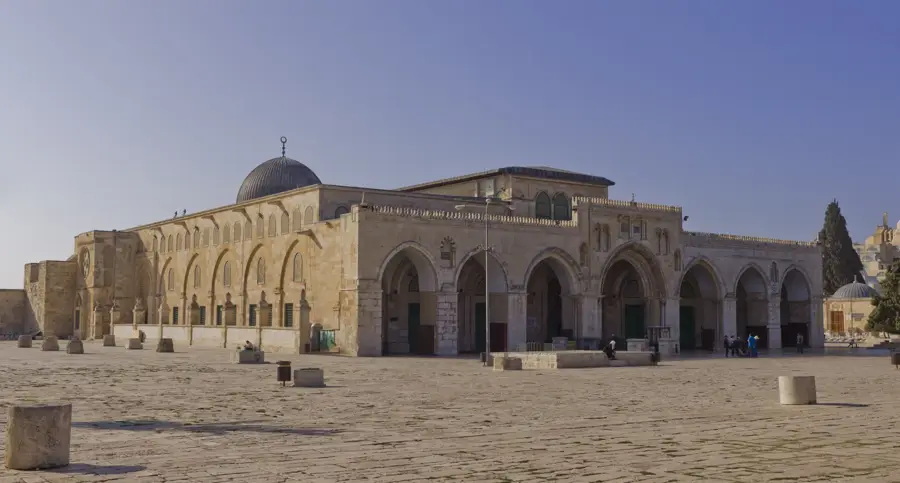
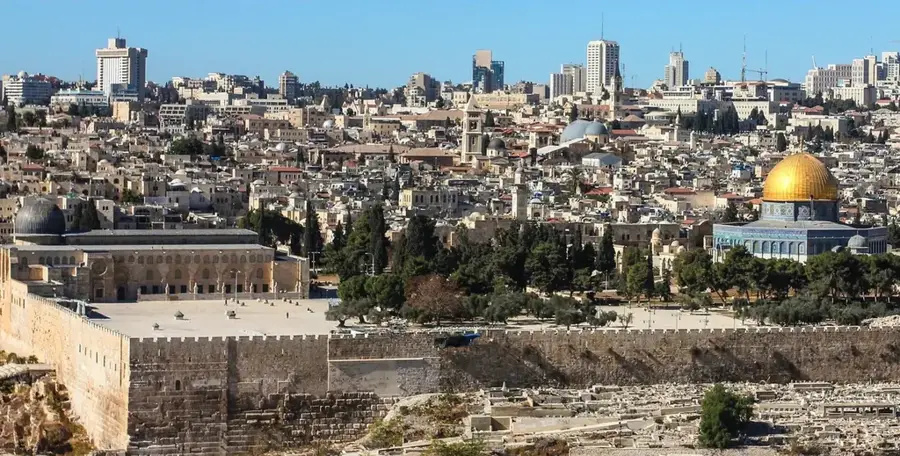
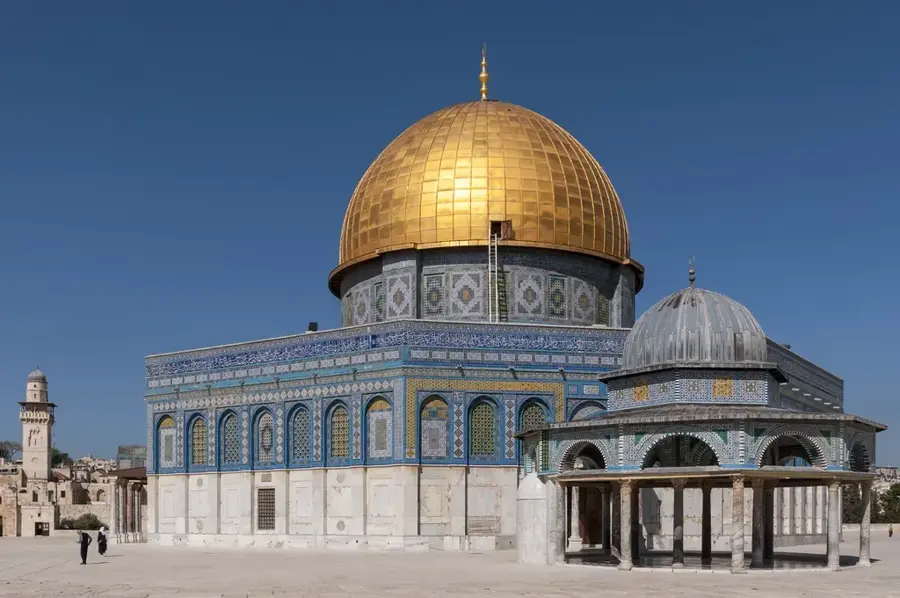
Al-Aqsa Mosque is situated on the Temple Mount in the Old City of Jerusalem and is considered the third holiest site in Islam after Mecca and Medina. The original structure was completed in 705 CE by the Umayyad Caliph Al-Walid I, though it has been rebuilt several times following devastating earthquakes in the 8th and 11th centuries. The current mosque largely dates to the Fatimid renovation and subsequent eras, featuring a prominent lead-covered dome and a vast prayer hall supported by massive columns. Historically, Al-Aqsa served as the first qibla, the direction of prayer for Muslims, before it was changed to Mecca. The entire plateau, known in Islam as Haram al-Sharif, covers 14.4 hectares and includes the Dome of the Rock and numerous other religious monuments. The mosque remains a vital center for Islamic worship and a potent symbol of Palestinian heritage and national identity. Its preservation is a matter of significant international and regional concern due to its deep religious and political importance.
Explore on the map
How well do you know Israel?
Find cities, landscapes and regions in 10 varied challenges on the interactive map.
Your journey, your memory
A postcard from Al-Aqsa Mosque
Turn your own photo into a personal postcard with a local stamp. Free and no sign-up required.
Create a postcard- Location: Israel
- Highlights: Al-Marwani Mosque · Bend in wall · Gichon Spring
- Nearby: Beit Shemesh (24 km)
Best time to visit & climate
The most pleasant time to visit is May, Jun, Oct.
| Jan | Feb | Mar | Apr | May | Jun | Jul | Aug | Sep | Oct | Nov | Dec | |
|---|---|---|---|---|---|---|---|---|---|---|---|---|
| Avg °C | 11 | 12 | 15 | 18 | 22 | 25 | 27 | 27 | 26 | 23 | 18 | 14 |
| Rain mm | 88 | 62 | 37 | 21 | 5 | 1 | 1 | 0 | 2 | 14 | 46 | 83 |
📋 Practical info
Geography
Facts
- The mosque was originally completed around 705 CE by the Umayyads.
- It is regarded as the third holiest site in the Islamic faith.
- The indoor prayer hall can accommodate approximately 5,000 worshippers.
- It served as the first qibla (direction of prayer) for Muslims.
- The entire Temple Mount site covers roughly 14.4 hectares (35 acres).
- Major reconstructions occurred after earthquakes in 746 and 1033 CE.
Explore nearby
Notable places around
Route planner — Car & Motorhome
Where do you start? We build the route here, with stops and country notes along the way.
© OpenStreetMap contributors · OpenRouteService
Sights in the town Al-Aqsa Mosque (6)
Sights nearby
Frequently asked questions
Who can visit the Al-Aqsa Mosque?
Can you visit the compound?
Are there security checks?
How should I dress appropriately?
What is nearby?
Al-Aqsa Mosque: where is it located?
Al-Aqsa Mosque: what is there to see?
Al-Aqsa Mosque: when is the best time to visit?
Al-Aqsa Mosque: why is it worth visiting?
Nearby cities
History & landmarks
More places