Plizio Visual Lab

Khajuraho Temples
Plizio editorial teamData Sources
historical-site
—°8
Khajuraho Temples (India)

Weather…

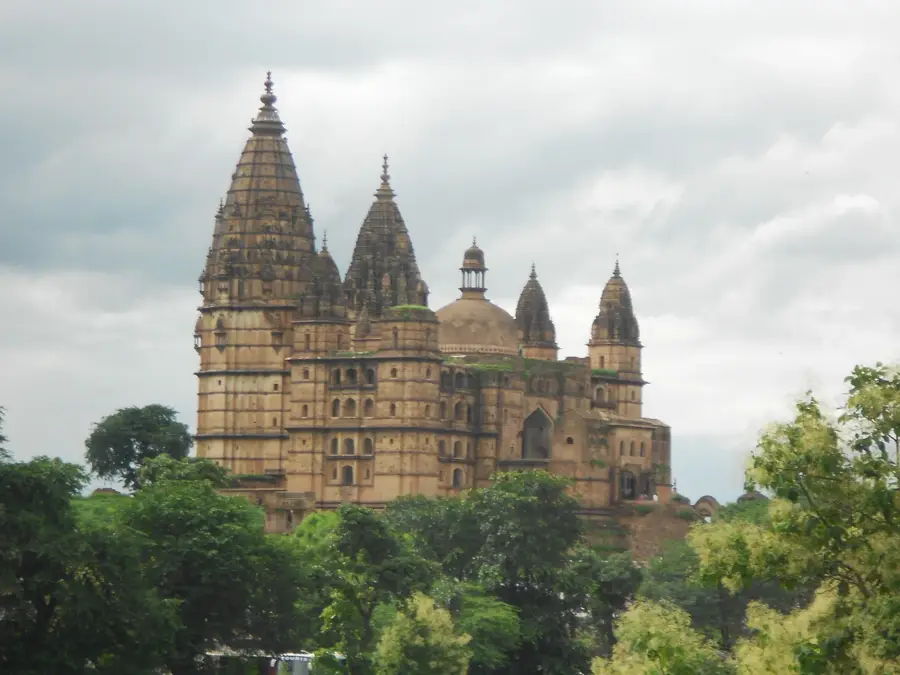
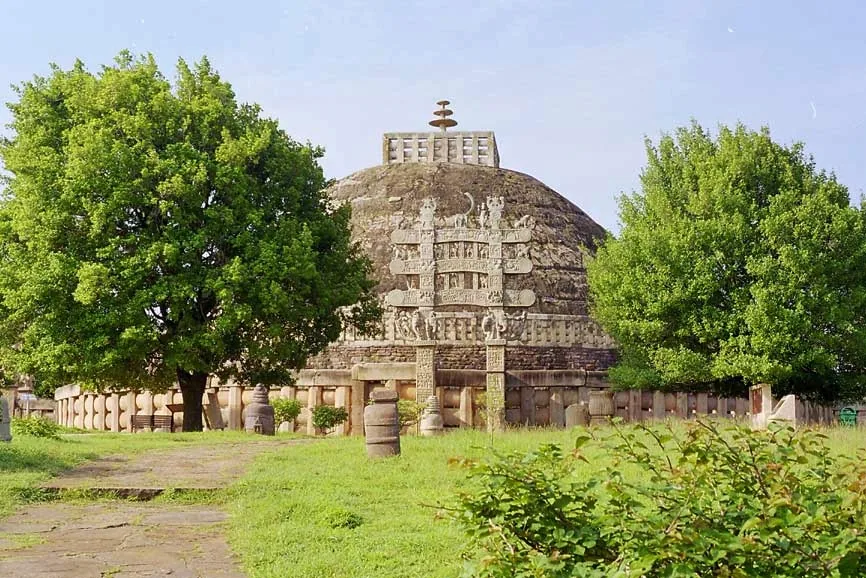
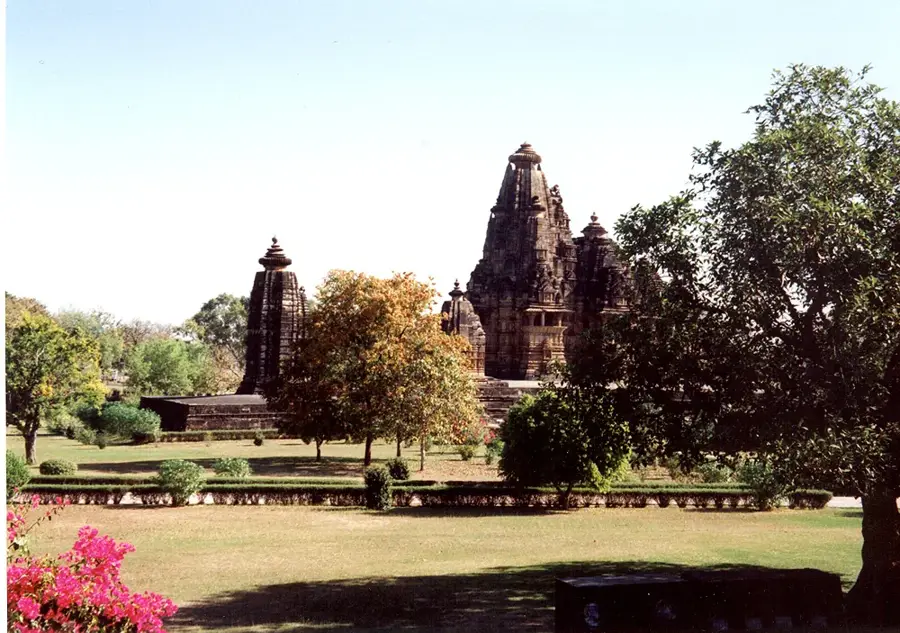
The Khajuraho Group of Monuments in Madhya Pradesh is globally renowned for its memorable Nagara-style architecture and intricate sculptures that celebrate the diversity of human life and divinity. Built between 950 and 1050 CE under the patronage of the Chandela Dynasty, the complex originally comprised approximately 85 temples, of which 25 survive today in various states of preservation. These temples are dedicated to both Hindu and Jain deities, showcasing the religious pluralism of the era. While famous for their erotic carvings, these scenes represent only about 10% of the total artwork; the majority depict deities, celestial nymphs, and scenes of daily life. The Kandariya Mahadeva Temple is the largest and most ornate of the group, designed to resemble the sacred Himalayan peak of Mount Meru. After the decline of the Chandelas, the temples were hidden by dense forests for centuries until their rediscovery in 1838 by British Captain T.S. Burt. In 1986, the site was designated a UNESCO World Heritage Site for its unique artistic achievement and structural integrity.

Best time to visit & climate

The most pleasant time to visit is Feb, Nov, Dec.

JanFebMarAprMayJunJulAugSepOctNovDec
Avg °C162026323635302827252117
Rain mm1519129171173002681573156

📋 Practical info

🚪
Visiting
The Khajuraho Temples are a publicly accessible group of Hindu and Jain temples. You can visit the entire complex and the interiors of the temples during opening hours.
🕒
Typical hours
The temples typically have fixed opening hours, usually from sunrise to sunset. It is advisable to inquire on-site for exact timings.
📷
Photography
Photography is allowed throughout the temple complex, but without flash indoors. For the best shots of the erotic sculptures, use the morning or evening sun.
⏱️
Time needed
Allow at least two hours for a thorough visit of the temple group. If you also want to visit the archaeological museum, plan for three hours.
Combine with
Combine the visit with the archaeological museum in Khajuraho, which displays many sculptures from the region. The nearby Raneh Waterfall is also worth a trip.
🧭
Getting there
Khajuraho is reachable by air, train, or bus. From the airport or railway station, the temples are accessible by taxi or rickshaw in about 15 minutes.
💡
Insider tip
Visit the temples early morning when the light is soft and the sculptures stand out particularly well. Bring binoculars to see the details of the high reliefs.

Geography

Coordinates
24.85200, 79.92300

Facts

  • The temples were constructed between 950 and 1050 CE.
  • Out of the original 85 temples, only 25 remain standing today.
  • The Kandariya Mahadeva Temple features more than 800 individual statues.
  • The site is organized into Western, Eastern, and Southern groups.
  • Khajuraho was designated a UNESCO World Heritage Site in 1986.
  • British Captain T.S. Burt brought the site to global attention in 1838.

Explore nearby

Notable places around

Route planner — Car & Motorhome

Where do you start? We build the route here, with stops and country notes along the way.

Vehicle
Only stops with (optional):

© OpenStreetMap contributors · OpenRouteService

Sights in the town Khajuraho Temples (8)

Lalguan Mahadev Temple📍 landmark

A 10th-century ruined Shiva temple built of granite and sandstone near the banks of a dry reservoir.

Chausath Yogini Temple🏺 historical

The oldest surviving temple in Khajuraho, uniquely built of granite with 64 small cells dedicated to the Yoginis.

Matangeshwar Temple📍 landmark

An active Hindu temple housing a massive 8-foot tall sandstone Shiva lingam that is still worshipped today.

Hanuman Statue📍 landmark

A colossal ancient statue of the monkey god Hanuman, traditionally covered in thick layers of bright orange vermilion.

Sunset viewpoint over the water reservoir🌿 nature

A scenic vantage point offering panoramic views over the Shiv Sagar Lake and the iconic Western Group of temples.

Khajuraho Archaeological Museum🏛 museum

The museum exhibits significant archaeological finds, including stone statues and architectural fragments from Khajuraho.

Tribal Art Museum🏛 museum

It presents a spirited collection of masks, paintings, and handicrafts of the indigenous tribes of Madhya Pradesh.

Archaeological Museum🏛 museum

This institution preserves a variety of medieval sculptures that reflect the artistic richness of the region.

Sights nearby

Frequently asked questions

Why are the sculptures in Khajuraho famous?
They are world-famous for their intricate and erotic carvings depicting daily life, mythology, and spirituality.
Is there a sound and light show?
Yes, every evening an impressive sound and light show is held in the Western Group of Temples in English and Hindi.
Which group of temples is the most important?
The Western Group is the largest and best preserved, containing the famous Kandariya Mahadeva Temple.
When is the best time to visit?
October to March is handy; the renowned Khajuraho Dance Festival also takes place in February.
How to get to Khajuraho?
It has its own airport with flights to Delhi, and a railway station well-connected to major Indian cities.
Khajuraho Temples: where is it located?
Khajuraho Temples is located in India.
Khajuraho Temples: what is there to see?
Highlights include Lalguan Mahadev Temple, Chausath Yogini Temple, Matangeshwar Temple.
Khajuraho Temples: when is the best time to visit?
The most pleasant time to visit is Feb, Nov, Dec.
Khajuraho Temples: why is it worth visiting?

The Khajuraho Group of Monuments in Madhya Pradesh is globally renowned for its memorable Nagara-style architecture and intricate sculptures that celebrate the diversity of human life and divinity.
View on map → The Top 50 Attractions → OpenStreetMap →
Asia
Explore with Plizio Discover more places in Asia
More places in India →

Nearby cities

History & landmarks

More places