Plizio Visual Lab
Vasai-Virar
ℹ️Practical info — Vasai-Virar
▾
🌤 Weather — 5 days
📍 Nearby
Sights nearby
💡 Tips
- Commuter trains to Mumbai are extremely crowded during peak hours; travel mid-day if possible.
- Explore the Vasai Fort complex early morning or late afternoon to avoid the intense sun.
- Auto-rickshaws are shared locally, making them cheap but slightly cramped.
- Rent a scooter to explore the coastal roads and villages at your own pace.
- The beaches can be muddy during low tide, so check tide timings before visiting.
🍽 Food
Unique local dishes blending Maharashtrian and Portuguese flavors in heritage villages.
The quintessential spicy potato snack at stalls near the railway stations.
Fried fish and curries at beachside eateries near Arnala.
🛍 Shopping · 🧘 Quiet spots
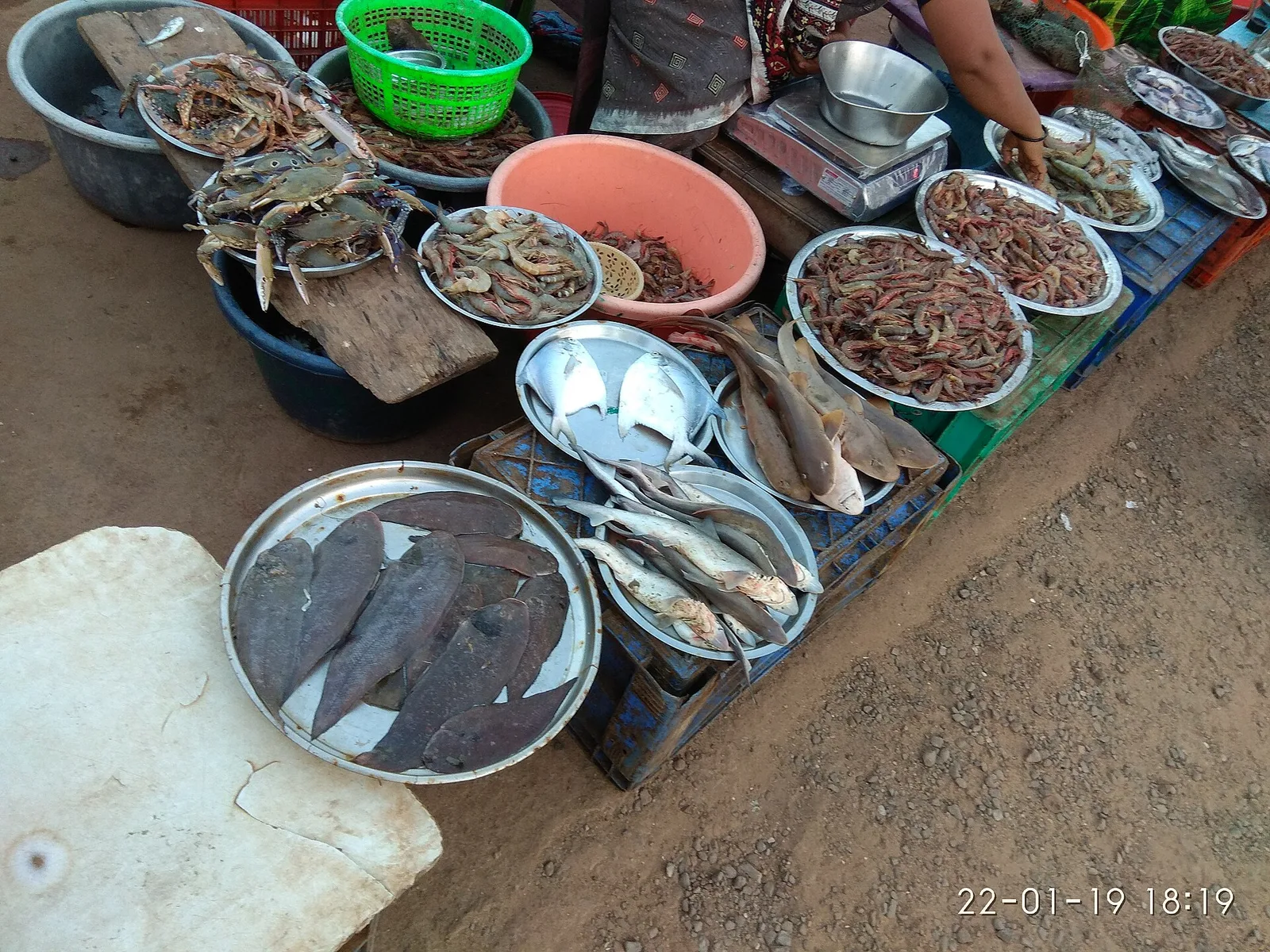
Daily seafood from the local fish markets near the coast.
Known as Vasai Keli, available fresh from agricultural vendors.
Expansive historical grounds offering a peaceful escape overgrown with nature.
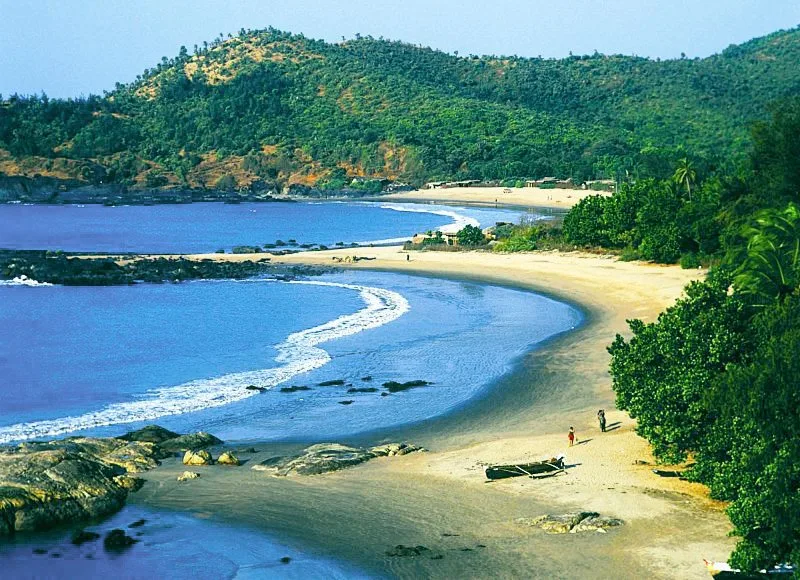
A long, quiet stretch of sand backed by Casuarina trees.
Water temperature…
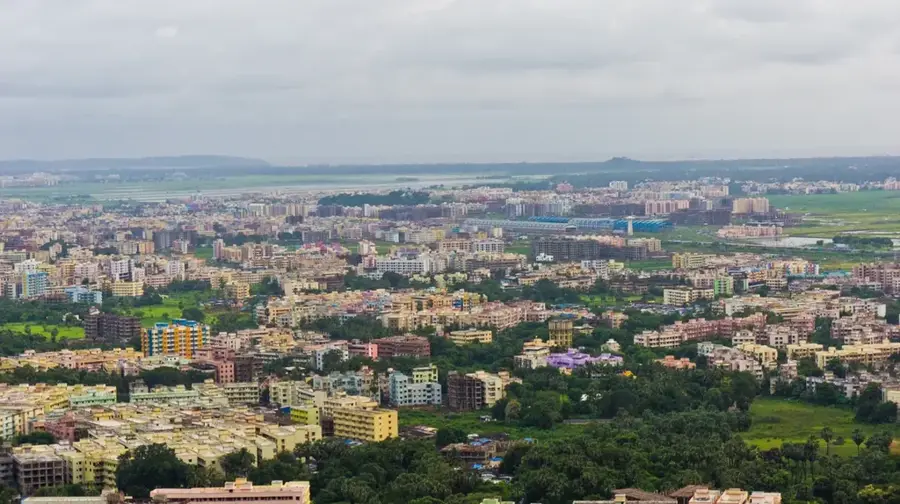
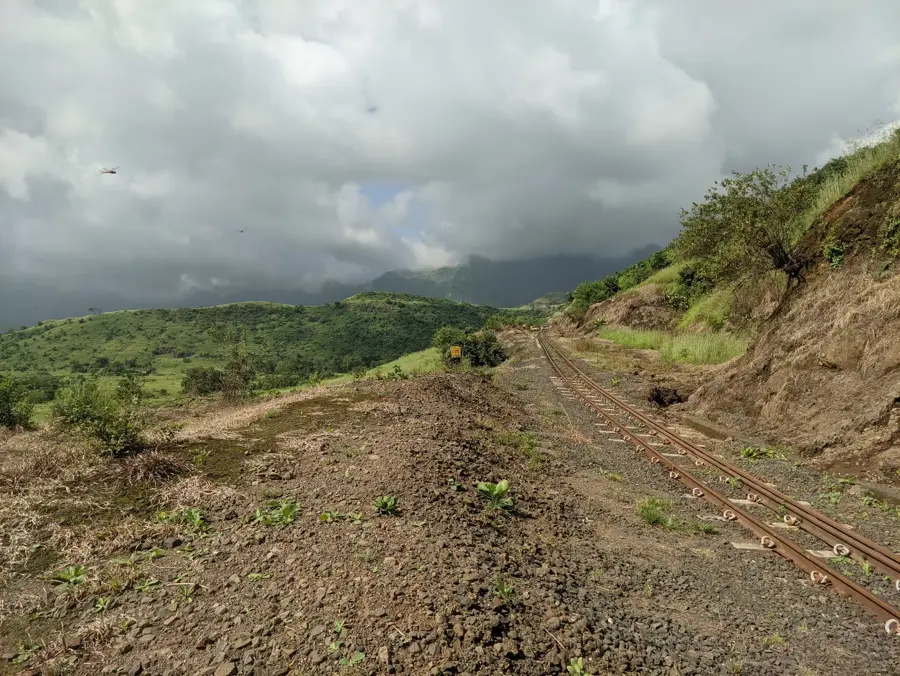
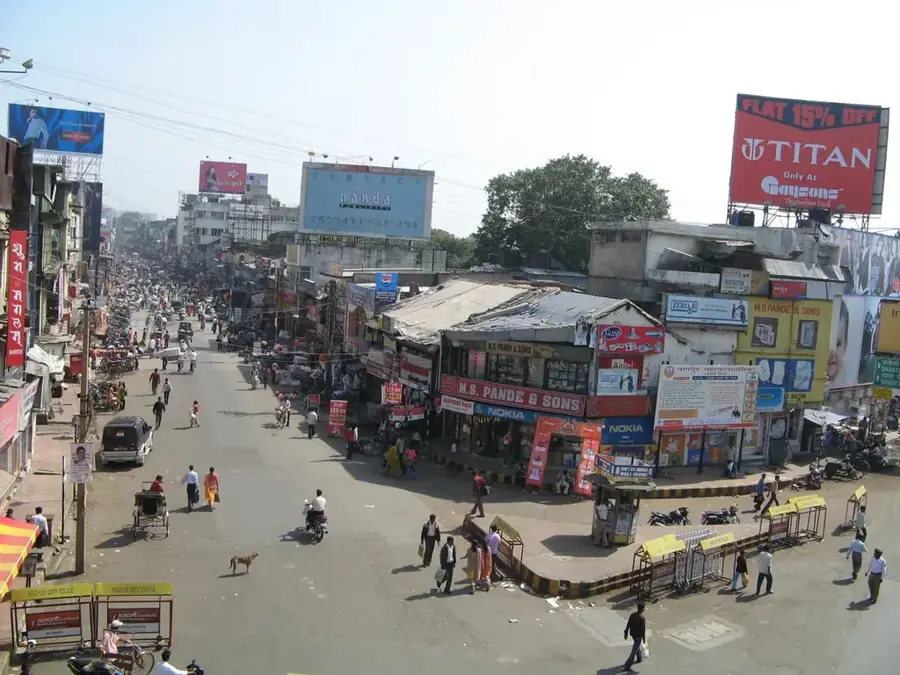
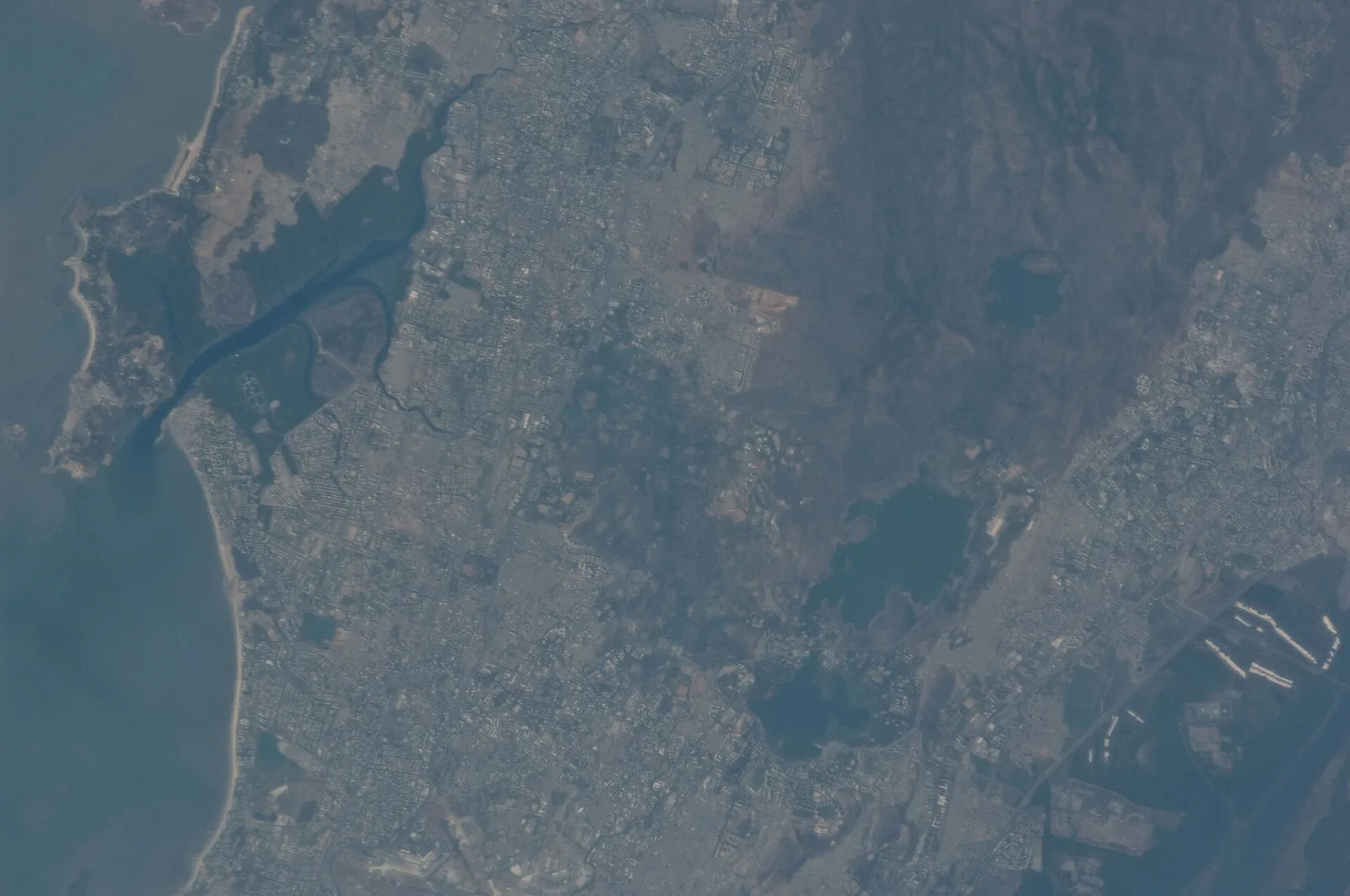
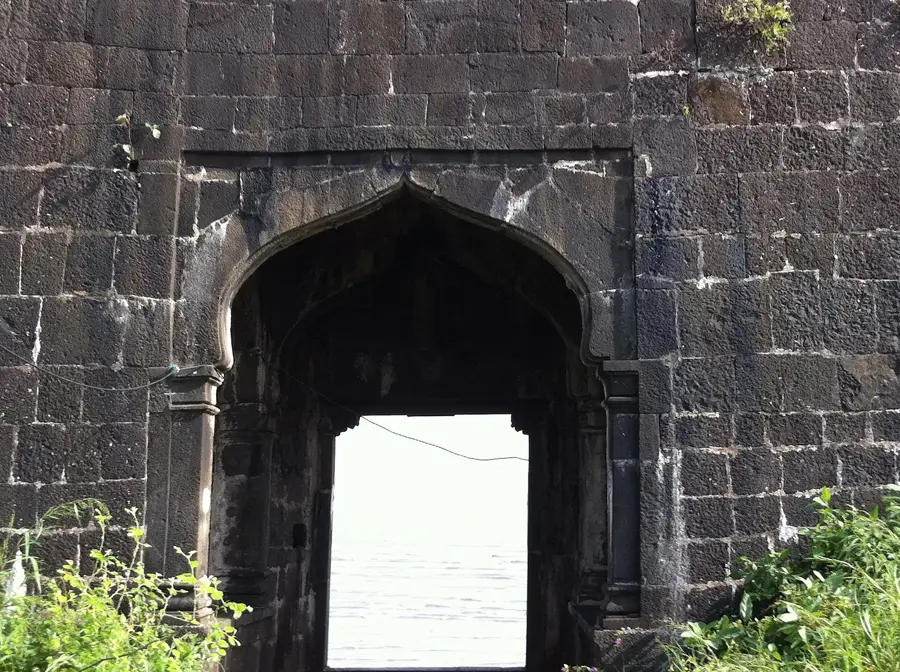
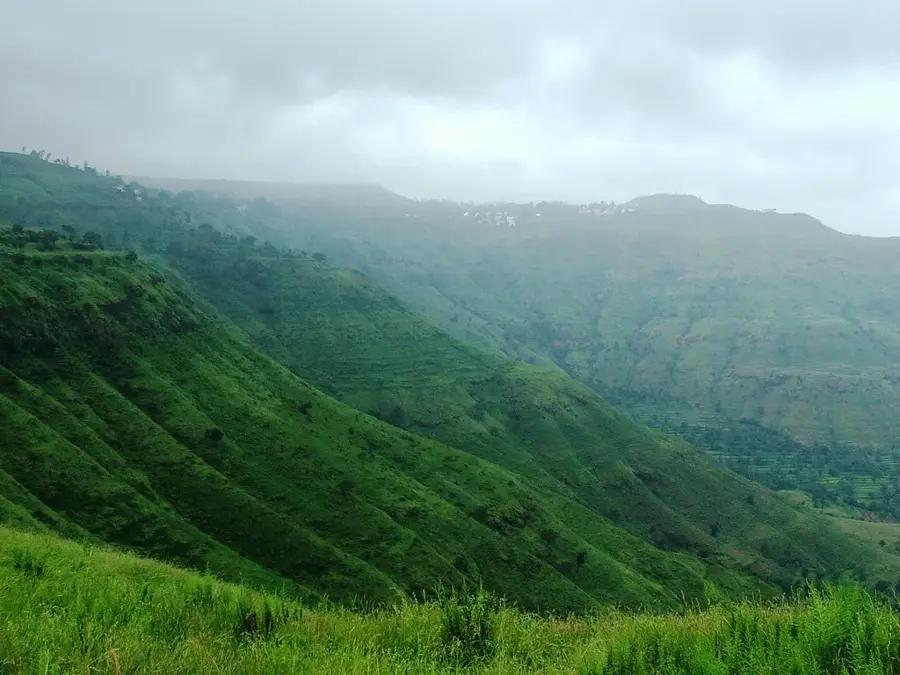
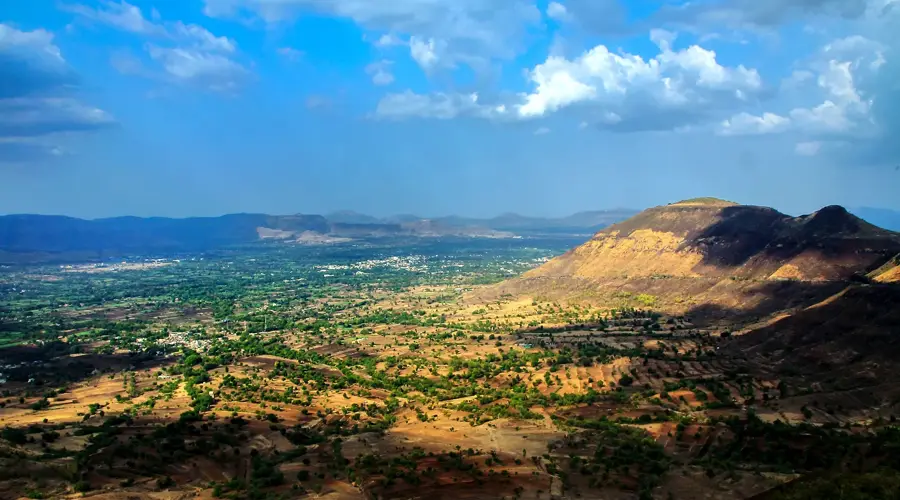
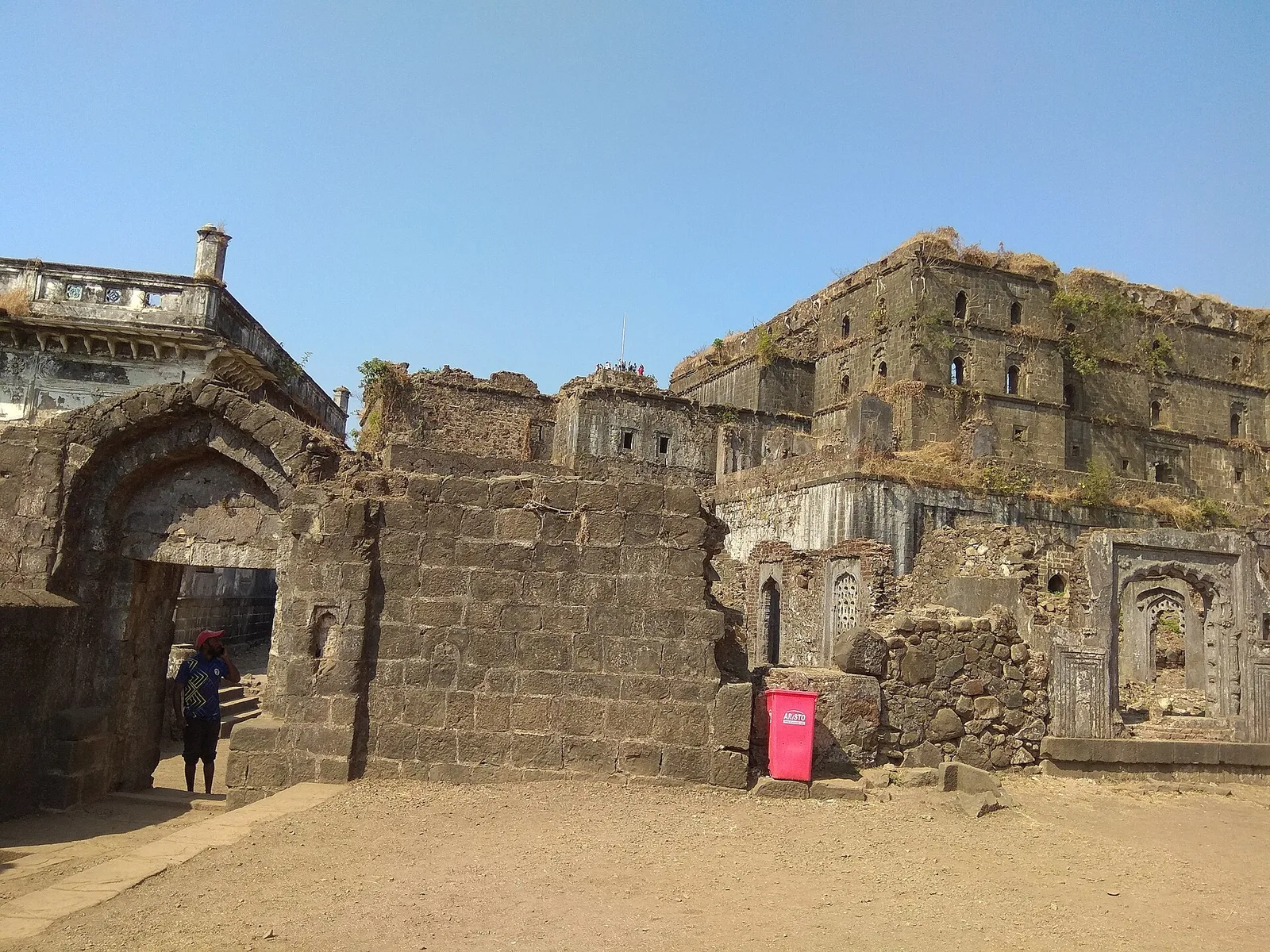
Vasai-Virar, located north of Mumbai on the coast of the Arabian Sea, is a region featuring a fascinating blend of colonial history and modern urban development. The centerpiece of the region is the Vasai Fort, also known as Fort Bassein, built by the Portuguese in the 16th century, which served as their most important center in North India for over 200 years. The ruins of the fort, with its churches and massive walls, attest to the strategic importance the site held for overseas trade between Europe and Asia. Virar, by contrast, has evolved from a cluster of villages into a bustling suburb, famous for its Arnala beach and the temple of the same name. The region is characterized by extensive salt pans, coconut groves, and fertile fields, providing a sharp contrast to the urbanity of neighboring Mumbai. In recent decades, Vasai-Virar has experienced an unprecedented construction boom, turning the region into one of the fastest-growing urban entities in India. Cultural diversity is reflected in the numerous religious festivals and the harmonious coexistence of various communities.
Explore on the map
How well do you know India?
Find cities, landscapes and regions in 10 varied challenges on the interactive map.
Your journey, your memory
A postcard from Vasai-Virar
Turn your own photo into a personal postcard with a local stamp. Free and no sign-up required.
Create a postcard- Location: India
- Highlights: Ram mandir · St. Teresa of Calcutta Church · Vegetables
- Nearby: Manori (30 km)
- Population: ~1.222.390 (2025)
Best time to visit & climate
The most pleasant time to visit is Jan, Nov, Dec.
| Jan | Feb | Mar | Apr | May | Jun | Jul | Aug | Sep | Oct | Nov | Dec | |
|---|---|---|---|---|---|---|---|---|---|---|---|---|
| Avg °C | 24 | 26 | 29 | 31 | 31 | 29 | 26 | 26 | 26 | 26 | 25 | 24 |
| Rain mm | 0 | 3 | 4 | 2 | 17 | 518 | 835 | 615 | 386 | 92 | 15 | 4 |
Geography
Facts
- Vasai Fort was ceded to Portugal in 1533 through a treaty with the Sultan of Gujarat.
- The Arnala Fort is located on an island just off the coast of Virar.
- Vasai-Virar is one of the fastest-growing urban settlements in India.
- The region is a significant center for salt manufacturing in Maharashtra.
- The Jivdani Temple is situated on a hill and is accessible via 1,300 steps or a ropeway.
- The region is governed by the Vasai-Virar City Municipal Corporation.
Explore nearby
Notable places around
Route planner — Car & Motorhome
Where do you start? We build the route here, with stops and country notes along the way.
© OpenStreetMap contributors · OpenRouteService
Sights in the town Vasai-Virar (3)
Frequently asked questions
Which historical ruin is famous in Vasai?
Are there beaches nearby?
How to get there from Mumbai?
What is the atmosphere of the city?
Are there significant churches?
Vasai-Virar: where is it located?
Vasai-Virar: what is there to see?
Vasai-Virar: when is the best time to visit?
Vasai-Virar: why is it worth visiting?
Nearby cities
History & landmarks
Nature
More places