Plizio Visual Lab
Rupununi Savannah Wildlife
Weather…
Water temperature…
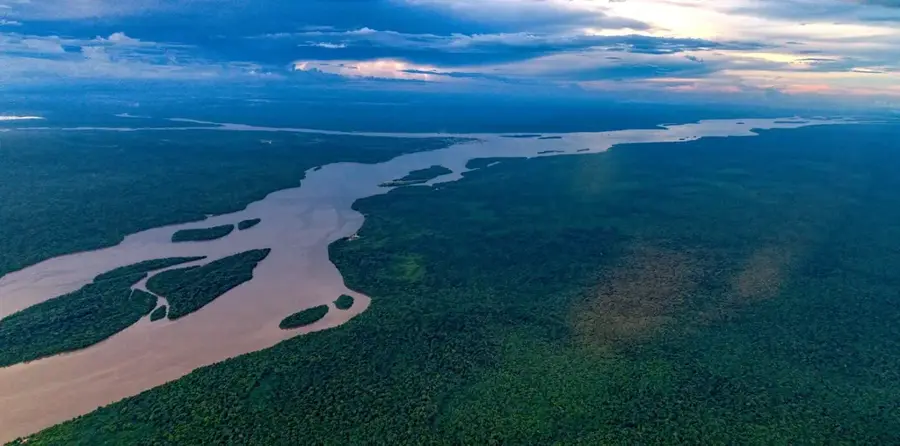
The Rupununi Savannah in southwestern Guyana is one of South America's largest and most biologically diverse grassland ecosystems. Covering approximately 13,000 square kilometers, it is divided into northern and southern regions by the Kanuku Mountains. The landscape is characterized by expansive plains, towering termite mounds, and gallery forests flanking the riverbanks. This territory is home to iconic wildlife, including the jaguar, the giant anteater, and the harpy eagle. The savannah serves as the traditional ancestral home of the Macushi and Wapishana indigenous peoples, who have maintained sustainable practices for generations. Historically, the region has been defined by large-scale cattle ranching since the 19th century, which remains a primary economic activity. During the wet season, much of the savannah floods, creating a massive inland sea that connects the Amazon and Essequibo river basins, facilitating a unique exchange of aquatic species.
Explore on the map
How well do you know Guyana?
Find cities, landscapes and regions in 10 varied challenges on the interactive map.
Your journey, your memory
A postcard from Rupununi Savannah Wildlife
Turn your own photo into a personal postcard with a local stamp. Free and no sign-up required.
Create a postcard- Location: Guyana
- Nearby: Aishalton (61 km)
Best time to visit & climate
The most pleasant time to visit is Jan, Feb, Dec.
| Jan | Feb | Mar | Apr | May | Jun | Jul | Aug | Sep | Oct | Nov | Dec | |
|---|---|---|---|---|---|---|---|---|---|---|---|---|
| Avg °C | 27 | 28 | 28 | 27 | 26 | 25 | 25 | 25 | 26 | 27 | 27 | 27 |
| Rain mm | 24 | 27 | 35 | 110 | 275 | 281 | 252 | 176 | 80 | 59 | 50 | 46 |
📋 Practical info
Geography
Facts
- The savannah covers a total area of approximately 13,000 square kilometers.
- The Kanuku Mountains split the region into north and south savannahs.
- Over 1,500 species of vascular plants are found in the Rupununi.
- Commercial cattle ranching was established here in the 1860s.
- The region supports over 80% of Guyana’s recorded mammal species.
- Seasonal flooding creates a hydrological link between the Amazon and Essequibo.
Explore nearby
Notable places around
Route planner — Car & Motorhome
Where do you start? We build the route here, with stops and country notes along the way.
© OpenStreetMap contributors · OpenRouteService
Sights in the town Rupununi Savannah Wildlife (1)
Sights nearby
Frequently asked questions
What animals are typical of the Rupununi Savannah?
When is the best time for safaris in the savannah?
Is the savannah traversable during the rainy season?
Are there guided tours to see anteaters?
How safe is it to hike in the savannah?
Rupununi Savannah Wildlife: where is it located?
Rupununi Savannah Wildlife: when is the best time to visit?
Rupununi Savannah Wildlife: why is it worth visiting?
Nearby cities

History & landmarks
Nature
More places