Plizio Visual Lab
Karditsa
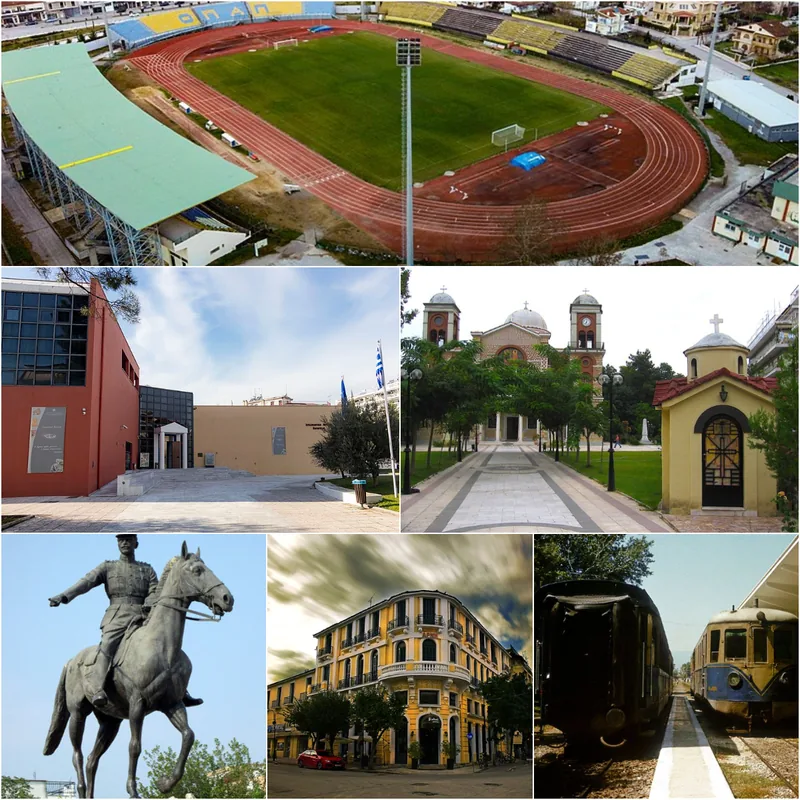
ℹ️Practical info — Karditsa
▾
🌤 Weather — 5 days
📍 Nearby
Sights nearby
💡 Tips
- Use the city's 'Easybike' sharing system to explore Karditsa on two wheels like a local.
- Enjoy the flat terrain; Karditsa is one of the few Greek cities perfectly suited for easy cycling.
- Be extra cautious if driving, as cyclists have priority and are everywhere in the city traffic.
- Visit Pafsilipo Park in the morning when the resident peacocks are most active and visible.
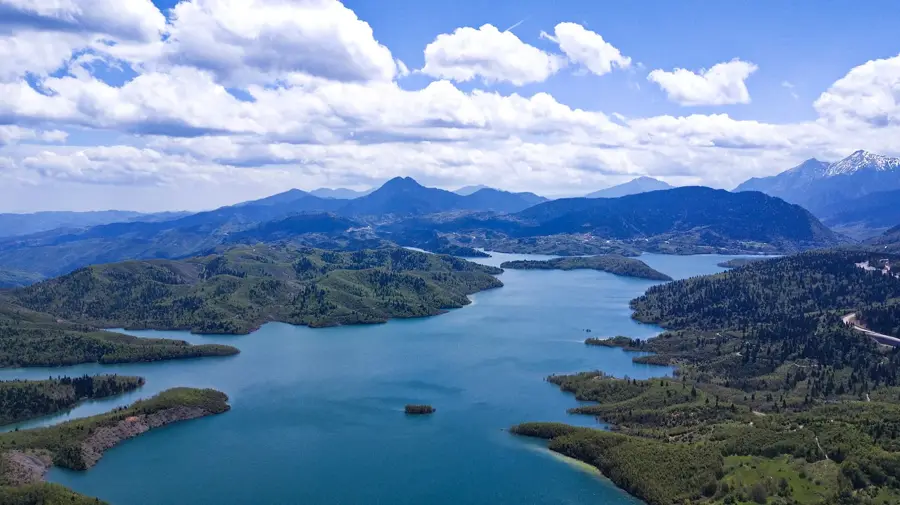
- Karditsa is a great base for visiting Lake Plastira, which is only a 30-minute drive away.
🍽 Food
These savory sausages are a local specialty, often served in the grill houses around the center.
A traditional crustless vegetable pie, best tried in the bakeries near the municipal market.
A distinguished local red wine that pairs perfectly with Thessalian meat dishes.
🛍 Shopping · 🧘 Quiet spots
A beautiful UNESCO-listed building where you can buy Thessalian cheeses, honey, and grains.
The main shopping street featuring a mix of modern boutiques and traditional crafts.
Its name means 'the place that ends sadness', a lush central park with ancient plane trees.
A peaceful forest on the outskirts, also known as 'Thousand Trees', excellent for long walks.
Water temperature…
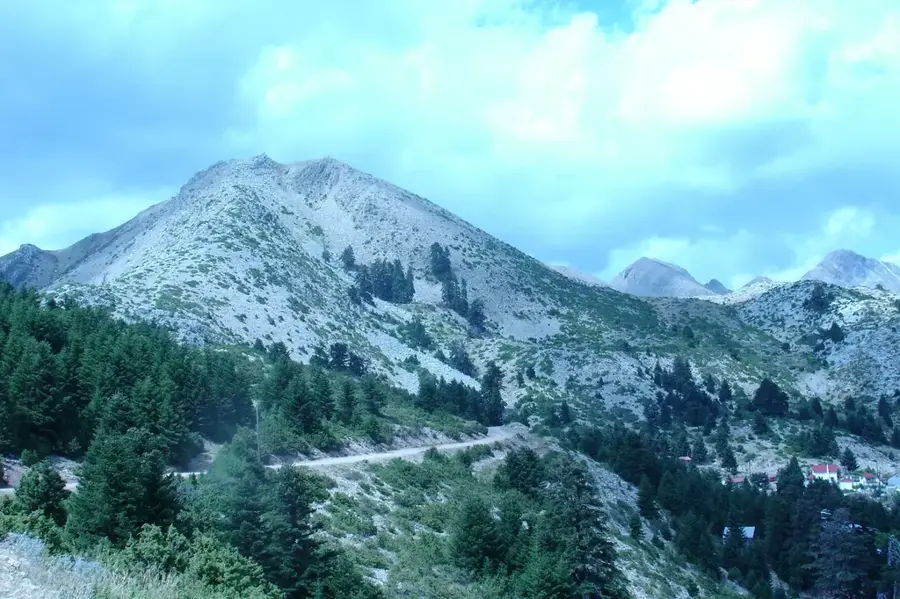
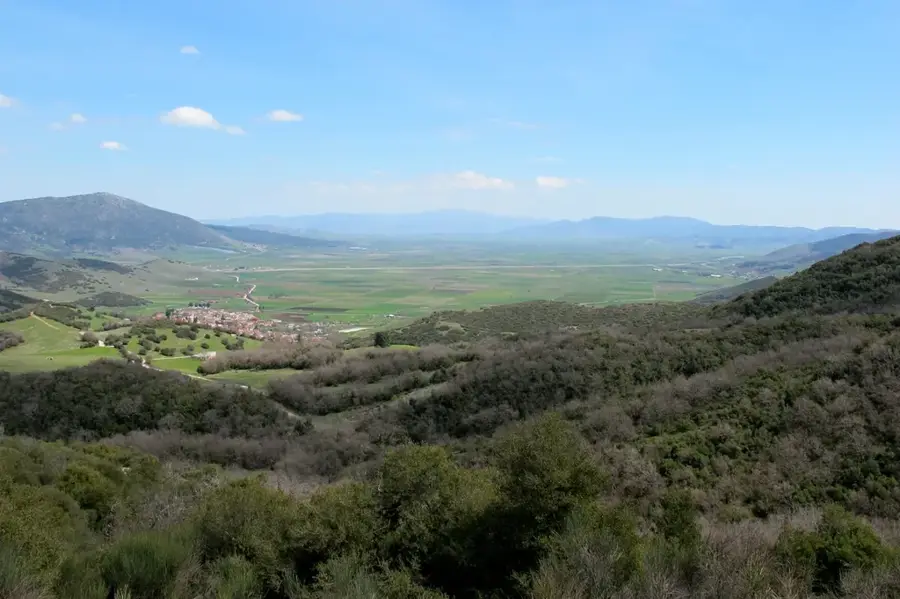
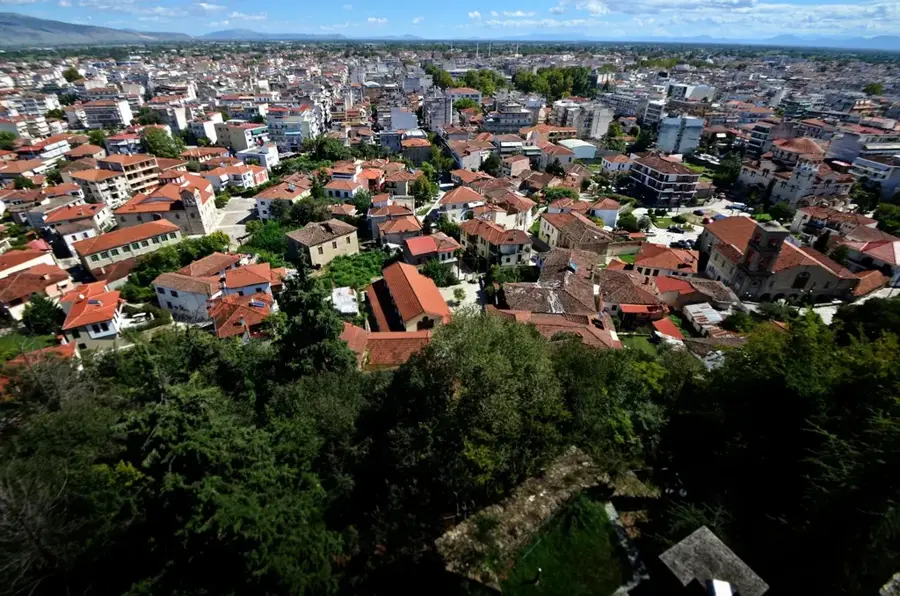
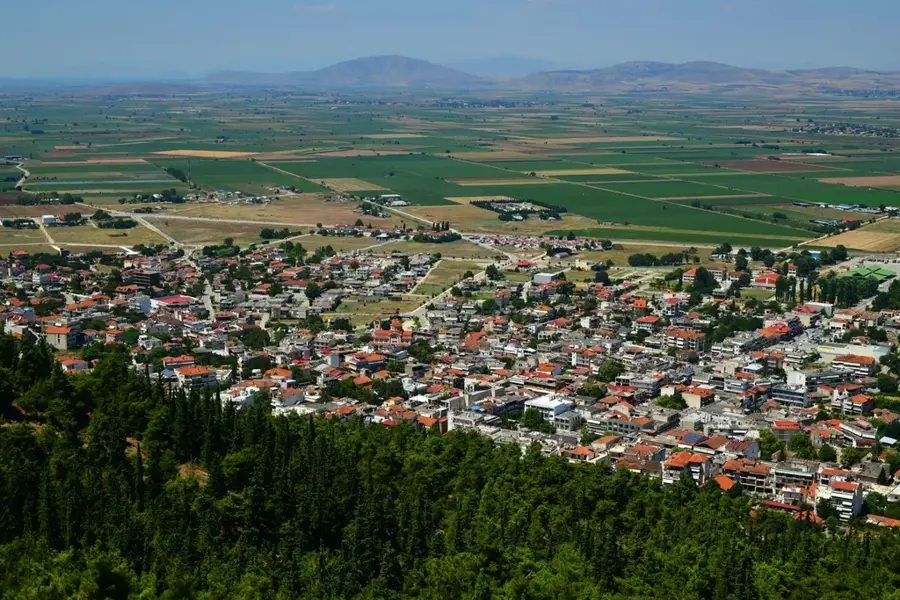
Karditsa is a modern city in southwestern Thessaly and the capital of the Karditsa regional unit. Established in the 15th century during the Ottoman era as a settlement within the fertile Thessalian plain, it rapidly evolved into a significant agricultural and commercial hub. A defining moment in its history occurred in March 1943, when Karditsa became the first city in Nazi-occupied Europe to be liberated by resistance forces. Today, Karditsa is nationally renowned as Greece's 'City of Bicycles' due to its extensive network of cycle paths and the residents' deep-seated cycling culture. The urban design is characterized by large green spaces, such as the Pausilypon Park, and wide pedestrian streets that enhance the quality of city life. Economically, the city remains deeply rooted in the agricultural sector, serving as a primary processing center for cotton, tobacco, and cereal crops. Its location serves as the main gateway to Lake Plastira, a memorable alpine reservoir in the Agrafa mountains that attracts nature lovers and tourists year-round. Karditsa also hosts several educational institutions and museums dedicated to the folklore and history of western Thessaly.
Explore on the map
How well do you know Greece?
Find cities, landscapes and regions in 10 varied challenges on the interactive map.
Your journey, your memory
A postcard from Karditsa
Turn your own photo into a personal postcard with a local stamp. Free and no sign-up required.
Create a postcard- Location: Greece
- Highlights: Archaiologko Moyseio Karditsas · Dimotiko Kinimatotheatro · Church of Zoodochou Pigis Kaminadon
- Nearby: Plastiras Lake (16 km)
- Population: ~32.789
Best time to visit & climate
The most pleasant time to visit is May, Jun, Sep.
| Jan | Feb | Mar | Apr | May | Jun | Jul | Aug | Sep | Oct | Nov | Dec | |
|---|---|---|---|---|---|---|---|---|---|---|---|---|
| Avg °C | 4 | 5 | 8 | 12 | 18 | 24 | 27 | 27 | 21 | 15 | 10 | 5 |
| Rain mm | 71 | 62 | 60 | 41 | 43 | 30 | 26 | 25 | 59 | 75 | 79 | 89 |
Geography
Facts
- On March 12, 1943, Karditsa was liberated by ELAS, the first such liberation in occupied Europe.
- The city maintains a bicycle network of approximately 30 kilometers within the urban area.
- Pausilypon Park is famous for its resident peacocks and unique botanical collection.
- Karditsa was annexed to the Kingdom of Greece in 1881 following the Convention of Constantinople.
- The city is a major educational center with departments from the University of Thessaly.
- Lake Plastira, located 25 km from the city, provides hydroelectric power and drinking water.
Explore nearby
Notable places around
Route planner — Car & Motorhome
Where do you start? We build the route here, with stops and country notes along the way.
© OpenStreetMap contributors · OpenRouteService
Sights in the town Karditsa (4)
Frequently asked questions
Why is Karditsa considered the city of bicycles?
What is Pausilypo Park?
How far is Lake Plastira?
Is there a market hall in Karditsa?
Which region surrounds Karditsa?
Karditsa: where is it located?
Karditsa: what is there to see?
Karditsa: when is the best time to visit?
Karditsa: why is it worth visiting?
Nearby cities
History & landmarks
Nature
More places