Plizio Visual Lab

Ruhr

Plizio editorial teamData Sources
River
—°41
Ruhr (Germany)

Weather…

Highlights of 2026

4

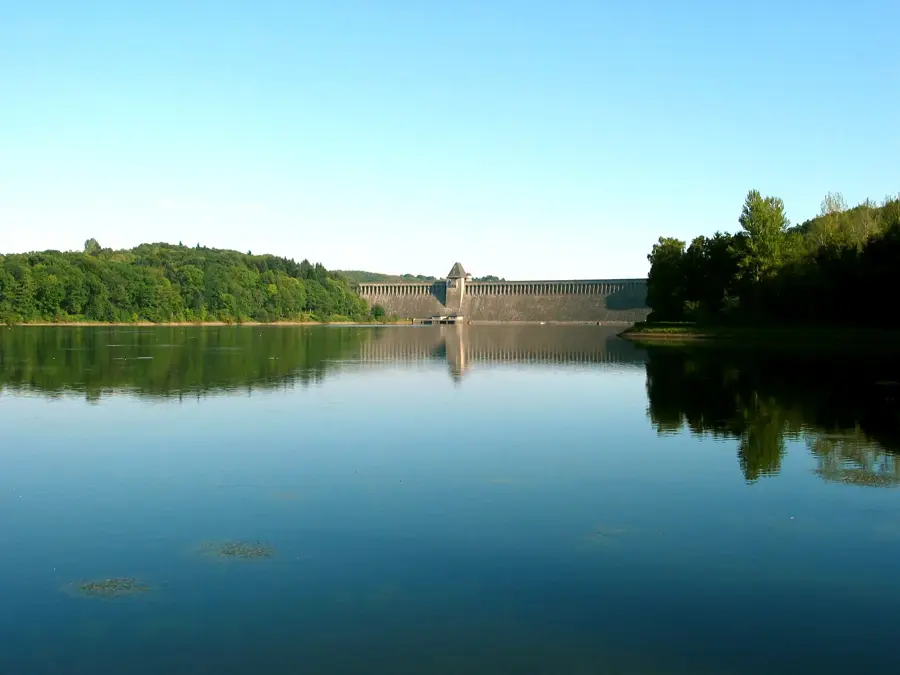
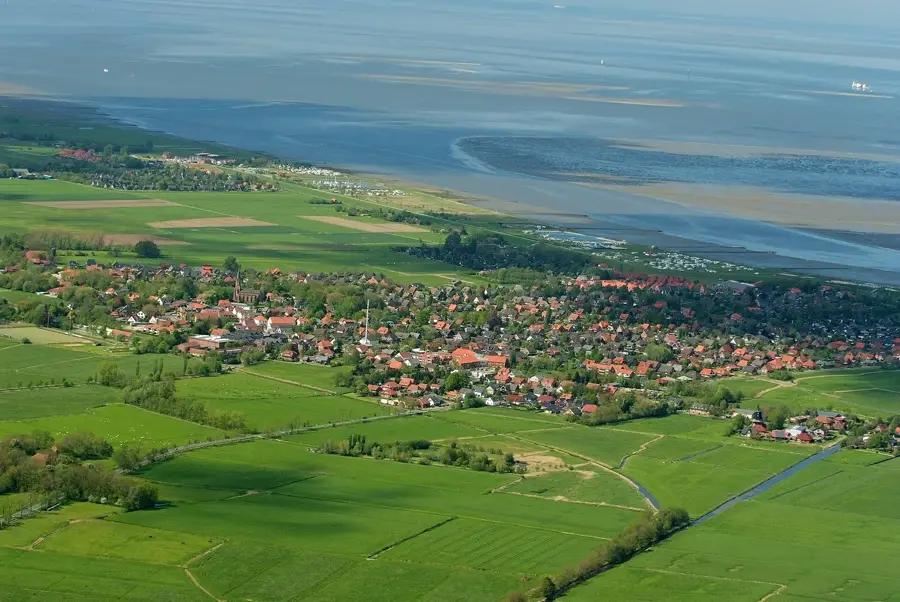
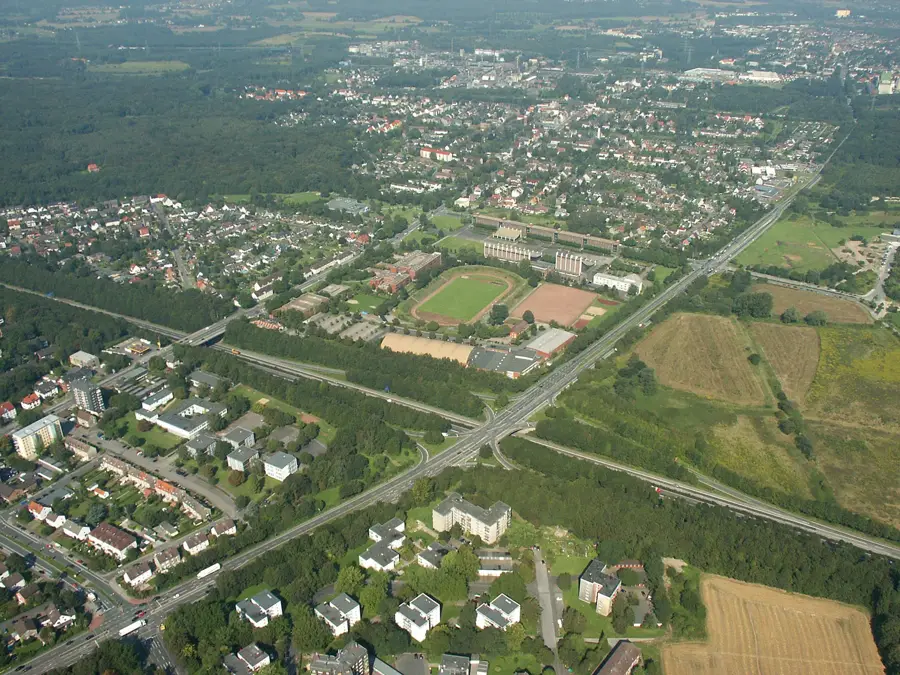
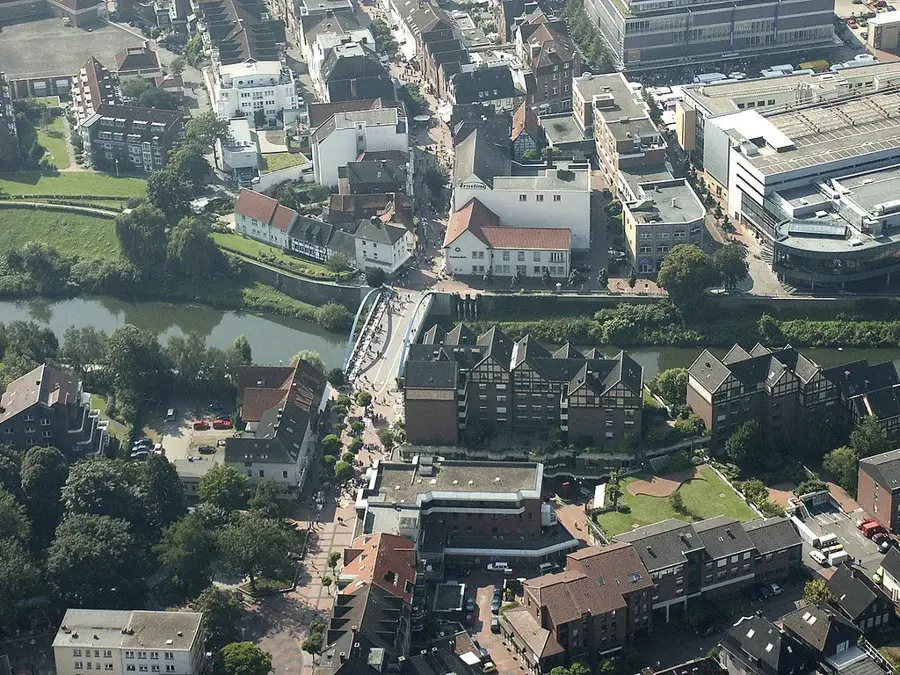
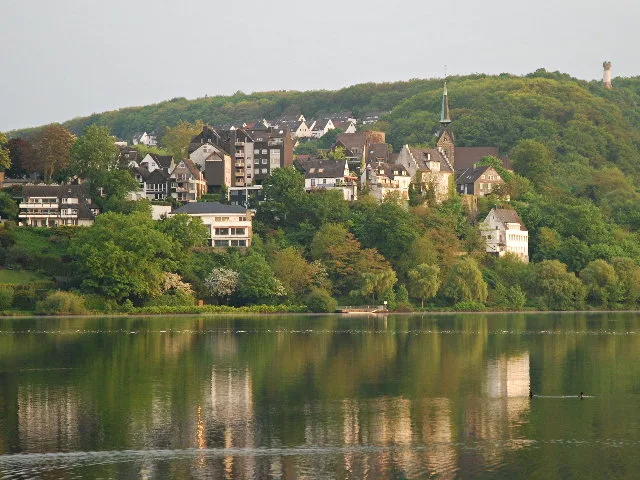
The Ruhr is a 219-kilometer-long tributary of the Rhine in western Germany, giving its name to the Ruhr area, the country's largest urban agglomeration. It rises in the Sauerland region on the northern slope of the Ruhrkopf near Winterberg at an altitude of approximately 674 meters and flows into the Rhine at Duisburg-Ruhrort. Historically, the river was the most important waterway for coal transport in the 18th and 19th centuries, significantly accelerating the region's industrial development. Along its course, numerous reservoirs such as Lake Baldeney or Lake Kemnade were created, which today serve water supply and local recreation purposes. Despite the dense population of the middle and lower Ruhr area, large parts of the river valley have retained their natural character. Today, the Ruhr is a symbol of structural change, marking the transition from heavy industry to a region focused on leisure, services, and environmental restoration.

Best time to visit & climate

The most pleasant time to visit is Jun–Aug.

JanFebMarAprMayJunJulAugSepOctNovDec
Avg °C125913171918151062
Rain mm917064476971838467698190

📋 Practical info

🧭
Getting there
The Ruhr River is highly accessible via the extensive RuhrtalRadweg (Ruhr Valley Cycle Route) and is exceptionally well-served by widespread public transportation networks connecting the various cities of the region.
📅
Best season
The river and its surrounding recreational areas are most enjoyable from late spring to early autumn, offering excellent weather conditions for cycling, walking, and engaging in various water sports on the reservoir lakes.
⛰️
Terrain & paths
The terrain is largely gentle and flat along the designated cycling routes, gracefully transitioning from forested, natural areas near its source to more urban, historically transformed landscapes featuring industrial sites.
🎒
What to bring
A reliable bicycle is the most popular way to deeply explore, along with comfortable cycling or walking shoes. Weather-appropriate outdoor clothing and carrying a reusable water bottle are always highly recommended.
🅿️
Parking
Numerous practical parking options exist closely near the river's major reservoirs (like Baldeneysee), popular local parks, and prominent industrial heritage sites, often with dedicated lots precisely for recreational users.
⚠️
Safety
While the cycling paths are extremely well-maintained, always be mindful of other active cyclists and pedestrians on busy summer weekends. Swimming is strictly restricted to officially designated reservoir beach areas.
⏱️
Time needed
Visits can flexibly range from a quick two-hour revitalizing walk around one of the reservoir lakes to an immersive multi-day cycling trip actively covering the entire length of the immensely popular Ruhr Valley Cycle Route.

Geography

Coordinates
51.51000, 7.46000

Facts

  • The total length of the Ruhr river is exactly 219.3 kilometers.
  • The river's drainage basin covers an area of approximately 4,485 square kilometers.
  • The lowest point at the mouth in Duisburg is 20.2 meters above sea level.
  • In the 19th century, the Ruhr was considered the most traveled river in Europe.
  • Five large reservoirs regulate the water balance of the lower Ruhr.
  • Over 5 million people receive their drinking water directly or indirectly from the Ruhr.

Explore nearby

Notable places around

Route planner — Car & Motorhome

Where do you start? We build the route here, with stops and country notes along the way.

Vehicle
Only stops with (optional):

© OpenStreetMap contributors · OpenRouteService
Sights in the town Ruhr (1)

Revierstrand Dortmund🎡 recreation

Revierstrand beach in Dortmund on the Ruhr river.

Sights nearby

Frequently asked questions

What is the Ruhr region?
It is an industrial region in NRW named after the river Ruhr.
Where does the Ruhr rise?
The Ruhr rises near Winterberg in the Sauerland on the Ruhrkopf.
How long is the RuhrtalRadweg?
The cycle path is about 240 km long and follows the river from the source to the Rhine.
Where does the Ruhr flow into?
The Ruhr flows into the Rhine in Duisburg-Ruhrort.
Was the Ruhr used for shipping in the past?
Yes, in the 18th and 19th centuries it was one of the busiest rivers for coal transport.
Ruhr: where is it located?
Ruhr is located in Germany.
Ruhr: when is the best time to visit?
The most pleasant time to visit is Jun, Aug.
Ruhr: why is it worth visiting?
The Ruhr is a 219-kilometer-long tributary of the Rhine in western Germany, giving its name to the Ruhr area, the country's largest urban agglomeration.
View on map → The Top 50 Attractions → OpenStreetMap →
Europe
Explore with Plizio Discover more places in Europe
More places in Germany →

Nearby cities