Plizio Visual Lab
Nordsee
Weather…
Water temperature…
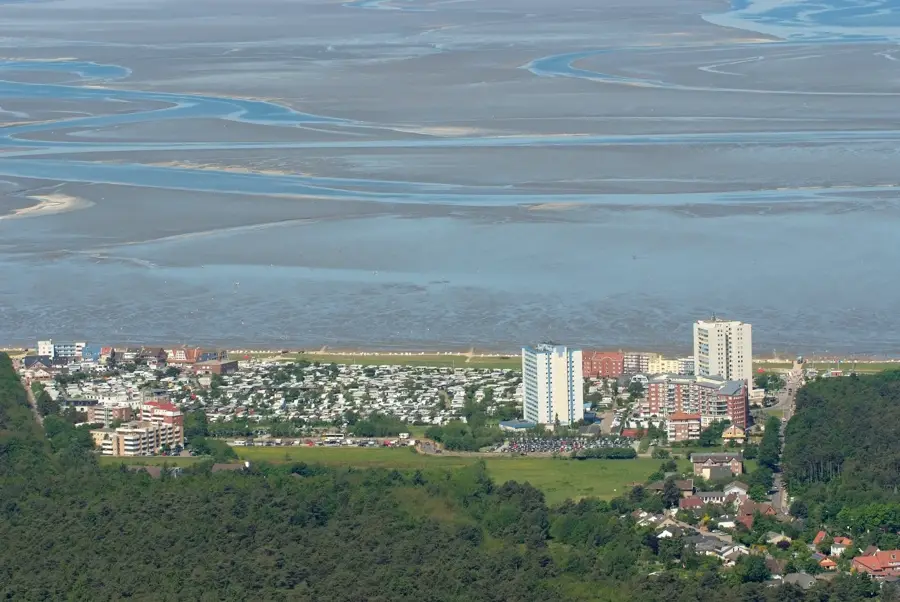
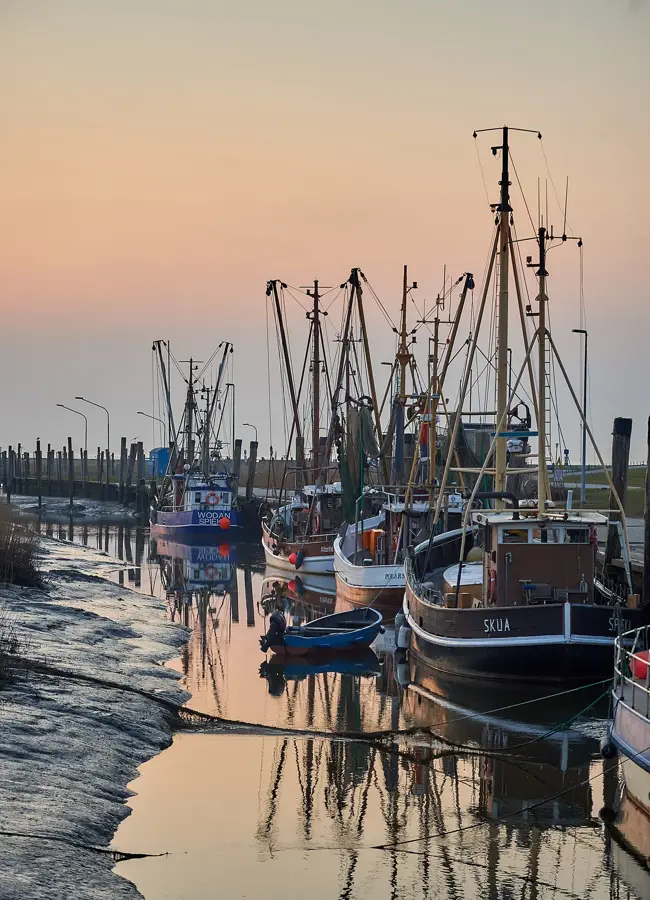
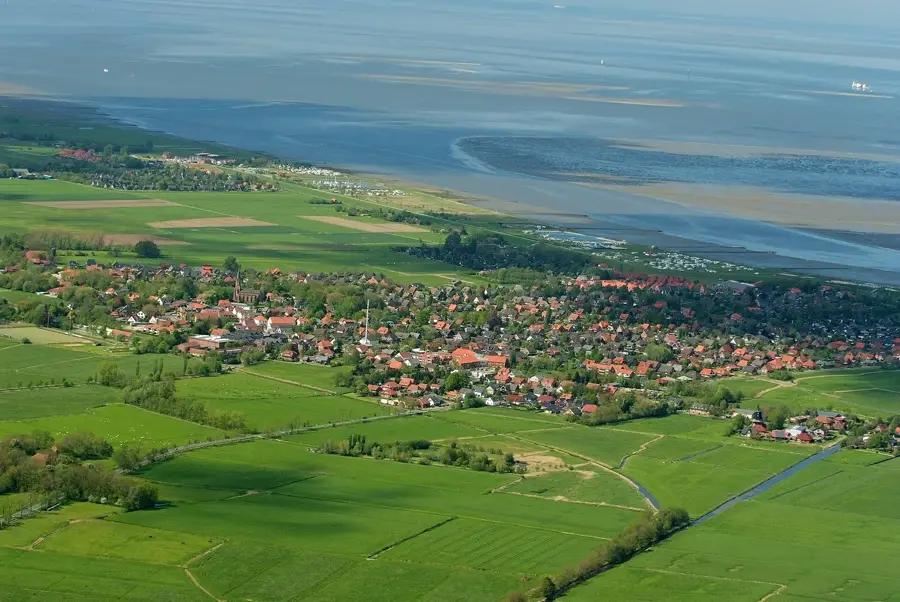
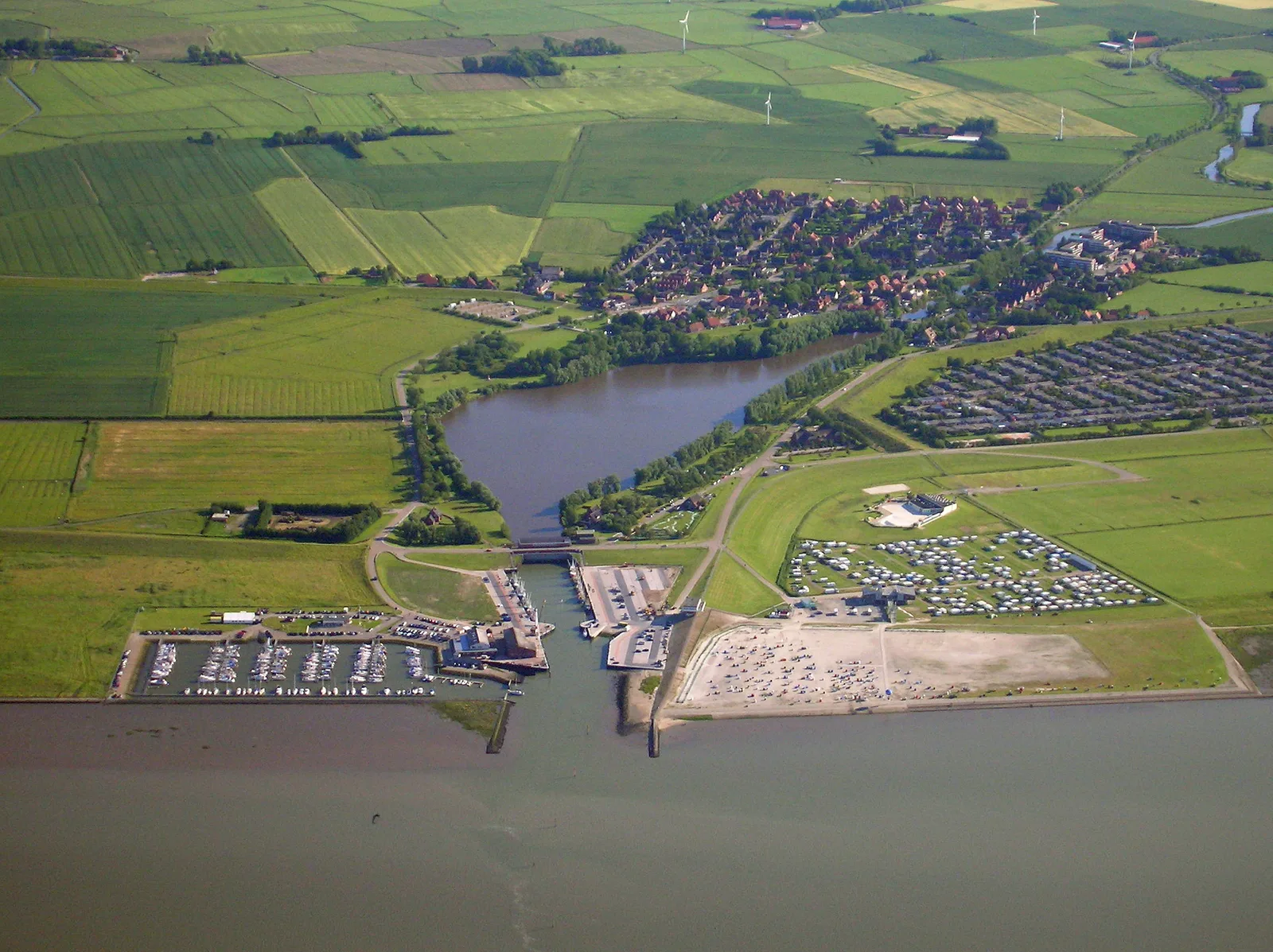
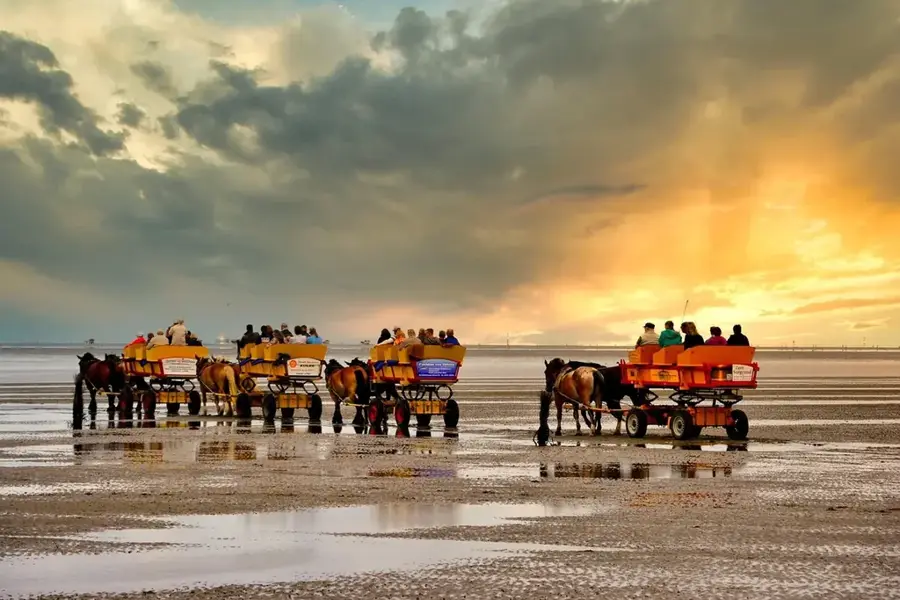
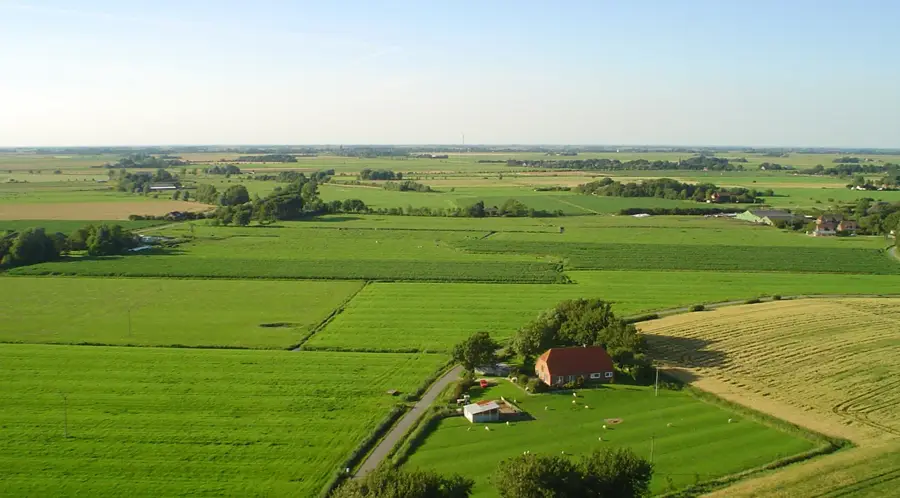
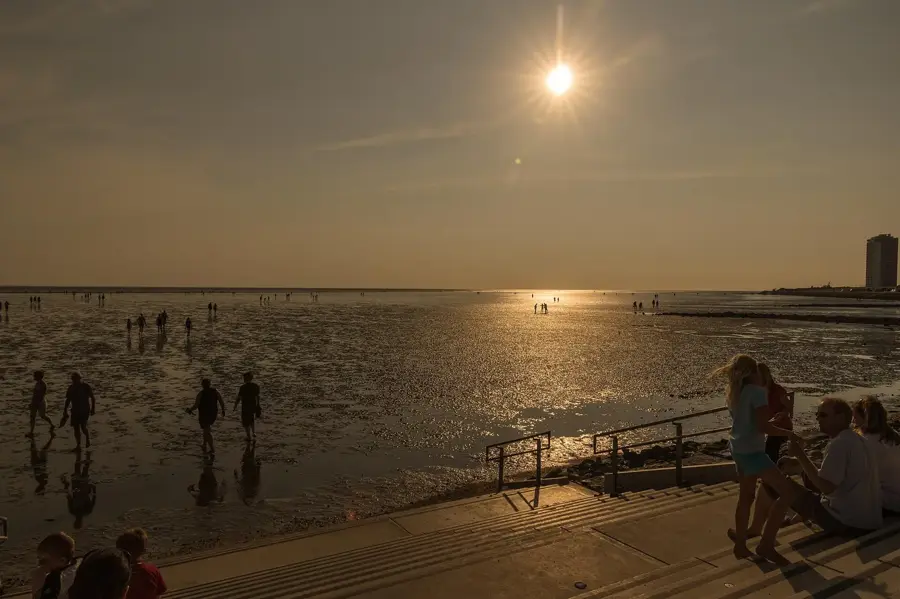
The North Sea is a marginal sea of the Atlantic Ocean in northwestern Europe, covering an area of approximately 575,000 square kilometers. It is bordered by seven countries, including Germany, the United Kingdom, the Netherlands, and Norway. A geological highlight is the Wadden Sea along the southern coast, which has been a UNESCO World Heritage site since 2009 and is exposed twice daily by the tides. Historically, the North Sea was a central trade route for the Hanseatic League and remains of immense economic importance today due to significant oil and gas deposits as well as numerous offshore wind farms. Its average depth is about 95 meters, with the Norwegian Trench marking the deepest point at over 700 meters. Major port cities such as Hamburg, Rotterdam, and Antwerp utilize this access for global trade. Ecologically, the sea provides a habitat for common seals, grey seals, and numerous seabirds, though it faces conservation challenges from intensive fishing and shipping. Coastal protection measures, such as dike construction, are essential due to the threat of storm surges on the low-lying shores.
Explore on the map
How well do you know Germany?
Find cities, landscapes and regions in 10 varied challenges on the interactive map.
Your journey, your memory
A postcard from Nordsee
Turn your own photo into a personal postcard with a local stamp. Free and no sign-up required.
Create a postcard- Location: Germany
- Nearby: Helgoland (21 km)
Best time to visit & climate
The most pleasant time to visit is Jul–Sep.
| Jan | Feb | Mar | Apr | May | Jun | Jul | Aug | Sep | Oct | Nov | Dec | |
|---|---|---|---|---|---|---|---|---|---|---|---|---|
| Avg °C | 4 | 3 | 5 | 8 | 12 | 15 | 18 | 18 | 16 | 12 | 9 | 5 |
| Rain mm | 83 | 66 | 56 | 40 | 55 | 68 | 84 | 89 | 77 | 87 | 85 | 87 |
📋 Practical info
Geography
Facts
- Total area is approximately 575.000 km² with a max depth of 725 m.
- Wadden Sea is the world's largest contiguous mud and sandflat system.
- First offshore oil production began in the late 1960s.
- Tidal range on the German coast varies between 2 and 4 meters.
- The world's busiest shipping lane with over 400 vessel movements daily.
- Dogger Bank is a large sandbank that is rich in fish and shallow (13 m).
Explore nearby
Notable places around
Route planner — Car & Motorhome
Where do you start? We build the route here, with stops and country notes along the way.
© OpenStreetMap contributors · OpenRouteService
Sights nearby
Frequently asked questions
Can you swim in the North Sea?
What is the Wadden Sea?
Are dogs allowed on the beach?
What are typical dishes at the North Sea?
When is the best time to visit?
Nordsee: where is it located?
Nordsee: when is the best time to visit?
Nordsee: why is it worth visiting?
Nearby cities