Plizio Visual Lab

Abanotubani Sulphur Baths
Plizio editorial teamData Sources
tourist-attraction
—°14
Abanotubani Sulphur Baths (Georgia)

Weather…

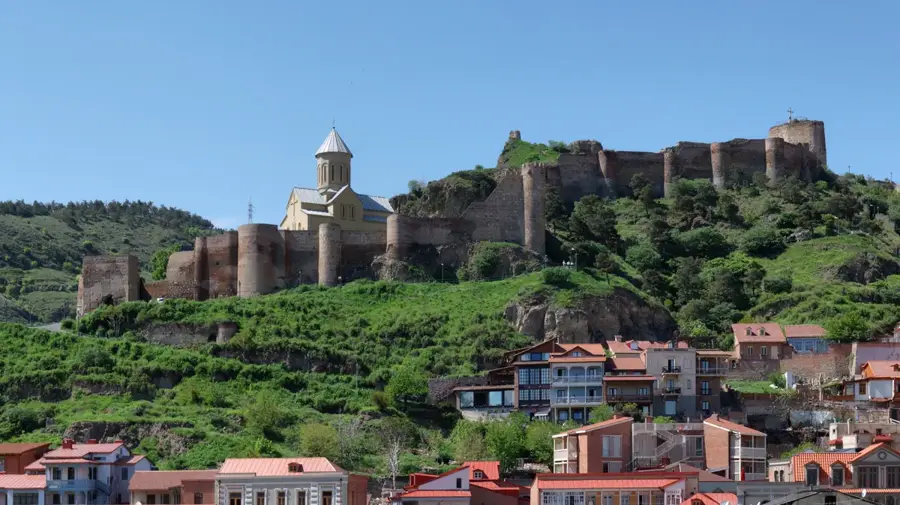
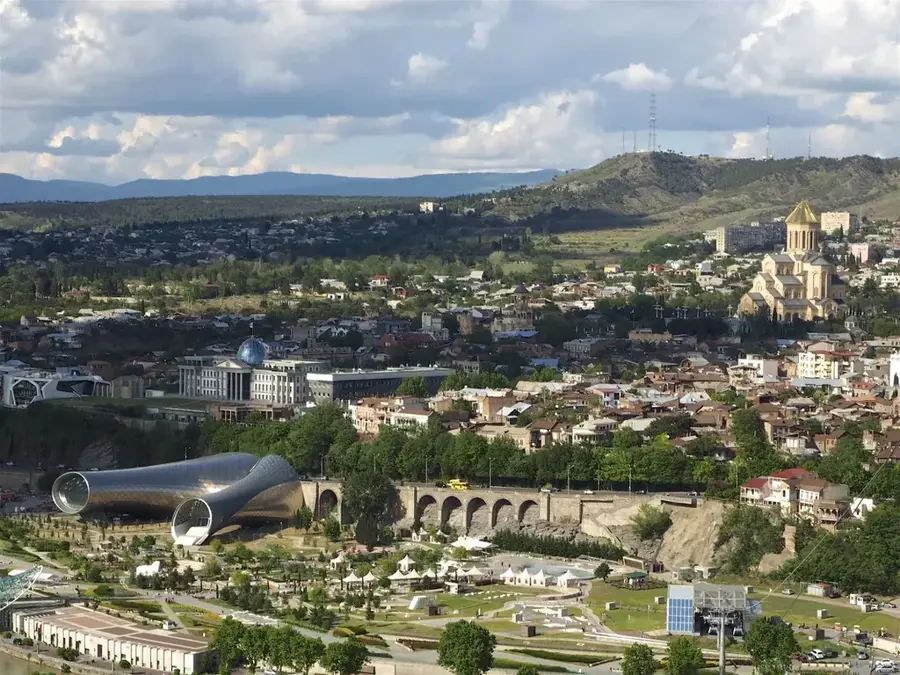
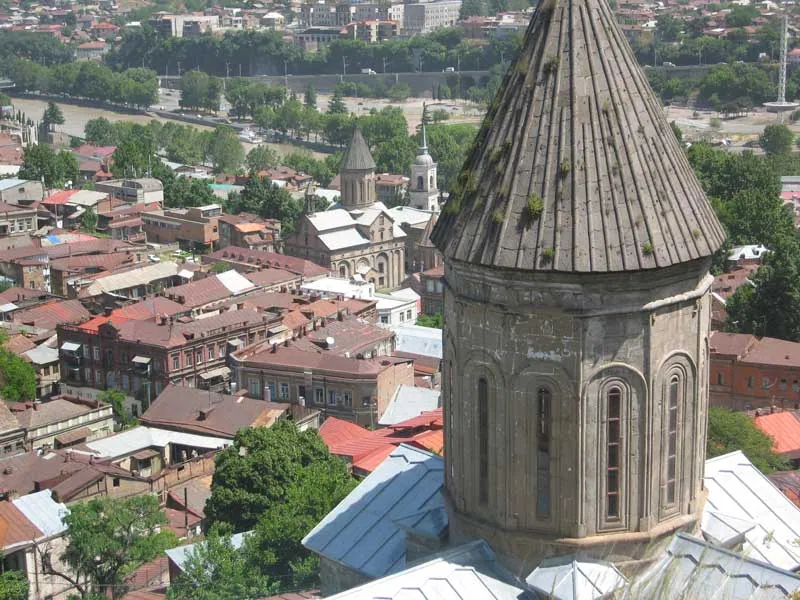
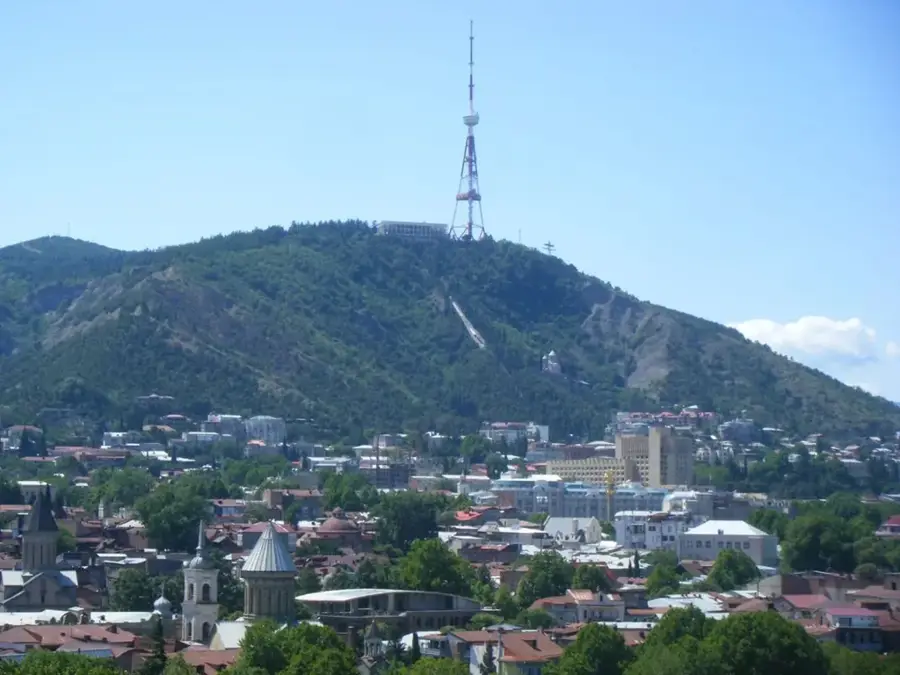
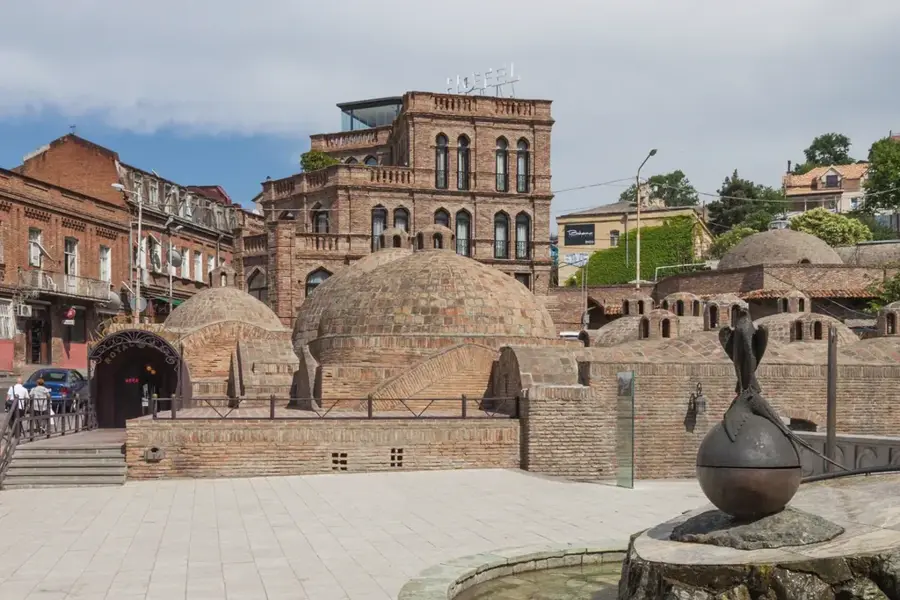
Abanotubani is the ancient district of Tbilisi, famous for its historic sulfur baths and recognized as the founding site of the Georgian capital. According to legend, King Vakhtang Gorgasali discovered the warm springs while hunting in the 5th century, leading him to establish a city here, the name 'Tbilisi' itself is derived from the Georgian word for 'warm.' The district's most iconic features are the dome-shaped brick roofs of the bathhouses, which mostly sit below street level and date back to the 17th through 19th centuries. A standout structure is the Orbeliani Bath, featuring a remarkable blue-tiled facade in the Persian style that resembles an oriental madrasa. The mineral-rich waters flow at a constant temperature of 38-40 degrees Celsius and have been valued for centuries for their therapeutic properties in treating skin and joint conditions. Historically, these baths served as vital social centers where citizens gathered not just for hygiene, but to discuss politics and conduct business. Today, Abanotubani is an animated tourist destination located at the foot of the Narikala Fortress, offering a unique blend of history, wellness, and traditional architecture.

Best time to visit & climate

The most pleasant time to visit is Jun, Aug, Sep.

JanFebMarAprMayJunJulAugSepOctNovDec
Avg °C1371218232626201472
Rain mm181728495849272725382517

📋 Practical info

🚪
Visiting
Visitors can admire the iconic brick domes from the outside or book private rooms and public sessions to fully experience the traditional therapeutic bathing practices within the historic, subterranean structures.
🕒
Typical hours
The majority of the bathhouses operate with extensive schedules, usually opening early in the morning and continuing well into the late evening, accommodating both early risers and those seeking post-dinner relaxation.
📷
Photography
While capturing the remarkable exterior domes positioned against the animated cliffside is highly encouraged, photography inside the active bathhouses is strictly prohibited out of respect for the strict privacy of all patrons.
⏱️
Time needed
Planning for roughly two hours allows sufficient time to enjoy a leisurely bathing session, perhaps adding a traditional body scrub, and soaking in the unique ambiance of this centuries-old thermal wellness tradition.
Combine with
A deeply relaxing bath effortlessly complements a scenic walk up to the formidable ancient fortress overlooking the city, or an engaging stroll through the atmospheric, winding streets of the old town right adjacent.
🧭
Getting there
Located in the heart of the historic center, the entire district is extremely pedestrian-friendly, seamlessly reachable on foot from most central locations or via a short, inexpensive taxi ride from further districts.
💡
Insider tip
Bringing your own basic toiletries and a reliable towel can be a practical, budget-friendly choice, though you will generally find all necessary bathing supplies readily available for rental or purchase inside the establishments.

Geography

Coordinates
41.68810, 44.81110

Facts

  • The name Tbilisi comes from the Georgian word 'Tbili', meaning 'warm'.
  • The sulfur springs maintain a natural temperature of 38 to 40 degrees Celsius.
  • Most of the brick-domed bathhouses were constructed between the 17th and 19th centuries.
  • The Orbeliani Bath is famous for its Persian-style blue mosaic facade.
  • Historical figures like Alexander Pushkin and Alexandre Dumas visited these baths.
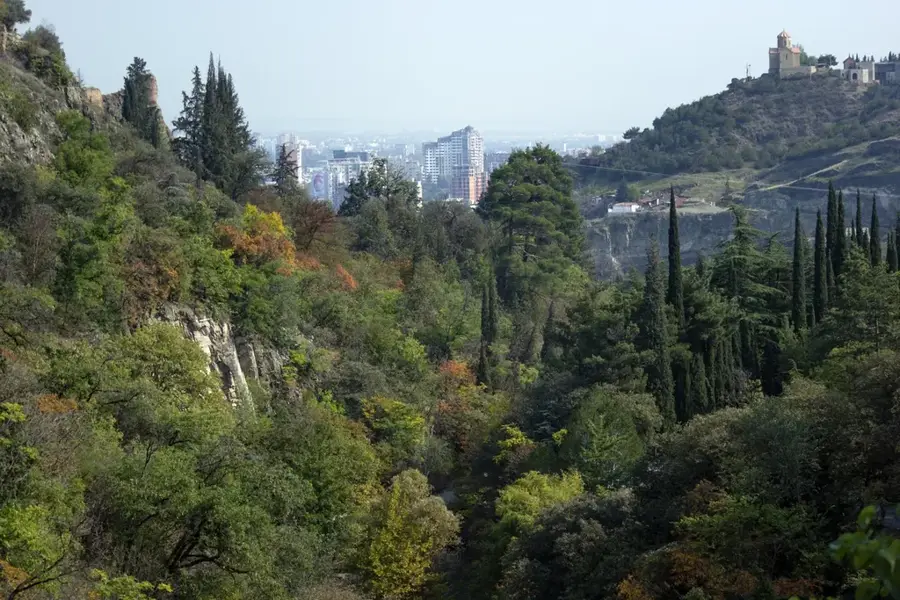
  • The district is located in the old town, right below the Narikala Fortress.

Explore nearby

Notable places around
Route planner — Car & Motorhome

Where do you start? We build the route here, with stops and country notes along the way.

Vehicle
Only stops with (optional):

© OpenStreetMap contributors · OpenRouteService

Sights in the town Abanotubani Sulphur Baths (14)

Shavnabada🌿 nature

A prominent volcanic cone on the Teleti ridge, topped by a monastery that is visible from afar.

Open Space🎭 culture

A contemporary cultural centre near Abanotubani, providing space for modern art and workshops.

Art Space Academy🎭 culture

A creative academy in Tbilisi focusing on artistic education and exhibitions of local art.

Na Vesu🎭 culture

A small theatre in the historic centre of Tbilisi, known for its intimate atmosphere and local performances.

Museum of Azerbaijani Culture named after Mirza Fatali Akhundzade🏛 museum

This museum is dedicated to the Azerbaijani writer Mirza Fatali Akhundzade and showcases exhibits on regional cultural history.

dedop`lis abano📍 landmark

A historic sulfur bath in the Abanotubani district, known for its traditional brick architecture and thermal springs.

Church of Saint Gabriel, Confessor and Fool for Christ📍 landmark

A small, modern Orthodox church dedicated to Saint Gabriel Urgebadze.

Samasi Aragveli Bridge📍 landmark

This bridge over the Mtkvari river commemorates the 300 Aragvians who defended Tbilisi against the Persian invasion in 1795.

Saint Nicholas Church in Kharpukhi⛪ religious

Built in 1853 in the Kharpukhi district, this church is a significant religious monument of Tbilisi's urban history.

Avlabari printing house🏛 museum

An underground museum in Tbilisi showcasing the secret printing press where Stalin and the Bolsheviks once printed illegal literature.

Metekhi Church⛪ religious

This historic church is perched on a cliff directly above the Mtkvari river, next to the equestrian statue of King Vakhtang Gorgasali.

The Forty Martyrs of Sebastia Monastery⛪ religious

An Orthodox monastery built in traditional style near the sulfur baths, dedicated to the Forty Martyrs of Sebastia.

Memorial Museum of Nariman Narimanov🏛 museum

A memorial museum located in the house where the influential Azerbaijani politician and writer Nariman Narimanov lived.

Tbilisi Balneological Resort🎡 recreation

A health center utilizing natural sulfur waters and therapeutic mud for treatments.

🕒 Mo-Su 10:00-21:00💶

Sights nearby

Frequently asked questions

What is special about Abanotubani?
It is the historical district of sulfur baths, where the city of Tbilisi was founded.
Is advanced booking necessary?
For private rooms in the baths, advanced booking is highly recommended.
How much does a bath visit cost?
Prices vary greatly, from 50 to 200 GEL per hour for a private room.
Does it smell like sulfur there?
Yes, the characteristic smell of "rotten eggs" is noticeable throughout the district.
Are there also public baths?
Yes, there are separate public sections which are much cheaper than private rooms.
Abanotubani Sulphur Baths: where is it located?
Abanotubani Sulphur Baths is located in Georgia.
Abanotubani Sulphur Baths: what is there to see?
Highlights include Shavnabada, Open Space, Art Space Academy.
Abanotubani Sulphur Baths: when is the best time to visit?
The most pleasant time to visit is Jun, Aug, Sep.
Abanotubani Sulphur Baths: why is it worth visiting?

Abanotubani is the ancient district of Tbilisi, famous for its historic sulfur baths and recognized as the founding site of the Georgian capital.
View on map → The Top 50 Attractions → OpenStreetMap →
Asia
Explore with Plizio Discover more places in Asia
More places in Georgia →

Nearby cities

History & landmarks

More places