Plizio Visual Lab
Ahurei
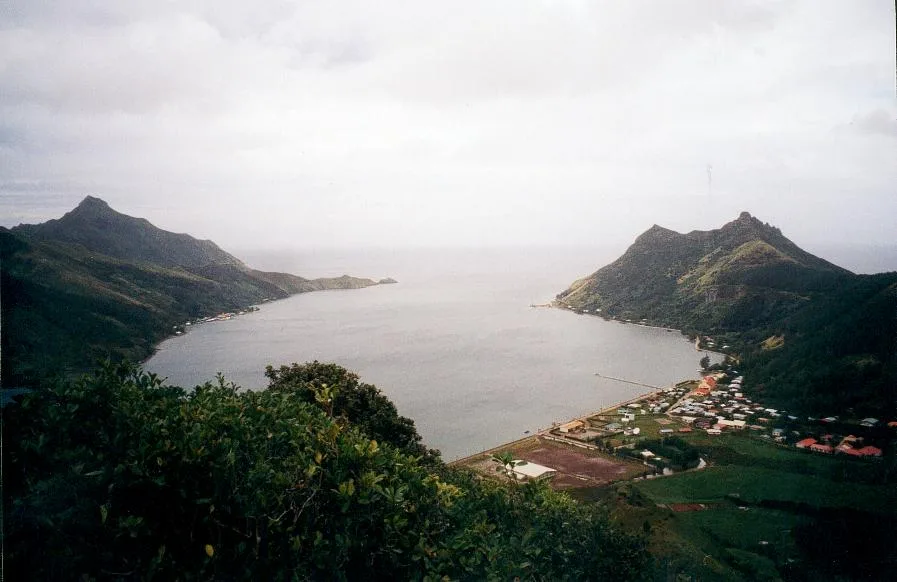
ℹ️Practical info — Ahurei
▾
🌤 Weather — 5 days
📍 Nearby
Sights nearby
💡 Tips
- Rapa Iti is extremely remote and only accessible by the Tuhaa Pae supply ship; meticulous advance planning is essential.
- The climate is significantly cooler and wetter than Tahiti, so bring warm layers, a rain jacket, and sturdy hiking boots.
- There are no hotels, restaurants, or conventional tourist facilities; you must pre-arrange a homestay with a local family.
- The community is devout; Sundays are strictly reserved for church and family, so avoid planning any activities on this day.
- Alcohol is heavily restricted and often unavailable on the island, so respect local customs regarding its consumption.
🍽 Food
A fermented taro paste that is a staple of the local diet, quite different from sweet fruit puddings.
Freshly caught from the surrounding cold waters, usually served simply boiled or grilled at homestays.
Wild goats roam the island's steep hills, and their meat is often slow-cooked for communal or family meals.
🛍 Shopping · 🧘 Quiet spots
Exquisite hats, baskets, and mats intricately woven by the women of Ahurei, reflecting local craftsmanship.
Since there are no real shops, you might trade or buy fresh fruits, taro, and fish directly from the villagers.
Hike up to the terraced hilltops surrounding the village for incredible, silent panoramas of the bay.
The deep, fjord-like harbor features a serene, almost mystical atmosphere in the cool morning mist.
Water temperature…
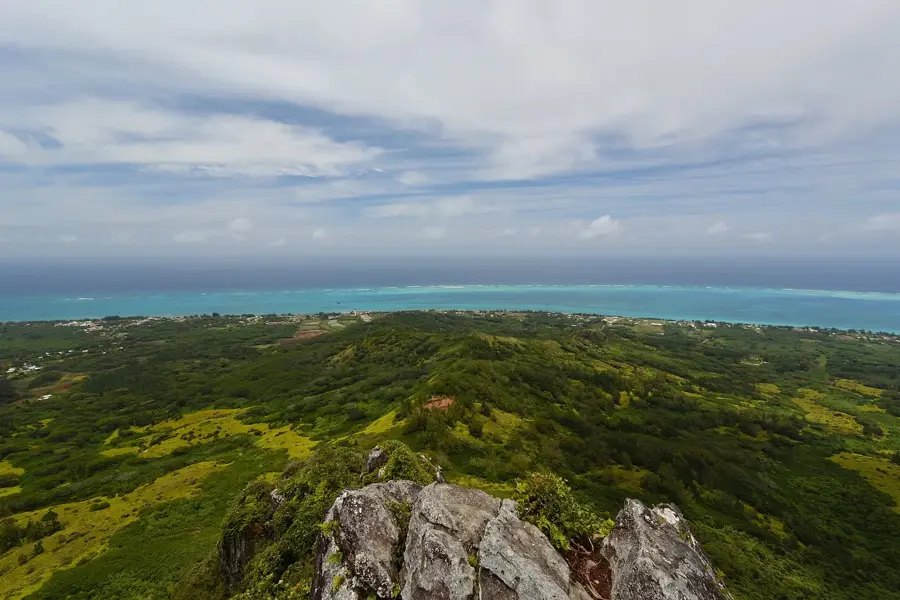
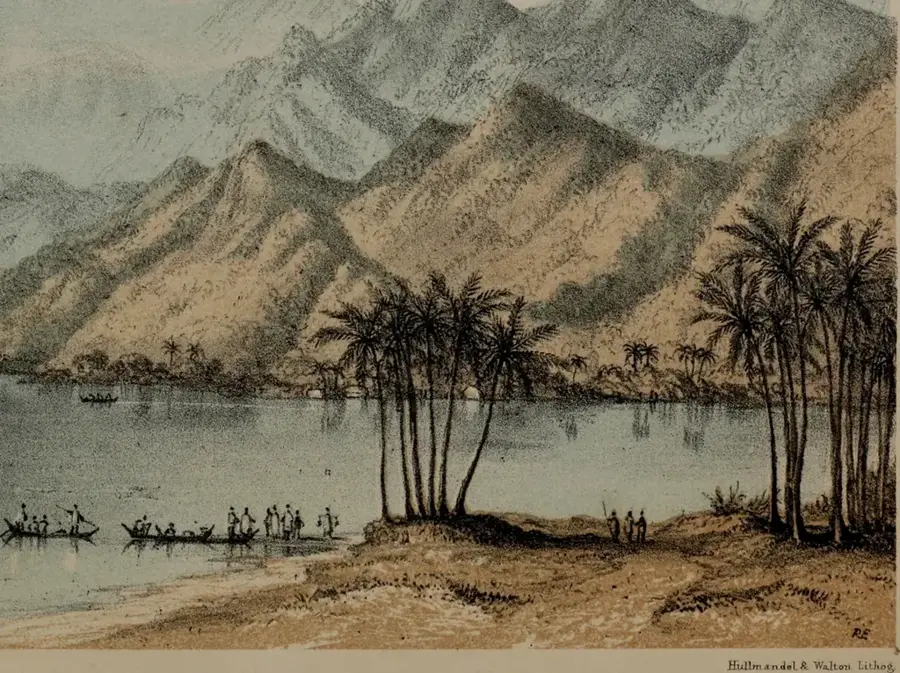
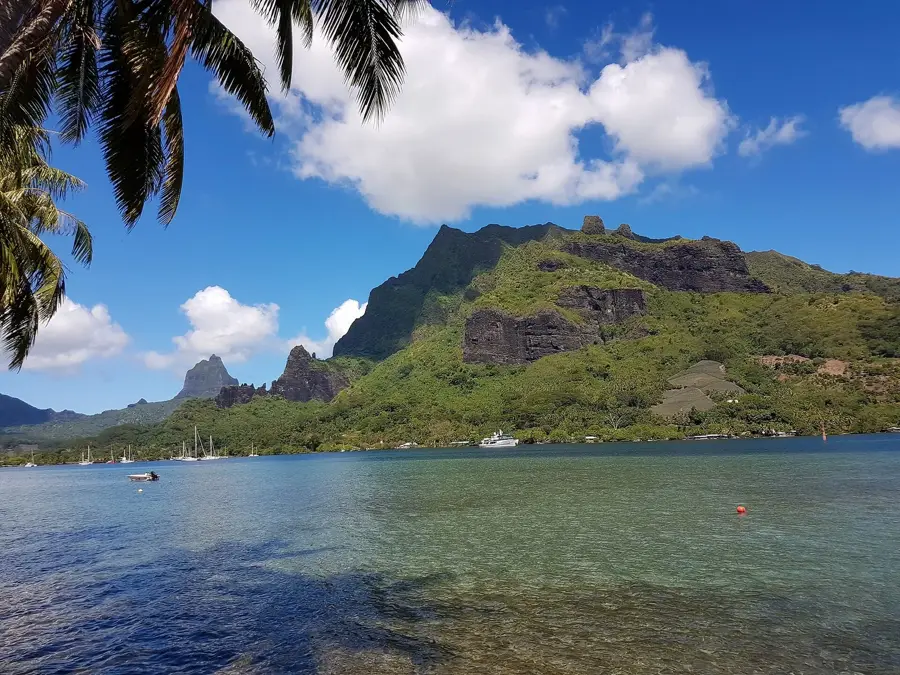
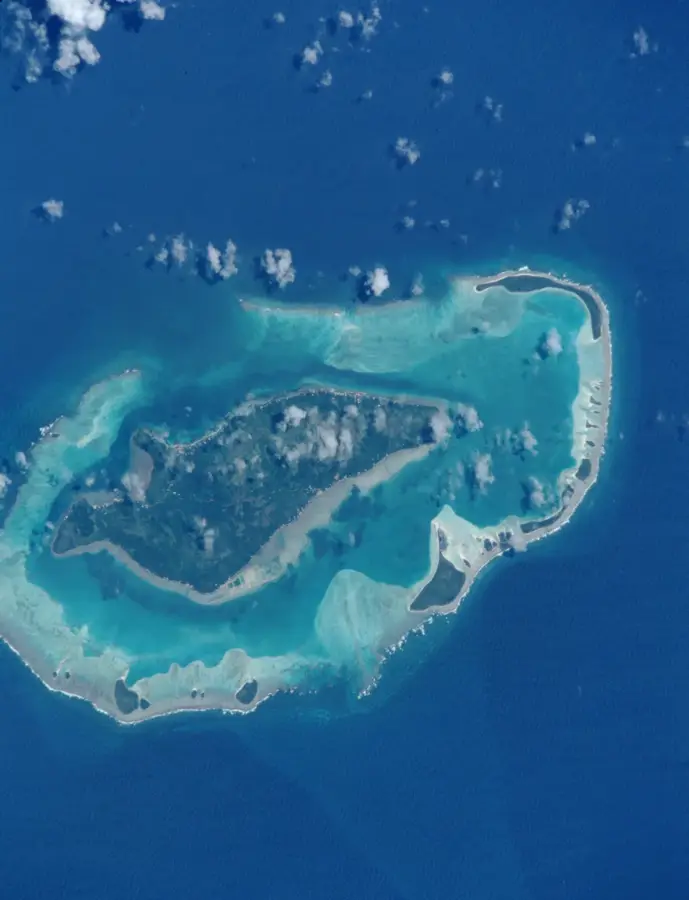
Ahurei serves as the administrative and cultural heart of Rapa Iti, the most remote inhabited island in French Polynesia. The village is beautifully positioned along the shores of Ahurei Bay, a deep, fjord-like inlet that reaches far into the island's interior. With no airport on the island, the settlement is only accessible via a multi-day sea voyage from Tahiti, a factor that has played a crucial role in preserving its archaic charm and traditional way of life. The residents of Ahurei largely depend on subsistence farming, particularly the cultivation of taro on ancient terraced fields carved into the surrounding volcanic slopes. One of the most unique aspects of the village is the preservation of its local dialect, which remains distinct from other Polynesian languages. The simple architecture, often utilizing local stone, blends harmoniously with the dramatic mountain backdrop. Those who make the arduous journey to Ahurei find a community that takes immense pride in its heritage, offering a rare glimpse into a pre-modern Polynesian world.
Explore on the map
How well do you know French Polynesia?
Find cities, landscapes and regions in 10 varied challenges on the interactive map.
Your journey, your memory
A postcard from Ahurei
Turn your own photo into a personal postcard with a local stamp. Free and no sign-up required.
Create a postcard- Location: French Polynesia
- Highlights: Pukumia · Vairu · Potatake
Best time to visit & climate
The most pleasant time to visit is May, Oct, Nov.
| Jan | Feb | Mar | Apr | May | Jun | Jul | Aug | Sep | Oct | Nov | Dec | |
|---|---|---|---|---|---|---|---|---|---|---|---|---|
| Avg °C | 24 | 25 | 24 | 23 | 22 | 20 | 19 | 19 | 19 | 20 | 21 | 22 |
| Rain mm | 139 | 140 | 178 | 156 | 124 | 164 | 159 | 147 | 114 | 112 | 118 | 174 |
Geography
Facts
- Population: 492 (2017 census)
- Land area of Raivavae: 16 km²
- Highest point: 437 m
- Church built: 1850
- Distance from Tahiti: 740 km
- Number of archaeological sites: 6
Route planner — Car & Motorhome
Where do you start? We build the route here, with stops and country notes along the way.
© OpenStreetMap contributors · OpenRouteService
Sights in the town Ahurei (3)
Frequently asked questions
What kind of destination is Ahurei?
When should I travel?
How long do people usually stay?
Is there tourist infrastructure there?
Is it safe for travelers?
Ahurei: where is it located?
Ahurei: what is there to see?
Ahurei: when is the best time to visit?
Ahurei: why is it worth visiting?
Nearby cities
History & landmarks
Nature