Plizio Visual Lab

Zula Bay Lowland
Plizio editorial teamData Sources
Relief
—°
Zula Bay Lowland (Eritrea)

Weather…

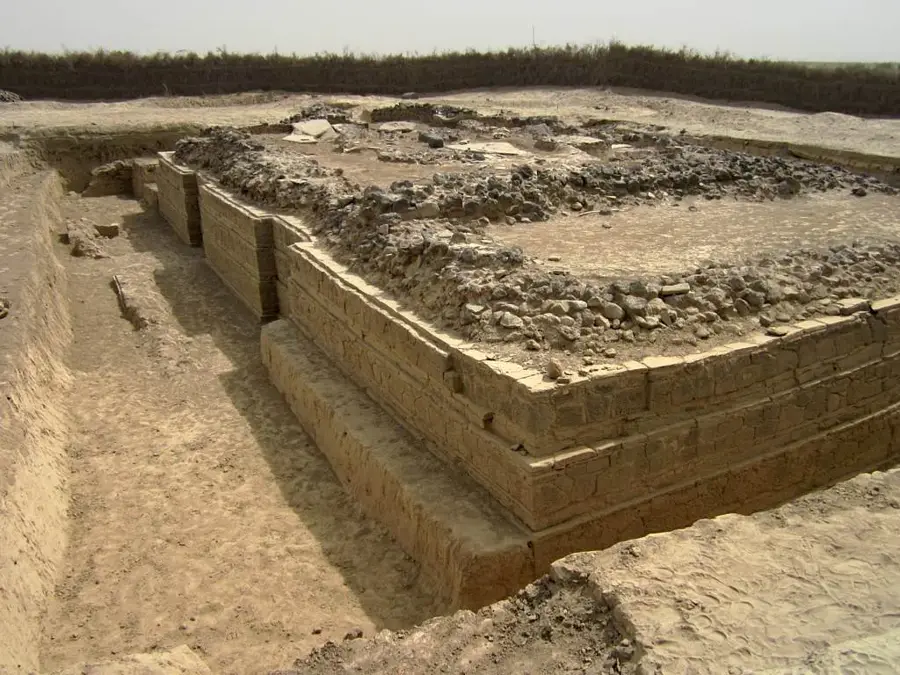
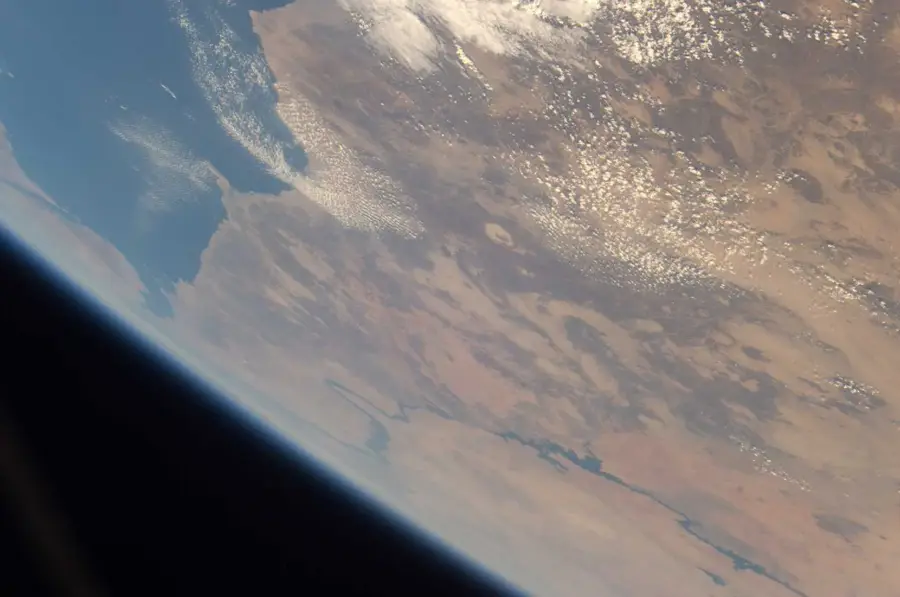
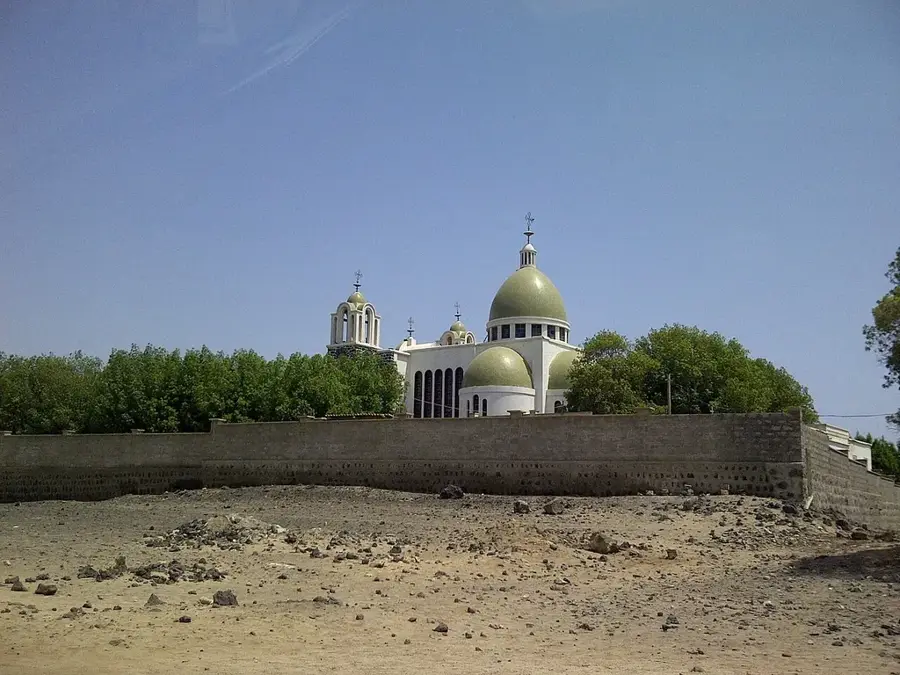
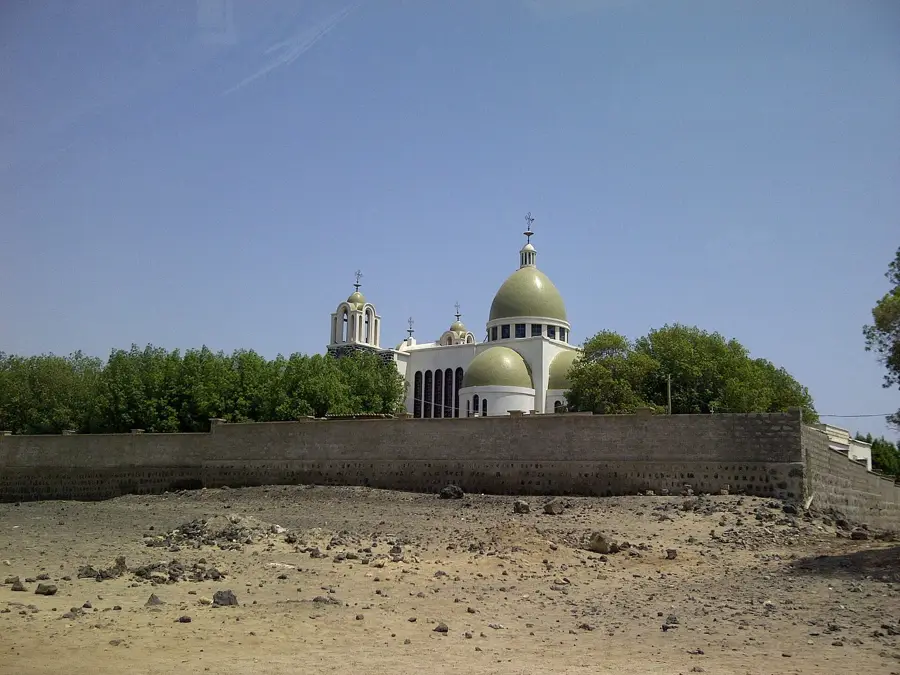
The Zula Bay lowland, historically known as Annesley Bay, is a geologically fascinating coastal plain on the Red Sea. The relief is characterized by flat salt pans, sandy coastal strips, and the estuaries of seasonal rivers from the highlands. Geomorphologically, the bay forms the northern termination of the Afar Rift, where tectonic forces have subsided the ground below sea level. The region is of great historical significance, as it houses the ruins of the ancient port city of Adulis, which was once a major center of the Aksumite Empire. In modern times, the bay served as a strategic landing point during the British expedition against Ethiopia in 1868. The surrounding landscape is barren and hot, yet it gives unique insights into the interaction between marine deposits and terrestrial erosion at the edge of an active rift valley.

Best time to visit & climate

The most pleasant time to visit is Feb, Oct, Nov.

JanFebMarAprMayJunJulAugSepOctNovDec
Avg °C192122242626252424222119
Rain mm121515392014657823121213

📋 Practical info

🧭
Getting there
The Zula Bay Lowland in Eritrea is typically accessible via coastal roads and local tracks, often starting from nearby smaller settlements or fishing villages along the Red Sea coast. A typical starting point might be one of the larger settlements in the region, from where further explorations can be organized with local assistance. Exact accessibility often depends on local infrastructure and weather conditions, especially during the rainy season, so it is advisable to inquire about the best routes beforehand.
📅
Best season
The best time to visit the Zula Bay Lowland is typically outside the hottest summer months and the main rainy season, generally from October to April, when temperatures are milder and humidity is lower. During these months, conditions are most pleasant for explorations and outdoor activities. However, the region can be visited year-round, though travelers should pay increased attention to sun protection and hydration in hotter months, as coastal proximity can result in high humidity.
⛰️
Terrain & paths
The terrain in the Zula Bay Lowland, as its name suggests, is predominantly flat to gently undulating and characterized by coastal features. Sandy stretches, salt flats, and occasionally swampy or muddy areas near the water may be encountered. Paths are often unpaved or mere tracks, making sturdy footwear advisable. Exploration can become more challenging off the beaten path or after rainy periods, which can soften the ground. Navigation is generally straightforward.
🎒
What to bring
For a visit to the Zula Bay Lowland, light, breathable clothing and a wide-brimmed hat are recommended for protection against the intense sun. Sturdy, comfortable footwear is important for the uneven or sandy paths. Ample drinking water, high SPF sunscreen, and insect repellent, especially near water, should definitely be carried. Binoculars for birdwatching and a camera for landscape photography are also good companions. A small first-aid kit is always advisable for your trip.
🅿️
Parking
As the Zula Bay Lowland is a rather natural region, there are typically no designated, formal parking areas. Vehicles can often be parked on the side of local tracks or near smaller settlements or villages that serve as starting points. It is advisable to inquire locally about safe parking options or consult with local guides. A nearby larger town with better infrastructure could serve as a base from which excursions are launched. Parking facilities are typically informal and limited.
⚠️
Safety
When visiting the Zula Bay Lowland, travelers should take precautions regarding intense sun exposure and high temperatures to avoid dehydration and sunstroke. It is also advisable to inquire about potential local wildlife, such as snakes or scorpions, and exercise appropriate caution. Swimming in the bay should only be done in safe, known areas, as tidal currents and underwater hazards can occur. Always inform someone about your plans, especially for longer explorations, as the region is sparsely populated. Communication can be limited in some areas.
⏱️
Time needed
The typical duration of a visit to the Zula Bay Lowland can vary greatly depending on planned activities; a simple exploration of the coastal area might take two to four hours. For more extensive walks, birdwatching, or reaching more remote sections, one should plan for half to a full day. Those wishing to experience the tranquility and nature intensely might even consider an overnight stay, although official accommodation options are rare. The length of stay largely depends on personal interests. It is a good option for a shorter visit.

Geography

Coordinates
15.10000, 39.70000

Facts

  • The bay extends approximately 40 kilometers deep into the mainland.
  • The ancient city of Adulis is located about 4 kilometers from the coast.
  • This is where the African and Arabian tectonic plates meet.
  • The region was used as a base for 13,000 British soldiers in 1868.
  • Mangrove forests are found in places along the shallow coastline.
  • Volcanic activities are visible through nearby cinder cones.

Explore nearby

Notable places around

Route planner — Car & Motorhome

Where do you start? We build the route here, with stops and country notes along the way.

Vehicle
Only stops with (optional):

© OpenStreetMap contributors · OpenRouteService

Sights nearby

Frequently asked questions

Is Zula Bay known for tourism?
It is a low-key spot for nature and history enthusiasts.
How can one get there?
Best by 4x4 vehicle starting from Massawa.
When is the best season?
Winter months for more pleasant temperatures.
Is camping possible there?
Wild camping is possible with appropriate precautions.
Are there nearby ruins?
Yes, significant archaeological sites can be found near Adulis.
Zula Bay Lowland: where is it located?
Zula Bay Lowland is located in Eritrea.
Zula Bay Lowland: when is the best time to visit?
The most pleasant time to visit is Feb, Oct, Nov.
Zula Bay Lowland: why is it worth visiting?

The Zula Bay lowland, historically known as Annesley Bay, is a geologically fascinating coastal plain on the Red Sea.
View on map → The Top 50 Attractions → OpenStreetMap →
Africa
Explore with Plizio Discover more places in Africa
More places in Eritrea →

Nearby cities

History & landmarks

More places