Plizio Visual Lab
Suez Agricultural Zone
Weather…
Water temperature…
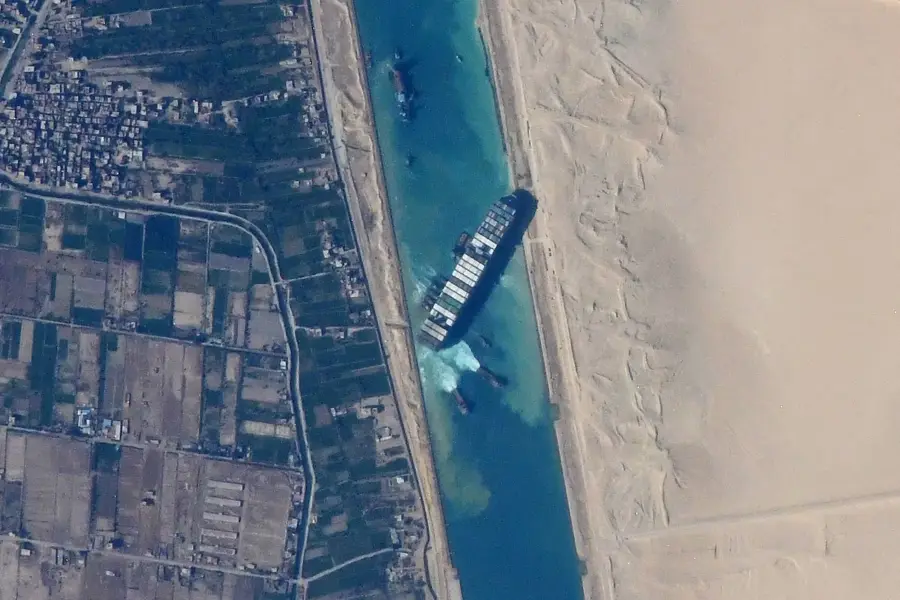
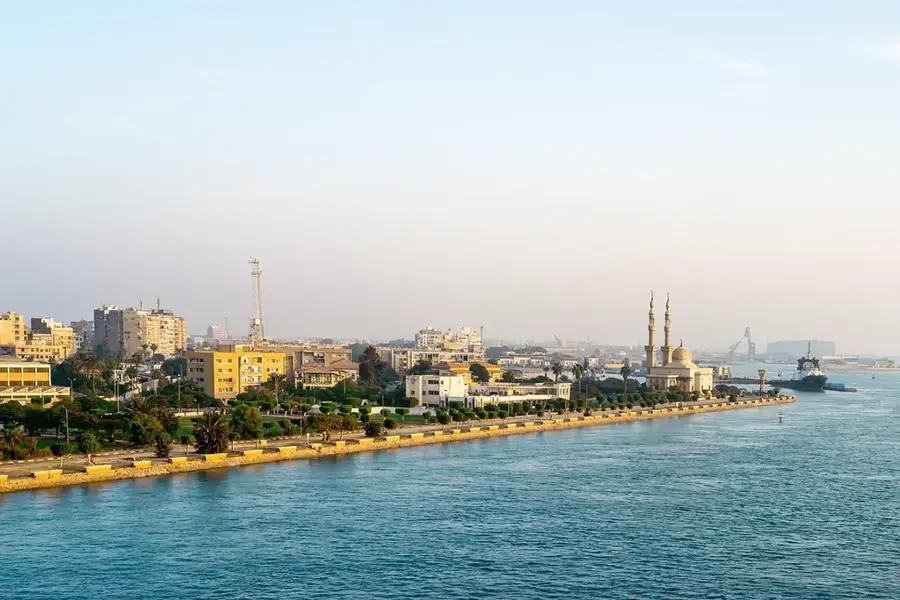
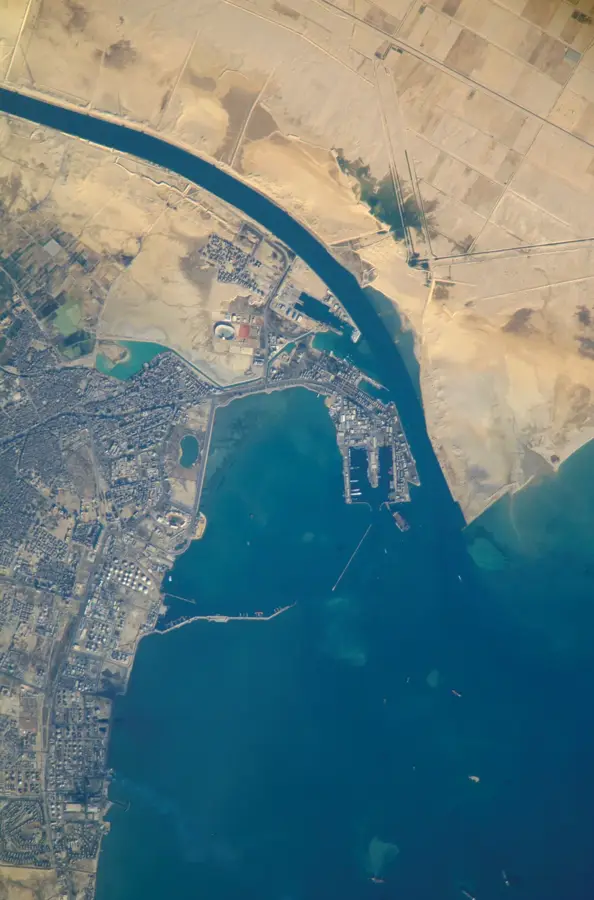
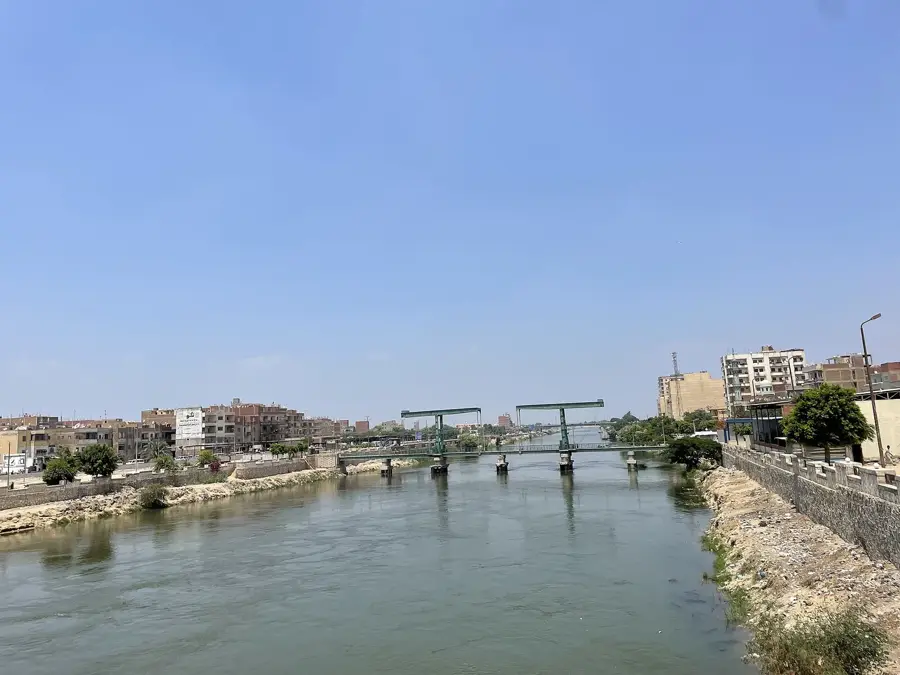
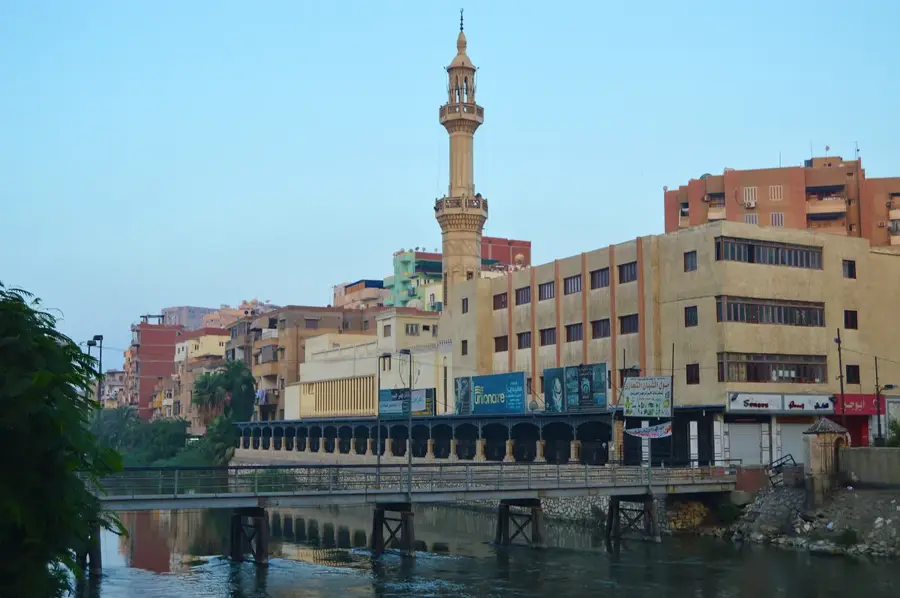
The Suez Canal agricultural zone is an impressive example of modern land reclamation in a formerly barren desert landscape. Geographically, this zone extends along the banks of the canal and is primarily supplied with Nile water through the Ismailia Canal. Since the mid-20th century, massive investments have been made to reclaim vast areas for cultivating citrus fruits, mangoes, and strawberries, which now constitute an important part of Egypt's agricultural exports. The combination of intense sunshine and controlled irrigation enables high yields and multiple harvests per year. Historically, the development of this area was closely linked to the construction and expansion of the Suez Canal to ensure supplies for the canal cities and the workers stationed there. Today, these agricultural lands play a key role in Egypt's food security and provide jobs for thousands of people. Advanced technologies such as drip irrigation are increasingly used to utilize water resources efficiently. The zone is also a vital corridor for establishing new agricultural communities intended to reduce population pressure from the Nile Valley. The project illustrates the country's ability to create habitats in the desert through engineering.
Explore on the map
How well do you know Egypt?
Find cities, landscapes and regions in 10 varied challenges on the interactive map.
Your journey, your memory
A postcard from Suez Agricultural Zone
Turn your own photo into a personal postcard with a local stamp. Free and no sign-up required.
Create a postcard- Location: Egypt
- Nearby: Ismailia (11 km)
Best time to visit & climate
The most pleasant time to visit is Apr, Oct, Nov.
| Jan | Feb | Mar | Apr | May | Jun | Jul | Aug | Sep | Oct | Nov | Dec | |
|---|---|---|---|---|---|---|---|---|---|---|---|---|
| Avg °C | 12 | 14 | 17 | 20 | 24 | 27 | 29 | 29 | 27 | 23 | 19 | 14 |
| Rain mm | 11 | 11 | 9 | 10 | 1 | 1 | 1 | 0 | 0 | 4 | 9 | 7 |
📋 Practical info
Geography
Facts
- The zone is primarily irrigated via the Ismailia Canal.
- Mango plantations in this region are among the most productive in the country.
- Land reclamation projects have turned over 200,000 hectares of desert green since 1950.
- The region benefits from direct access to the canal's export routes.
- Annual mango production in Ismailia province often reaches 100,000 tons.
- Modern drip irrigation reduces water consumption by up to 40%.
Explore nearby
Notable places around
Route planner — Car & Motorhome
Where do you start? We build the route here, with stops and country notes along the way.
© OpenStreetMap contributors · OpenRouteService
Sights in the town Suez Agricultural Zone (1)
Sights nearby
Frequently asked questions
What is grown in the Suez agricultural zone?
How is the land irrigated here?
Can you see the ships from the fields?
Are there visitor centers available?
How important is the zone for Egypt?
Suez Agricultural Zone: where is it located?
Suez Agricultural Zone: when is the best time to visit?
Suez Agricultural Zone: why is it worth visiting?
Nearby cities
History & landmarks
More places