Plizio Visual Lab

Luxor Temple

Plizio editorial teamData Sources
Historical site
—°3
Luxor Temple (Egypt)

Weather…

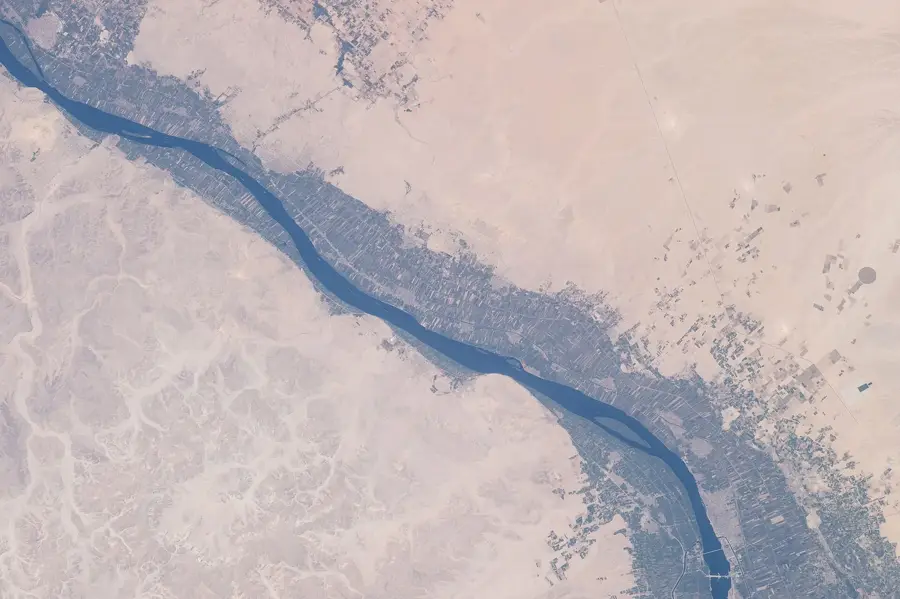
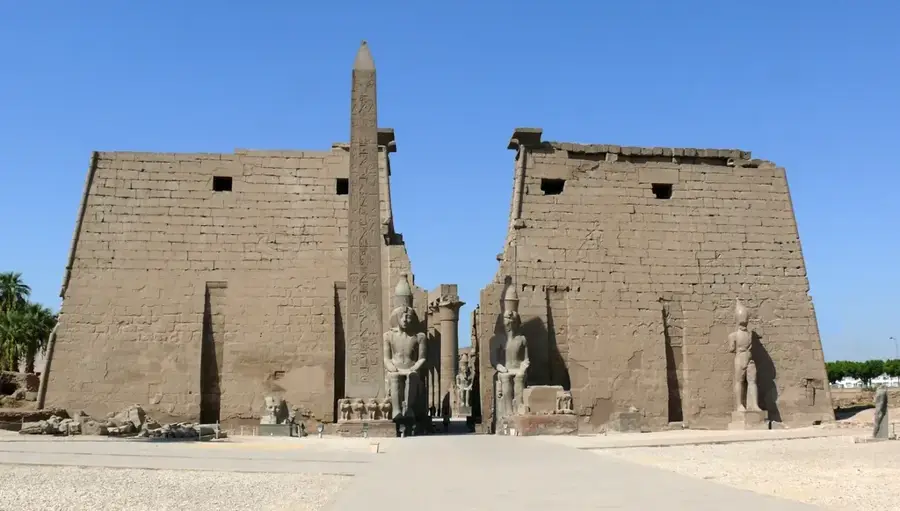
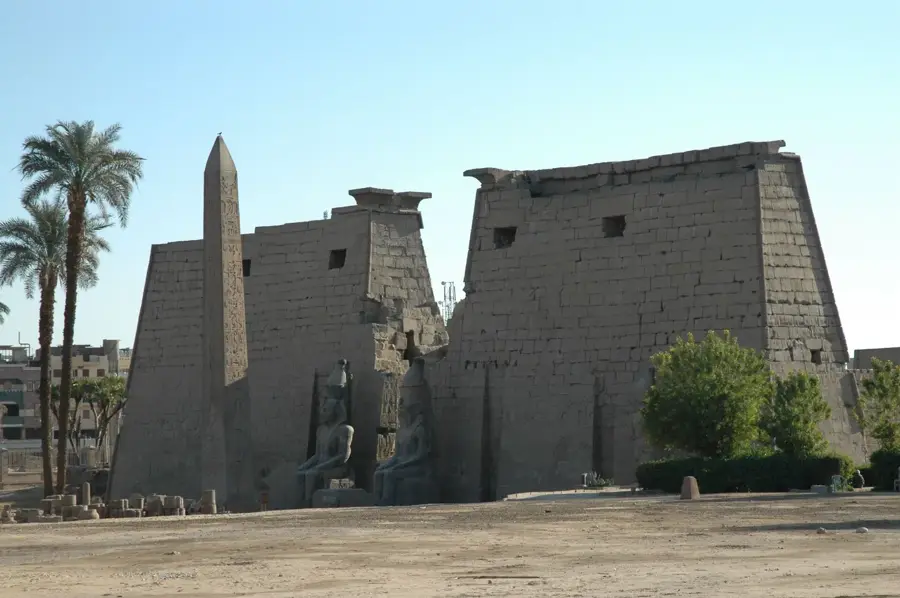
Luxor Temple, located in the heart of modern-day Luxor on the east bank of the Nile, was founded around 1400 BC during the 18th Dynasty. Primary construction was carried out by Amenhotep III and later expanded by Ramses II, who added the massive entrance pylon and colossi. Unlike other temples in Thebes, it was not dedicated to a specific god but to the rejuvenation of kingship during the annual Opet Festival. During this celebration, statues of Amun, Mut, and Khonsu were transported from Karnak Temple to Luxor in a grand procession. The temple features a grand colonnade, a sun court, and a sanctuary later refurbished by Alexander the Great. At the entrance, a 25-meter granite obelisk remains, while its twin now stands in the Place de la Concorde in Paris. The site is unique for its continuous religious use, housing a Coptic church and the functioning Abu Haggag Mosque, which was built atop the ancient ruins during the 13th century.

Best time to visit & climate

The most pleasant time to visit is Mar, Apr, Nov.

JanFebMarAprMayJunJulAugSepOctNovDec
Avg °C131620252932333330262015
Rain mm100000000000

📋 Practical info

🚪
Visiting
This elegantly proportioned ancient site is remarkably well-preserved, granting excellent access to walk among the monumental statues of Ramses II and the expansive colonnades. Almost all the major inner and outer courtyards are fully open to public exploration on foot.
🕒
Typical hours
It typically features extended opening times that last well into the late evening, functioning smoothly from early morning to night. Visiting after sunset is incredibly popular because the entire complex is beautifully illuminated by carefully placed, dramatic spotlights.
📷
Photography
Outstanding photography is easily achievable here, especially capturing the massive seated statues and the towering obelisk framing the entrance facade. Nighttime photography yields exceptionally dramatic results, though you may need special permission if utilizing heavy tripod setups.
⏱️
Time needed
Exploring this slightly more compact site usually requires about an hour or perhaps an hour and a half to absorb the rich architectural details. The straightforward layout allows for a very comprehensive visit without feeling too exhausting or severely rushed.
Combine with
Due to its central urban location, it flawlessly pairs with an evening stroll along the lively Nile Corniche or a visit to the bustling local souk. Following the ancient Avenue of Sphinxes provides a direct walking route to the magnificent structures at Karnak.
🧭
Getting there
The temple is situated right in the very heart of the modern city, making it incredibly simple to reach on foot from most downtown hotels and cruise docks. Its prominent location right next to the river requires practically no complicated transportation arrangements to locate.
💡
Insider tip
Arriving in the late afternoon allows you to experience the temple in daylight, enjoy the spectacular sunset over the Nile, and witness the magical evening illuminations. The juxtaposition of ancient Egyptian columns alongside a functioning mosque is a unique architectural highlight.

Geography

Coordinates
25.69950, 32.63940

Facts

  • Founded around 1400 BC by Pharaoh Amenhotep III
  • Two 15-meter seated statues of Ramses II flank the entrance
  • The missing twin obelisk was gifted to France in 1836
  • Alexander the Great built a sanctuary in the heart of the temple
  • The Avenue of Sphinxes originally held 1,350 statues
  • The Abu Haggag Mosque was constructed on the site in the 1200s

Explore nearby

Notable places around

Route planner — Car & Motorhome

Where do you start? We build the route here, with stops and country notes along the way.

Vehicle
Only stops with (optional):

© OpenStreetMap contributors · OpenRouteService

Sights in the town Luxor Temple (3)

Nut Art Store & Kaffee🏛 museum

Combining a relaxing cafe setting with curated art displays, this cultural hub showcases traditional Egyptian craftsmanship and contemporary local paintings.

🕒 Mo-Su 10:00-22:00

Luxor Temple📍 landmark

This UNESCO-listed attraction stands majestically in the city center, renowned for its massive pylon built by Ramesses II and the grand colonnade of Amenhotep III.

Chapel of Serapis🏺 historical

These temple ruins preserve the mud-brick and stone remnants of a small Roman-era chapel dedicated to the syncretic Greco-Egyptian deity Serapis.

Sights nearby

Frequently asked questions

Is Luxor Temple open at night?
Yes, it is illuminated and often open until 9 PM or 10 PM.
Where is the temple located?
In the heart of Luxor city center, right on the Nile bank.
What is the Avenue of Sphinxes?
A 3km long road lined with sphinxes connecting Luxor and Karnak temples.
Is there shade in the temple?
There is little natural shade; evening visits are much cooler.
How much time is needed?
About 1 to 1.5 hours are enough to explore the site.
Luxor Temple: where is it located?
Luxor Temple is located in Egypt.
Luxor Temple: what is there to see?
Highlights include Nut Art Store & Kaffee, Luxor Temple, Chapel of Serapis.
Luxor Temple: when is the best time to visit?
The most pleasant time to visit is Mar, Apr, Nov.
Luxor Temple: why is it worth visiting?
Luxor Temple, located in the heart of modern-day Luxor on the east bank of the Nile, was founded around 1400 BC during the 18th Dynasty.
View on map → The Top 50 Attractions → OpenStreetMap →
Africa
Explore with Plizio Discover more places in Africa
More places in Egypt →

Nearby cities

More places