Plizio Visual Lab
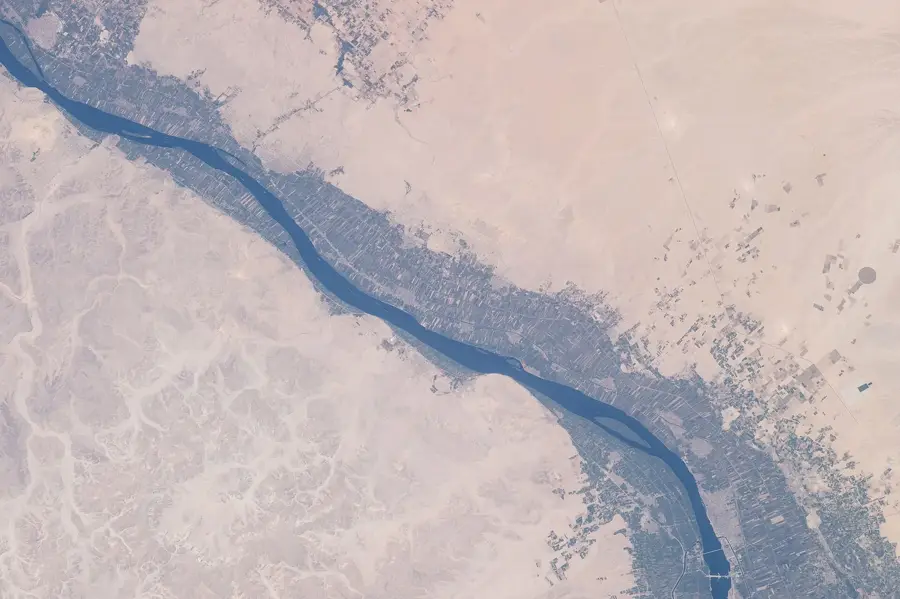
Qena Fruit and Vegetable Fields
Weather…
Water temperature…
The fruit and vegetable fields of Qena province are located in a characteristic bend of the Nile and are known for their high productivity of tomatoes and sugar cane. Due to the hot climate and direct proximity to the river, several harvests per year can be achieved, making the region a key player in Egypt's agricultural economy. The fields benefit from mineral-rich soils that are ideally suited for the cultivation of heat-loving crops. In addition to food production, Qena is also known for its traditional pottery, with clay extracted directly from the Nile silt. Nearby are significant historical monuments such as the Temple of Dendera, illustrating the deep historical roots of the region. Modern irrigation projects aim to make the desert fringes arable, thus increasing the cultivated areas. The harmonious connection of agriculture and cultural heritage makes Qena a distinctive part of the Nile Valley. The region also serves as an important trade link between the Nile Valley and the Red Sea.
Explore on the map
How well do you know Egypt?
Find cities, landscapes and regions in 10 varied challenges on the interactive map.
Your journey, your memory
A postcard from Qena Fruit and Vegetable Fields
Turn your own photo into a personal postcard with a local stamp. Free and no sign-up required.
Create a postcard- Location: Egypt
- Highlights: South palace at Deir el-Ballas · North Palace at Deir el-Ballas
- Nearby: Qena (7 km)
Best time to visit & climate
The most pleasant time to visit is Mar, Apr, Nov.
| Jan | Feb | Mar | Apr | May | Jun | Jul | Aug | Sep | Oct | Nov | Dec | |
|---|---|---|---|---|---|---|---|---|---|---|---|---|
| Avg °C | 14 | 16 | 20 | 25 | 30 | 32 | 33 | 33 | 30 | 27 | 20 | 15 |
| Rain mm | 1 | 0 | 0 | 0 | 0 | 0 | 0 | 0 | 0 | 0 | 0 | 0 |
📋 Practical info
Geography
Facts
- Qena is famous for its juicy winter tomatoes.
- The region produces about 30% of Egyptian sugar.
- The Nile makes a distinctive 180-degree turn here.
- Irrigation is carried out via the Naga Hammadi Dam.
- Qena is a hub for trading agricultural products.
- The clay soils are ideal for making traditional water jars.
Explore nearby
Notable places around
Route planner — Car & Motorhome
Where do you start? We build the route here, with stops and country notes along the way.
© OpenStreetMap contributors · OpenRouteService
Sights in the town Qena Fruit and Vegetable Fields (2)
Sights nearby
Frequently asked questions
What makes the fields of Qena so fertile?
Which vegetables are grown here?
Are there fruit orchards in Qena?
How far is it from the fields to the Dendera Temple?
Can you buy agricultural products directly from the farmer?
Qena Fruit and Vegetable Fields: where is it located?
Qena Fruit and Vegetable Fields: what is there to see?
Qena Fruit and Vegetable Fields: when is the best time to visit?
Qena Fruit and Vegetable Fields: why is it worth visiting?

Nearby cities
More places