Plizio Visual Lab
Abu Tij

ℹ️Practical info — Abu Tij
▾
🌤 Weather — 5 days
📍 Nearby
Sights nearby
💡 Tips
- The town is famous for the twin minarets of the El-Fargali Mosque; it is a major landmark.
- If visiting during the Mulid (festival) of El-Fargali, expect huge crowds and spirited street festivities.
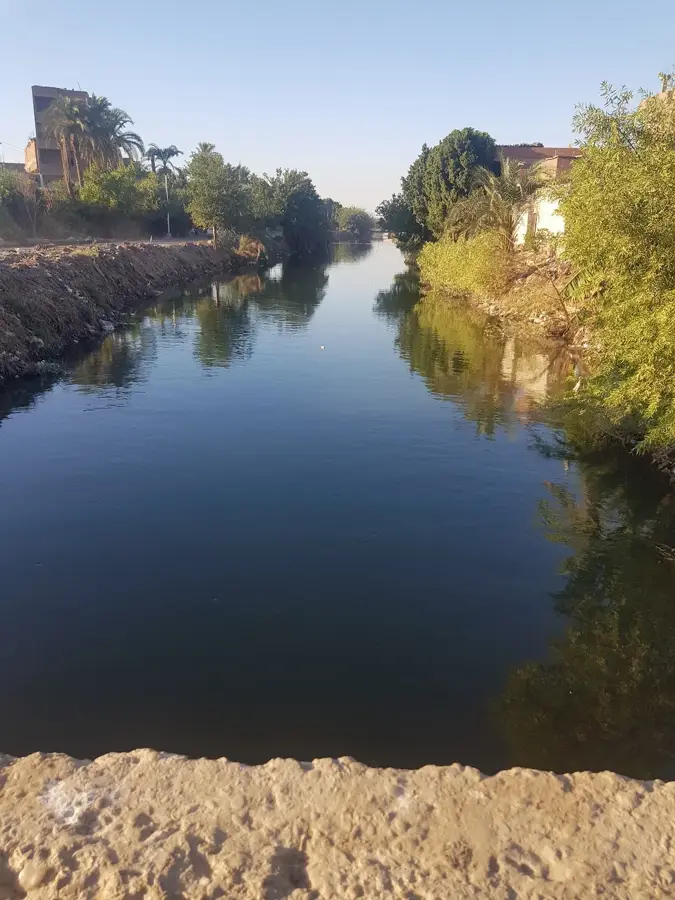
- Boat rides on the Nile can often be negotiated with local fishermen at the riverbank.
- Microbuses connect the town to Asyut; travel during daylight hours for convenience.
🍽 Food
Enjoy fresh fish caught directly from the Nile, grilled with herbs at simple riverside restaurants.
Try this thick, sun-leavened Upper Egyptian sourdough bread found in traditional bakeries.
Sample local variations of Basbousa and Kunafa at sweet shops near the town center.
🛍 Shopping · 🧘 Quiet spots
The bustling streets around the main mosque are excellent for buying traditional clothing and religious items.
Find sturdy, unglazed clay pots and water jugs (olla) crafted by local artisans.
Take a leisurely walk along the paved riverside promenade in the late afternoon for cool breezes.
Outside of prayer times, the courtyards of smaller historical mosques offer a peaceful retreat from the streets.
Water temperature…
Abu Tij is a historical city in the Assiut Governorate of Upper Egypt, situated on the western bank of the Nile. The city is widely renowned for the magnificent mosque of the Sufi saint Ahmed El-Farghal, which serves as a major pilgrimage destination and an architectural landmark of the town. Abu Tij has a long-standing tradition as a commercial hub for agricultural products such as grains, cotton, and pomegranates, which flourish on the fertile soils of the Nile Valley. Geographically, it is located in an area inhabited since Pharaonic times, acting as a bridge between the southern provinces and the central Nile Valley. The local economy is characterized by small-scale industries and modern agricultural processing. Despite ongoing modernization, Abu Tij has maintained its traditional Upper Egyptian charm, reflected in its bustling markets and the warm hospitality of its residents. The city remains a cultural and religious center in the heart of Upper Egypt.
Explore on the map
How well do you know Egypt?
Find cities, landscapes and regions in 10 varied challenges on the interactive map.
Your journey, your memory
A postcard from Abu Tij
Turn your own photo into a personal postcard with a local stamp. Free and no sign-up required.
Create a postcard- Location: Egypt
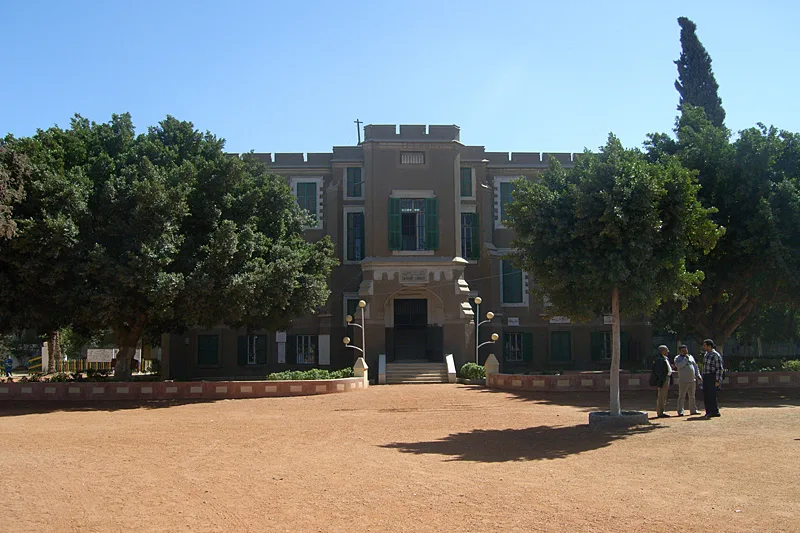
- Highlights: Abu Tig Religious Celebration · Evangelical Church Abu Tig
- Nearby: Asyut (20 km)
- Population: ~105.418 (2025)
Best time to visit & climate
The most pleasant time to visit is Mar, Apr, Nov.
| Jan | Feb | Mar | Apr | May | Jun | Jul | Aug | Sep | Oct | Nov | Dec | |
|---|---|---|---|---|---|---|---|---|---|---|---|---|
| Avg °C | 13 | 15 | 19 | 24 | 28 | 31 | 32 | 32 | 29 | 25 | 19 | 14 |
| Rain mm | 1 | 1 | 0 | 0 | 0 | 0 | 0 | 0 | 0 | 0 | 0 | 0 |
Geography
Facts
- The El-Farghal Mosque is one of the most prominent Sufi sites in Upper Egypt.
- Abu Tij is famous for the high quality of pomegranates grown in the region.
- The city is located approximately 20 kilometers south of the provincial capital, Assiut.
- The name Abu Tij likely derives from the Coptic word 'Apothika', meaning storehouse.
- The current population of the city is estimated to be around 80,000 residents.
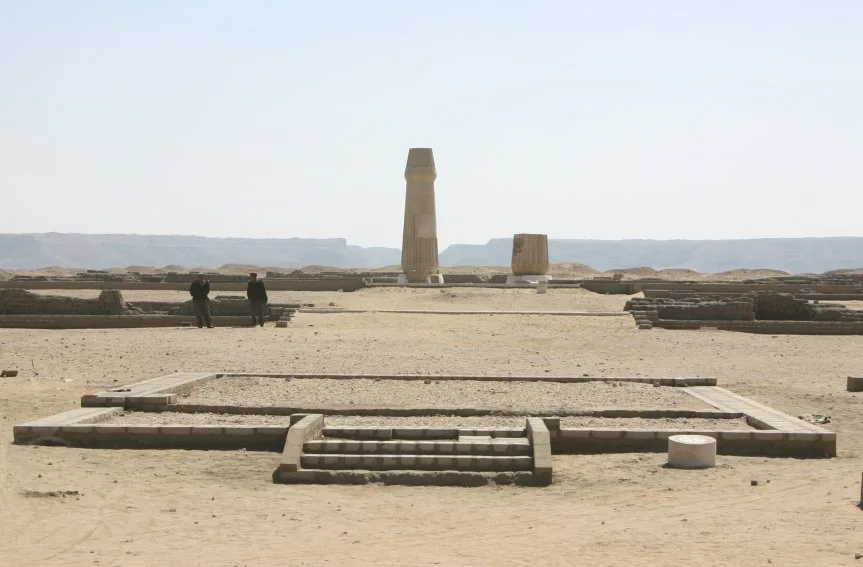
- Tombs from the Late Period of Ancient Egypt have been discovered in the vicinity.
Explore nearby
Notable places around

Route planner — Car & Motorhome
Where do you start? We build the route here, with stops and country notes along the way.
© OpenStreetMap contributors · OpenRouteService
Sights in the town Abu Tij (2)
Frequently asked questions
What is the most famous building in Abu Tig?
Where is Abu Tig located?
What is the economic basis of the city?
When is the best time to visit?
Are there hotels on-site?
Abu Tij: where is it located?
Abu Tij: what is there to see?
Abu Tij: when is the best time to visit?
Abu Tij: why is it worth visiting?