Plizio Visual Lab

Salinas Salt Production

Plizio editorial teamData Sources
Industrial site
—°12
Salinas Salt Production (Ecuador)

Weather…

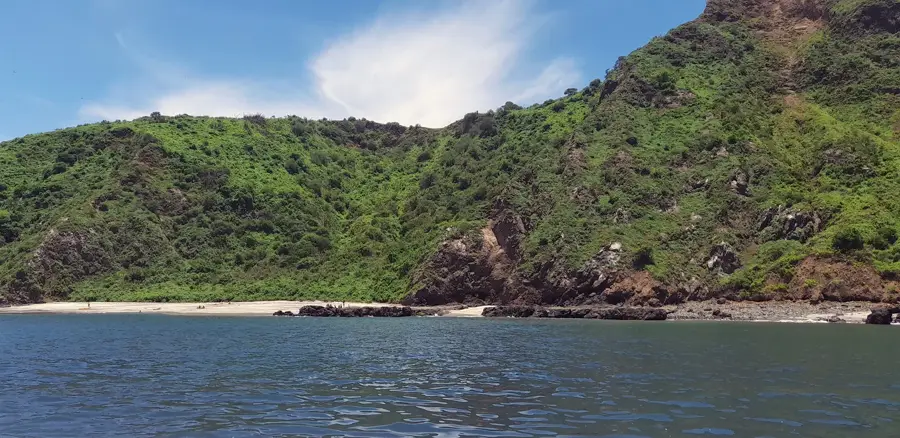
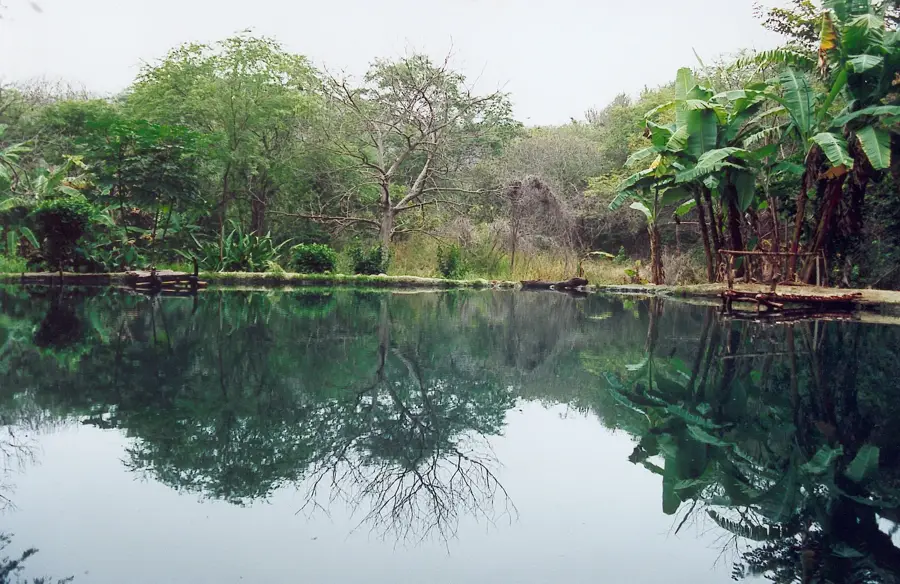
Salt production in Salinas, located on the coast of the Santa Elena province, is a historical industry with roots dating back to pre-Columbian civilizations. Currently, industrial production is led by the company Ecuasal, which operates expansive solar evaporation ponds directly adjacent to the Pacific Ocean. The extraction process relies on the region's intense solar radiation and consistent coastal winds to evaporate seawater, leaving behind concentrated salt crystals. These crystals are harvested, purified, dried, and fortified with iodine and fluorine for human consumption and various industrial uses. The Salinas salt flats are not only a vital economic asset meeting Ecuador's domestic demand but also serve as a crucial ecological sanctuary for migratory birds, including Andean flamingos. The industrial complex features advanced milling facilities and packaging centers that facilitate distribution throughout the country. The sea salt produced here is highly regarded for its purity and the environmentally friendly, natural method of its extraction.

Best time to visit & climate

The most pleasant time to visit is Aug–Oct.

JanFebMarAprMayJunJulAugSepOctNovDec
Avg °C242525242322212121212223
Rain mm61136140592152113313

📋 Practical info

🏭
What is this place?
Salinas Salt Production consists of traditional salt pans on the coast of Salinas, Ecuador. Sea salt is extracted here through solar evaporation, a centuries-old craft shaping the local economy.
🚪
Visiting
The salt pans are generally accessible to visitors; many facilities are visible from adjacent roads. Some producers offer short guided tours to explain the evaporation process.
👀
Where to view it
A well-suited viewpoint is the small hill along Avenida General Enríquez Gallo. From there, you look over the geometric basins of the salt pans to the Pacific Ocean.
🧺
Local products
The pans produce various salt types, including fine table salt and coarse sea salt, available in local shops and the Salinas market. Seasonal specialties include herb-flavored salts.
📆
Active season
Salt extraction is most intense during the dry season from June to December, when evaporation is highest. At that time, the basins are covered with crystals, offering an impressive sight.
Nearby
Combine the salt pans visit with Salinas city center and nearby Chipipe beach. The lighthouse and marine aquarium are also worthwhile day trip destinations.

Geography

Coordinates
-2.21500, -80.95700

Facts

  • The Salinas salt flats supply nearly 90% of Ecuador's domestic table salt requirements.
  • The extraction cycle from pond flooding to final harvest takes several months to complete.
  • The Ecuasal company was formally established in 1961.
  • The evaporation ponds are a significant habitat for pink flamingos during migration.
  • In addition to table salt, industrial salt is produced for the oil and textile industries.
  • The salt production facility covers an area spanning several hundred hectares.

Explore nearby

Notable places around

Route planner — Car & Motorhome

Where do you start? We build the route here, with stops and country notes along the way.

Vehicle
Only stops with (optional):

© OpenStreetMap contributors · OpenRouteService

Sights in the town Salinas Salt Production (12)

Museo de Ballenas (appointment required)🏛 museum

Accessible by appointment, this specialized museum exhibits large whale skeletons and educational displays about the marine mammals of the Pacific coast.
🕒 Mo-Su 07:00-22:00

Loberia🌿 nature

Positioned along the rocky shoreline, this natural viewpoint provides excellent opportunities to observe sea lions basking in their coastal habitat.

Mirador La Puntilla🌿 nature

Located at the extreme western tip of the peninsula, this viewing platform provides panoramic perspectives where the powerful ocean currents collide.

San Lorenzo🎡 recreation

As the animated main beach of the city, this expansive strip of golden sand is densely lined with high-rise hotels and bustling waterfront restaurants.

Chipipe🎡 recreation

Known for its calmer waters and wider sands, this popular bay gives a family-friendly swimming environment adjacent to the local yacht club.

Mar Bravo🎡 recreation

Characterized by strong undertows and crashing Pacific breakers, this long stretch of unprotected sand is a favored spot for dramatic sunset photography.

Reserva de Producción de Fauna Puntilla de Santa Elena🌿 nature

Protecting the extreme western point of the mainland, this marine and coastal reserve is a crucial sanctuary for nesting sea turtles and migrating whales.

Capilla⛪ religious

This small, unpretentious chapel near the salt flats provides the local coastal community with a quiet, reflective space for everyday prayer.

Capilla Católica San Judas Tadeo | Salinas📍 landmark

Dedicated to the patron saint of lost causes, this Catholic sanctuary in Salinas draws regular congregations for its traditional weekend masses.

Santuario Católico San José | Salinas📍 landmark

Featuring classic religious architecture, this prominent Catholic sanctuary in the heart of Salinas celebrates grand processions honoring Saint Joseph.

Pedro José📍 landmark

Situated within the city's lively neighborhoods, this local Christian site has spiritual services and community support to the residents of Salinas.

Artisan Market🎭 culture

The Artisan Market in Salinas is a spirited marketplace where vendors sell handmade Ecuadorian crafts and souvenirs.

Sights nearby

Frequently asked questions

Where does the salt in Salinas come from?
It is extracted from underground salt springs in the highlands of Bolívar province.
Can the salt mines be visited?
Yes, in Salinas de Guaranda visitors can see the traditional extraction process.
What is special about this place?
The community is a model for successful cooperative economics (Salinerito).
What else can be purchased there?
In addition to salt, chocolate, cheese, and wool products are very well known.
What is the climate like there?
It is cool and often foggy, as it is located at an altitude of over 3,500 meters.
Salinas Salt Production: where is it located?
Salinas Salt Production is located in Ecuador.
Salinas Salt Production: what is there to see?
Highlights include Museo de Ballenas (appointment required), Loberia, Mirador La Puntilla.
Salinas Salt Production: when is the best time to visit?
The most pleasant time to visit is Aug, Oct.
Salinas Salt Production: why is it worth visiting?
Salt production in Salinas, located on the coast of the Santa Elena province, is a historical industry with roots dating back to pre-Columbian civilizations.
View on map → The Top 50 Attractions → OpenStreetMap →
South America
Explore with Plizio Discover more places in South America
More places in Ecuador →

Nearby cities

More places