JelenFest
At Silesian Ostrava Castle, the festival pairs a late-summer concert programme with a historic setting.
PlizioGo
The iconic local brew. Enjoy a fresh pint in one of the traditional pubs around Masaryk Square.
Look for roasted pork, cabbage, and dumplings in traditional Czech restaurants in the city center.
Traditional Czech open-faced sandwiches. Well-suited for a quick snack from local delis in the downtown area.
A massive, modern shopping and entertainment complex located in the heart of Ostrava.
Often held in the city center or near Futurum; great for buying regional produce, cheeses, and artisanal goods.
One of the largest urban parks in the country, stretching along the Ostravice river with wide paths and old trees.
Hike up this conical, still-smoking artificial hill for a quiet, panoramic view over the industrial city.
Located outside the main center, this vast green area also hosts a mining museum and is first-rate for a peaceful walk.
Water temperature…
At Silesian Ostrava Castle, the festival pairs a late-summer concert programme with a historic setting.
The festival at Kulturní centrum Provoz presents an alternative late-August cultural programme with performances and concerts.
The international folklore festival fills multiple Ostrava venues with dance, music and ensembles from different countries.
At Sportovní areál Poruba, international fire-service teams compete across multiple fire sports disciplines.
A large specialist market for animal and breeding enthusiasts takes place at the Černá louka fairgrounds.
Major international music festival in July at the Dolní Vítkovice industrial site, featuring world stars across many genres.
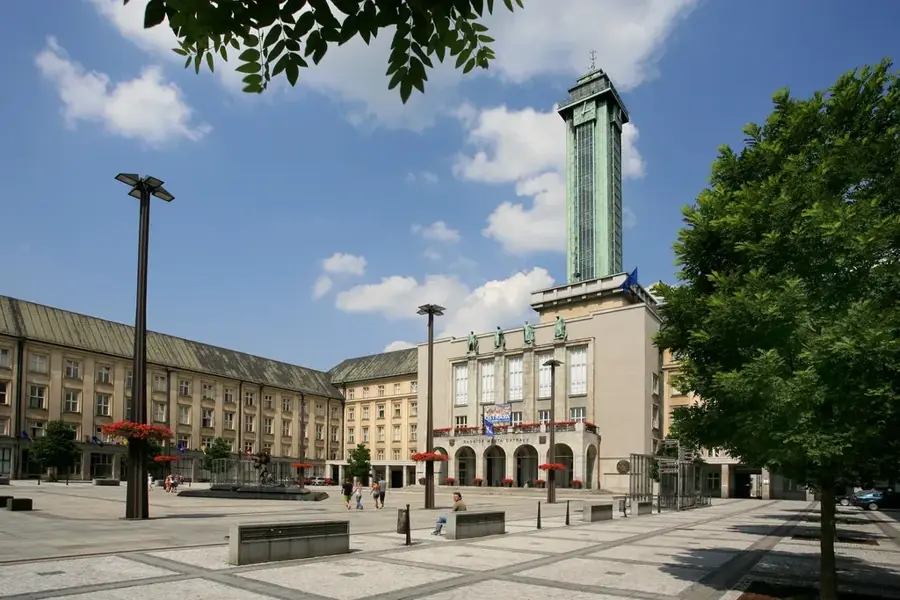
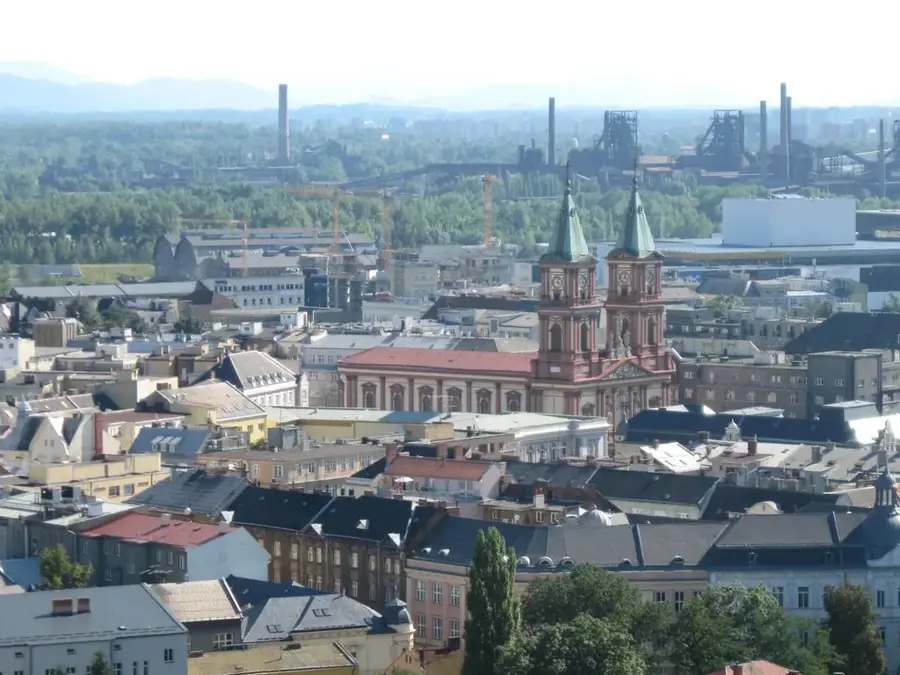
Ostrava, the third-largest city in the Czech Republic, is located in the northeast of the country near the Polish border. Historically, the city served as the industrial heart of Central Europe for centuries, dominated by intensive coal mining and ironworking. The Lower Vítkovice (Dolní Vítkovice) site, a former ironworks with blast furnaces and a coking plant, has been transformed into a unique cultural monument and is part of the European Cultural Heritage. Since the cessation of mining in 1994, Ostrava has undergone a massive structural shift toward becoming a modern university and service-oriented city. Culturally, Ostrava is famous for the 'Colours of Ostrava' music festival, held within the impressive industrial setting. The New City Hall and its lookout tower offer sweeping views extending as far as the Beskids. The city is a major transportation hub and the administrative center of the Moravian-Silesian Region. Despite its industrial past, Ostrava now features numerous green spaces and modern architectural projects.
Explore on the map
Find cities, landscapes and regions in 10 varied challenges on the interactive map.
Your journey, your memory
Turn your own photo into a personal postcard with a local stamp. Free and no sign-up required.
Create a postcardThe most pleasant time to visit is Jun–Aug.
| Jan | Feb | Mar | Apr | May | Jun | Jul | Aug | Sep | Oct | Nov | Dec | |
|---|---|---|---|---|---|---|---|---|---|---|---|---|
| Avg °C | -3 | -2 | 3 | 9 | 14 | 18 | 20 | 20 | 15 | 9 | 4 | -1 |
| Rain mm | 52 | 46 | 50 | 51 | 94 | 93 | 96 | 77 | 79 | 60 | 50 | 48 |
See what it looks like near Ostrava right now.
Ostrava › South: Dubina · 1.4 km · Open webcam on Windy · Webcams provided by Windy.com
Notable places around
Where do you start? We build the route here, with stops and country notes along the way.
© OpenStreetMap contributors · OpenRouteService
Your day in Ostrava begins at the lively Masaryk Square. After a walk through the heart of the city, your path leads to the New City Hall, where you can enjoy a panoramic view from its tower. Crossing the Ostravice River, you'll reach the Silesian Ostrava Castle for a touch of medieval atmosphere. In the afternoon, you'll dive into the industrial past by exploring the vast Dolní Vítkovice complex, crowned by the Bolt Tower. The day concludes with a glimpse into the hard life of miners at the Michal Mine, an unforgettable experience.
Start your day at Masaryk Square under the protective arcades. The rain gives the old town square a polished glow, perfect for moody architectural photography. At noon, the New City Hall tower provides shelter as you take the lift to the observation deck. Low clouds add a dramatic flair to the sprawling industrial landscape below. In the afternoon, explore the covered sections of Dolní Vítkovice. This massive industrial site offers many indoor spaces where you can stay dry while admiring the steel giants. Evening ends at the Michal Mine, where historic buildings offer solid protection. The authentic mining atmosphere is especially palpable during rainy weather before heading for dinner.
Masaryk Square shines in winter with festive lighting. The crisp cold air makes the walk invigorating, while the smell of hot punch fills the streets. At noon, the City Hall offers a frosty but clear view over the snow-covered rooftops. The heated interiors are a welcome break from the cold. In the afternoon at Dolní Vítkovice, the steel structures look particularly monumental in the winter light. The contrast between cold metal and warm museums is fascinating. The day ends early with sunset around 4:30 PM. At the Michal Mine, you feel the history of workers who once braved the winter here, before enjoying a warming Czech dinner.
Explore Ostrava dynamically by bike. From Masaryk Square, you'll cycle to the New City Hall. Then, a longer but pleasant ride along the cycle paths takes you to Landek Park to delve into mining history. After lunch, you'll pedal to the impressive Dolní Vítkovice complex. A short walk takes you to the Bolt Tower for a coffee break with a view. The tour concludes at the Silesian Ostrava Castle, where you can wind down your day.
A rainy bike tour in Ostrava requires good gear. Start cautiously at Masaryk Square, where the stones can be slippery when wet. At noon, you reach Landek Park. The riverside path is fresh and green in the rain, but watch out for large puddles. In the afternoon, the route leads to Dolní Vítkovice. The industrial paths are wide but offer little shelter during heavy downpours. Evening ends at the Silesian Ostrava Castle. The bike paths are well-maintained, but extra attention is needed in wet corners before finishing your day.
Winter cycling in Ostrava is for the brave. Start well-layered at Masaryk Square in the biting cold. At noon, head towards Landek Park. The bare trees and frozen river offer a quiet, almost magical backdrop for your ride. In the afternoon at Dolní Vítkovice, ice glints on the old metal structures. Ride carefully in shaded areas where black ice might linger. As evening arrives early, good bike lights are mandatory. The castle looks like something from a fairytale in the winter light before you warm up.
By car, you can effortlessly connect Ostrava's scattered highlights. Start your day at the spacious Zoo before driving to Landek Park to delve into mining history. Park here and explore on foot. The next stop is the city's industrial heart, Dolní Vítkovice. Park again and walk through the impressive complex to the Bolt Tower. The day ends in the city center, where you can stroll from Masaryk Square to the New City Hall for a final view over Ostrava.
By car, Ostrava is easy to explore even in rainy weather. Start at the Zoo, where numerous animal pavilions keep you dry. At noon, drive to Landek Park. The large parking lot is close to the museum entrance, so you'll hardly have to walk in the rain. In the afternoon at Dolní Vítkovice, the area offers drive-in spots for photos before parking for the Bolt Tower visit. Evening ends in the center. Parking garages near Masaryk Square make visiting the old town pleasant even during heavy rain.
Winter driving in Ostrava offers views of the snow-covered industrial backdrop. Start at the Zoo, where winter peace is especially serene. At noon, head to Landek Park. The car's heater ensures comfort as you drive through the frosty landscape. In the afternoon, Dolní Vítkovice shines under a blanket of snow. Main roads are well-cleared, but be careful of ice on secondary paths. Evening ends in the illuminated center. Short walks from your warm car to Masaryk Square and City Hall make for a perfect winter day.
This museum in Ostrava presents interesting exhibitions on local history or art. It has visitors a deep insight into the cultural heritage of the region.