Plizio Visual Lab
Riohacha
ℹ️Practical info — Riohacha
▾
🌤 Weather — 5 days
📍 Nearby
Sights nearby
💡 Tips
- Bring plenty of cash if you plan to continue into La Guajira, as ATMs are scarce once you leave Riohacha.
- The afternoon sun is extremely intense; stay hydrated and plan coastal walks or activities for the early morning or evening.
- Shared taxis (colectivos) are the most common way to get to nearby towns like Uribia or Maicao, starting from the main transport hub.
- Winds can be strong along the coast, which keeps the temperature bearable but can easily blow away hats and light items.
🍽 Food
A traditional Wayuu dish of fried goat meat and offal, deeply flavorful and authentic to the desert region.
Flavorful shrimp rice tinted with achiote, commonly served at traditional seafood spots along the coastline.
At street corners you will find excellent arepas filled with local cheese, making for an excellent savory snack.
🛍 Shopping · 🧘 Quiet spots
Brightly colored, hand-woven bags made by indigenous women. Buy directly from artisans along the Malecón for the best authenticity.
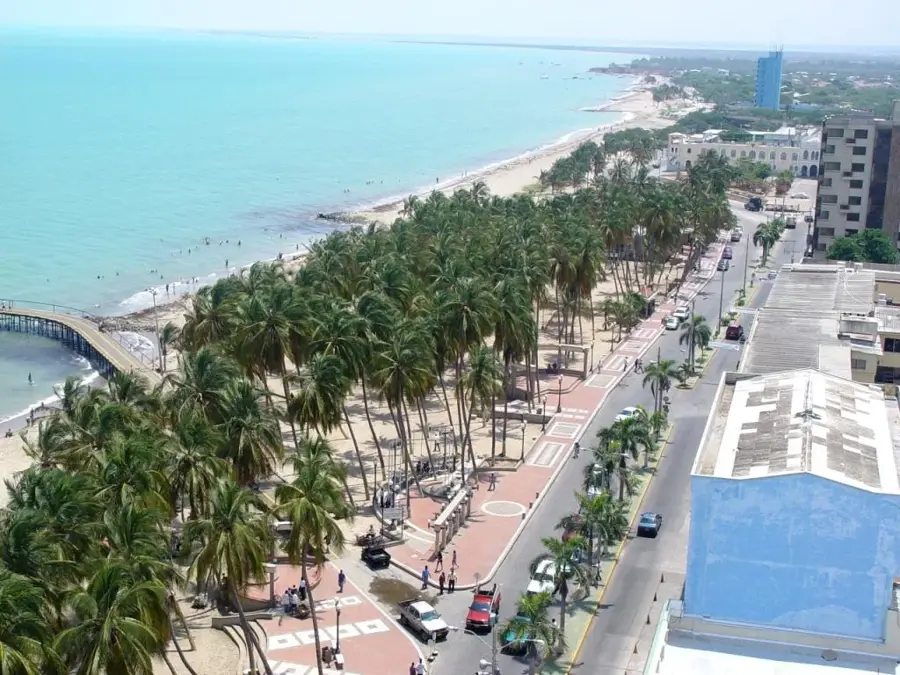
The main promenade facing the sea, lined with vendors selling handmade bracelets, bags, and traditional Guajira crafts.
Take an early morning walk along the boardwalk before the heat and vendors arrive, enjoying the peaceful sound of the waves.
A slightly out-of-the-way natural spot where the river meets the sea, offering a tranquil environment to watch local birdlife.
Water temperature…
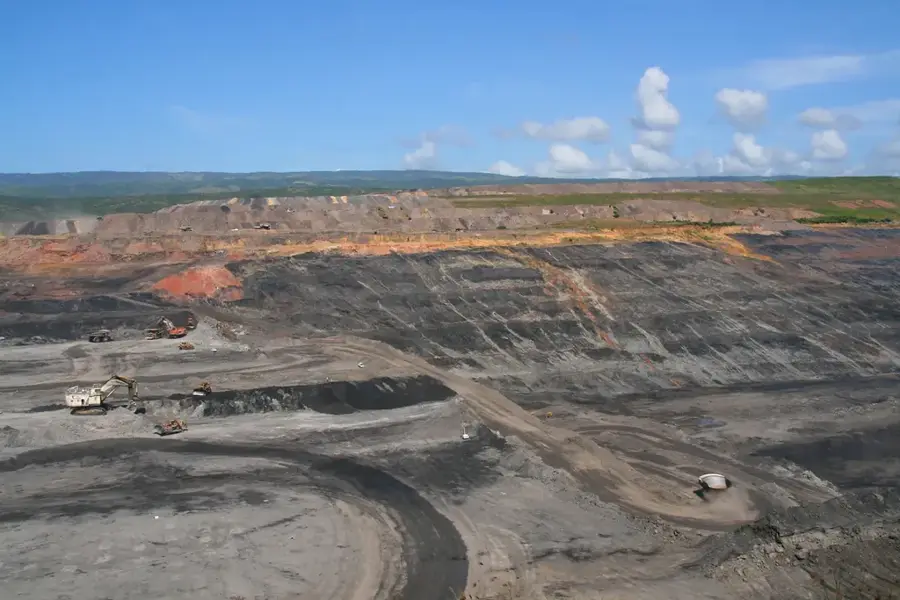
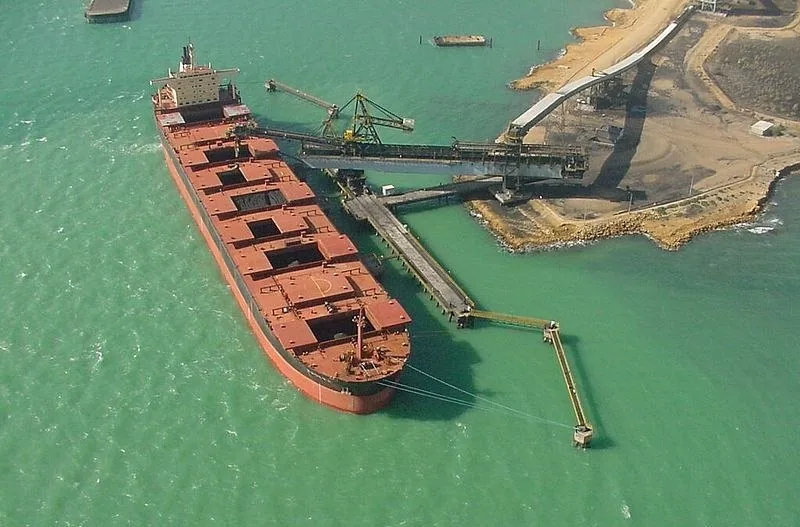
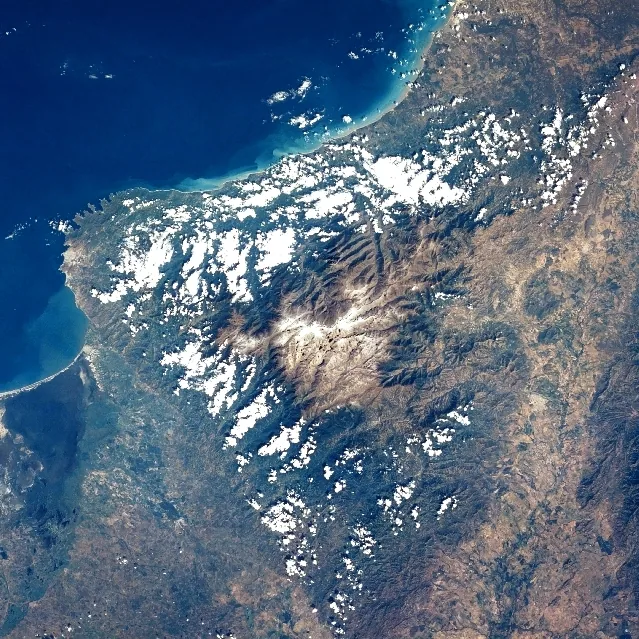
Riohacha, the capital of the La Guajira department, is situated on the Caribbean coast of Colombia at the mouth of the Ranchería River. Established around 1535, it is one of the oldest cities in the Americas founded by Europeans. During the colonial era, the city gained fame for its abundant pearl beds, which brought significant wealth and attracted numerous pirate raids, most notably by Sir Francis Drake. Today, Riohacha is the primary gateway to the territory of the Wayuu people, Colombia's largest indigenous group. The city's waterfront promenade, Paseo de la Marina, is lined with artisans selling iconic hand-woven 'mochilas' bags. It serves as a vital base for tourists exploring the Guajira Desert, Cabo de la Vela, and the Los Flamencos Sanctuary. The local economy is driven by trade, tourism, and its proximity to the El Cerrejón coal mine, one of the largest in the world.
Explore on the map
How well do you know Colombia?
Find cities, landscapes and regions in 10 varied challenges on the interactive map.
Your journey, your memory
A postcard from Riohacha
Turn your own photo into a personal postcard with a local stamp. Free and no sign-up required.
Create a postcard- Location: Colombia
- Highlights: Muelle peatonal · Castas Indígenas · La Raya Comunity
- Nearby: Palomino (79 km)
- Population: ~188.014 (2026)
Best time to visit & climate
The most pleasant time to visit is Jan–Mar.
| Jan | Feb | Mar | Apr | May | Jun | Jul | Aug | Sep | Oct | Nov | Dec | |
|---|---|---|---|---|---|---|---|---|---|---|---|---|
| Avg °C | 26 | 26 | 27 | 27 | 28 | 28 | 28 | 28 | 28 | 28 | 27 | 27 |
| Rain mm | 4 | 4 | 13 | 34 | 127 | 89 | 56 | 87 | 140 | 213 | 124 | 42 |
Geography
Facts
- Riohacha was founded by German conquistador Nikolaus Federmann in 1535.
- The city was famously burned down by Sir Francis Drake in the 16th century.
- Its name translates to 'Axe River', based on a local legend about a lost tool.
- The city is the largest urban center for the indigenous Wayuu population.
- Riohacha is a major center for the production of the 'mochila' woven bag.
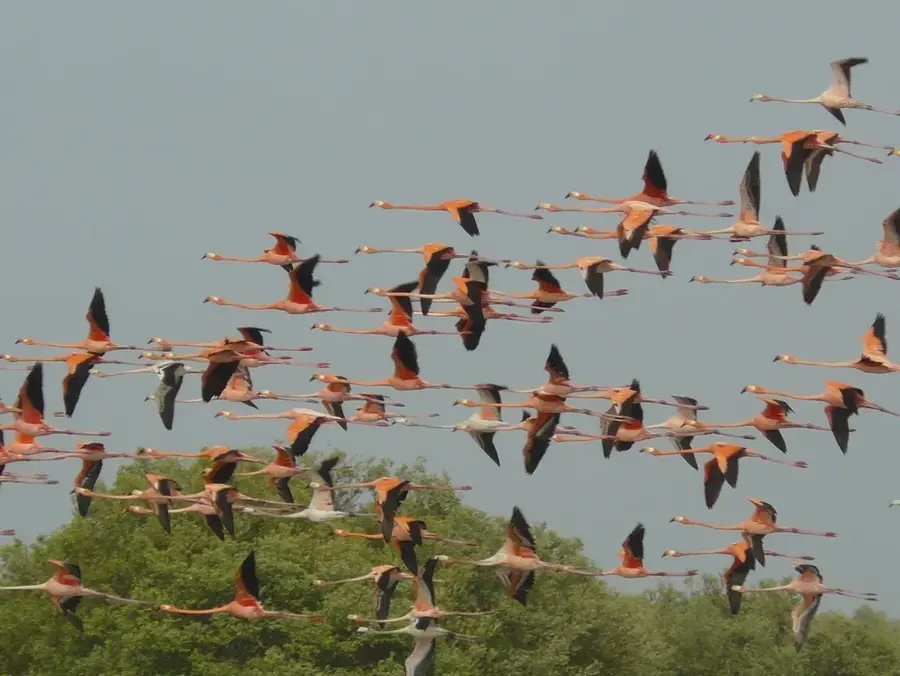
- The Los Flamencos Flora and Fauna Sanctuary is located just 20 km from the city.
Explore nearby
Notable places around
Route planner — Car & Motorhome
Where do you start? We build the route here, with stops and country notes along the way.
© OpenStreetMap contributors · OpenRouteService
Sights in the town Riohacha (11)
Frequently asked questions
What can you buy in Riohacha?
What is the main promenade?
Can you travel to Cabo de la Vela from here?
Are there flamingos nearby?
How is the coastal food?
Riohacha: where is it located?
Riohacha: what is there to see?
Riohacha: when is the best time to visit?
Riohacha: why is it worth visiting?
Nearby cities
More places