Plizio Visual Lab

Fort Ahui
Plizio editorial teamData Sources
Historical site
—°7
Fort Ahui (Chile)

Weather…

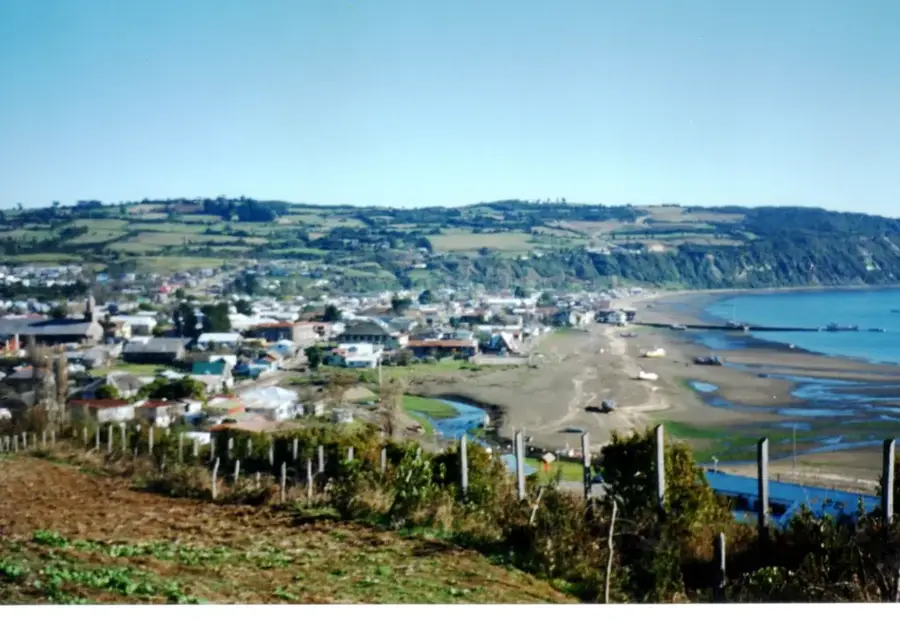
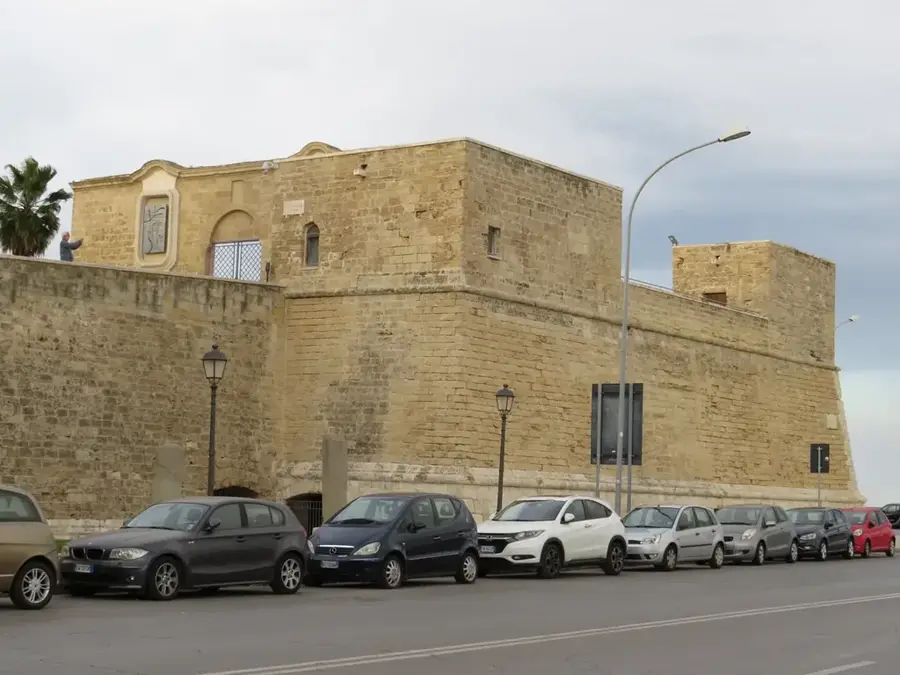
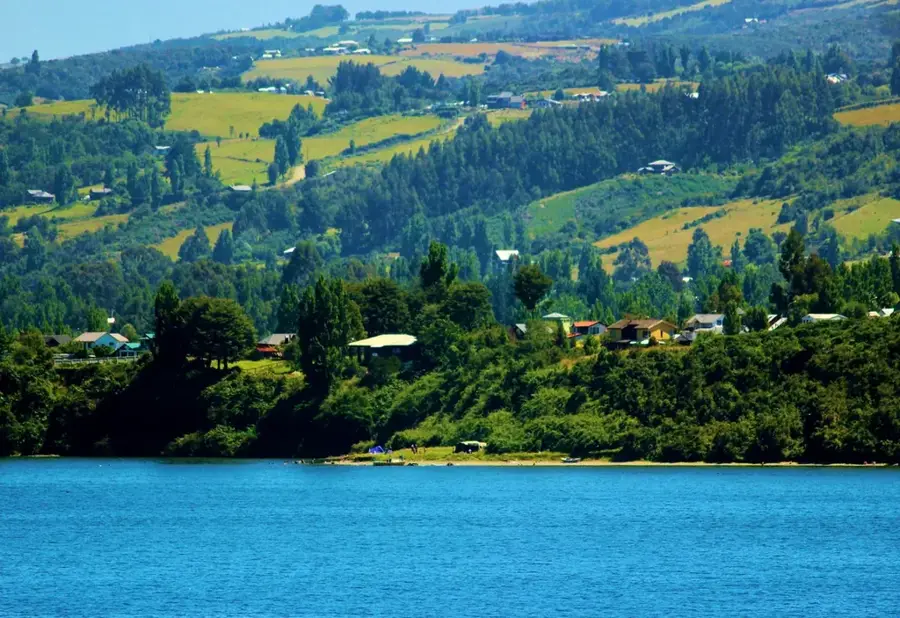
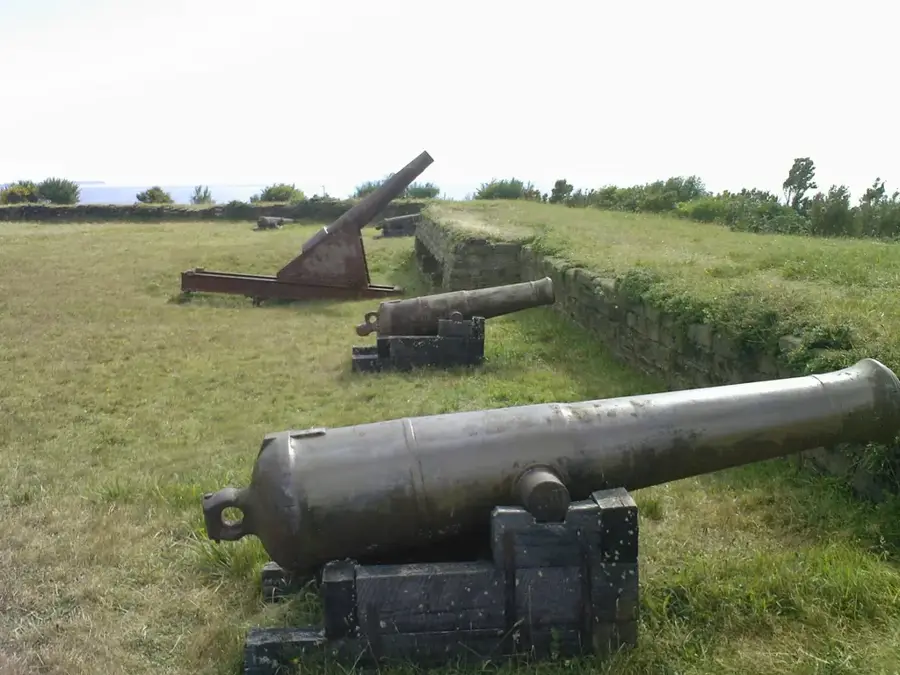
Fort Ahui, also known as Fuerte de Ahui, is located on the Lacuy Peninsula near the city of Ancud on Chiloé Island. The fortification was built in 1779 by order of the Spanish colonial authorities to defend the strategic entrance to the Bay of Ancud from foreign naval attacks. As part of the region's defensive system, the fort featured massive stone walls and a battery of eleven cannons that controlled the maritime routes. During the Chilean War of Independence, this site served as one of the last royalist strongholds in South America before being captured by republican forces in 1826. Today, the well-preserved ruins, the gunpowder magazine, and the observation points are designated as a National Monument of Chile. Visitors can explore the colonial military architecture while enjoying expansive views of the Pacific Ocean and the rugged coastline.

Best time to visit & climate

The most pleasant time to visit is Jan, Feb, Dec.

JanFebMarAprMayJunJulAugSepOctNovDec
Avg °C14141311108788101113
Rain mm7667991221711781691711001109687

📋 Practical info

🚪
Visiting
Fort Ahui is a historical military fortification on the Lacuy Peninsula that can be visited. The ruins of the fort are freely accessible, but the interior may not be enterable due to the nature of the historical site.
🕒
Typical hours
As it is an outdoor ruin, there are no fixed opening hours; the site is accessible at any time during the day. It is recommended to visit during daylight hours as the paths can be uneven and unlit.
📷
Photography
Photography is allowed throughout the site, with the old stone walls and sea views offering great subjects. For atmospheric shots, the soft light of late afternoon is best.
⏱️
Time needed
Exploring the fort ruins and the surrounding landscape typically takes about 30 to 45 minutes. If you want to enjoy the view and take photos, you can spend up to an hour here.
Combine with
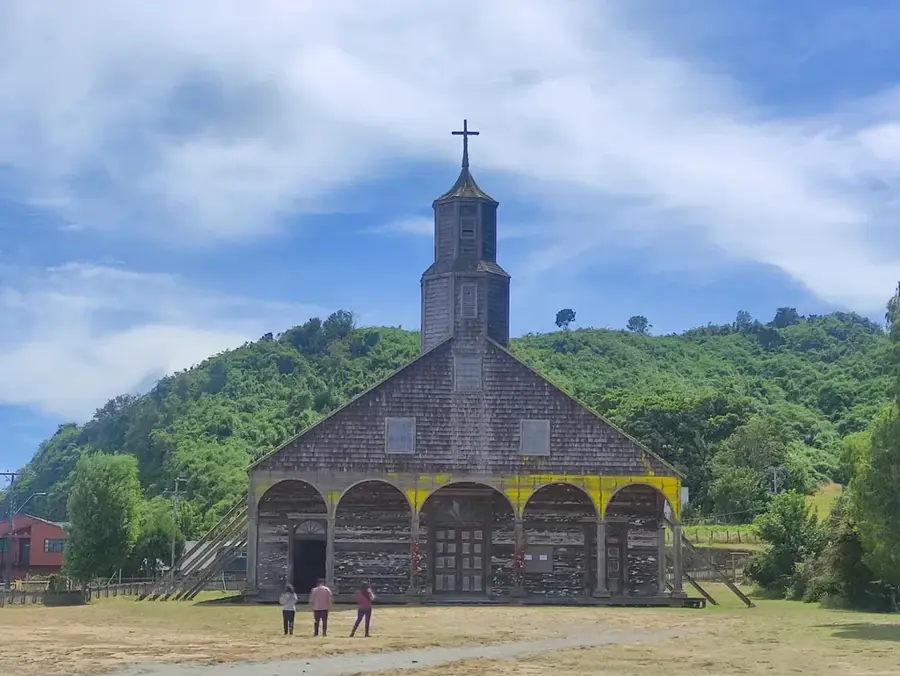
Fort Ahui is located on the Lacuy Peninsula, also known for its beaches and the San Antonio church. A visit to the nearby town of Ancud with its museum and San Antonio fort is also recommended.
🧭
Getting there
Fort Ahui is accessible by car via unpaved roads from Ancud, with the drive taking about 20 minutes. An off-road vehicle is not strictly necessary, but a regular car should drive carefully.
💡
Insider tip
Wear sturdy footwear as the terrain around the fort can be uneven and grassy. Bring water as there are no refreshment facilities in the area.

Geography

Coordinates
-41.79580, -73.99220

Facts

  • Built in 1779 to defend the island of Chiloé.
  • Originally equipped with a battery of 11 heavy cannons.
  • Served as one of the last Spanish strongholds until 1826.
  • Declared a National Monument of Chile in 1991.
  • The walls are constructed from local stone and lime mortar.
  • Strategically located at the entrance of the Chacao Channel.

Explore nearby

Notable places around
Route planner — Car & Motorhome

Where do you start? We build the route here, with stops and country notes along the way.

Vehicle
Only stops with (optional):

© OpenStreetMap contributors · OpenRouteService

Sights in the town Fort Ahui (7)

Dunas Guabún🌿 nature

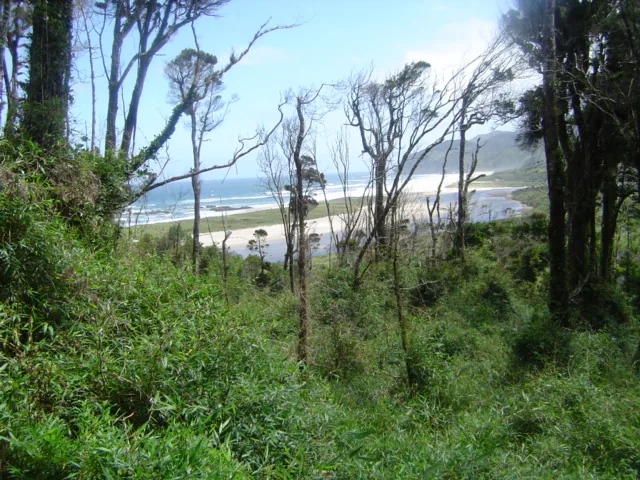
This expansive coastal dune system gives spectacular panoramic views of the open Pacific Ocean from atop its shifting sands.

Caleta Los Chonos📍 landmark

This sheltered historic cove, where indigenous navigators once anchored, is now admired for its calm waters and rugged coastal scenery.

Playa Mar Brava🌿 nature

A sweeping vantage point over a long stretch of wild, dark sand beach known for its powerful and crashing Pacific surf.

Rocas Basálticas📍 landmark

These striking hexagonal basalt columns rise dramatically from the sea, having been formed by ancient volcanic activity along the rugged coast.

Museo Puente Quilo🏛 museum

This modest local museum displays fascinating regional archaeological finds, including ancient mastodon bones and artifacts from Chiloé's indigenous past.

Playa Chaumán🌿 nature

An elevated observation spot overlooking a tranquil, horseshoe-shaped bay fringed by dense green coastal forests.

Capilla Nuestra Señora de Lourdes de Quetalmahue📍 landmark

Located in the village of Quetalmahue, this traditional timber-framed chapel features a distinctive wooden tower overlooking the surrounding rural landscape.

Sights nearby

Frequently asked questions

How do you reach Fort Ahui?
It is reached from Ancud by car or boat to the Lacuy Peninsula, followed by a short walk.
What is special about this fort?
It was one of the last Spanish bastions in South America, captured by Chilean troops in 1826.
Are there toilets there?
Facilities are limited, but there are usually basic toilets near the parking area.
Is the path steep?
The path is mostly flat and easy to walk, but there are some stairs within the fortifications.
Can the fort be visited year-round?
Yes, but in winter (June to August) it can be very windy and rainy; weatherproof clothing is advised.
Fort Ahui: where is it located?
Fort Ahui is located in Chile.
Fort Ahui: what is there to see?
Highlights include Dunas Guabún, Caleta Los Chonos, Playa Mar Brava.
Fort Ahui: when is the best time to visit?
The most pleasant time to visit is Jan, Feb, Dec.
Fort Ahui: why is it worth visiting?
Fort Ahui, also known as Fuerte de Ahui, is located on the Lacuy Peninsula near the city of Ancud on Chiloé Island.
View on map → The Top 50 Attractions → OpenStreetMap →
South America
Explore with Plizio Discover more places in South America
More places in Chile →

Nearby cities

History & landmarks

Nature
More places