Plizio Visual Lab

Chiloé Archipelago
Plizio editorial teamData Sources
Island
—°12
Chiloé Archipelago (Chile)

Weather…

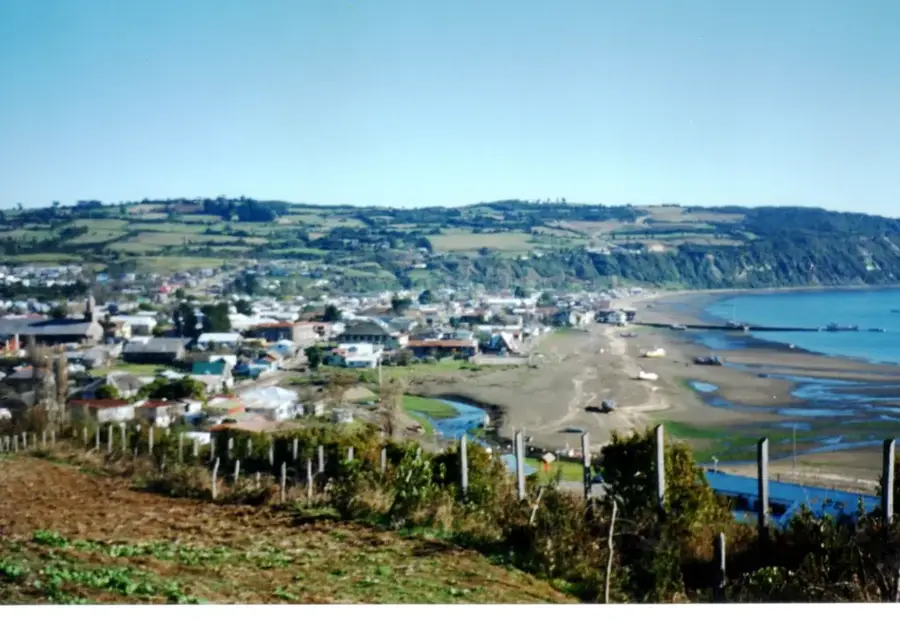
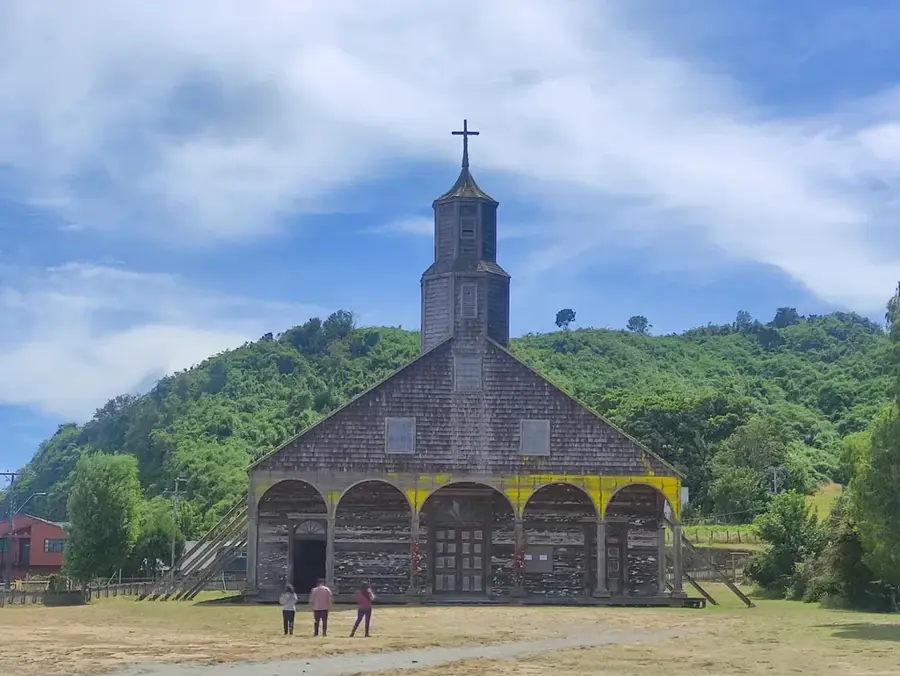
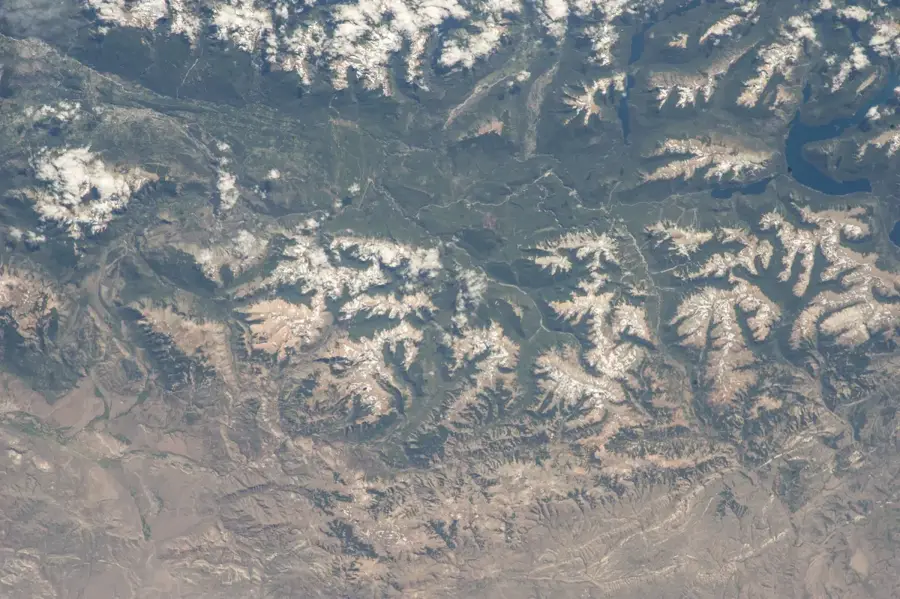
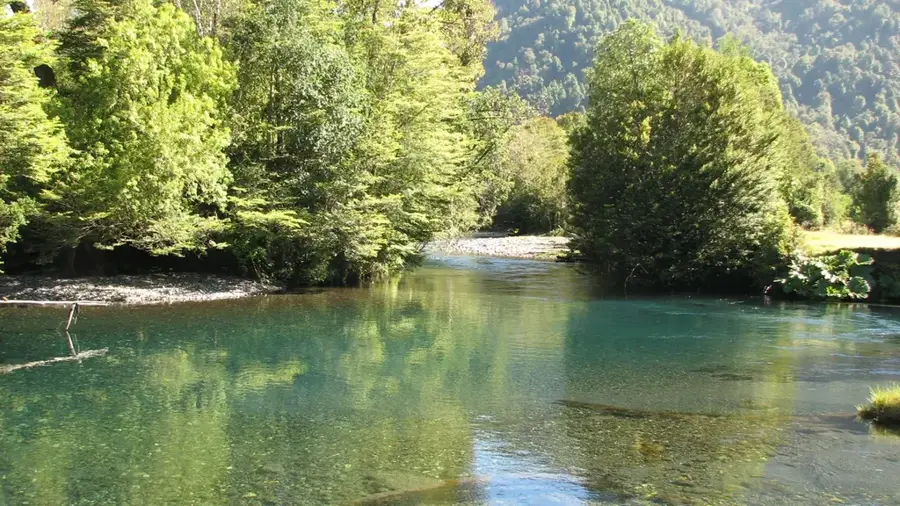
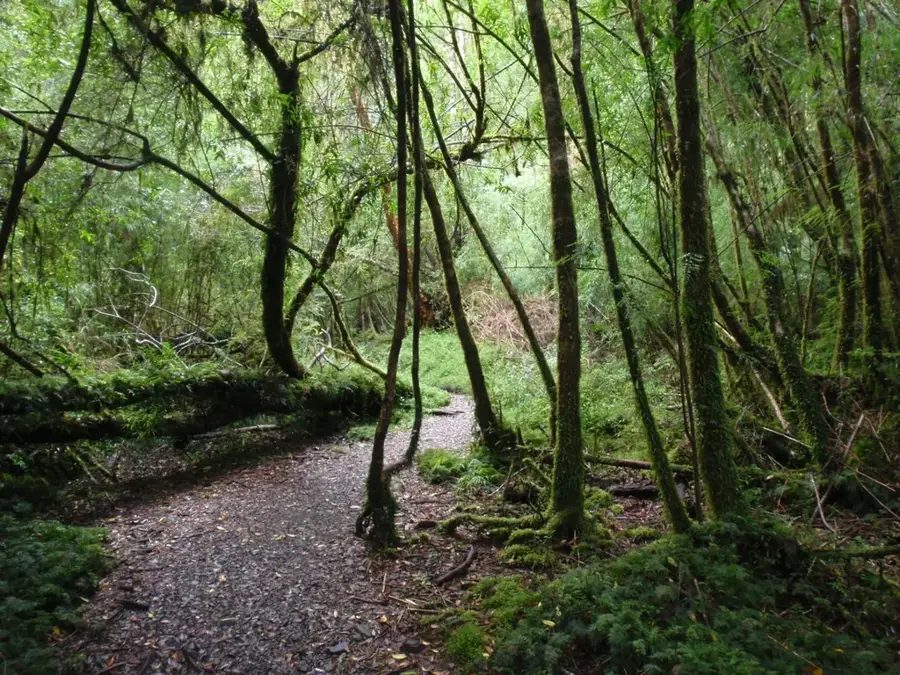
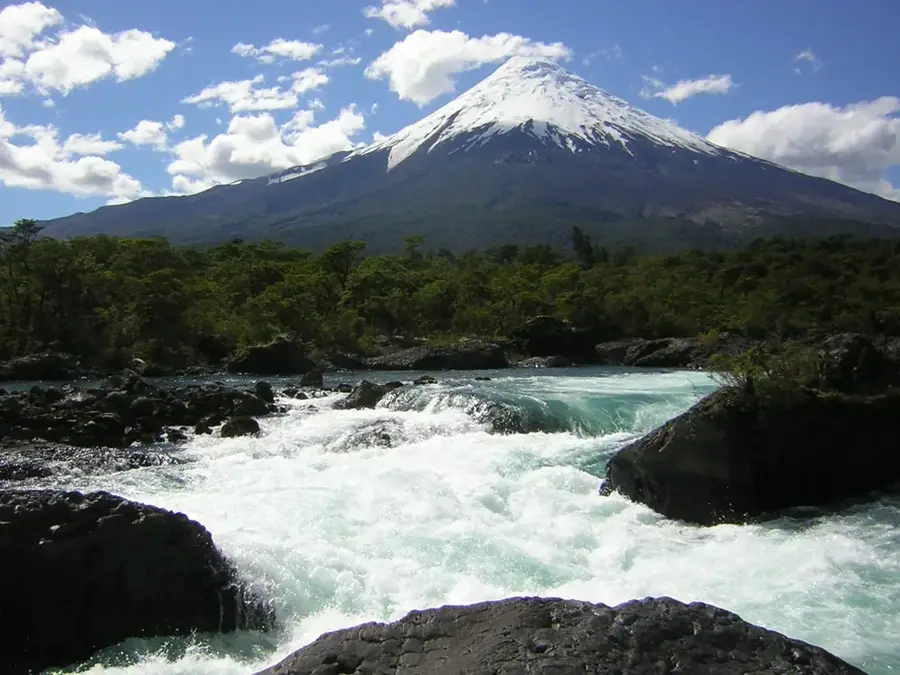
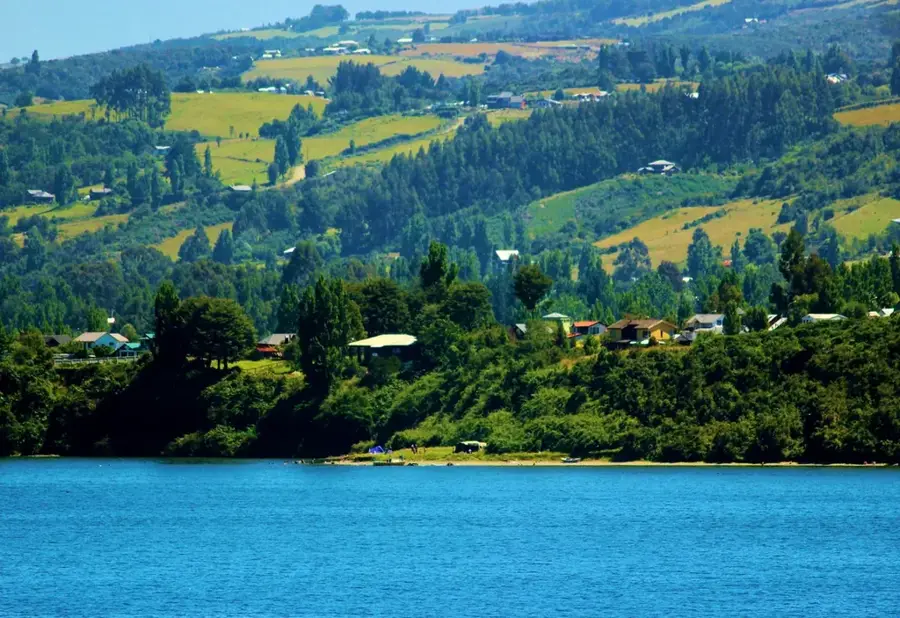
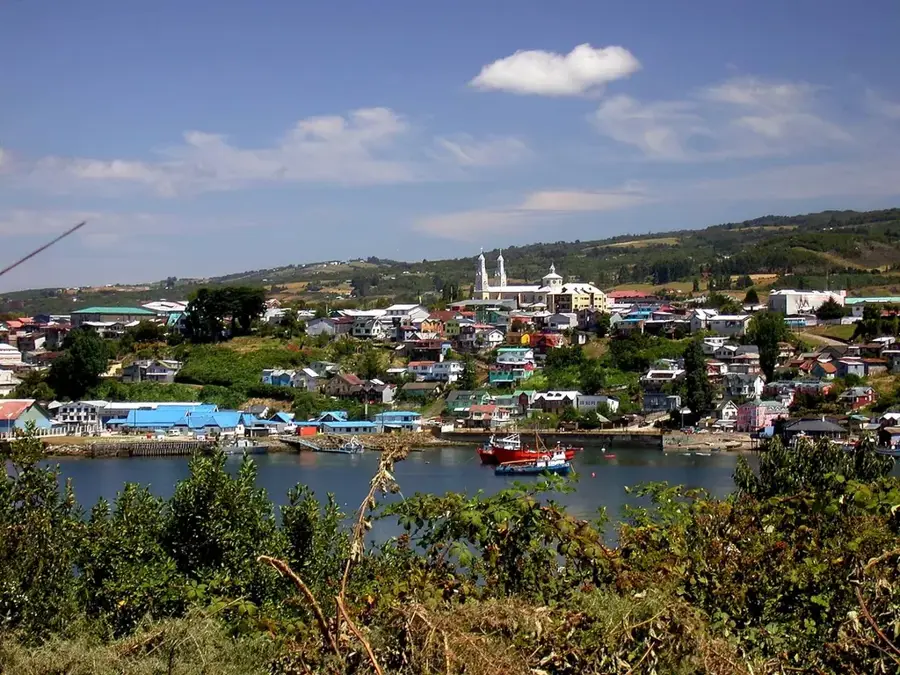
The Chiloé Archipelago is located off the coast of Chile in the Los Lagos Region, comprising the Isla Grande de Chiloé and about 40 smaller islands. It is renowned for its distinct cultural identity, a unique blend of indigenous Huilliche traditions and Spanish colonial influences. The landscape features rolling green hills, dense Valdivian forests, and a deeply indented coastline with numerous bays and channels. The archipelago is famous for its wooden churches, built starting in the 17th century, 16 of which are designated UNESCO World Heritage sites for their exceptional timber craftsmanship. Another iconic sight is the 'palafitos', colorful houses built on stilts over the water in towns like Castro. Historically, the local economy has centered on fishing and agriculture, as Chiloé is one of the ancestral homes of the common potato. The region is also steeped in rich local mythology, with legends of ghost ships and forest spirits that remain central to the archipelago's folklore.

Best time to visit & climate

The most pleasant time to visit is Jan, Feb, Dec.

JanFebMarAprMayJunJulAugSepOctNovDec
Avg °C131412119877891112
Rain mm796998112164170158160971129786

📋 Practical info

🧭
Getting there
Travelers reach the main island primarily via regular vehicular ferry crossings from the mainland port, a journey offering dramatic coastal views. Once on the islands, a network of local buses and paved roads makes exploring the welcoming settlements straightforward.
📅
Best season
The summer months present the most reliable weather for admiring the iconic wooden architecture and observing unique local wildlife. Even during the peak of summer, sudden rain showers and dense maritime fog are considered entirely typical occurrences here.
⛰️
Terrain & paths
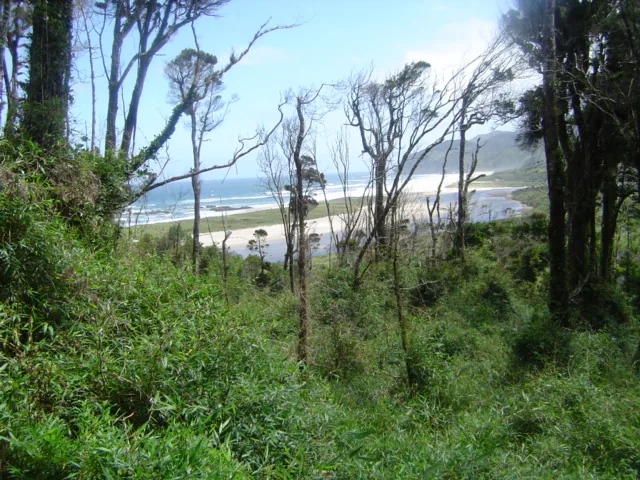
The archipelago features gently rolling emerald hills, lush temperate rainforests, and dramatic coastal cliffs battered by the ocean. Walking trails vary significantly from perfectly maintained boardwalks near the churches to muddy, root-tangled paths in the reserves.
🎒
What to bring
High-quality waterproof clothing and sturdy, slip-resistant boots are absolute necessities regardless of the specific season you visit. A reliable camera to capture the deeply colorful houses and stilt dwellings should definitely be included in your pack.
🅿️
Parking
Finding space for a car is rarely an issue in the small coastal villages or around the prominent historical sites and artisan markets. When venturing into the national park areas, use only the clearly marked gravel lots to protect the fragile endemic flora.
⚠️
Safety
While the general environment is exceptionally safe and welcoming, maritime weather can change with astonishing speed and severity. Always check local tidal charts before exploring the beaches, as the rapidly rising waters can easily trap unwary walkers.
⏱️
Time needed
Appreciating the profound cultural heritage and natural diversity requires at least three to four days of dedicated exploration time. A brief day trip from the mainland only permits a superficial glimpse of the northernmost coastal communities.

Geography

Coordinates
-42.60000, -73.80000

Facts

  • Isla Grande de Chiloé spans an area of 8,394 square kilometers.
  • Sixteen of the archipelago's wooden churches are UNESCO World Heritage sites.
  • The city of Castro was founded by Spanish settlers in 1567.
  • Chiloé is one of the primary genetic centers of origin for the potato.
  • Tidal ranges in the archipelago's channels can reach up to 7 meters.
  • The Chacao Channel separates the islands from the Chilean mainland.

Explore nearby

Notable places around
Route planner — Car & Motorhome

Where do you start? We build the route here, with stops and country notes along the way.

Vehicle
Only stops with (optional):

© OpenStreetMap contributors · OpenRouteService

Sights in the town Chiloé Archipelago (12)

Columpio de Luzbel📍 landmark

A uniquely named swing attraction offering visitors playful moments with scenic Chiloé landscapes.

Chonchi🌿 nature

A viewpoint providing sweeping vistas over the terraced town of Chonchi and its coastal surroundings.

Museo del Acordeón🏛 museum

A specialized museum dedicated to the accordion and its significance in traditional Chilote music.

Museo de las Tradiciones Chonchinas🏛 museum

A local museum preserving the unique cultural heritage, crafts, and daily life traditions of Chonchi.

Linlinao📍 landmark

A coastal lighthouse guiding maritime traffic through the sheltered waters of the Chiloé archipelago.

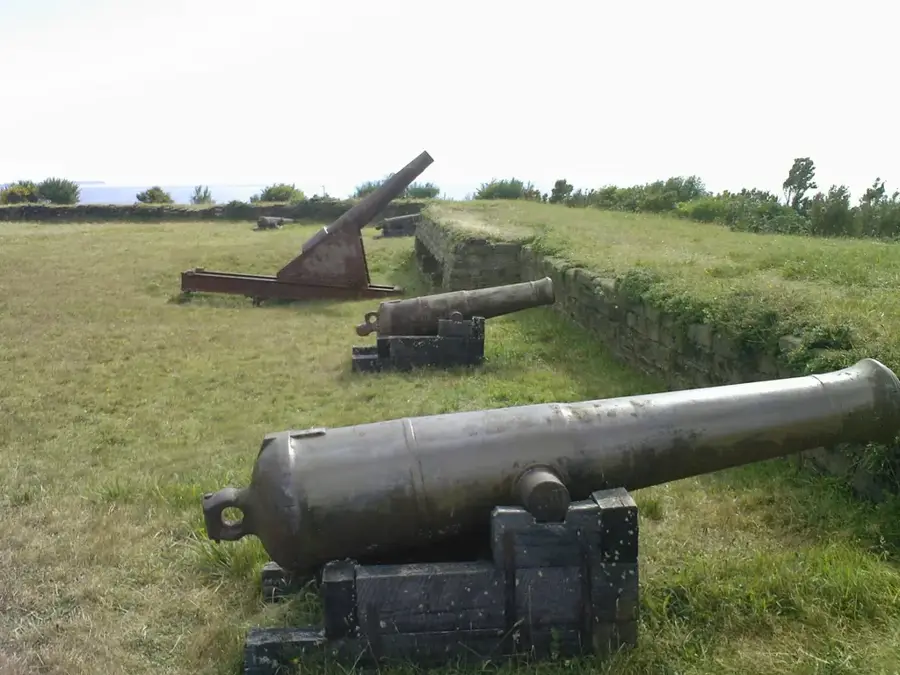
Fort Tauco🏺 historical

A historic defensive fort ruins situated near Chonchi, once protecting the archipelago's coastline.

Mirador Linlinao🌿 nature

A scenic lookout offering wide views over the serene waters and coastline near Linlinao.

Molino de Agua de Yutuy📍 landmark

A traditional, functioning watermill located in the rural setting of Yutuy.

🕒 24/7

Iglesia Natividad de María de Ichuac⛪ religious

A traditional wooden Chilote church known for its distinct architecture and Nativity of Mary dedication.

🕒 Mo-Th 14:00-18:00; Fr-Su 11:00-19:00

Escenario Central🎭 culture

A central outdoor stage serving as a venue for local festivals and cultural performances in the archipelago.

Playa Isletilla🎡 recreation

A tranquil sandy beach offering a peaceful coastal retreat in the Chiloé archipelago.

Mercado Municipal de Chonchi🎭 culture

A bustling municipal market in Chonchi offering fresh local seafood, produce, and traditional Chilote crafts.

Sights nearby

Frequently asked questions

What are Palafitos?
Colorful wooden houses on stilts, typical of port cities like Castro.
What are the churches of Chiloé famous for?
They are made of wood, part of UNESCO Heritage, and use shipbuilding techniques.
What is Curanto?
A traditional dish of seafood and meat cooked in a hole in the ground.
How do you reach the islands?
By ferry from Pargua to Chacao or by plane to Mocopulli Airport near Castro.
Are there penguins there?
Yes, at Puñihuil, you can see Humboldt and Magellanic penguins from September to March.
Chiloé Archipelago: where is it located?
Chiloé Archipelago is located in Chile.
Chiloé Archipelago: what is there to see?
Highlights include Columpio de Luzbel, Chonchi, Museo del Acordeón.
Chiloé Archipelago: when is the best time to visit?
The most pleasant time to visit is Jan, Feb, Dec.
Chiloé Archipelago: why is it worth visiting?
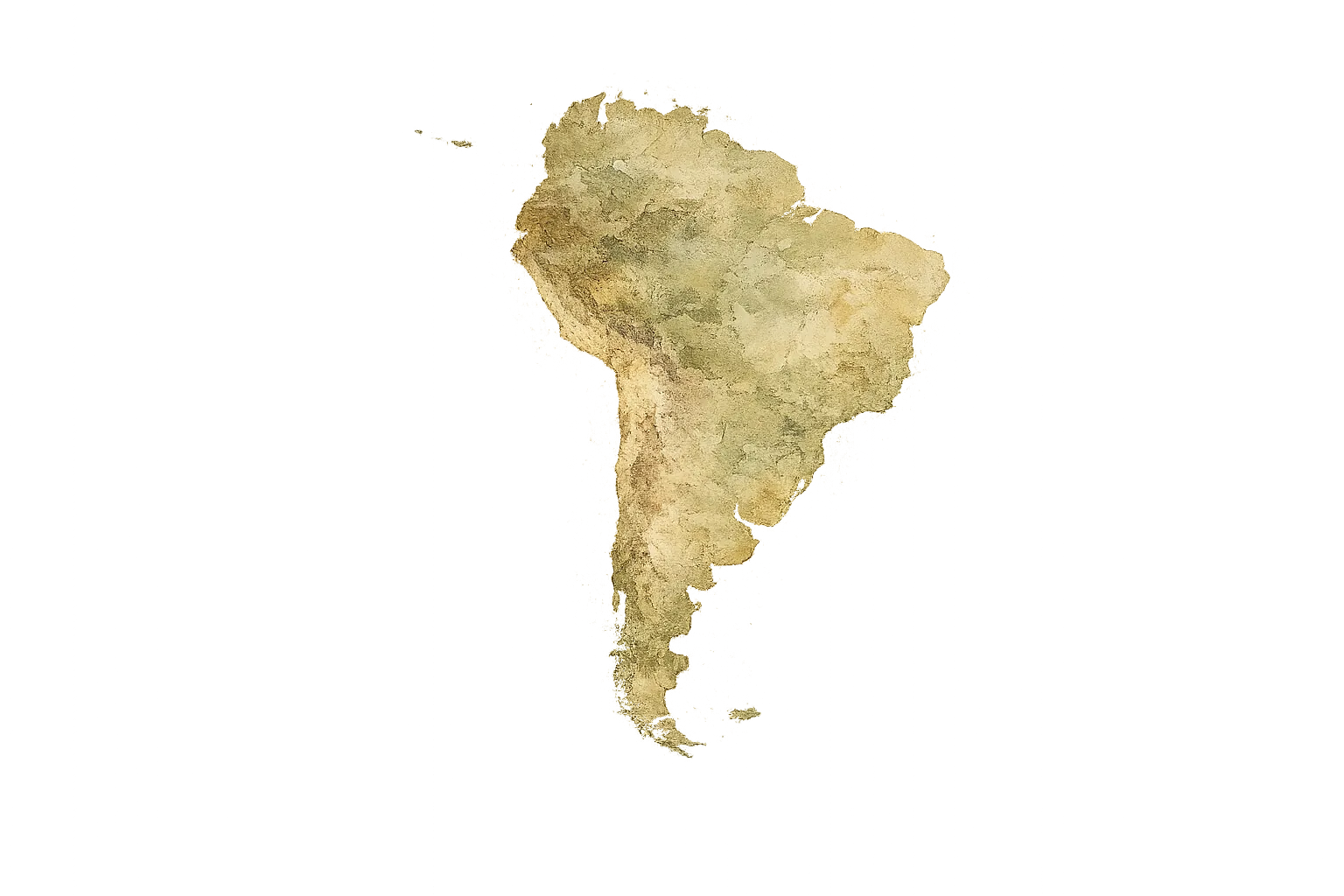
The Chiloé Archipelago is located off the coast of Chile in the Los Lagos Region, comprising the Isla Grande de Chiloé and about 40 smaller islands.
View on map → The Top 50 Attractions → OpenStreetMap →
South America
Explore with Plizio Discover more places in South America
More places in Chile →

Nearby cities

History & landmarks

Nature
More places