Plizio Visual Lab

Klondike Gold Rush
Plizio editorial teamData Sources
Historical site
—°14
Klondike Gold Rush (Canada)

Weather…

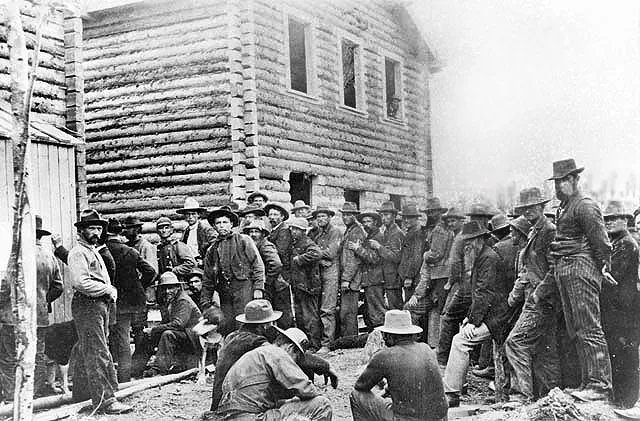
The Klondike Gold Rush began in August 1896 when George Carmack, Skookum Jim, and Dawson Charlie discovered gold at Rabbit Creek in the Yukon Territory. Word reached the outside world in 1897, triggering a massive migration of approximately 100,000 prospectors to the remote northern region. Most travelers opted for the arduous routes through the Chilkoot Pass or White Pass, where the North-West Mounted Police required each person to carry one ton of supplies to ensure survival for a full year. Dawson City rapidly grew from a tiny settlement into the largest city north of San Francisco, housing over 30,000 residents at its peak. Extreme winter temperatures and physical exhaustion claimed many lives, while only a small fraction of the prospectors actually found significant wealth. The rush ended abruptly in 1899 when news of new gold discoveries in Nome, Alaska, drew the crowds away. Today, the history of the gold rush remains a central part of Yukon's identity, preserved through numerous historical sites and museums that detail the hardships and aspirations of the era.

Best time to visit & climate

The most pleasant time to visit is Jun–Aug.

JanFebMarAprMayJunJulAugSepOctNovDec
Avg °C-21-19-15-471314115-4-17-19
Rain mm231414183664765644313025

📋 Practical info

🚪
Visiting
Exploring the history of the Klondike Gold Rush typically involves visiting the well-preserved heritage buildings of Dawson City and the surrounding historic goldfields. Many sites function as outdoor living museums, featuring boardwalks, old mining dredges, and interpretative displays.
🕒
Typical hours
The museums, interpretive centers, and guided tours in the region are predominantly operational during the summer tourist season from late May to early September. Visiting during the harsh Yukon winter means almost all specialized historical attractions and visitor services will be closed.
📷
Photography
Dawson City's unpaved streets and beautifully restored, colorful frontier architecture provide incredible opportunities to capture the authentic feeling of an 1890s boomtown. The massive wooden Dredge No. 4 is a particularly impressive subject for wide-angle industrial photography.
⏱️
Time needed
To properly absorb the local history, you should plan to spend at least two to three full days exploring the townsite, touring the claims, and perhaps trying gold panning. A brief afternoon stop is simply not enough time to appreciate the isolated scale of the Yukon.
Combine with
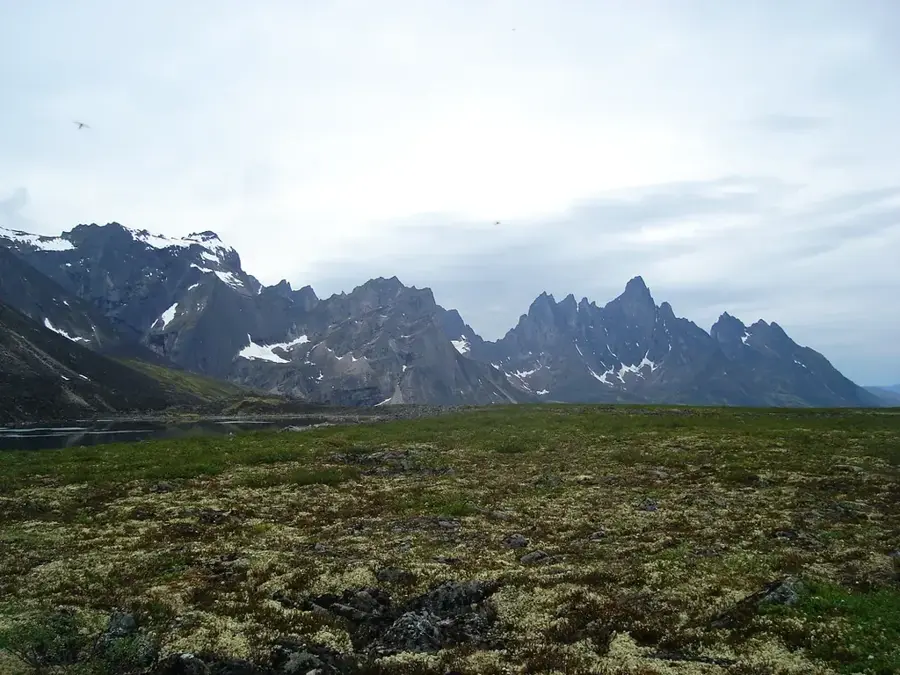
Immerse yourself further by driving the spectacular Dempster Highway, or take a scenic paddle down the Yukon River following the exact historical route of the original stampeders. Nearby Tombstone Territorial Park provides absolutely dramatic subarctic mountain landscapes.
🧭
Getting there
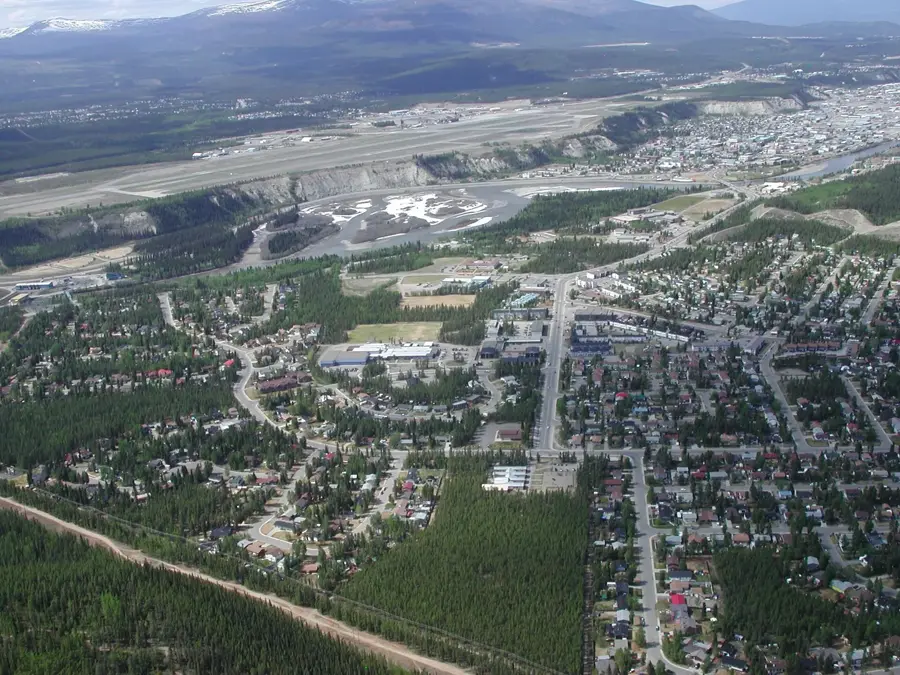
Most visitors arrive in Dawson City by driving the fully paved Klondike Highway from Whitehorse, a stunningly scenic journey that takes roughly six to seven hours. Alternatively, there are limited seasonal regional flights connecting the small local airport directly to Whitehorse.
💡
Insider tip
If you are traveling in a rental vehicle or RV, always confirm you have a full tank of gas and a functional spare tire before setting out onto the remoter mining access roads. Cell phone reception is practically nonexistent outside the immediate limits of the main township.

Geography

Coordinates
64.06200, -139.43100

Facts

  • Gold was discovered on August 16, 1896, triggering the massive rush.
  • About 100,000 people started the journey, but only 30,000 reached Dawson.
  • The NWMP required 1,000 kg of supplies per person to enter the Yukon.
  • In 1898, Dawson City was the largest Canadian city west of Winnipeg.
  • Winter temperatures in the Yukon can drop below -50 degrees Celsius.
  • The rush officially ended in 1899 with new discoveries in Nome, Alaska.

Route planner — Car & Motorhome

Where do you start? We build the route here, with stops and country notes along the way.

Vehicle
Only stops with (optional):

© OpenStreetMap contributors · OpenRouteService

Sights in the town Klondike Gold Rush (14)

Jackson Gulch Lower Trailhead (Ridge Road Heritage Trail)📍 landmark

A lower trailhead of the Ridge Road Heritage Trail in the Klondike gold rush area.

Trail Gulch Diversion📍 landmark

A diversion of Trail Gulch in the Klondike gold rush area.

Tr'ochek National Historic Site of Canada🏺 historical

An archaeological site in the Klondike area commemorating the Tr'ondek Hwëch'in First Nation.

Tr'ochek Overlook🌿 nature

A viewpoint overlooking the Tr'ochek archaeological site in Klondike.

Dawson City Museum🏛 museum

The Dawson City Museum featuring exhibits on gold rush history.

Fort Herchmer Buildings📍 landmark

Buildings of the former North West Mounted Police in Dawson City.

Klondike Institute of Art and Culture🎭 culture

An art and culture institute in the Klondike gold rush region.

S.S. Keno🏛 museum

A historic steamboat serving as a museum in Dawson City.

🕒 May 18-Sep 2: 09:00-18:00💶

Jack London Museum & Cabin🏛 museum

Jack London's former cabin, now a museum in Dawson City.

🕒 May 25-Sep 15 Su-Sa 13:00-16:00

Midnight Dome🌿 nature

A viewpoint on a mountain peak offering panoramic views of Dawson City.

Sunnydale Lookout🌿 nature

A lookout in Dawson City offering views of the surrounding area.

Fort Reliance🏺 historical

An archaeological site of a historic fort on the Yukon River in Klondike.

St. Paul's Anglican Church⛪ religious

An Anglican church in Dawson City built during the gold rush.

Paddlewheel Graveyard🏺 historical

Ruins of retired paddlewheel steamboats in the Klondike area.

Sights nearby

Frequently asked questions

Where exactly did the gold rush begin?
The discovery was made in 1896 at Bonanza Creek, near present-day Dawson City.
Can you still pan for gold today?
Yes, tourists can try their luck at gold panning at Claim 33 or Free Claim #6.
What clothing should I bring?
Layers are key. Even in summer, nights in the Yukon can be quite chilly.
How much time should I plan for the visit?
At least 2-3 days in Dawson City to see the historic sites and Dredge No. 4.
Is the journey difficult?
It requires a long drive via the Klondike Highway or a flight into Dawson City.
Klondike Gold Rush: where is it located?
Klondike Gold Rush is located in Canada.
Klondike Gold Rush: what is there to see?
Highlights include Jackson Gulch Lower Trailhead (Ridge Road Heritage Trail), Trail Gulch Diversion, Tr'ochek National Historic Site of Canada.
Klondike Gold Rush: when is the best time to visit?
The most pleasant time to visit is Jun, Aug.
Klondike Gold Rush: why is it worth visiting?
The Klondike Gold Rush began in August 1896 when George Carmack, Skookum Jim, and Dawson Charlie discovered gold at Rabbit Creek in the Yukon Territory.
View on map → The Top 50 Attractions → OpenStreetMap →
North America
Explore with Plizio Discover more places in North America
More places in Canada →

Nature

More places