Plizio Visual Lab
Yaoundé
ℹ️Practical info — Yaoundé
▾
🌤 Weather — 5 days
📍 Nearby
Sights nearby
💡 Tips
- In the yellow taxis, there is a difference between a 'ramassage' (shared taxi, cheap) and a 'dépôt' (private ride). Clarify this before getting in.
- Yaoundé is built on seven hills; comfortable footwear is essential for pedestrians as you are constantly walking up and down.
- Always carry a copy of your passport with you, as police checks are somewhat frequent in the capital.
- Traffic can be extremely dense. Allow plenty of time for short trips during rush hour (mornings and after 4 PM).
🍽 Food
The unofficial national dish made from bitter leaves, nuts, and meat. Try it in the bustling maquis of the Bastos or Essos neighborhoods.
As soon as it gets dark, the aromas of grilled Soya skewers (beef or chicken) drift through the streets of the Briqueterie district.
Grilled fish with fried plantains and spicy pepper sauce, a hit for dinner in the local open-air restaurants.
🛍 Shopping · 🧘 Quiet spots
The best place in the city center for high-quality wood carvings, masks, and Cameroonian crafts-don't forget to haggle!
A massive, spirited market in the heart of the city, great for experiencing the variety of local fruits and vegetables.
Head up to Mont Fébé to escape the smog. From up there, you have a quiet, panoramic view of the city's sea of hills.
A small, well-kept park in the center that provides a rare green and quiet retreat from the honking traffic.
Water temperature…
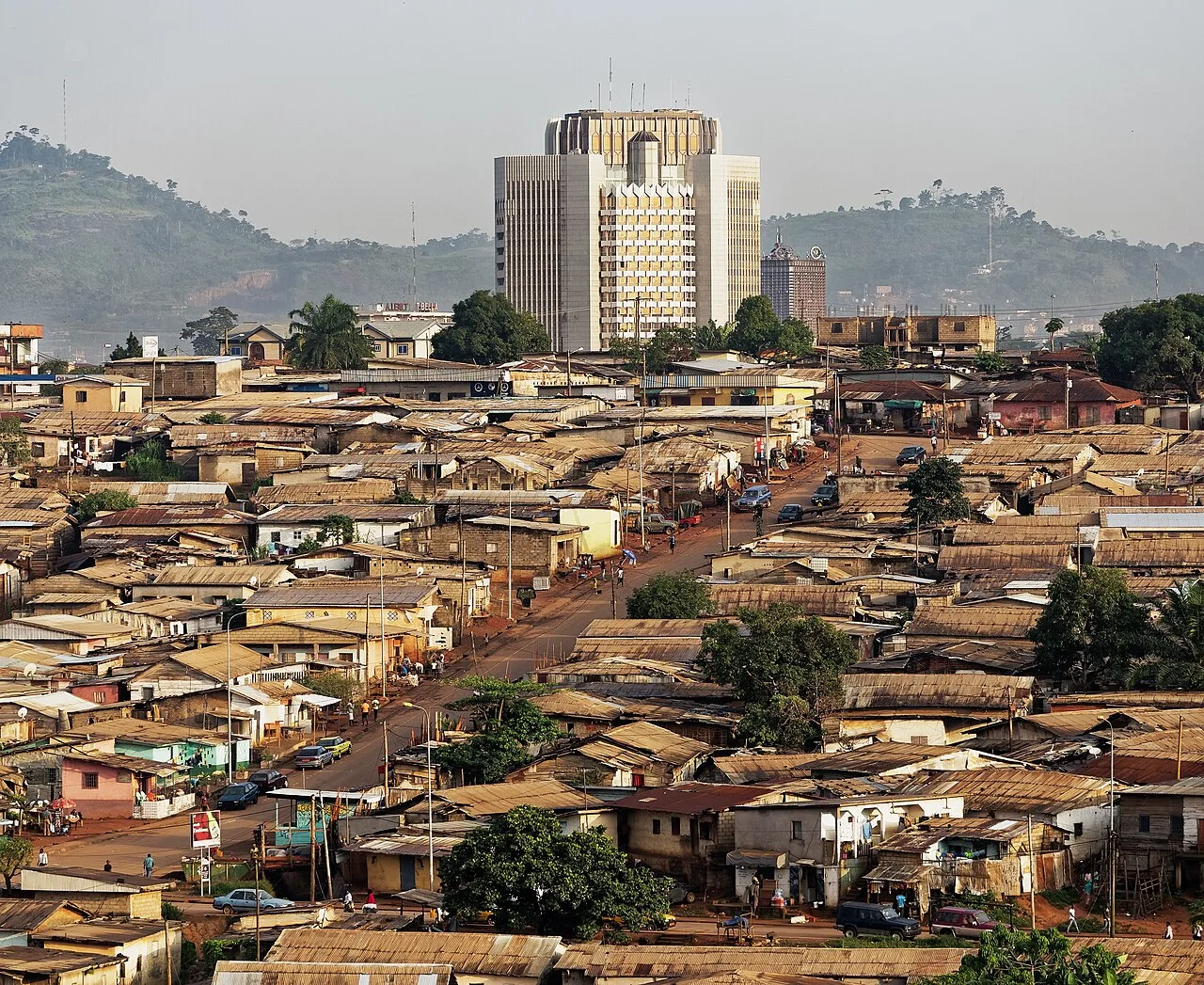
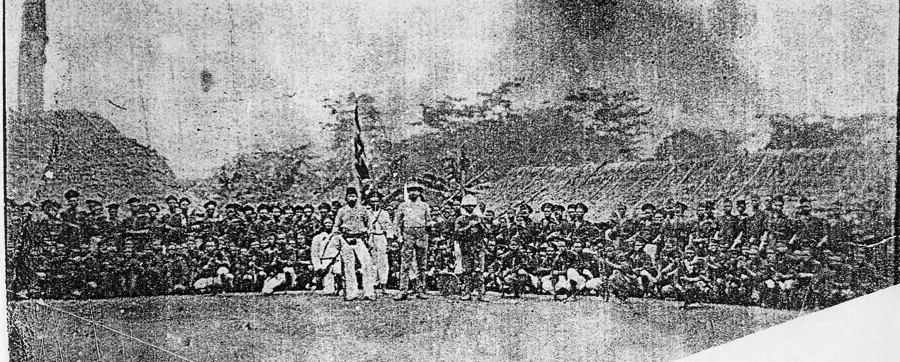
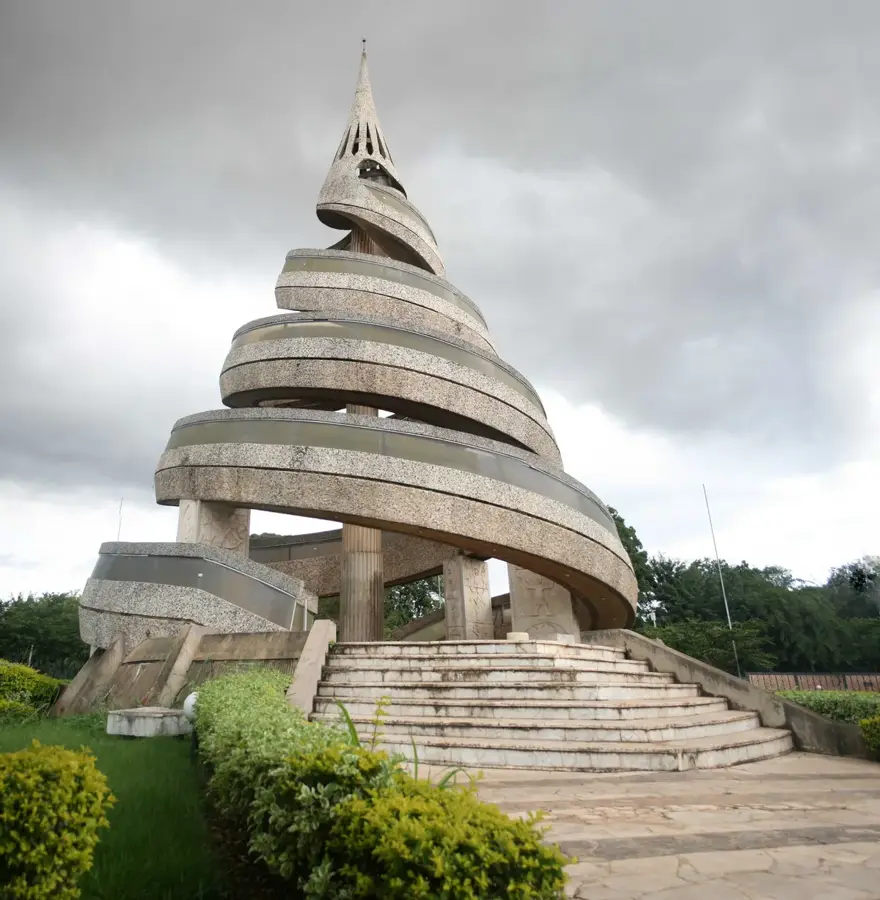
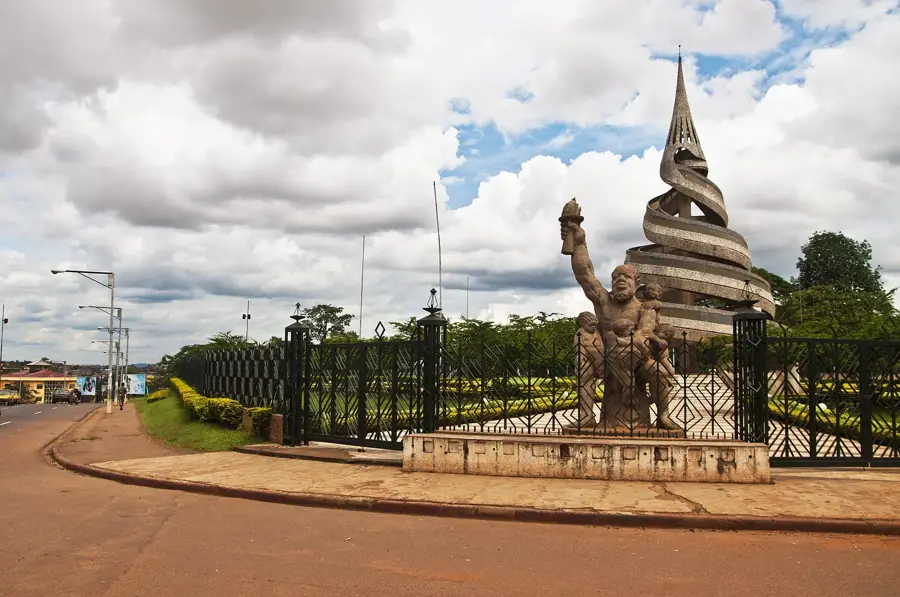
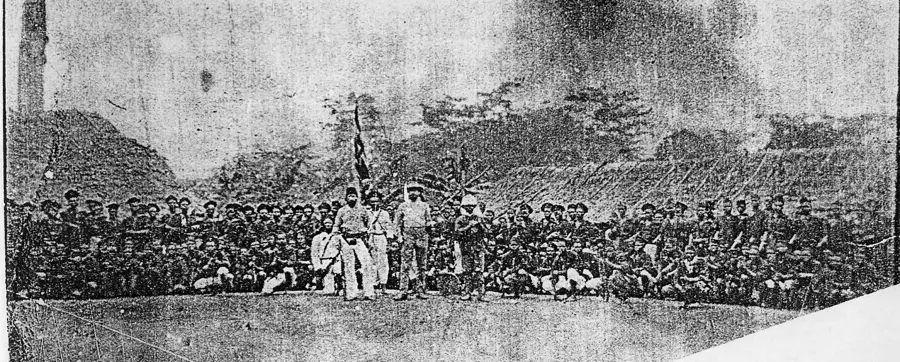
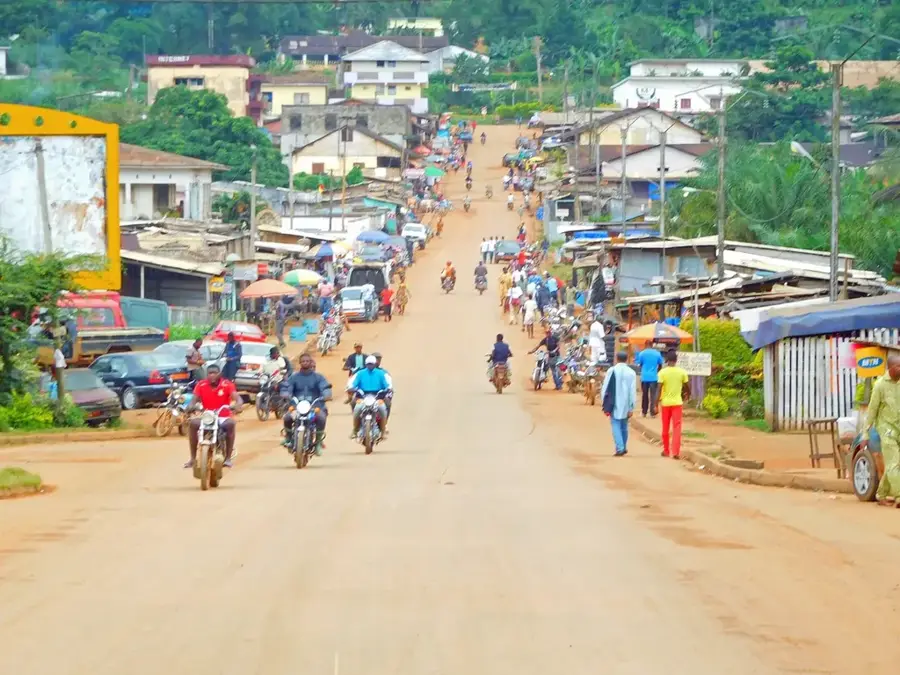
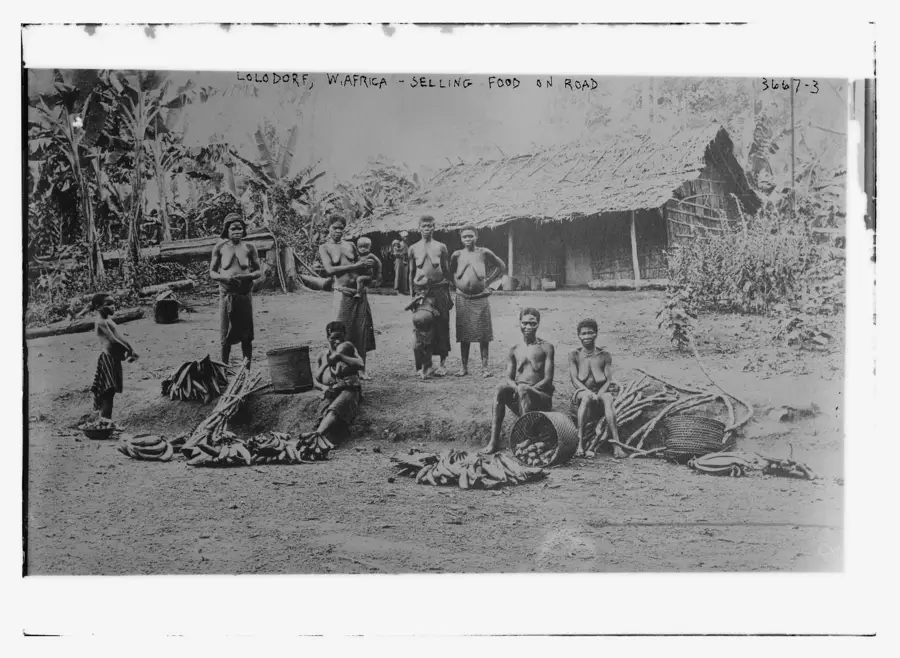
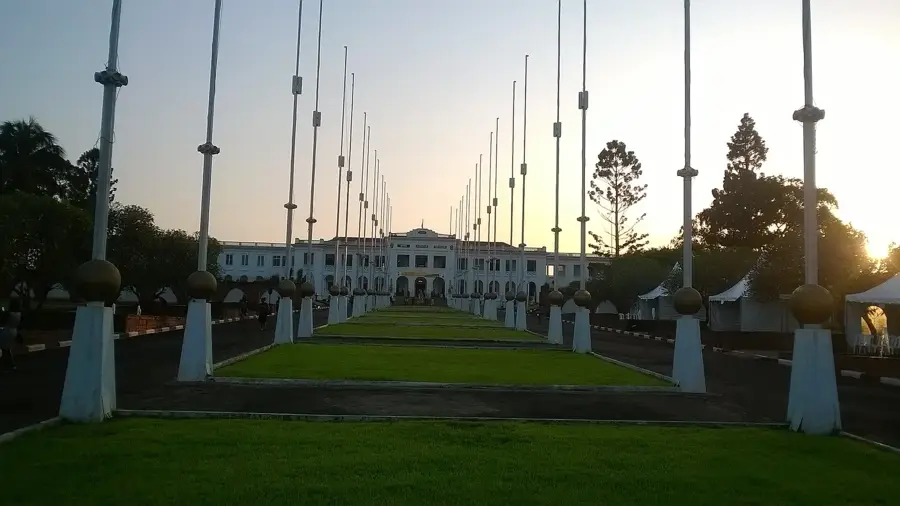
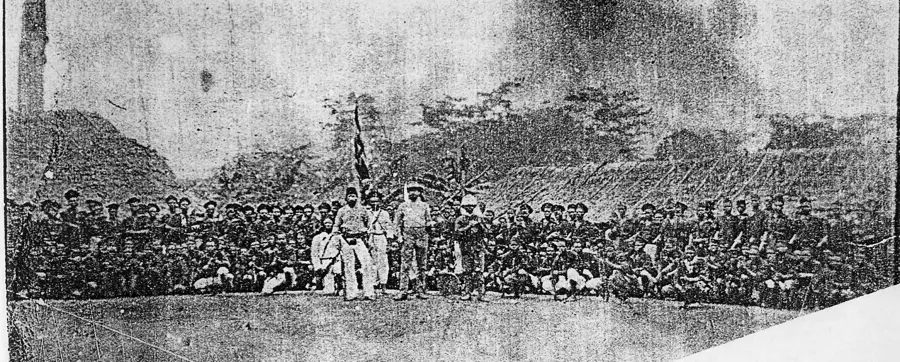
Yaoundé, the capital of Cameroon, is a city defined by its dramatic topography, spread across seven hills in the central plateau of the country. Located at an altitude of approximately 730 meters, it has a cooler and more temperate environment compared to the humid coastal lowlands. The city was founded in 1888 by German explorers Richard Kund and Hans Tappenbeck as a scientific station and a trade base for the ivory industry. Following World War I, Yaoundé came under French administration and was officially designated as the capital of French Cameroon in 1922, a status it maintained through national independence in 1960. Today, the city serves as the political and judicial heart of the nation, housing the presidency, the National Assembly, and the Supreme Court. The urban landscape is a mixture of modern high-rises and historic colonial buildings, reflecting its multifaceted history. Key landmarks include the Reunification Monument, commemorating the merger of the French and British-administered territories, and the National Museum of Cameroon, which is housed in the former presidential palace and showcases an extensive collection of traditional art and historical artifacts. Yaoundé is a major center for higher education and research, home to the University of Yaoundé I and several international scientific organizations. Economically, the city is a hub for administrative services and regional trade, particularly for agricultural products like coffee, cocoa, and timber. The city's infrastructure has expanded significantly, with modern roads connecting it to the port city of Douala and the northern regions. Cultural life in Yaoundé is animated, characterized by lively street markets, a burgeoning arts scene, and a diverse population representing Cameroon's hundreds of ethnic groups. The city is also a focal point for international diplomacy in Central Africa, hosting numerous embassies and the headquarters of the Bank of Central African States. Despite rapid growth, Yaoundé retains its natural beauty, with lush greenery and scenic vistas from its many hilltop viewpoints, making it one of the most distinctive capital cities on the continent.
Explore on the map
How well do you know Cameroon?
Find cities, landscapes and regions in 10 varied challenges on the interactive map.
Your journey, your memory
A postcard from Yaoundé
Turn your own photo into a personal postcard with a local stamp. Free and no sign-up required.
Create a postcard- Location: Cameroon
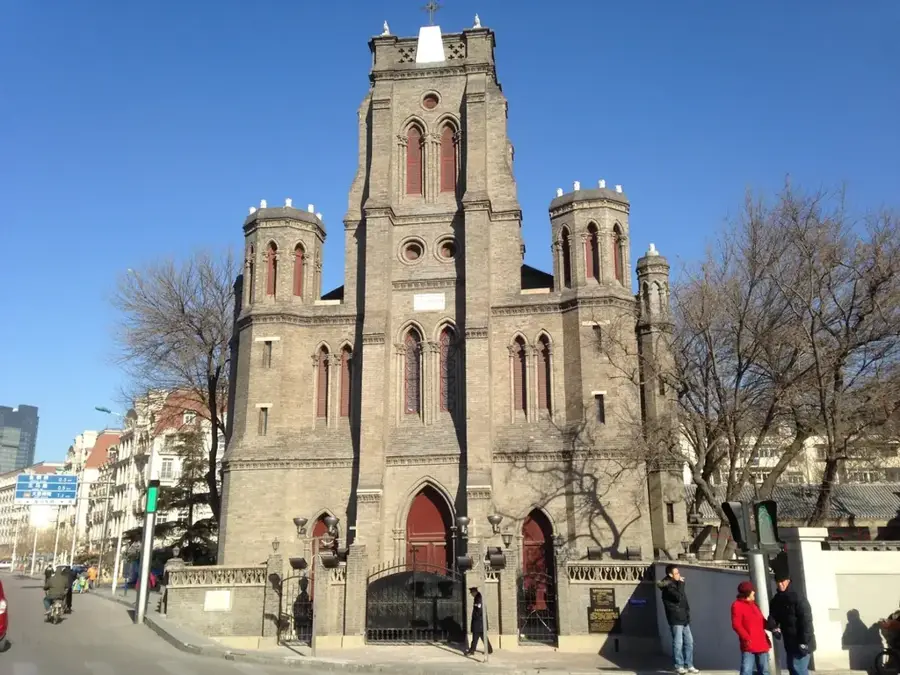
- Highlights: Blackitude Museum · Plus vieux bâtiment en dur de Yaoundé · Maison Dominik
- Nearby: Obala (33 km)
- Population: ~1.299.369 (2024)
Best time to visit & climate
The most pleasant time to visit is Jan, Feb, Dec.
| Jan | Feb | Mar | Apr | May | Jun | Jul | Aug | Sep | Oct | Nov | Dec | |
|---|---|---|---|---|---|---|---|---|---|---|---|---|
| Avg °C | 24 | 25 | 25 | 24 | 24 | 23 | 23 | 23 | 23 | 23 | 24 | 24 |
| Rain mm | 14 | 40 | 117 | 164 | 149 | 119 | 115 | 169 | 212 | 231 | 126 | 18 |
Geography
Facts
- Yaoundé was the capital of the French mandate of Cameroon from 1922 until independence in 1960.
- The city's name is derived from the Yaunde people, a subgroup of the Ewondo ethnic group.
- At 730 meters elevation, it is one of the highest capital cities in West and Central Africa.
- The University of Yaoundé I was founded in 1962 and serves over 60,000 students.
- The city hosted the signing of the Yaoundé Convention in 1963, a key trade agreement between Europe and Africa.
- The Mfoundi River flows through the city and has been the focus of major urban drainage projects.
- Yaoundé is home to the Kennedy Avenue, a major commercial thoroughfare named after JFK.
- The city is surrounded by dense tropical forest, though urban sprawl is rapidly encroaching on it.
Explore nearby
Notable places around
Route planner — Car & Motorhome
Where do you start? We build the route here, with stops and country notes along the way.
© OpenStreetMap contributors · OpenRouteService
Sights in the town Yaoundé (10)
Monument Leclerc-Eboué
Monument to Leclerc and Eboué in Yaoundé, dedicated to colonial history figures.
Musée National🏛 museum
Art and culture museum in Yaoundé, Cameroon, showcasing national artistic treasures.
Commission Nationale Pour La Promotion Du Bilinguisme Et Du Multiculturalisme
National commission in Yaoundé, promoting bilingualism and cultural diversity.
Musée Ethnographique et d'Histoire des Peuples de la Forêt d'Afrique Centrale🏛 museum
Cameroon museum of art and culture, focusing on ethnography and history of Central African forest peoples.
Maison Don Bosco
Cultural centre in Yaoundé, named after Don Bosco, venue for events.
Complexe culturel "Le passe simple" chez Amerigo
Cultural complex in Yaoundé, providing space for arts and gatherings.
Frequently asked questions
How many days should you spend in Yaoundé?
What is a local specialty?
Is the tap water drinkable?
How do you get around the city?
When is the climate most pleasant?
Yaoundé: where is it located?
Yaoundé: what is there to see?
Yaoundé: when is the best time to visit?
Yaoundé: why is it worth visiting?
Nearby cities

History & landmarks
More places