Plizio Visual Lab
Jahoo Gibbon Camp
Weather…
Water temperature…
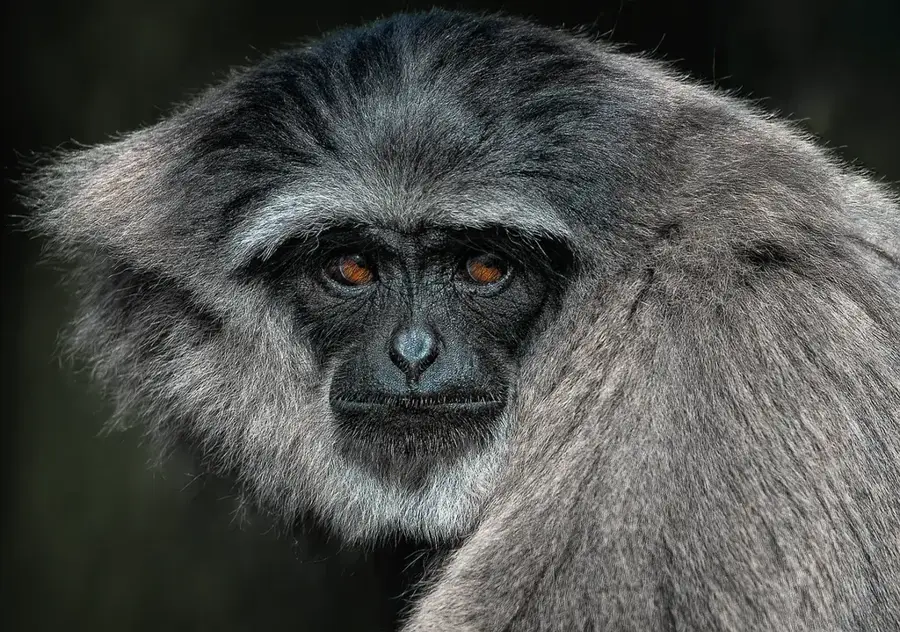
Jahoo Gibbon Camp is situated deep within the Keo Seima Wildlife Sanctuary in Mondulkiri Province and serves as a premier example of community-based ecotourism in Cambodia. The camp focuses on the conservation of the Southern Yellow-cheeked Crested Gibbon, an endangered primate species native to the region's dense evergreen forests. The project is operated through a close partnership between the indigenous Bunong community and conservation organizations like the WCS. Visitors have the rare opportunity to observe gibbons in their natural habitat as they swing through the high forest canopies. Revenue generated from tourism directly funds forest protection efforts and supports local infrastructure and educational initiatives for the Bunong people. Beyond gibbons, the sanctuary is home to an impressive variety of birds, butterflies, and other endangered species such as the black-shanked douc langur. The camp itself is designed with simplicity and sustainability in mind to minimize its ecological footprint. It serves as a vital buffer zone against illegal logging and poaching by providing a nature-compatible alternative income source for the residents.
Explore on the map
How well do you know Cambodia?
Find cities, landscapes and regions in 10 varied challenges on the interactive map.
Your journey, your memory
A postcard from Jahoo Gibbon Camp
Turn your own photo into a personal postcard with a local stamp. Free and no sign-up required.
Create a postcard- Location: Cambodia
- Nearby: Sen Monorom (7 km)
Best time to visit & climate
The most pleasant time to visit is Jan, Feb, Dec.
| Jan | Feb | Mar | Apr | May | Jun | Jul | Aug | Sep | Oct | Nov | Dec | |
|---|---|---|---|---|---|---|---|---|---|---|---|---|
| Avg °C | 25 | 27 | 30 | 31 | 29 | 27 | 26 | 26 | 26 | 26 | 26 | 25 |
| Rain mm | 6 | 2 | 9 | 28 | 103 | 161 | 168 | 187 | 143 | 115 | 63 | 18 |
📋 Practical info
Geography
Facts
- The Keo Seima Sanctuary is home to the world's largest population of yellow-cheeked gibbons.
- The camp is significantly managed and staffed by the indigenous Bunong community.
- Gibbons are famous for their unique morning duets used for territorial marking.
- More than 350 bird species have been recorded within the surrounding forest area.
- Tourism fees contribute to a community fund that finances anti-poaching patrols.
- Gibbon trekking is conducted under strict guidelines to ensure minimal animal disturbance.
Explore nearby
Notable places around
Route planner — Car & Motorhome
Where do you start? We build the route here, with stops and country notes along the way.
© OpenStreetMap contributors · OpenRouteService
Sights nearby
Frequently asked questions
Where is Jahoo Gibbon Camp located?
Can you see gibbons there?
Do you have to stay overnight at the camp?
What is the accommodation like at the camp?
Is the visit suitable for everyone?
Jahoo Gibbon Camp: where is it located?
Jahoo Gibbon Camp: when is the best time to visit?
Jahoo Gibbon Camp: why is it worth visiting?

Nearby cities
More places