Plizio Visual Lab
Puna Tsang Chhu
Weather…
Water temperature…
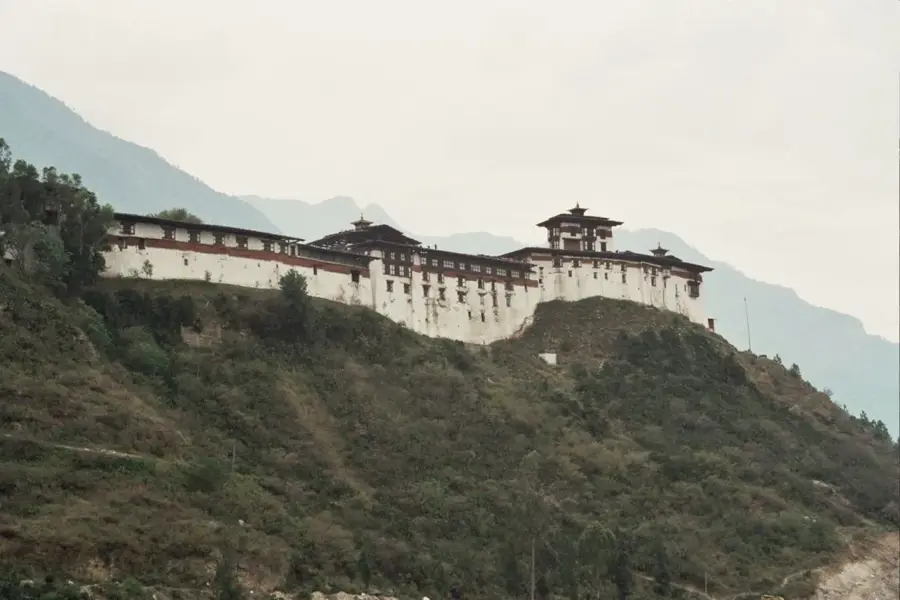
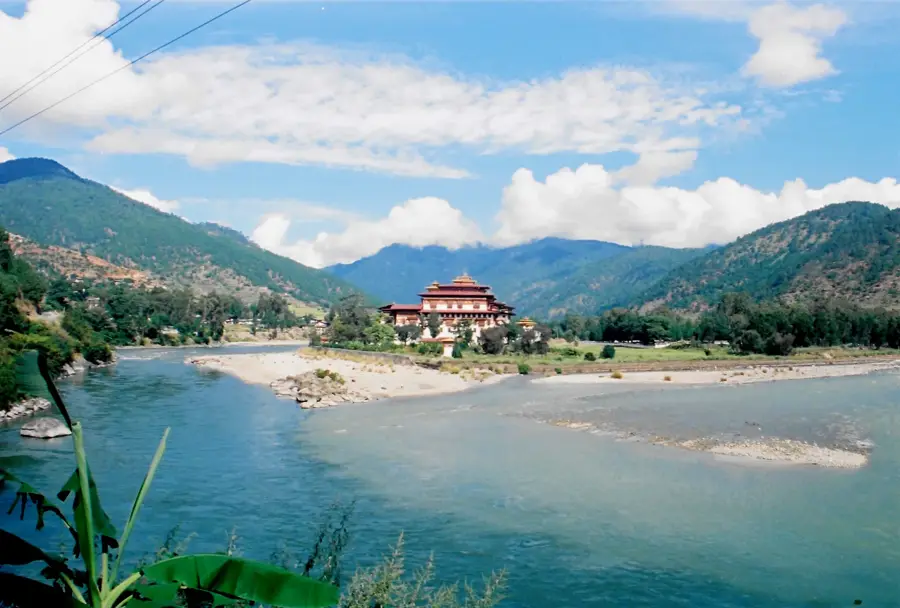
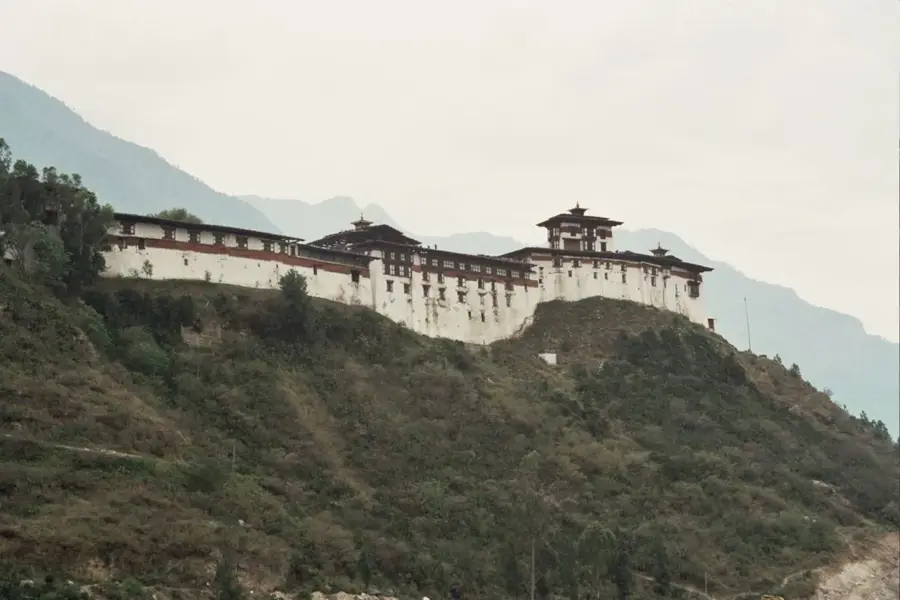
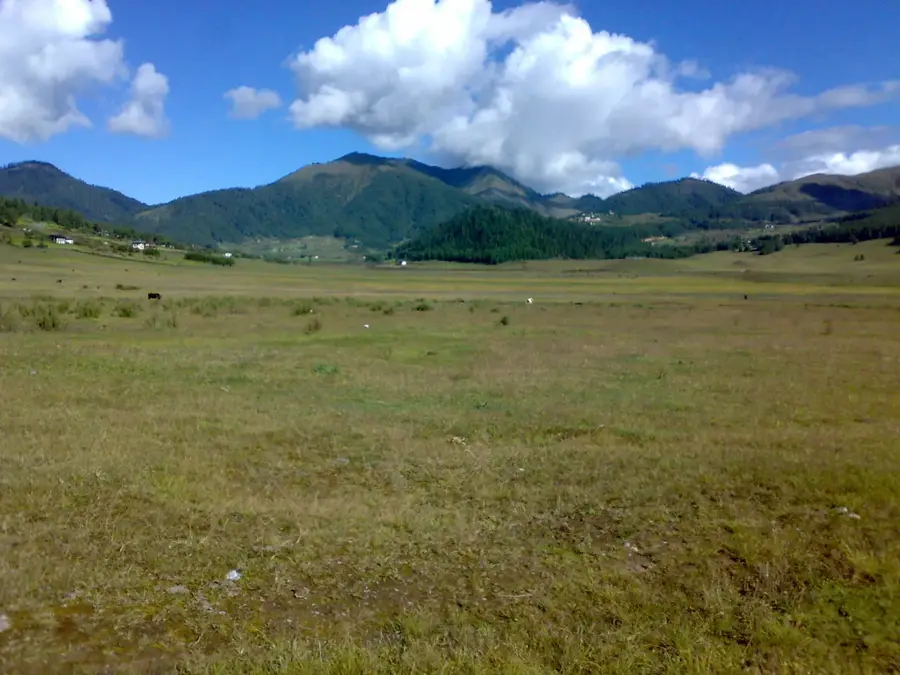
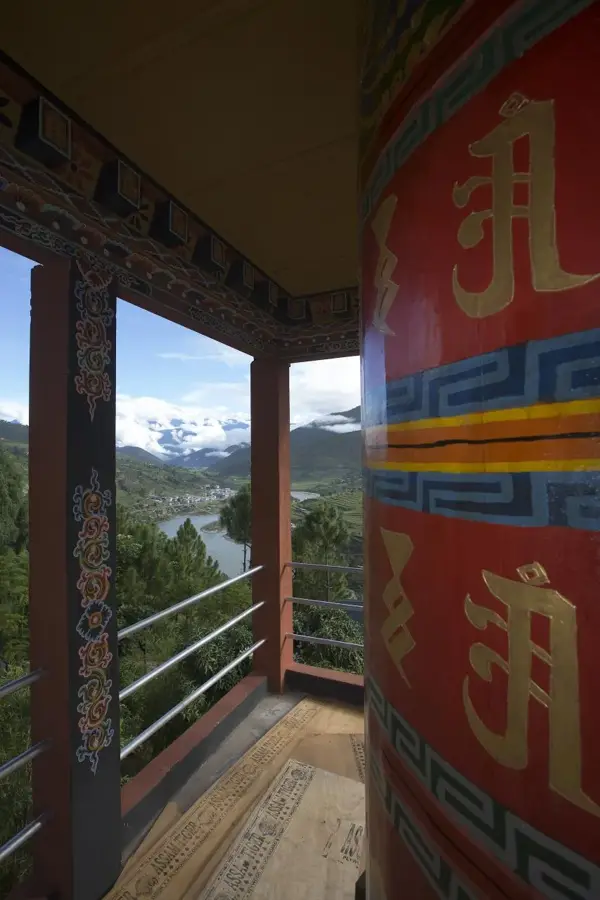
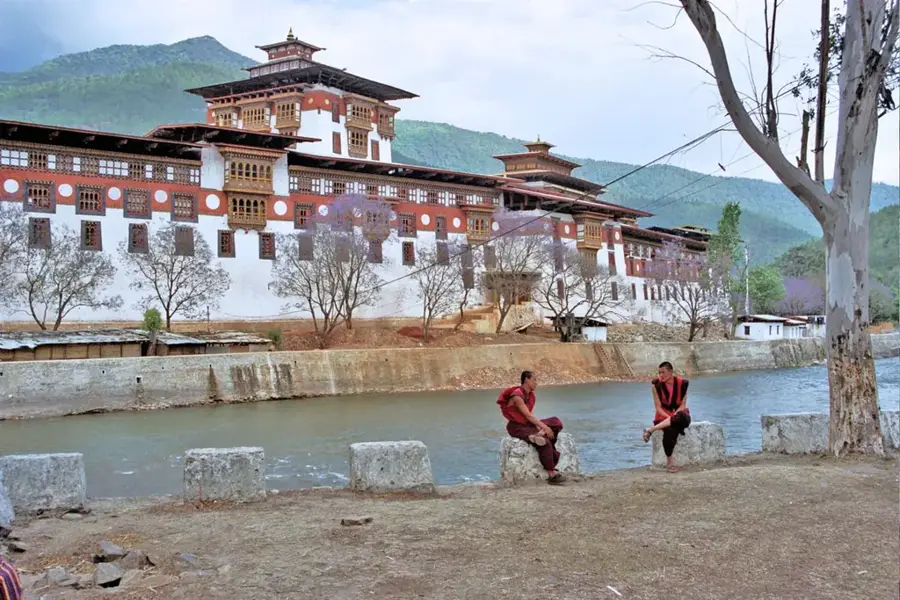
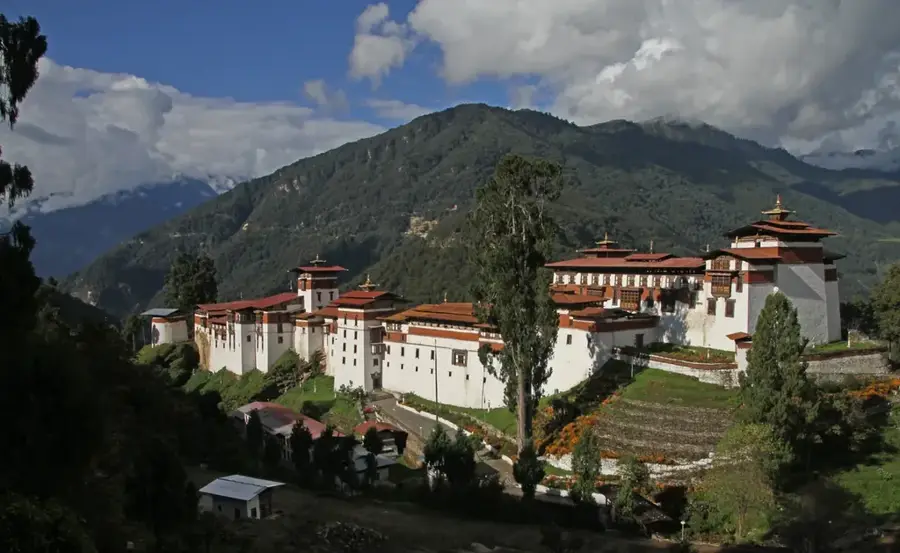
The Puna Tsang Chhu is one of Bhutan's major rivers. It is formed by the confluence of the Pho Chhu (male) and Mo Chhu (female) rivers at Punakha Dzong. After this symbolic union, the river flows south through the districts of Wangdue Phodrang, Dagana, and Tsirang before reaching India, where it is known as the Sankosh and eventually flows into the Brahmaputra. The river has enormous hydroelectric potential, which is being harnessed through the construction of two large hydroelectric projects, PHEP I and PHEP II. These projects are of central importance to the Bhutanese economy, as the export of electricity to India is a main source of the country's revenue. The valley of the Puna Tsang Chhu is fertile and is used intensively for agriculture, especially for rice cultivation. The river shapes the landscape and the lives of the people in central and southern Bhutan.
Explore on the map
How well do you know Bhutan?
Find cities, landscapes and regions in 10 varied challenges on the interactive map.
Your journey, your memory
A postcard from Puna Tsang Chhu
Turn your own photo into a personal postcard with a local stamp. Free and no sign-up required.
Create a postcard- Location: Bhutan
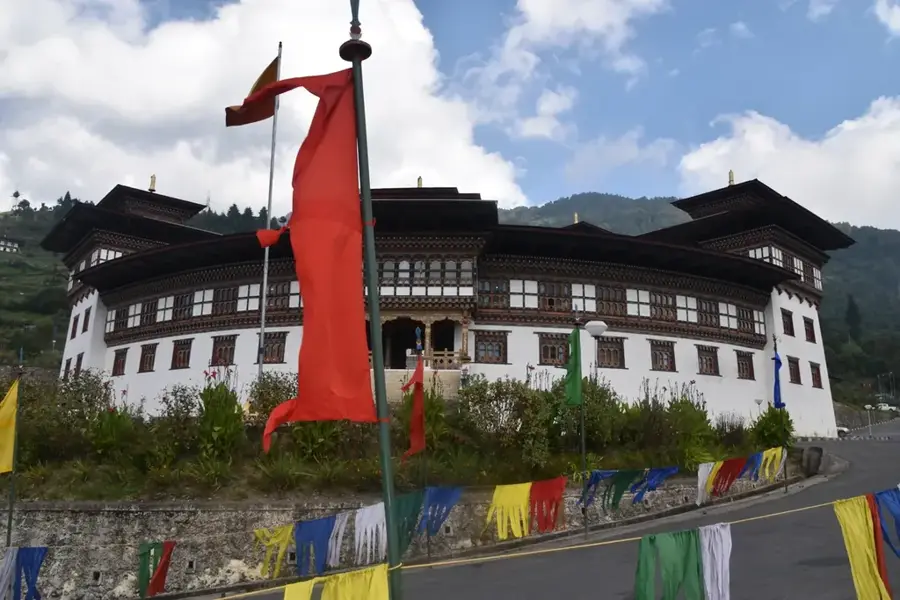
- Highlights: Bajo Lhakhang · Choekhang
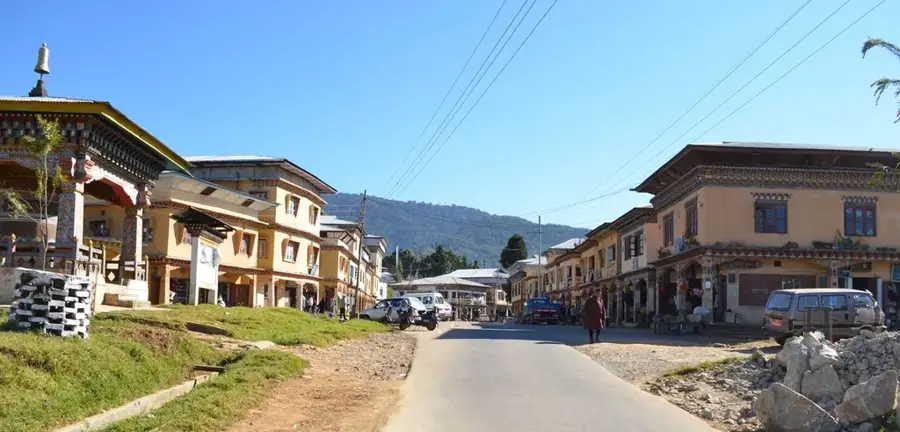
- Nearby: Khuruthang (4 km)
Best time to visit & climate
The most pleasant time to visit is Sep–Nov.
| Jan | Feb | Mar | Apr | May | Jun | Jul | Aug | Sep | Oct | Nov | Dec | |
|---|---|---|---|---|---|---|---|---|---|---|---|---|
| Avg °C | 1 | 2 | 5 | 8 | 11 | 14 | 15 | 14 | 13 | 9 | 5 | 3 |
| Rain mm | 4 | 12 | 32 | 74 | 119 | 164 | 254 | 202 | 130 | 55 | 4 | 2 |
📋 Practical info
Geography
Facts
- Central to energy production.
- Flows towards India.
- Crucial lifeline for agriculture.
Explore nearby
Notable places around
Route planner — Car & Motorhome
Where do you start? We build the route here, with stops and country notes along the way.
© OpenStreetMap contributors · OpenRouteService
Sights in the town Puna Tsang Chhu (2)
Sights nearby
Frequently asked questions
Where do the Pho Chhu and Mo Chhu rivers meet?
What is the river's water used for?
Are there bridges over the river?
Can you walk along the river?
What birds live on the banks?
Puna Tsang Chhu: where is it located?
Puna Tsang Chhu: what is there to see?
Puna Tsang Chhu: when is the best time to visit?
Puna Tsang Chhu: why is it worth visiting?
Nearby cities
History & landmarks
More places