Attractions in French Guiana
The finest attractions in French Guiana at a glance: castles, natural wonders, historic old towns and more. Each place links to a detailed page with map, tips and photos.
Culture & History
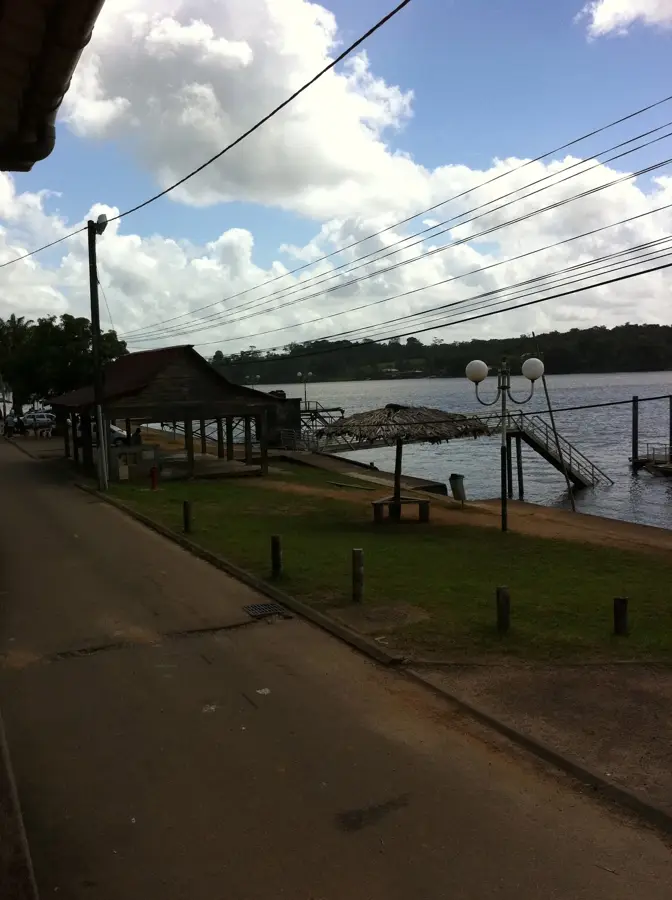
Oyapock River Bridge
An international cable-stayed bridge over the Oyapock River, connecting Saint-Georges in French Guiana to Oiapoque in Brazil.
Learn more →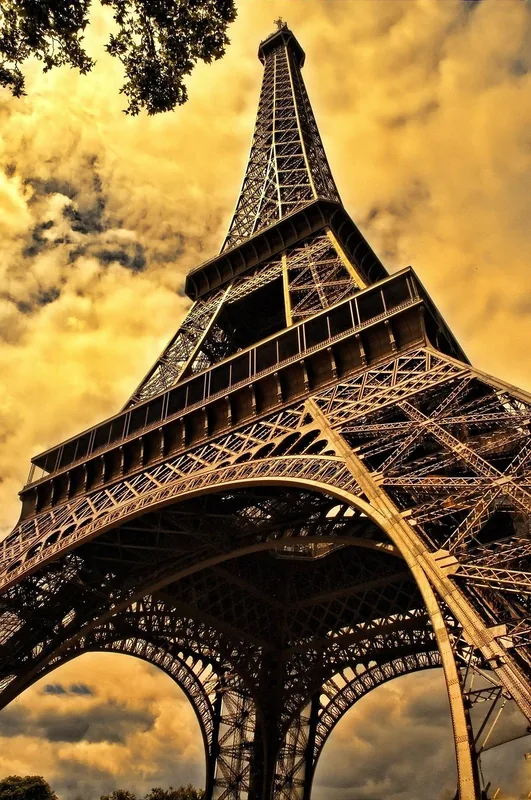
Dreyfus Tower
An old signal tower in Kourou, once used to communicate with the nearby Devil's Island during the penal colony era.
Learn more →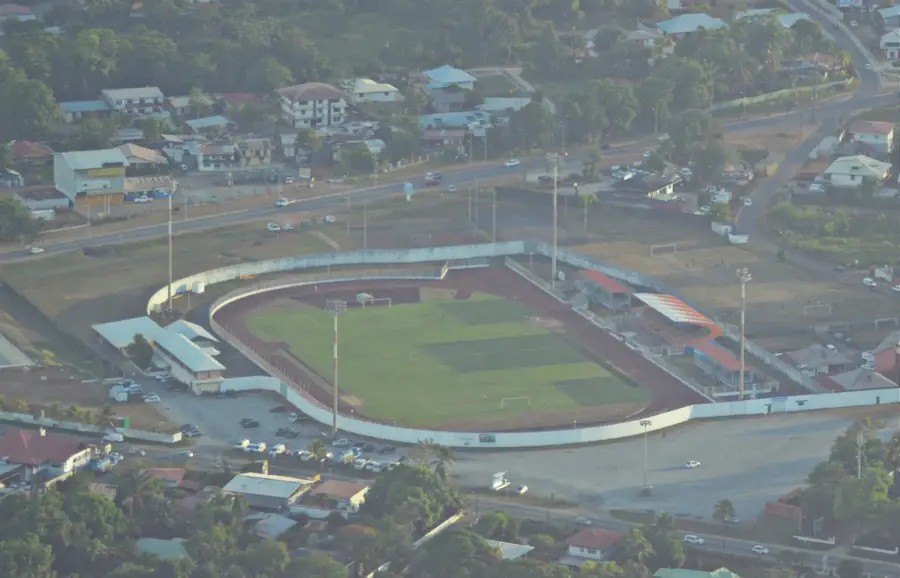
Stade Georges-Chaumet
The largest multi-purpose stadium in Cayenne, regularly used for major football matches and athletics events.
Learn more →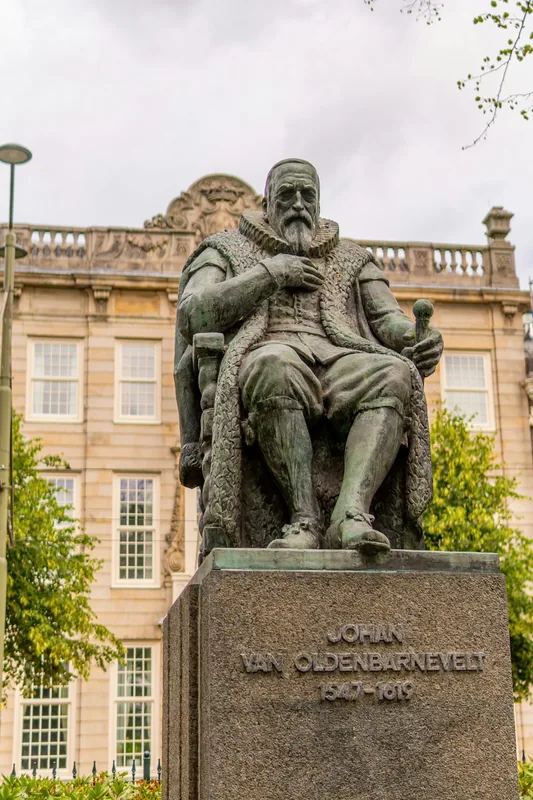
Victor Schœlcher Statue
A significant monument to Victor Schœlcher, who played a crucial role in abolishing slavery in the French colonies.
Learn more →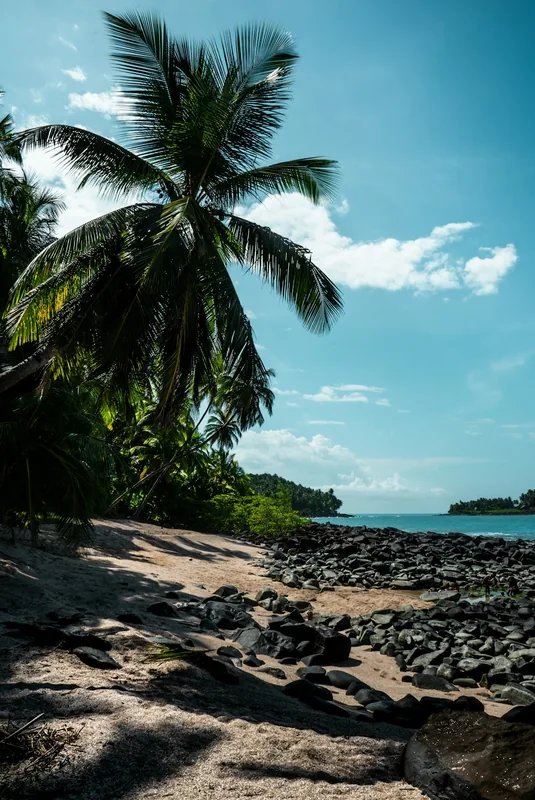
Prefecture of French Guiana
The official seat of the prefect and an outstanding example of French colonial administration in the Caribbean and South America.
Learn more →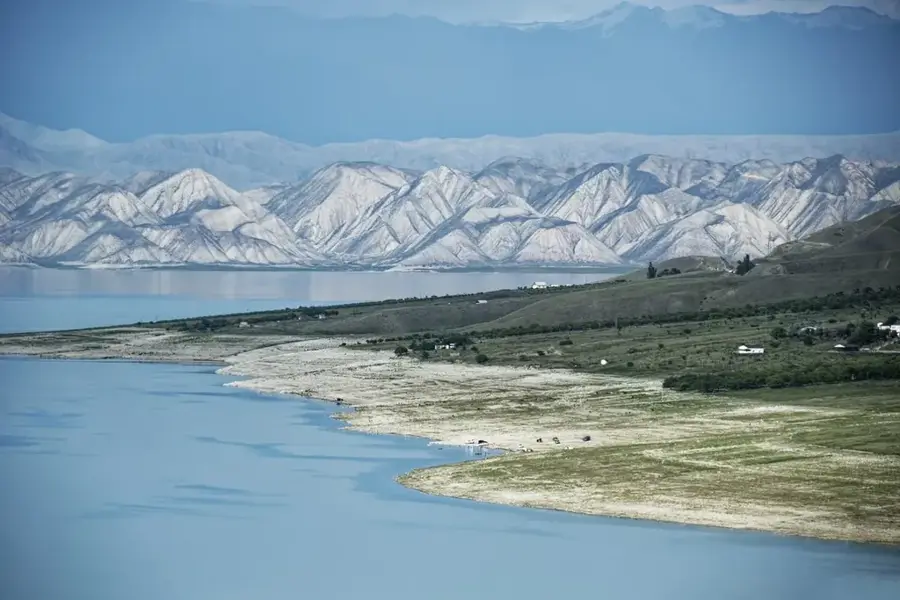
Petit-Saut Dam
A massive hydroelectric dam on the Sinnamary River that supplies a significant portion of electricity for French Guiana.
Learn more →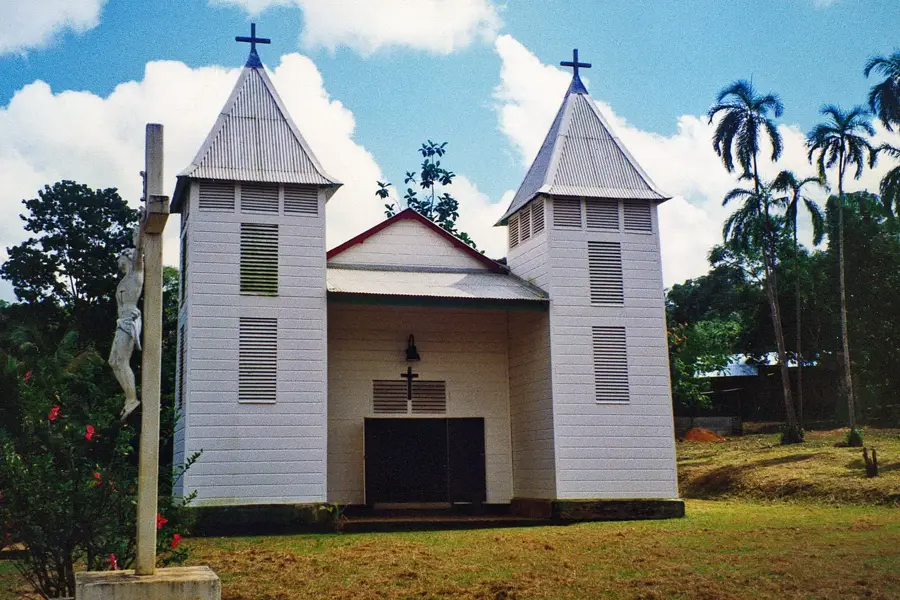
Saint Anthony of Padua Church
A charming wooden church in the middle of the Amazon rainforest in the remote community of Saül, an ecotourism hub.
Learn more →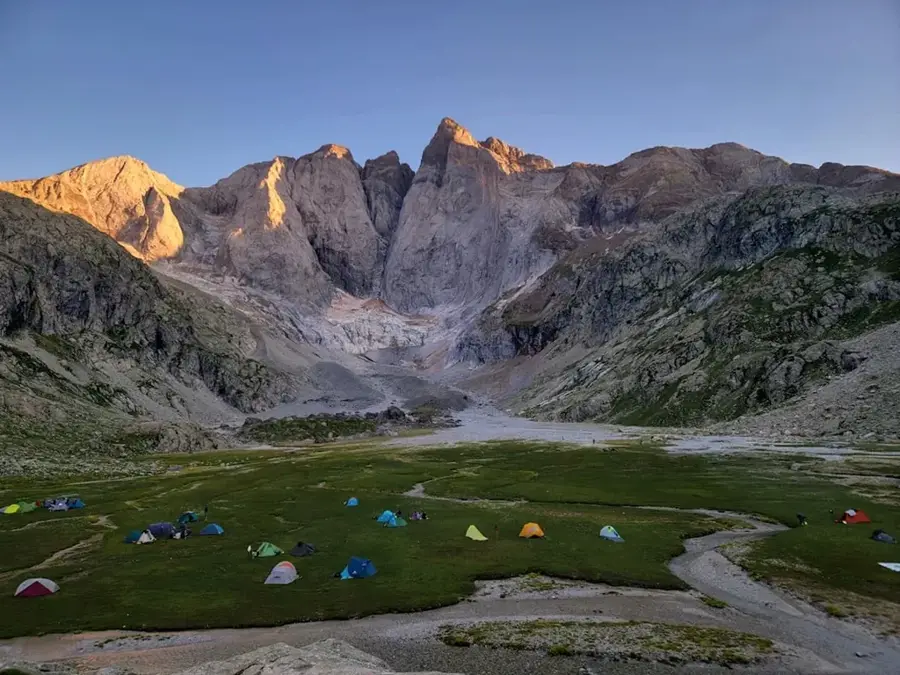
Saint-Jean-du-Maroni Camp
The abandoned remains of the relegation camp, which formerly housed repeat offenders from the French justice system.
Learn more →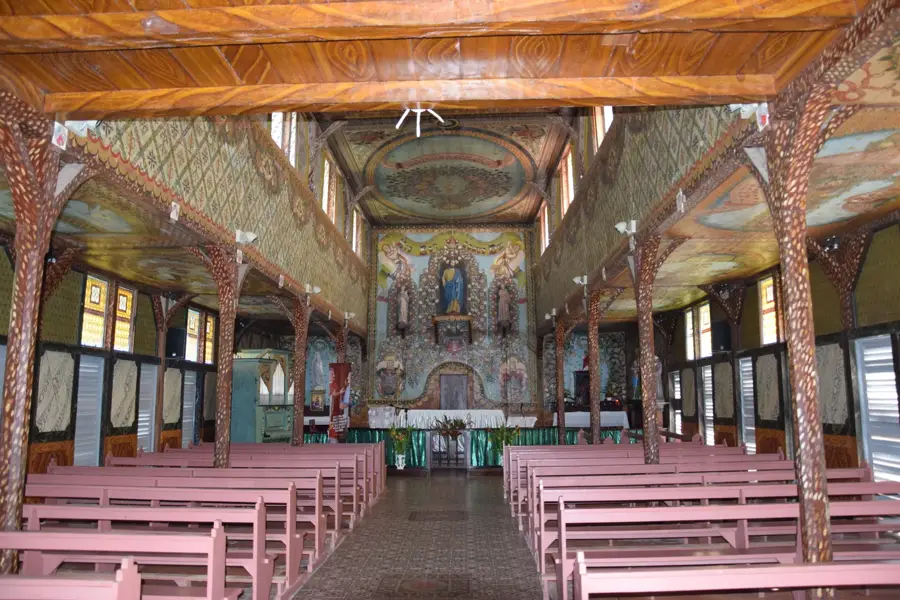
Saint-Joseph Church of Iracoubo
A colorful and elaborately decorated wooden church in Iracoubo, painted entirely on the inside by a former convict.
Learn more →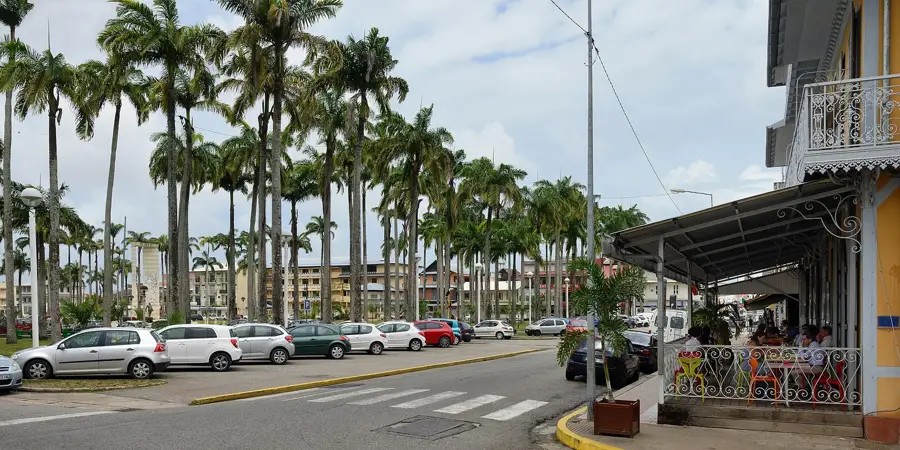
Cayenne Lighthouse
A historic lighthouse at Fort Cépérou that served as another vital landmark for coastal shipping.
Learn more →
Cayenne Central Market
The bustling central market of Cayenne, housed in an iconic steel structure and famous for its local spices.
Learn more →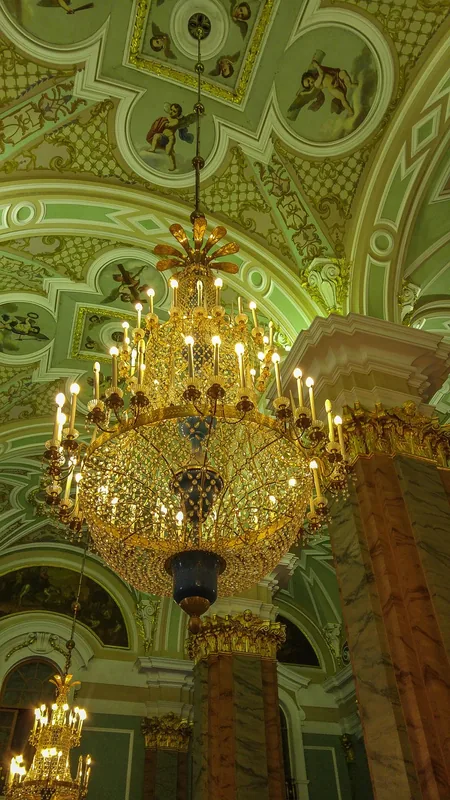
Saint-Sauveur Cathedral
The main church of Cayenne, built in colonial style, is a notable historical monument in the center of the capital.
Learn more →
Félix Éboué House
The historical birthplace of famous politician Félix Éboué, which today is a small museum about Guiana's history.
Learn more →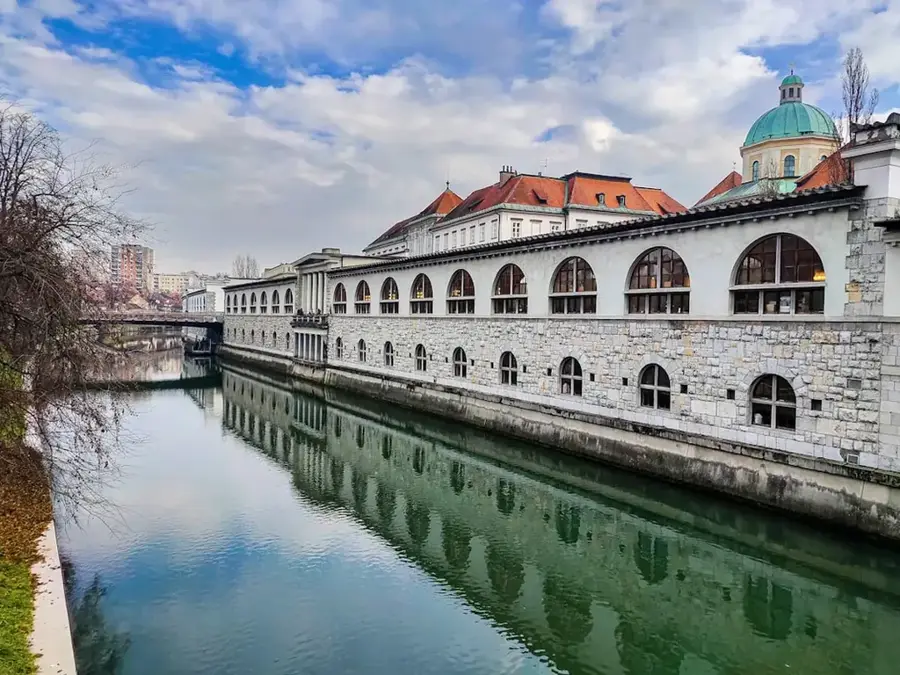
Cacao Bridge
A distinctive bridge that provides access to the community of Cacao, where many Hmong refugees found a new home.
Learn more →Nature
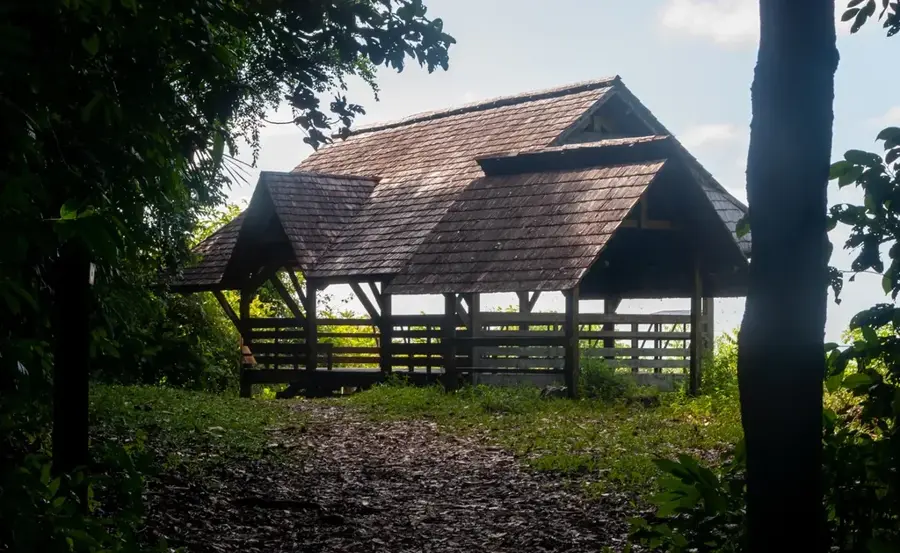
Monkey Mountain
Monkey Mountain near Kourou offers hiking trails and a great view of the space center.
Learn more →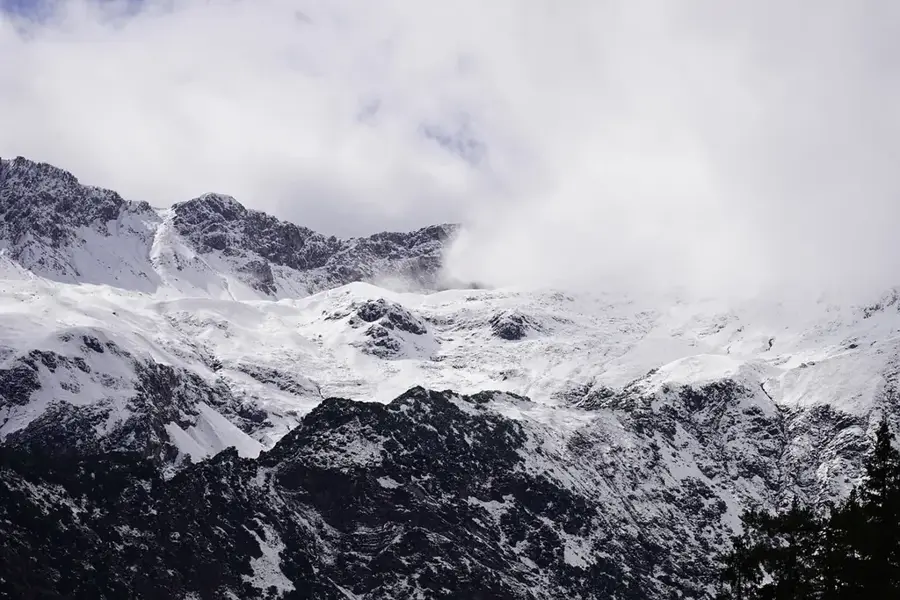
Sommet Tabulaire
The Sommet Tabulaire is a prominent tabletop mountain in central French Guiana.
Learn more →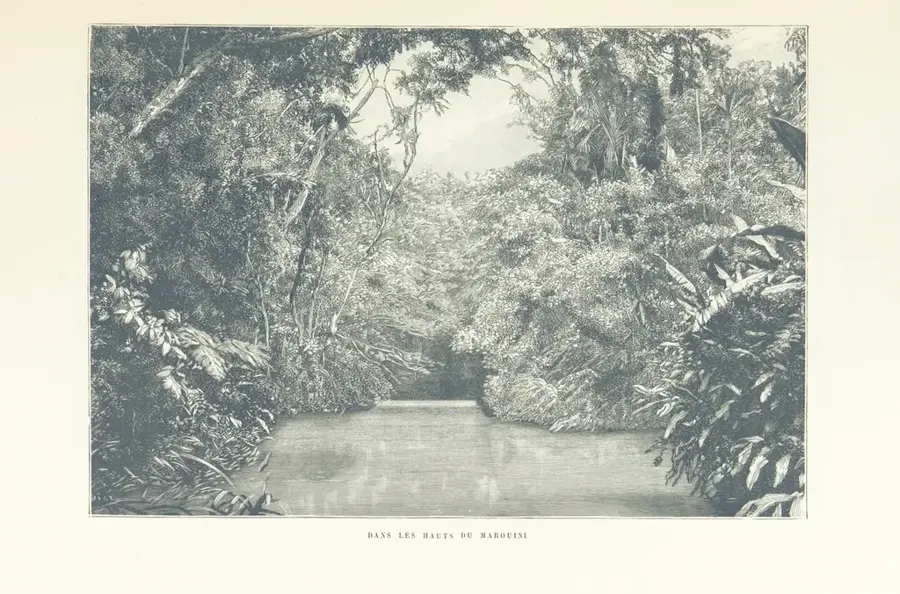
Pic Coudreau
A 711-meter-high mountain peak, named after explorer Henri Coudreau.
Learn more →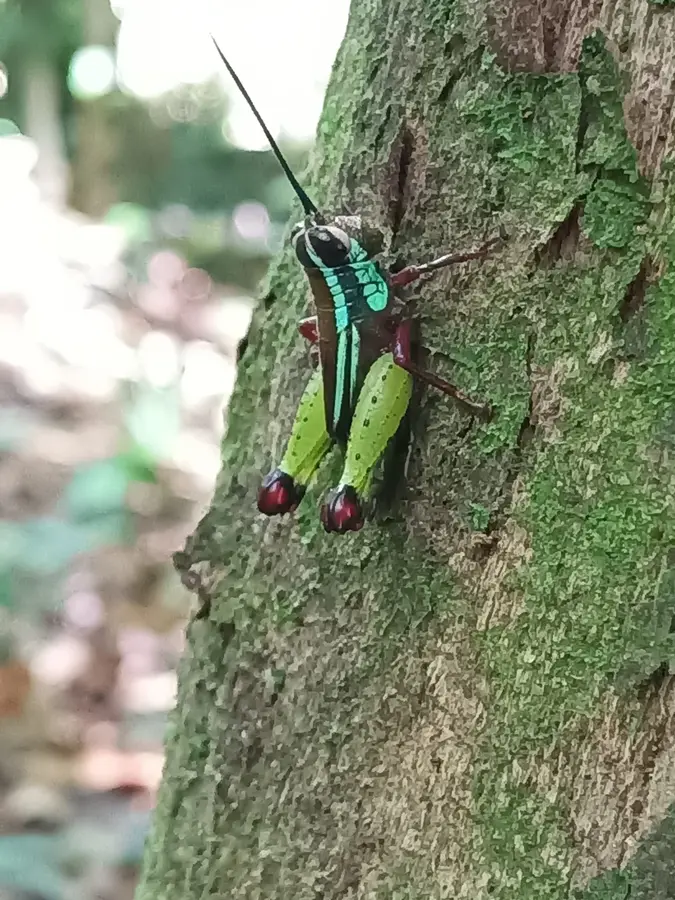
Mont Galbao
A mountain formation about 700 meters high with a unique ecosystem.
Learn more →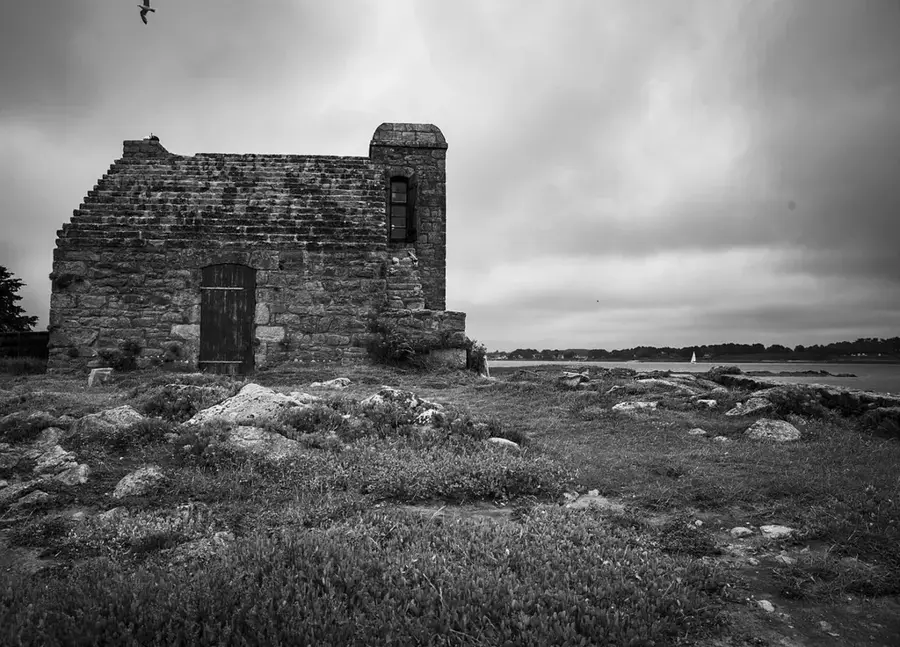
Trinité Mountains
An isolated mountain massif in the center of the French Guiana rainforest.
Learn more →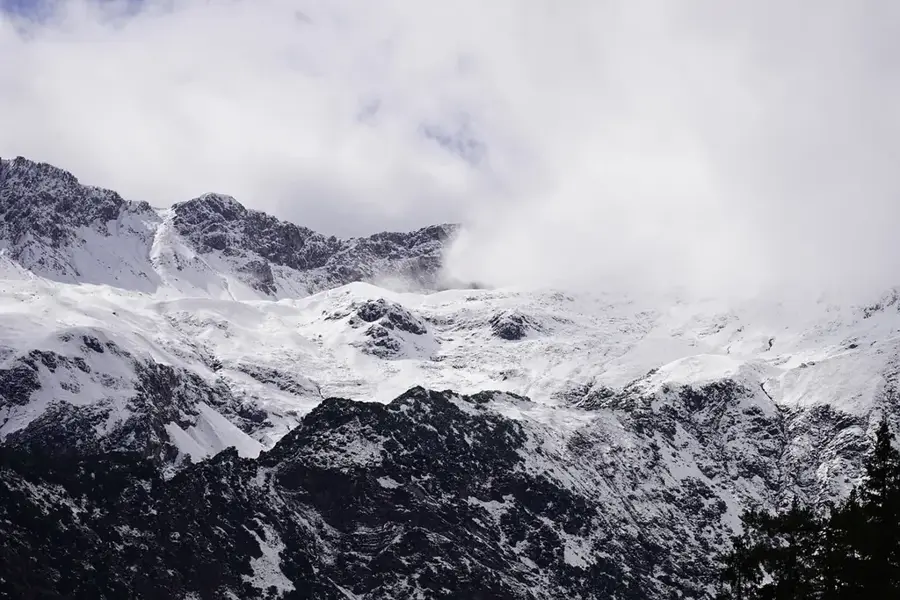
Sommet Émeric
A remote elevation in the deep forest of French Guiana.
Learn more →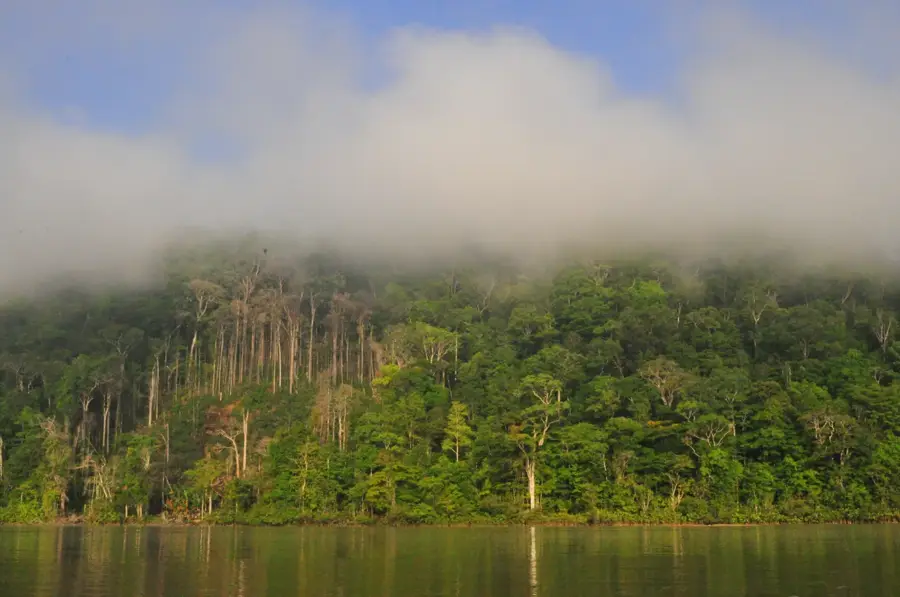
Maroni River
The Maroni is the longest river in French Guiana, forming the border with Suriname.
Learn more →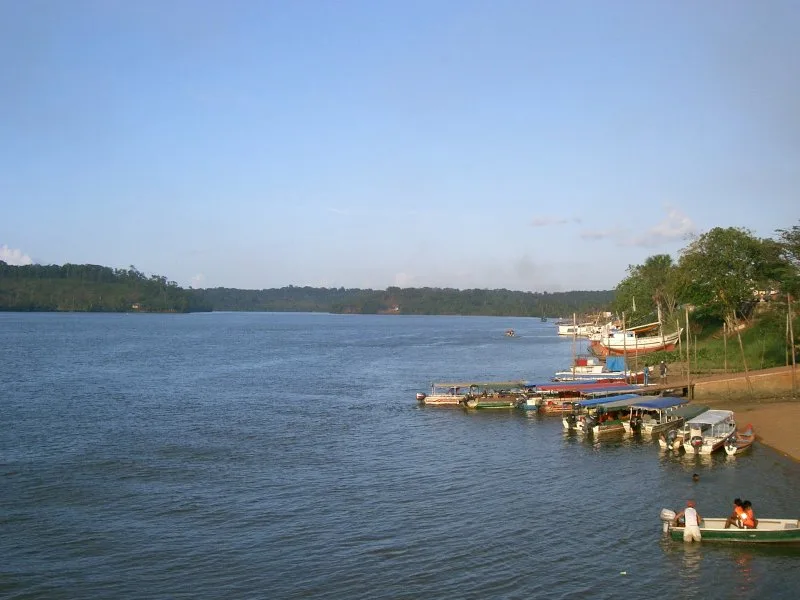
Oyapock River
The Oyapock River forms the natural border between French Guiana and Brazil.
Learn more →More highlights
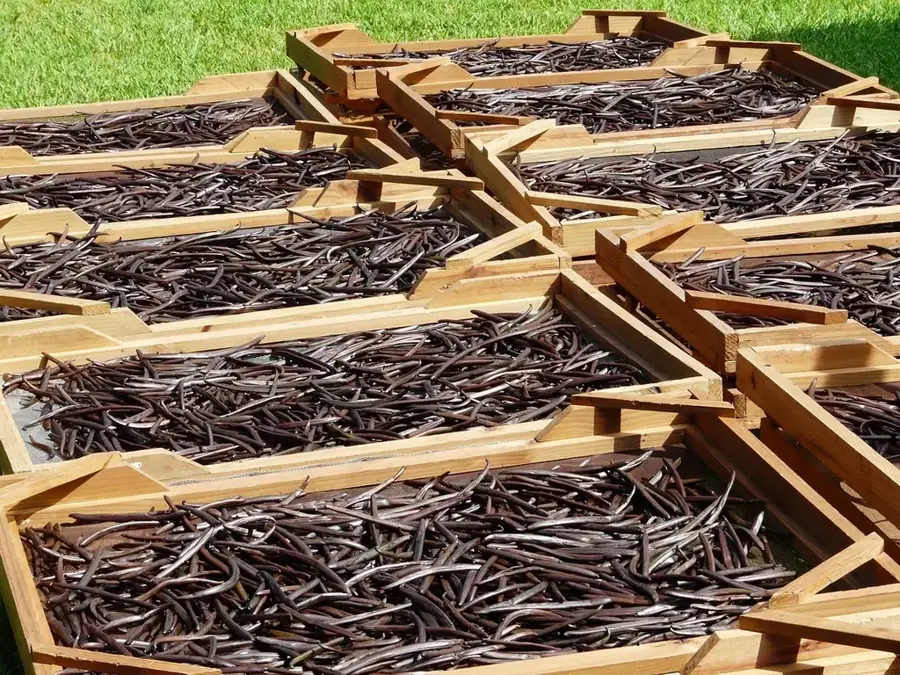
Regina Vanilla Plantation
A sustainable plantation near Regina that cultivates natural vanilla deep in the forest, one of the region's most valuable crops.
Learn more →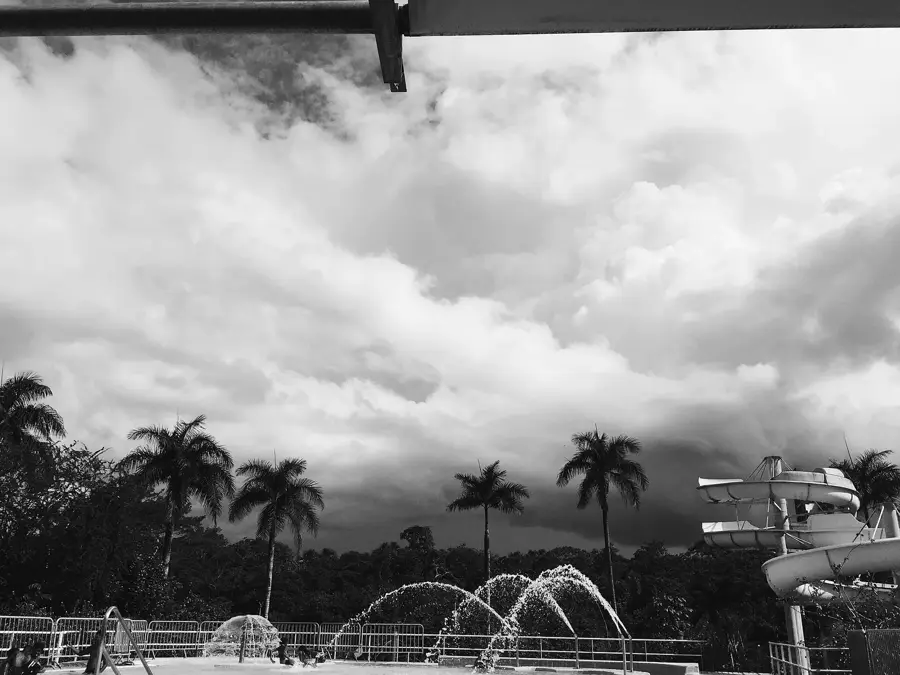
Matoury Educational Farm
A farm designed specifically for schoolchildren in Matoury, where they can learn about livestock and vegetable gardening.
Learn more →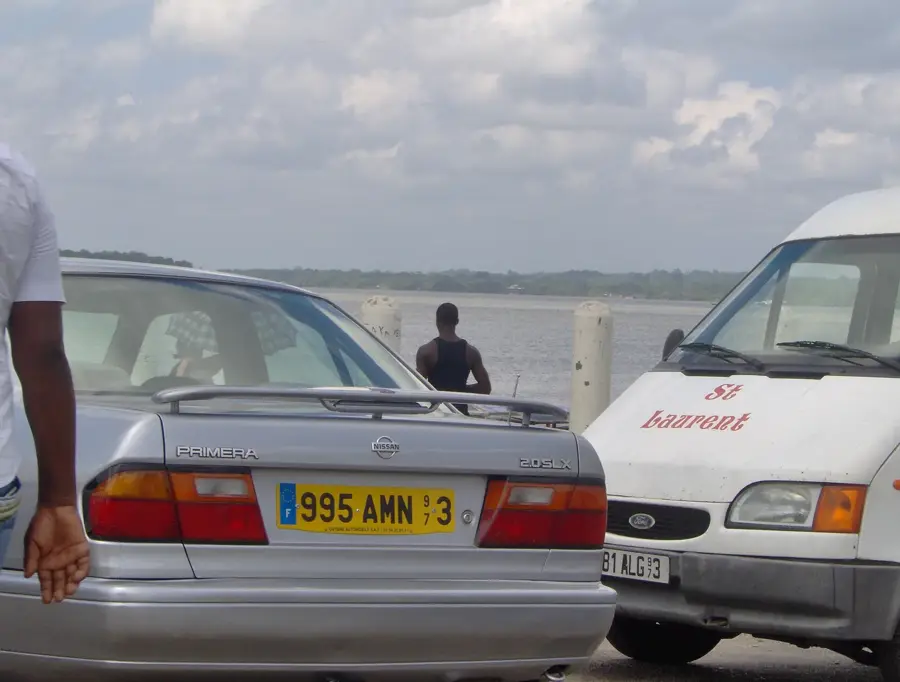
Toucan Rum Distillery
A local agricultural business in Saint-Laurent that grows sugarcane and traditionally processes it into quality rum.
Learn more →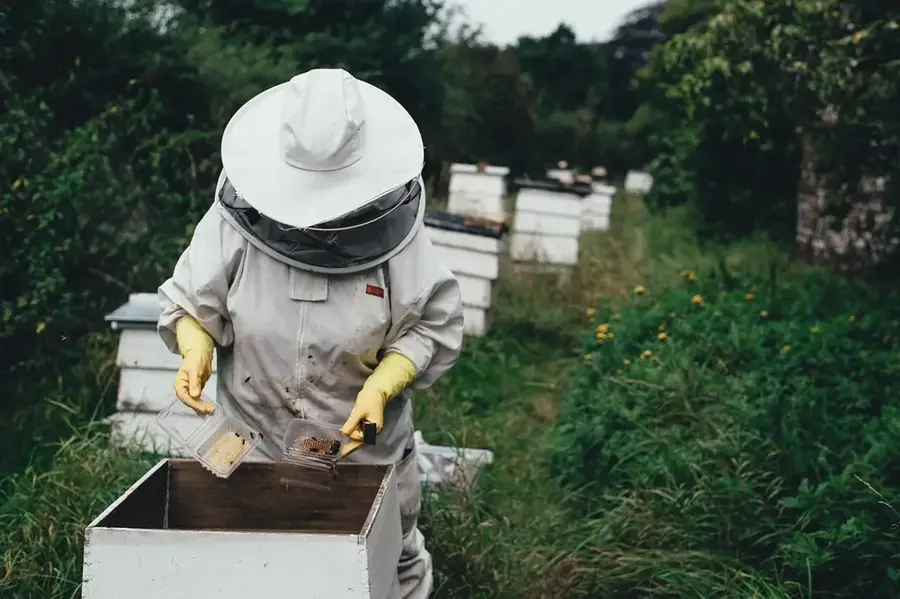
Macouria Bee Farm
A tropical apiary producing unique rainforest honey and teaching children about the importance of pollination.
Learn more →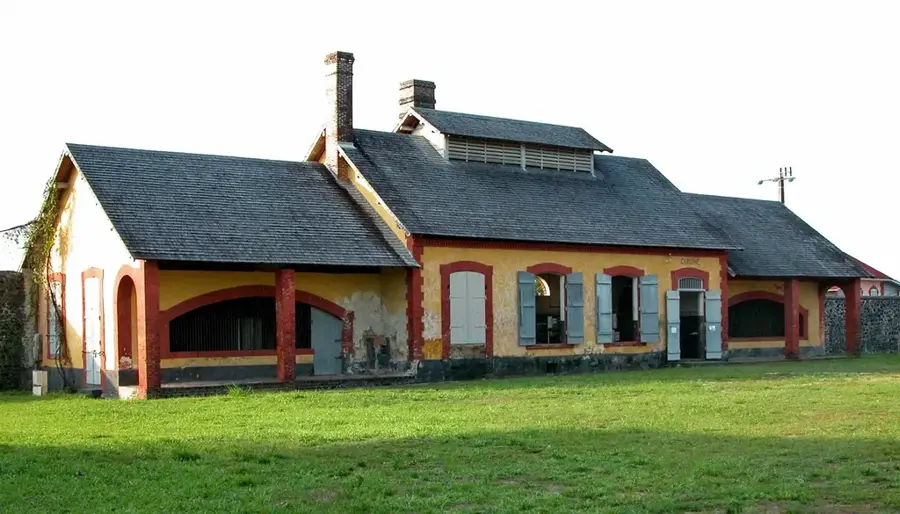
Camp de la Transportation
The main penal colony facility where prisoners arrived in French Guiana before being distributed.
Learn more →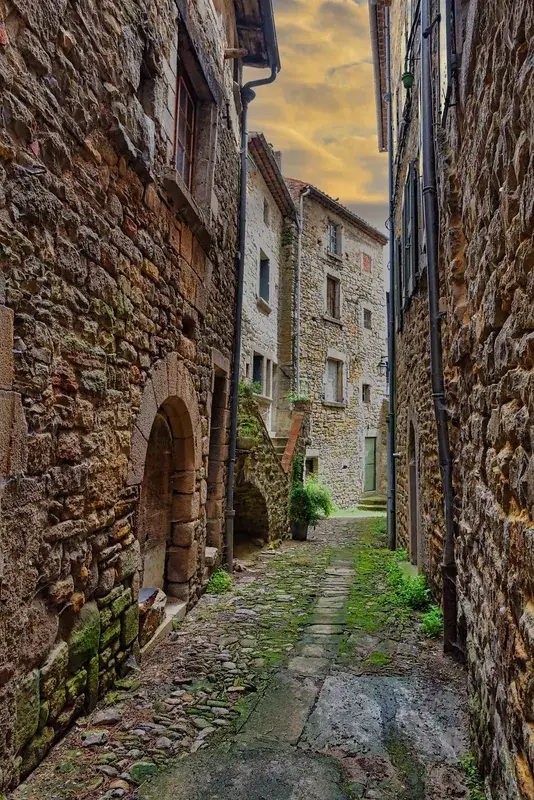
Vestiges de Guisanbourg
The abandoned remains of a 19th-century agricultural town that once thrived on sugar cane.
Learn more →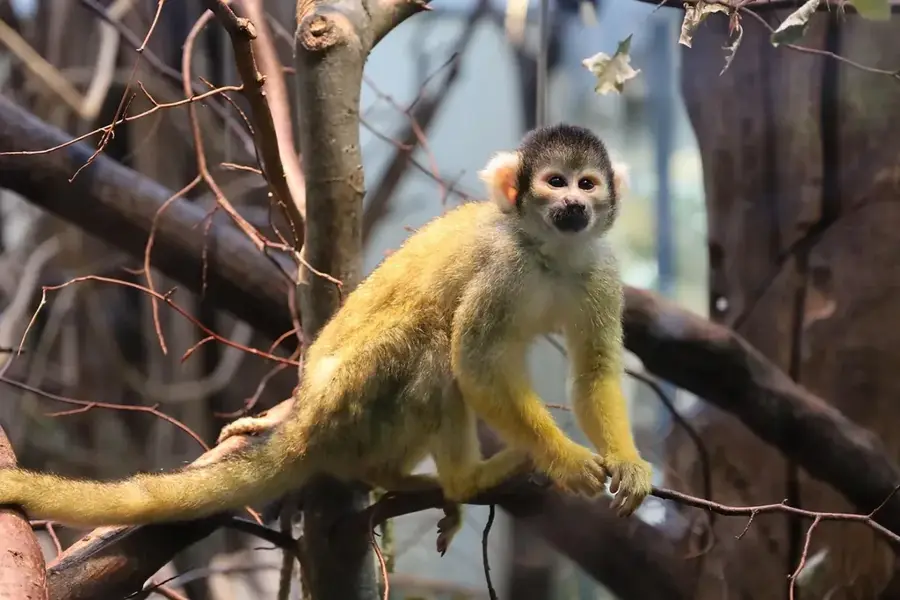
Îlet la Mère Monkey Island
A small offshore island known for its free-roaming squirrel monkeys that often greet visitors.
Learn more →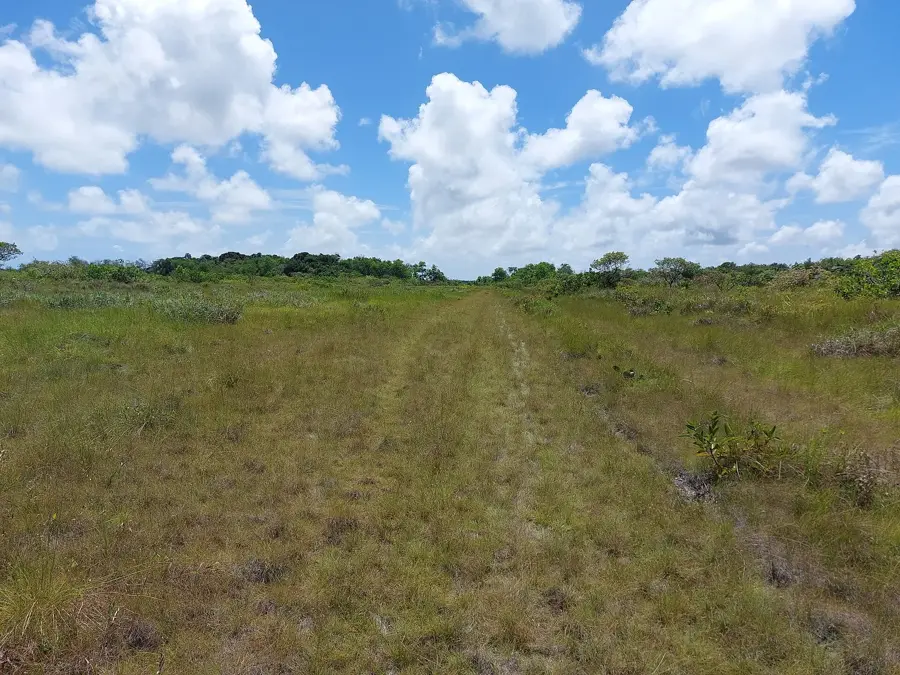
Sinnamary Zebu Farm
An expansive cattle farm in the savannas of Sinnamary specializing in heat-resistant Zebu cattle.
Learn more →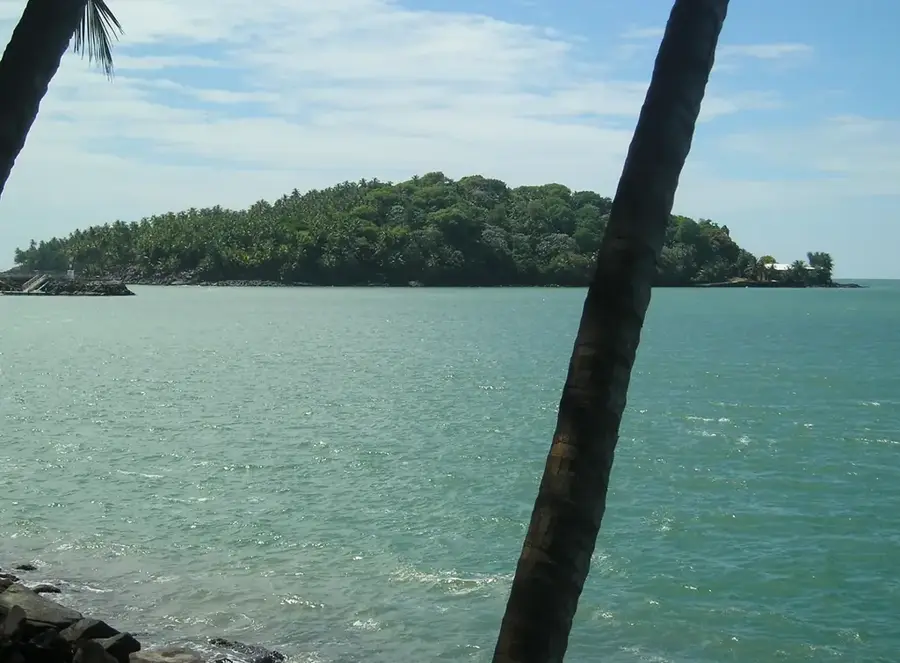
Île Saint-Joseph
The southernmost island of the group, known as the 'silent island' where solitary confinement was enforced.
Learn more →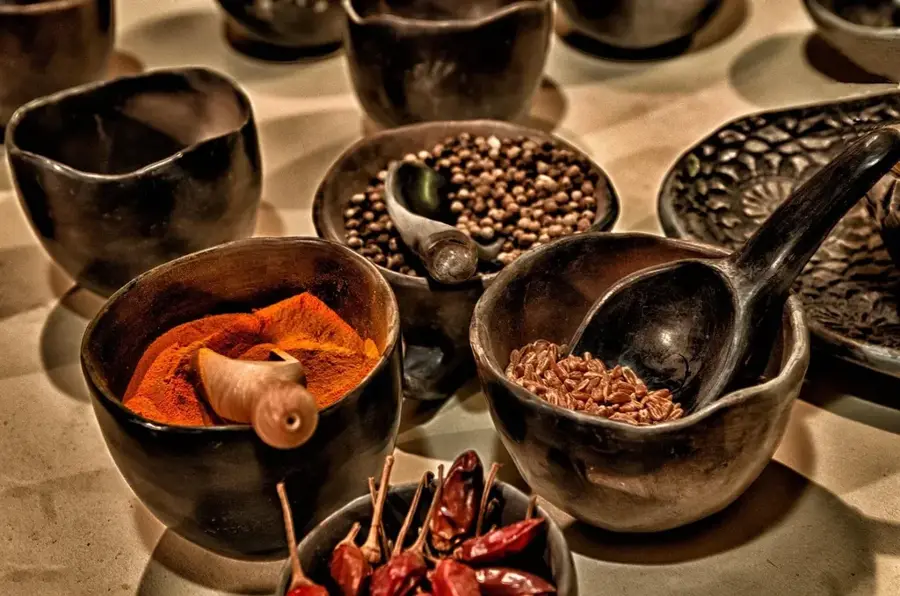
Poudrière de Cayenne
A 19th-century gunpowder magazine used by the French military to store explosives.
Learn more →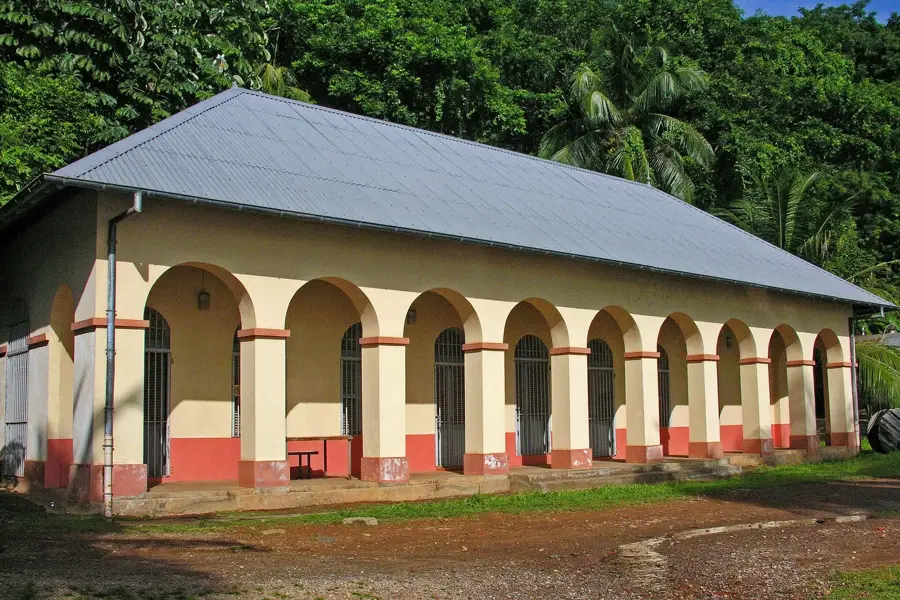
Île Royale
The largest of the Salvation's Islands, serving as the administrative headquarters for the penal colony.
Learn more →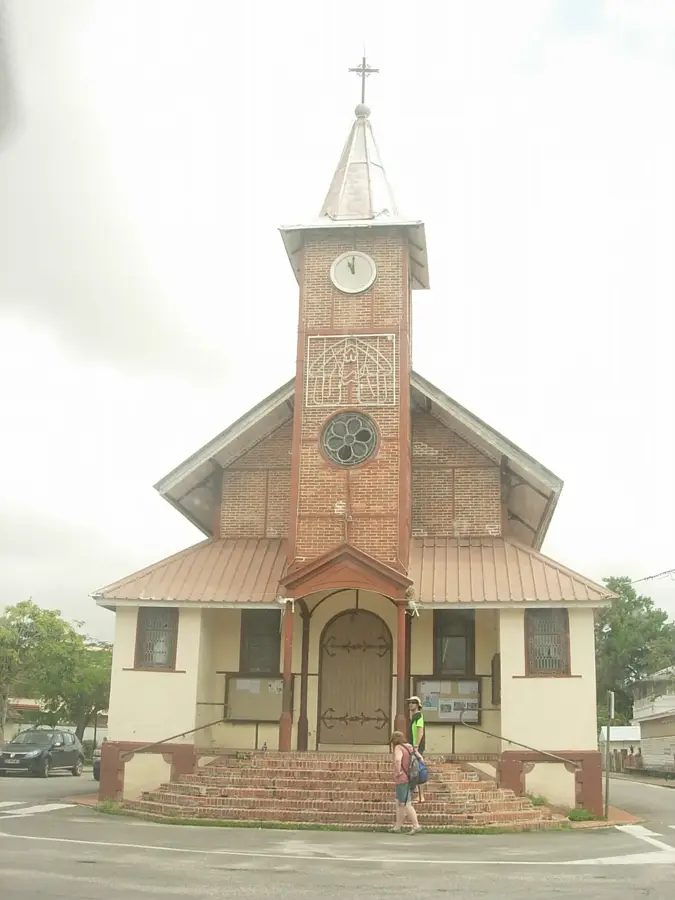
Église de Saint-Laurent-du-Maroni
A prominent church in the border city, built in the early 20th century by convicts.
Learn more →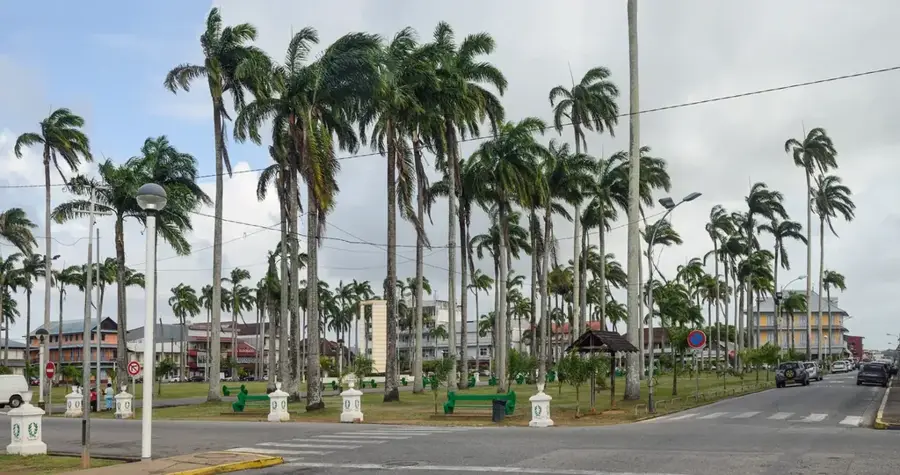
Place des Palmistes
The main square in Cayenne, surrounded by historic colonial buildings and towering palm trees.
Learn more →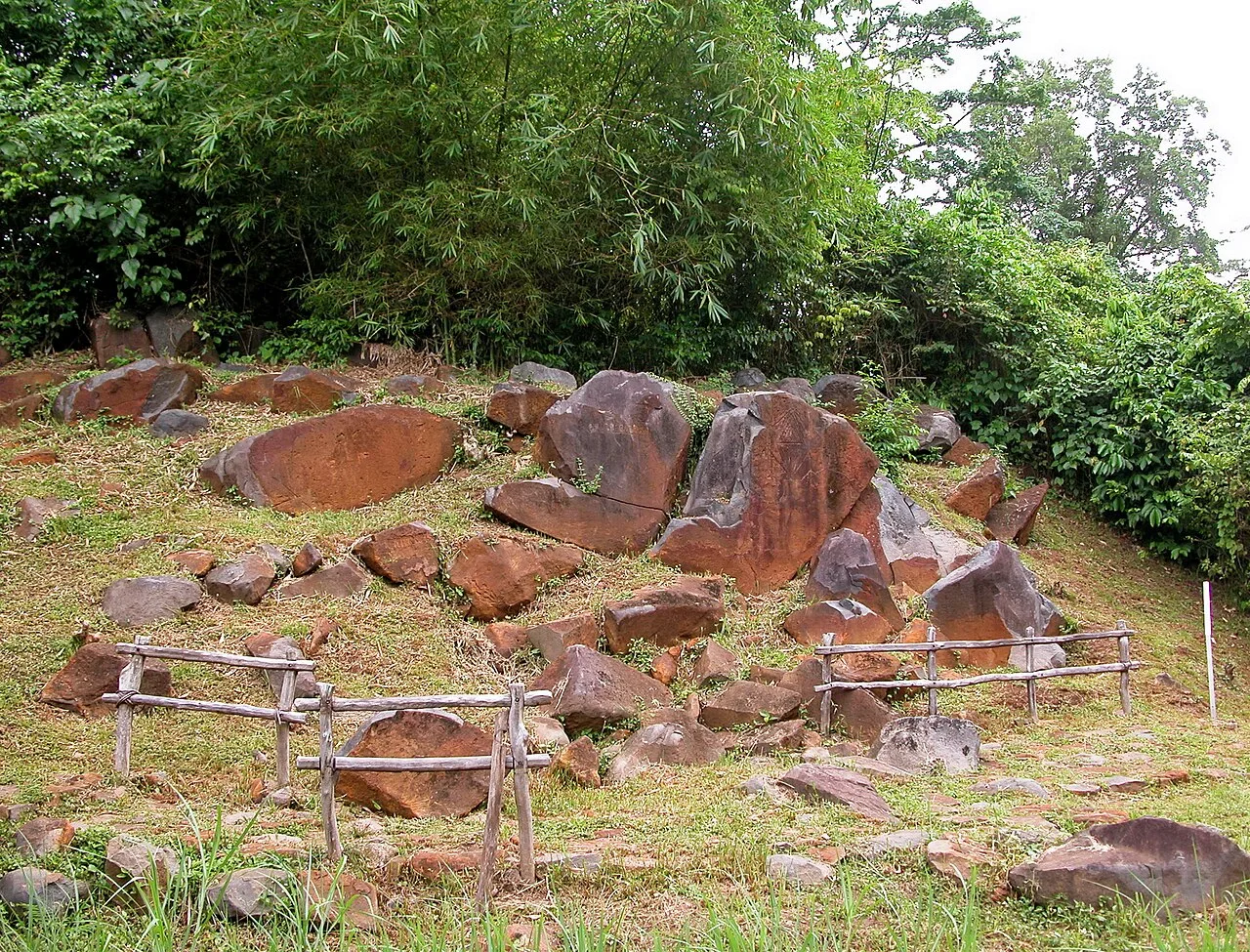
Fort Diamant
A 19th-century coastal battery built to protect the entrance to the Mahury River.
Learn more →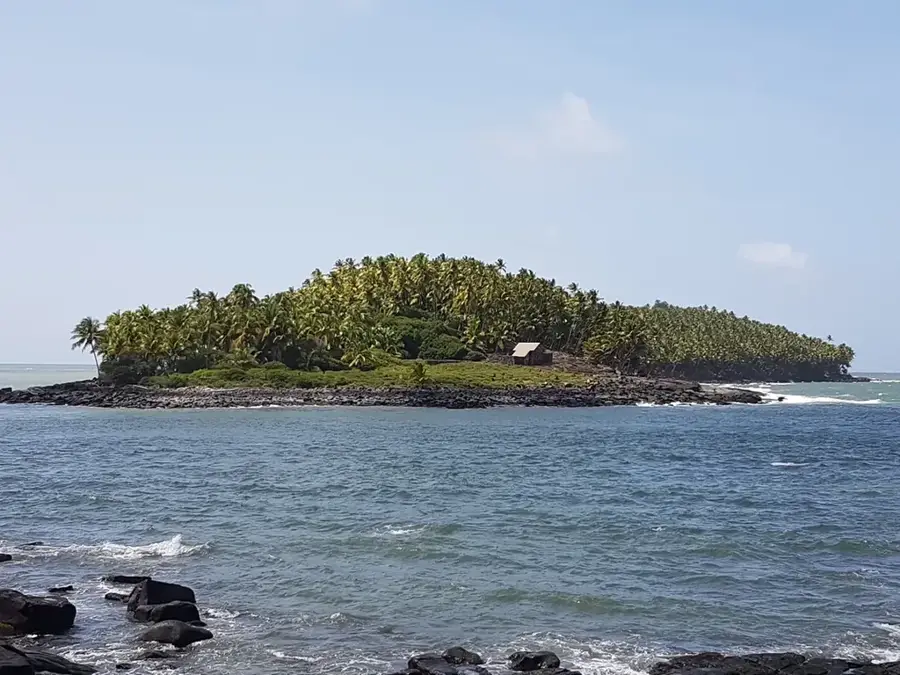
Île du Diable
Famous penal colony island where political prisoners like Alfred Dreyfus were held.
Learn more →
Inini Chain
A mountainous zone in the heart of French Guiana, historically significant for gold miners.
Learn more →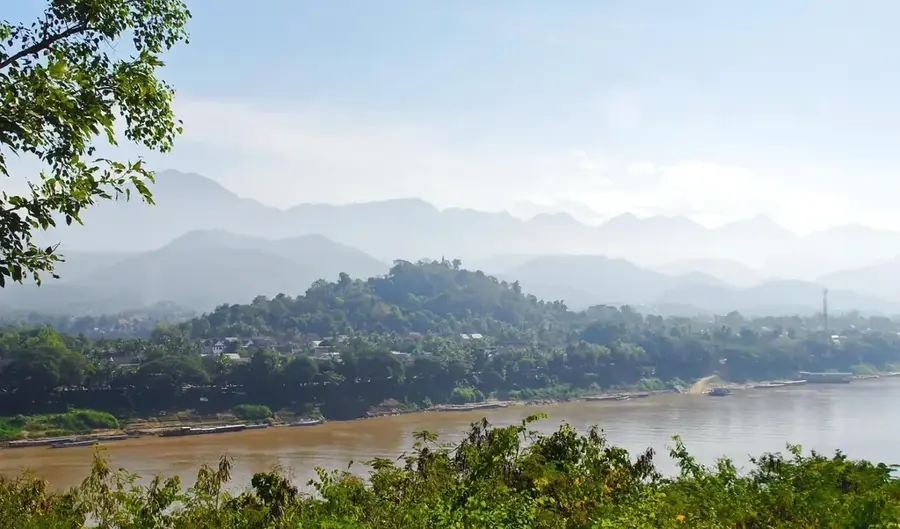
Bagne des Annamites
Ruins of a former penal colony built specifically to hold Indochinese prisoners.
Learn more →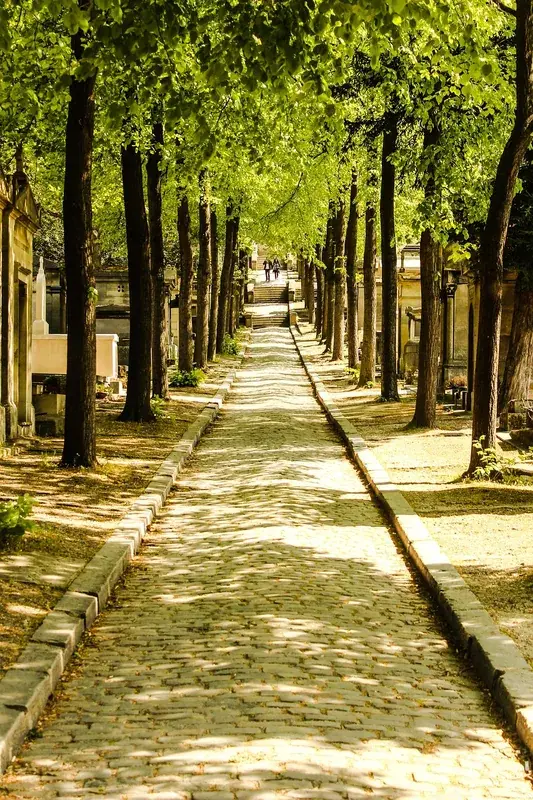
Cimetière des Relégués
A somber cemetery in Saint-Jean-du-Maroni where many exiled prisoners were buried.
Learn more →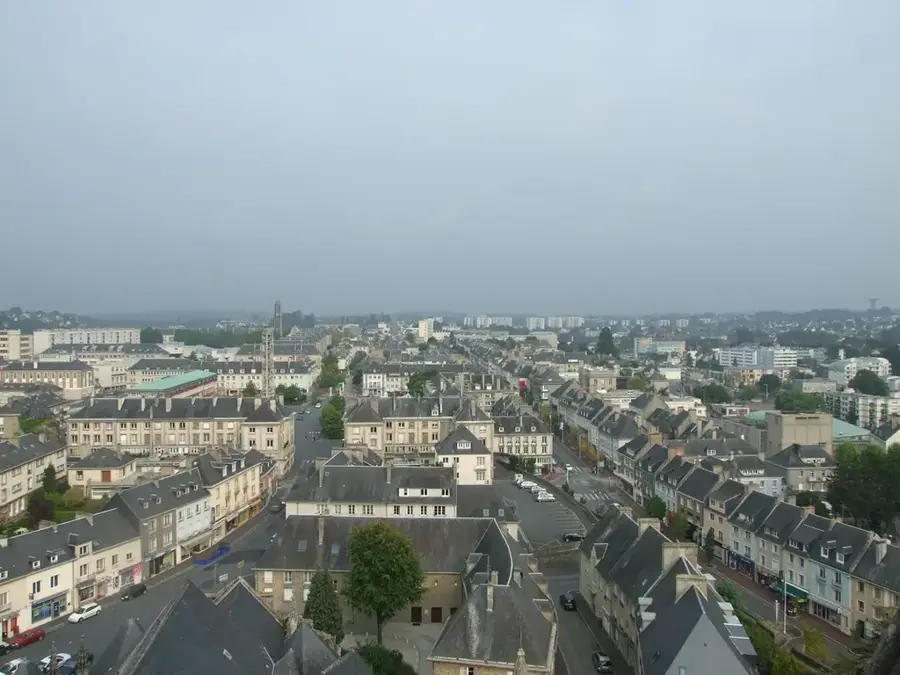
Ancienne Mairie de Cayenne
The old city hall of Cayenne, showcasing classical colonial administration architecture.
Learn more →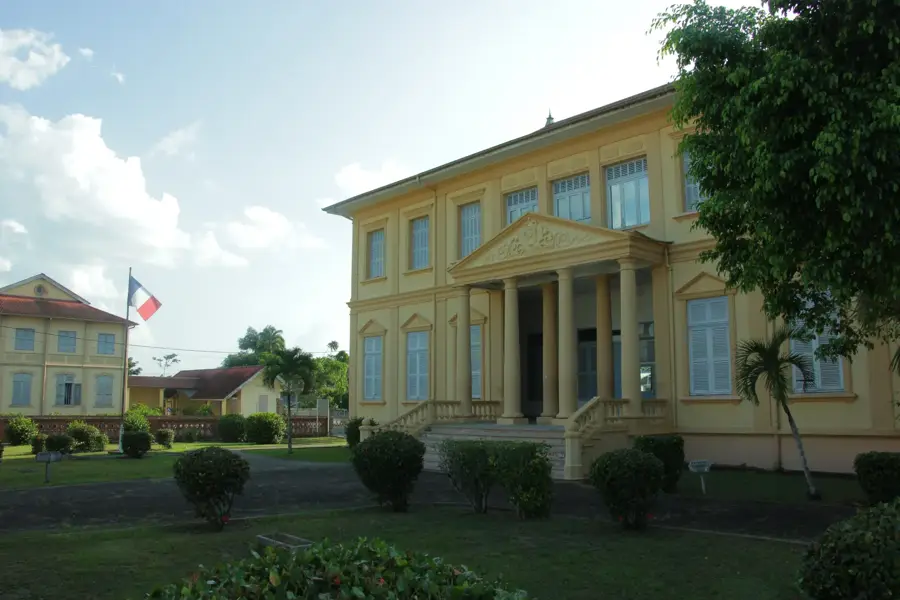
Bagne de Saint-Jean-du-Maroni
Also known as Camp de la Relégation, it was a penal colony for repeat offenders.
Learn more →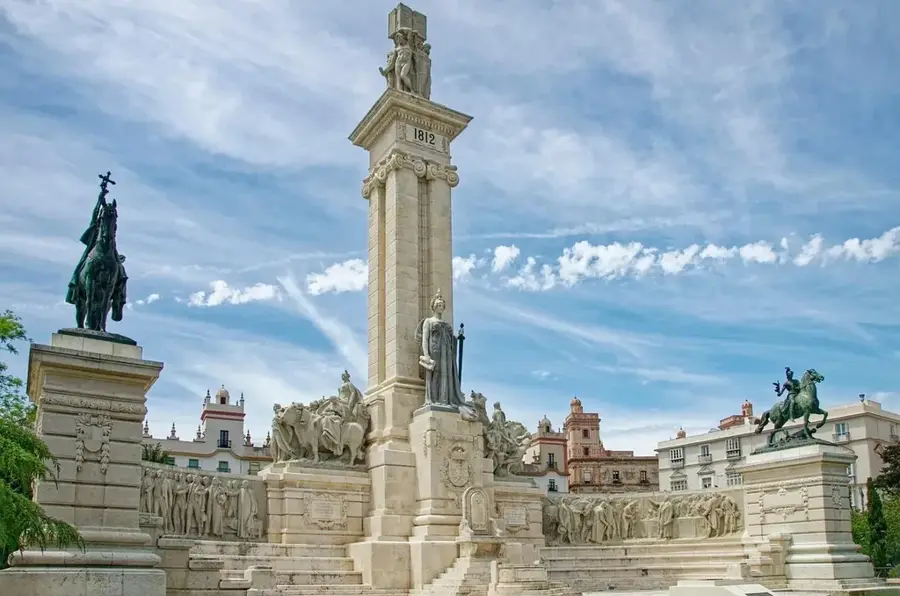
Monument aux Morts de Cayenne
A memorial monument dedicated to the soldiers from French Guiana who fell in the World Wars.
Learn more →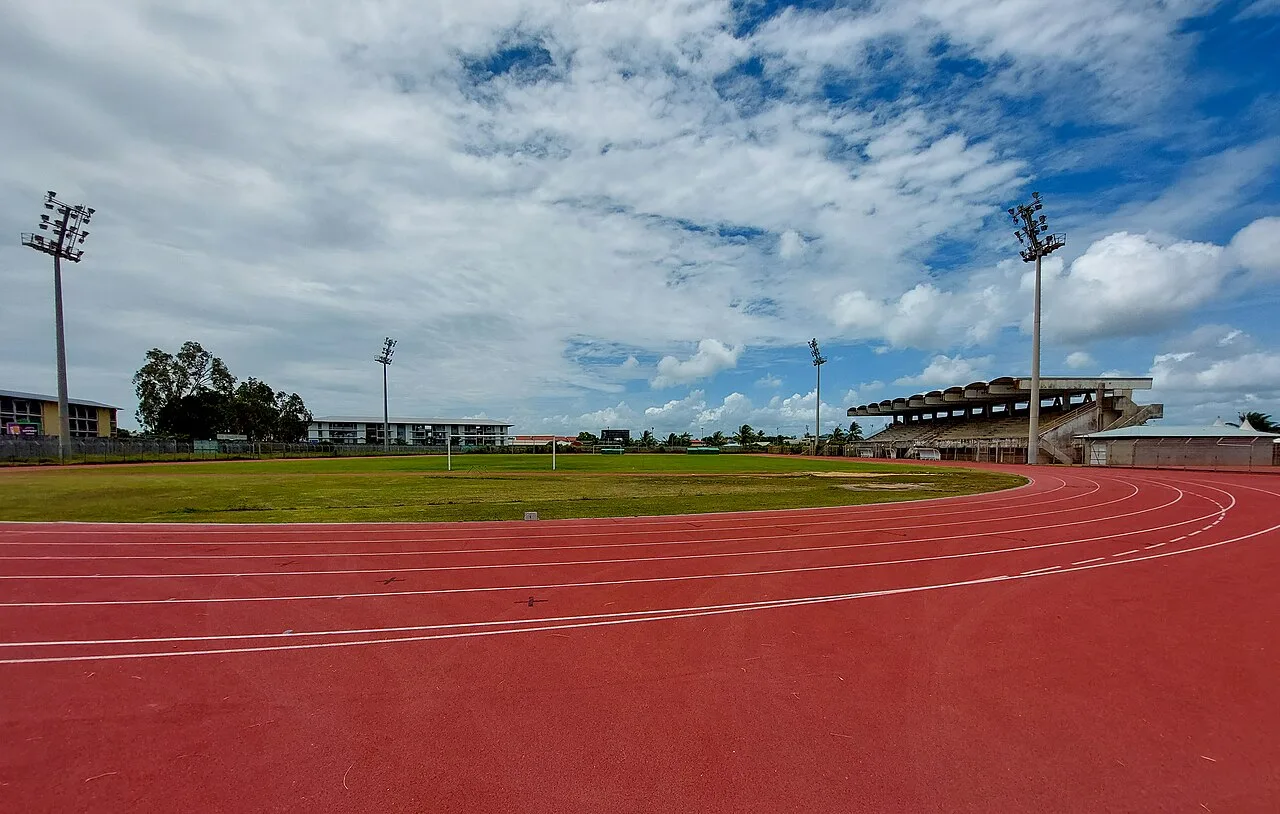
Roches Gravées de la Carapa
An archaeological site featuring ancient pre-Columbian petroglyphs carved into rocks.
Learn more →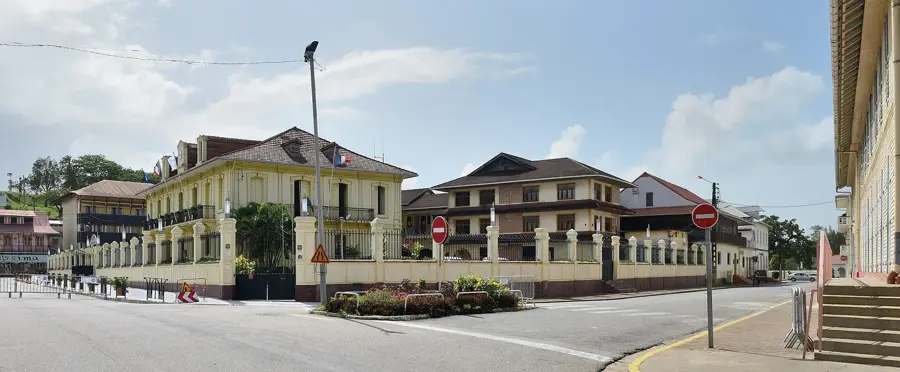
Musée Départemental Alexandre-Franconie
A museum showcasing the natural history, archaeology, and ethnology of French Guiana.
Learn more →
Phare de l'Enfant Perdu
A historic lighthouse located on a small rocky islet off the coast of Macouria.
Learn more →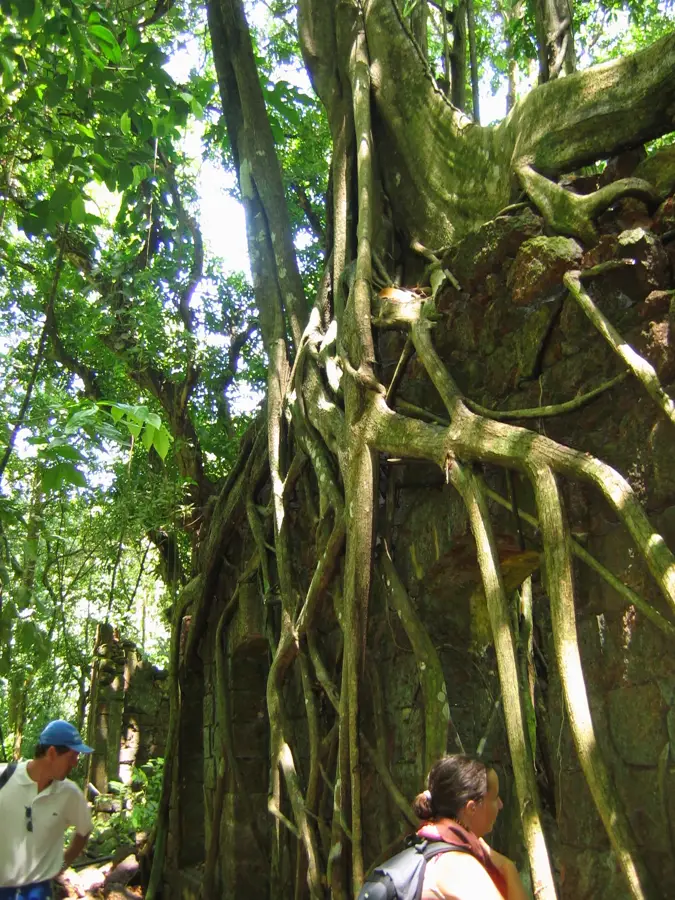
Montagne d'Argent
A historic and prominent elevation near the coast that was once populated.
Learn more →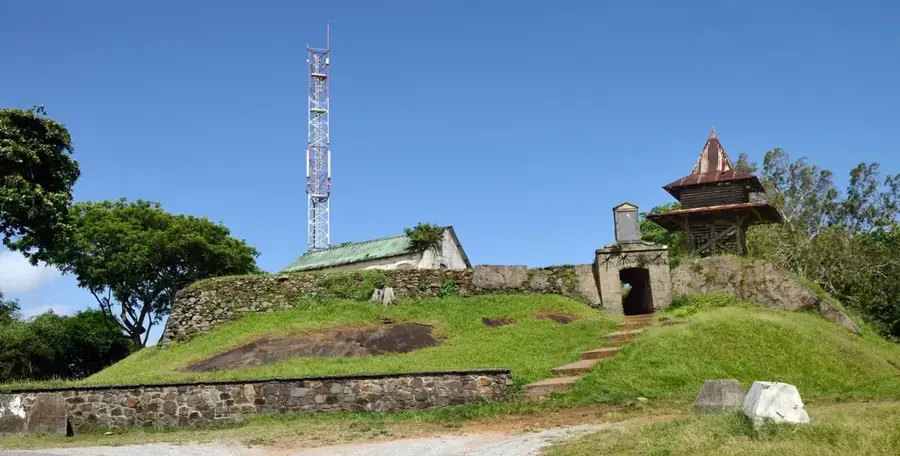
Fort Cépérou
Historic 17th-century fort ruins overlooking the city of Cayenne.
Learn more →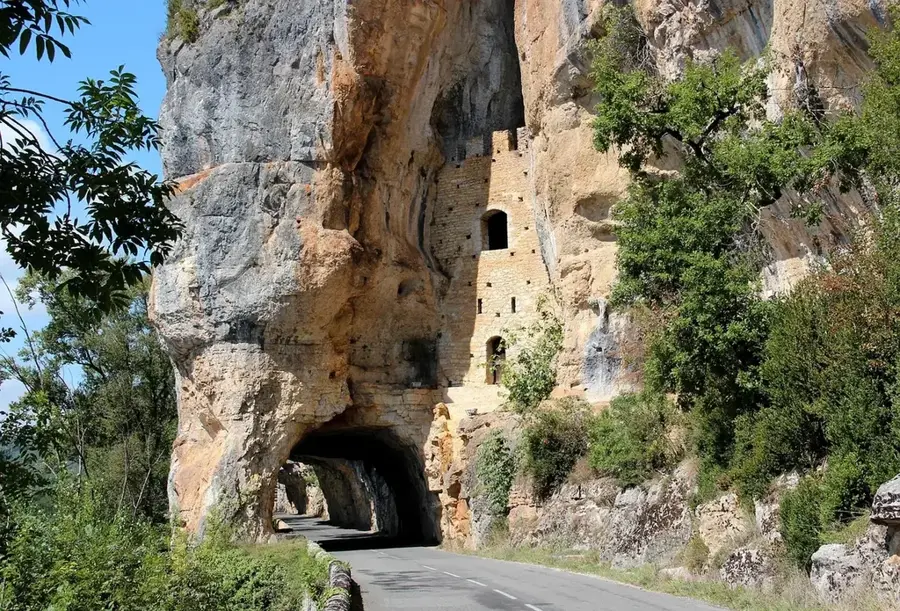
Savane Roche Virginie
A spectacular granite inselberg protruding from the forest canopy.
Learn more →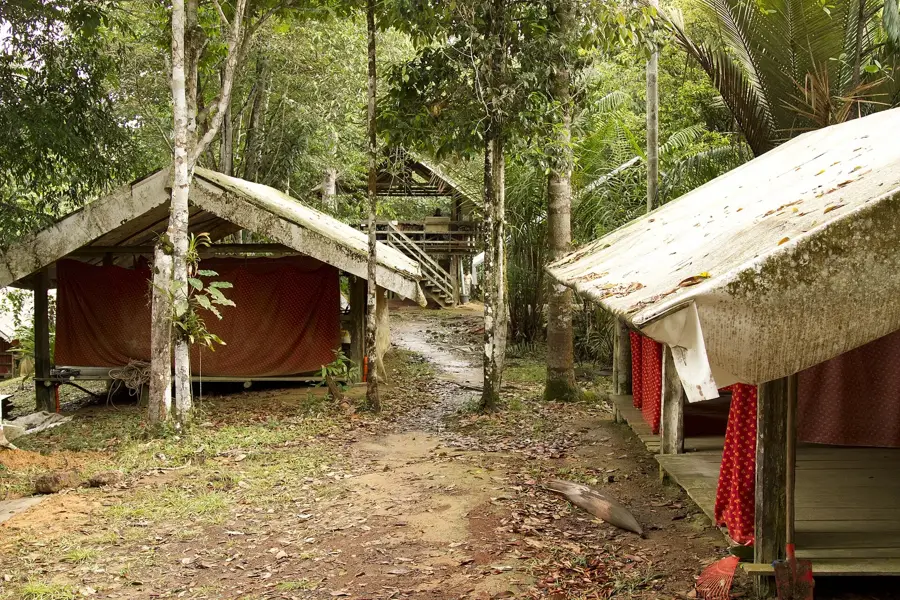
Nouragues Inselberg
A giant rock monolith in the heart of the Nouragues Nature Reserve.
Learn more →Frequently asked questions
What are the top attractions in French Guiana?
Among the most popular are Oyapock River Bridge, Dreyfus Tower, Stade Georges-Chaumet, Victor Schœlcher Statue, Prefecture of French Guiana and many more – the full top 50 list is on this page.
When is the best time to visit French Guiana?
May to October offers the most pleasant weather; July and August are warmest and busiest.