Cities in Equatorial Guinea
The most important cities in Equatorial Guinea at a glance – from the bustling metropolis to the charming small town. Each city links to a detailed page with map, attractions and travel tips.
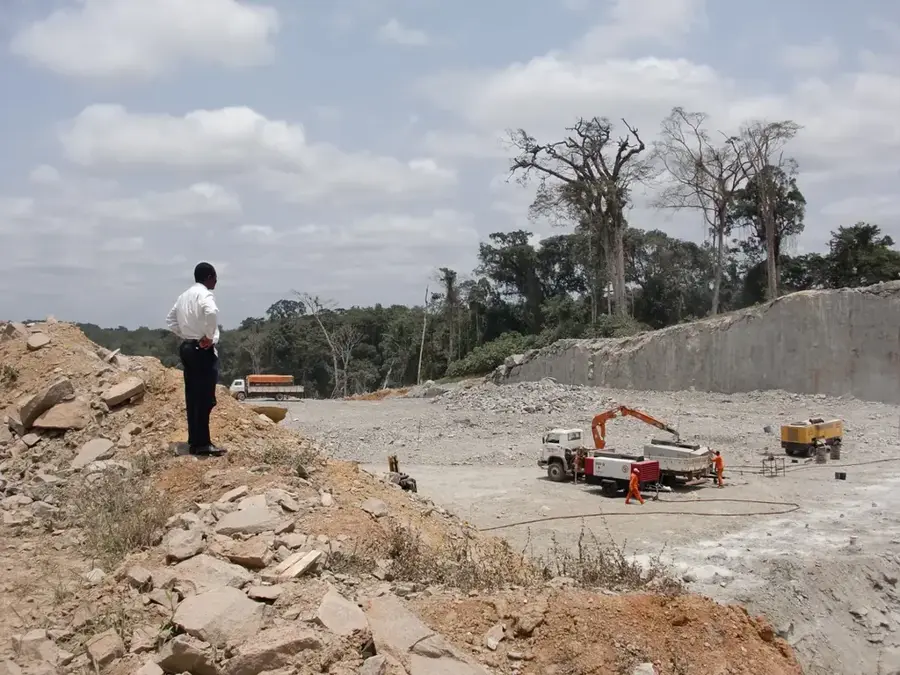
Ciudad de la Paz
Ciudad de la Paz, formerly called Oyala, is a planned city in the rainforest intended to serve as the new capital.
Learn more →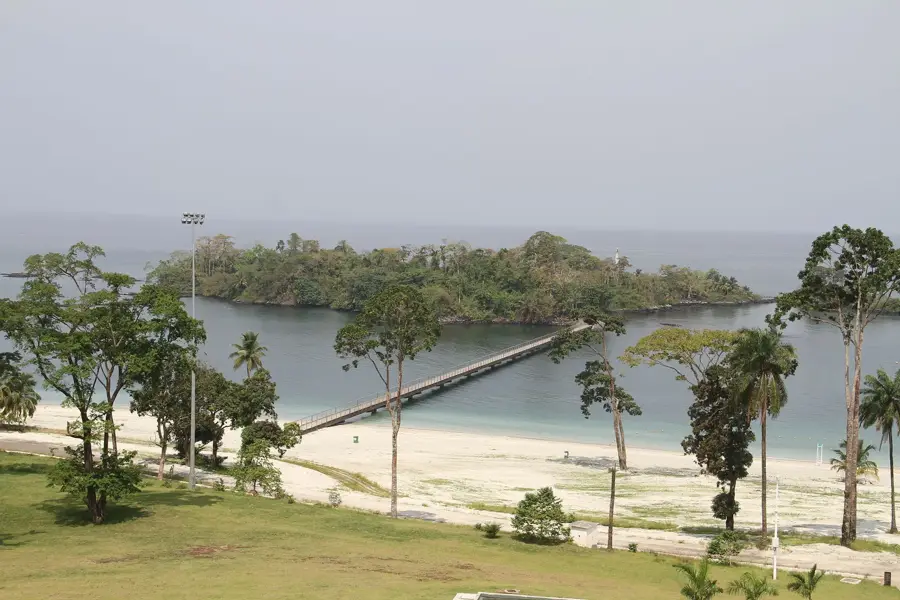
Sipopo
A luxurious purpose-built resort town near Malabo, featuring an artificial beach, high-end hotels, and conference centers.
Learn more →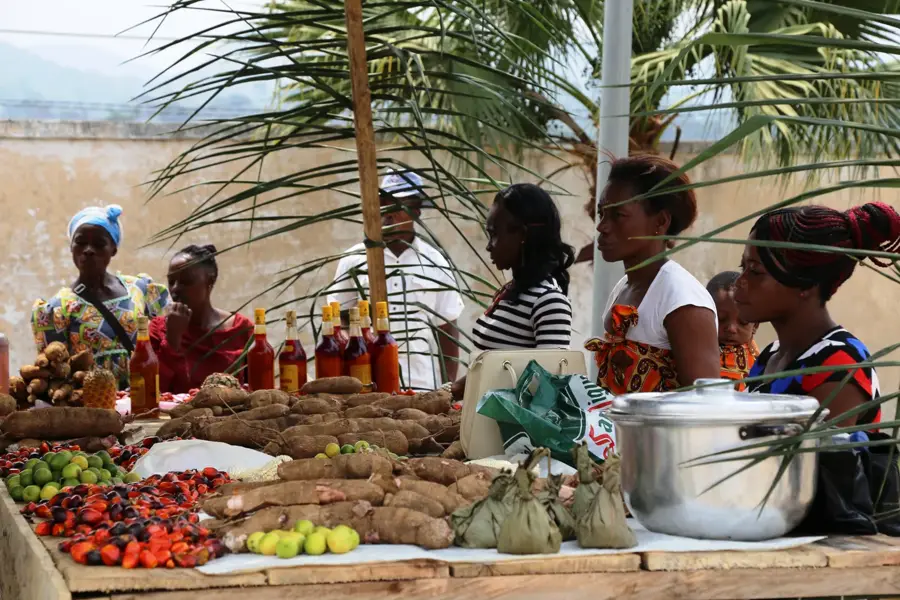
Ebebiyín
Ebebiyín is located in the northeast of the mainland, right at the triple border with Gabon and Cameroon.
Learn more →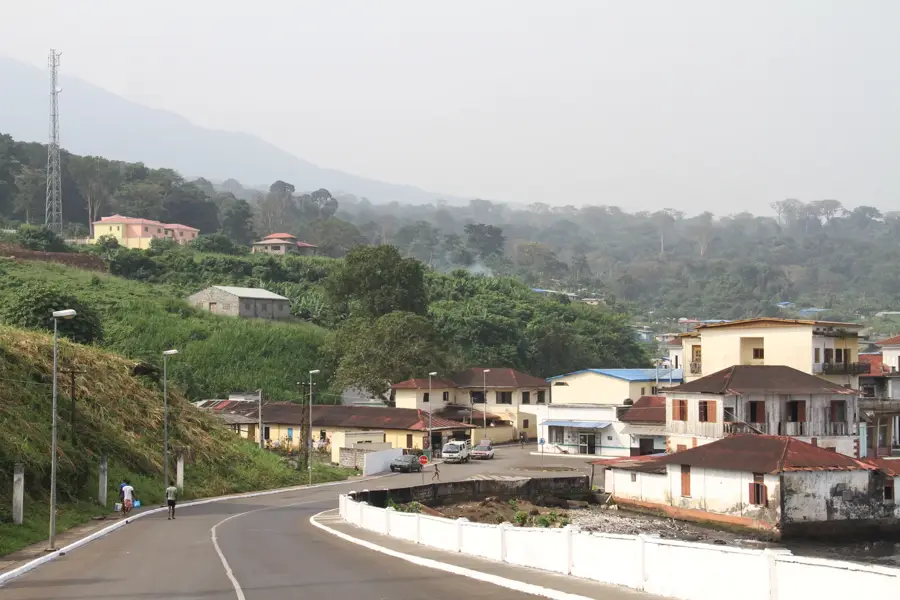
Luba
Luba is the second-largest city on Bioko Island and a significant port for the timber industry.
Learn more →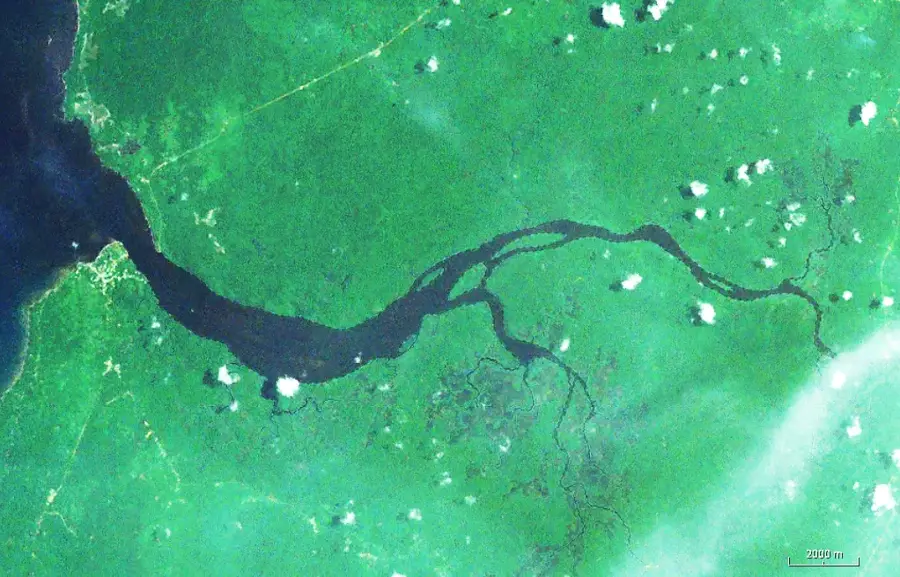
Mbini
Mbini is located at the mouth of the Benito River and is known for its scenic seaside location.
Learn more →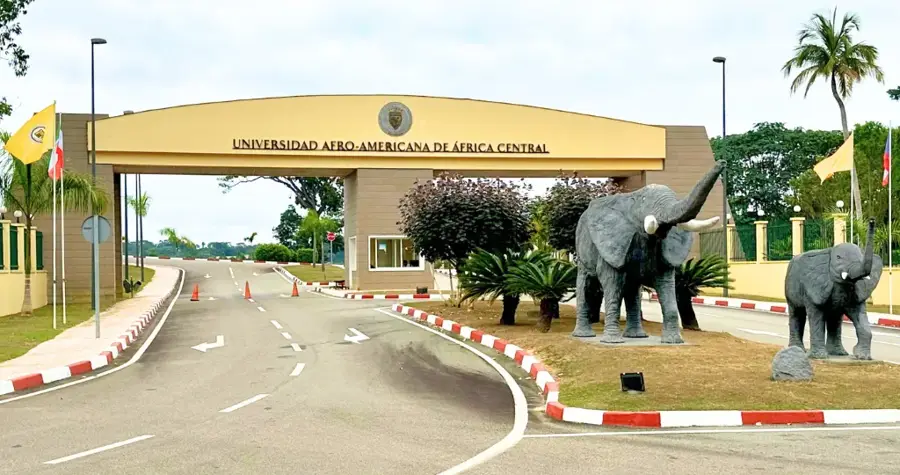
Mengomeyén
Mengomeyén is a significant inland location, home to the Mongomo International Airport.
Learn more →
Evinayong
Evinayong is the capital of Centro Sur Province, scenically located in the central highlands.
Learn more →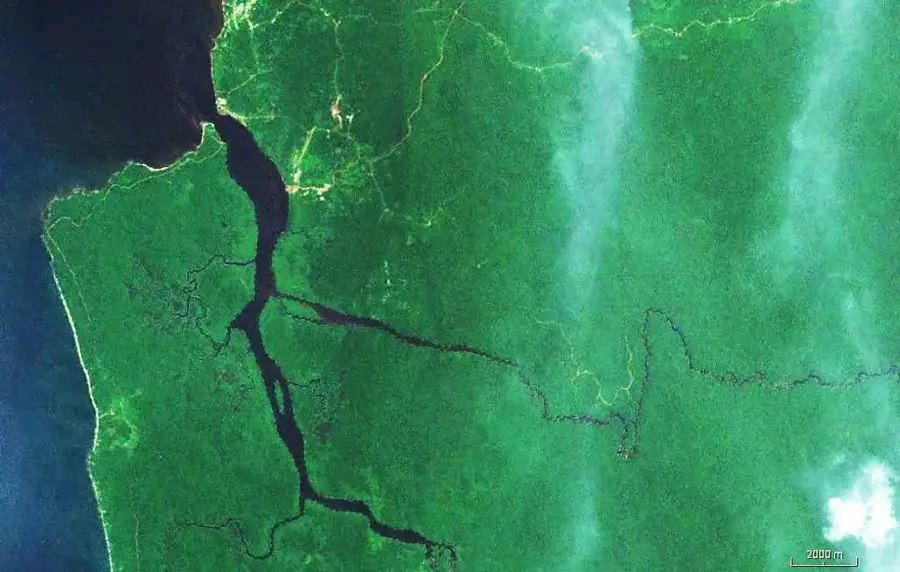
Río Campo
Río Campo is a border town in the north, right at the mouth of the Ntem River by Cameroon.
Learn more →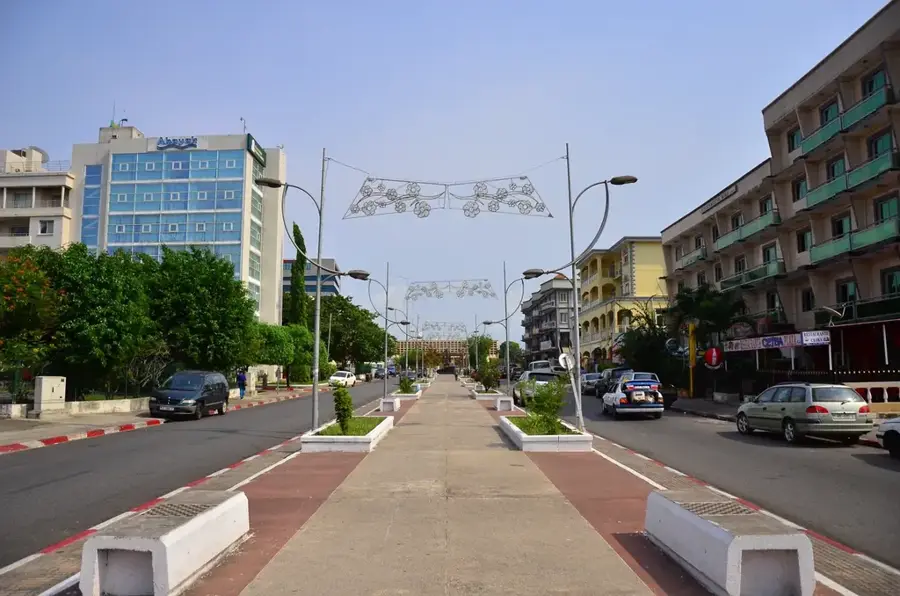
Bata
Bata is the largest city in the country and a major Atlantic port in the Río Muni region.
Learn more →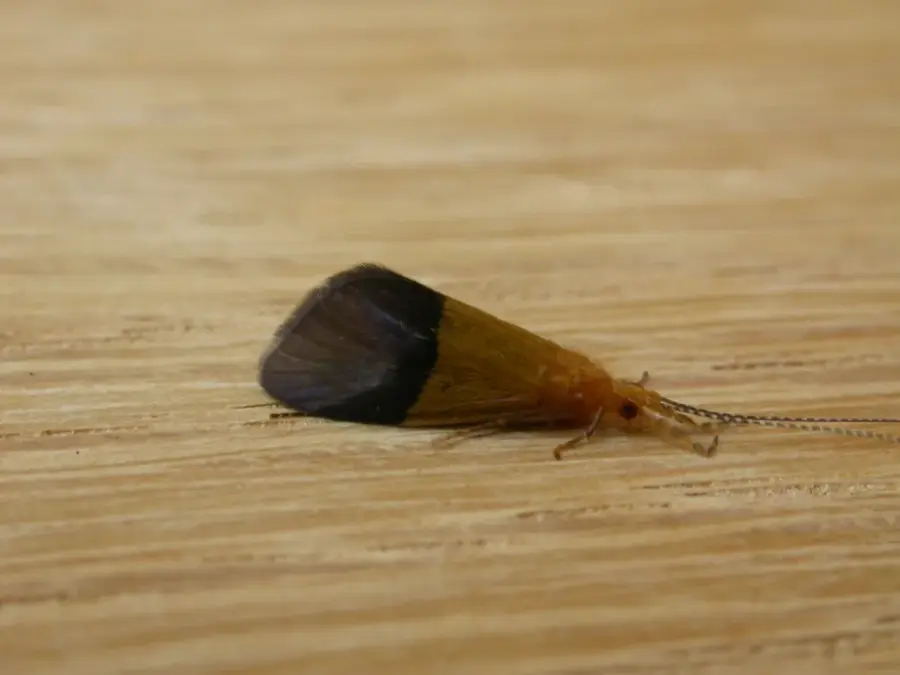
Añisoc
Añisoc is an important inland city in Río Muni, known for its lively market.
Learn more →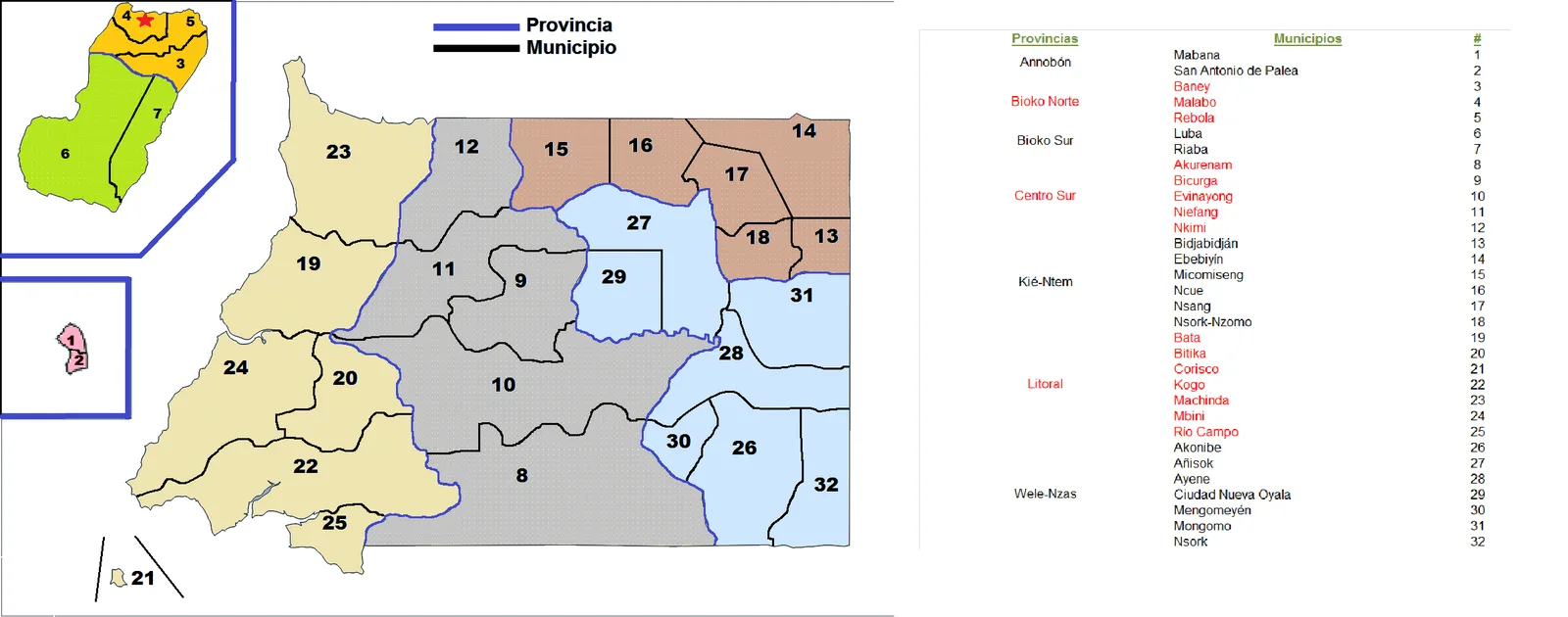
Nsok
Nsok is a remote border town in the southeastern part of mainland Equatorial Guinea.
Learn more →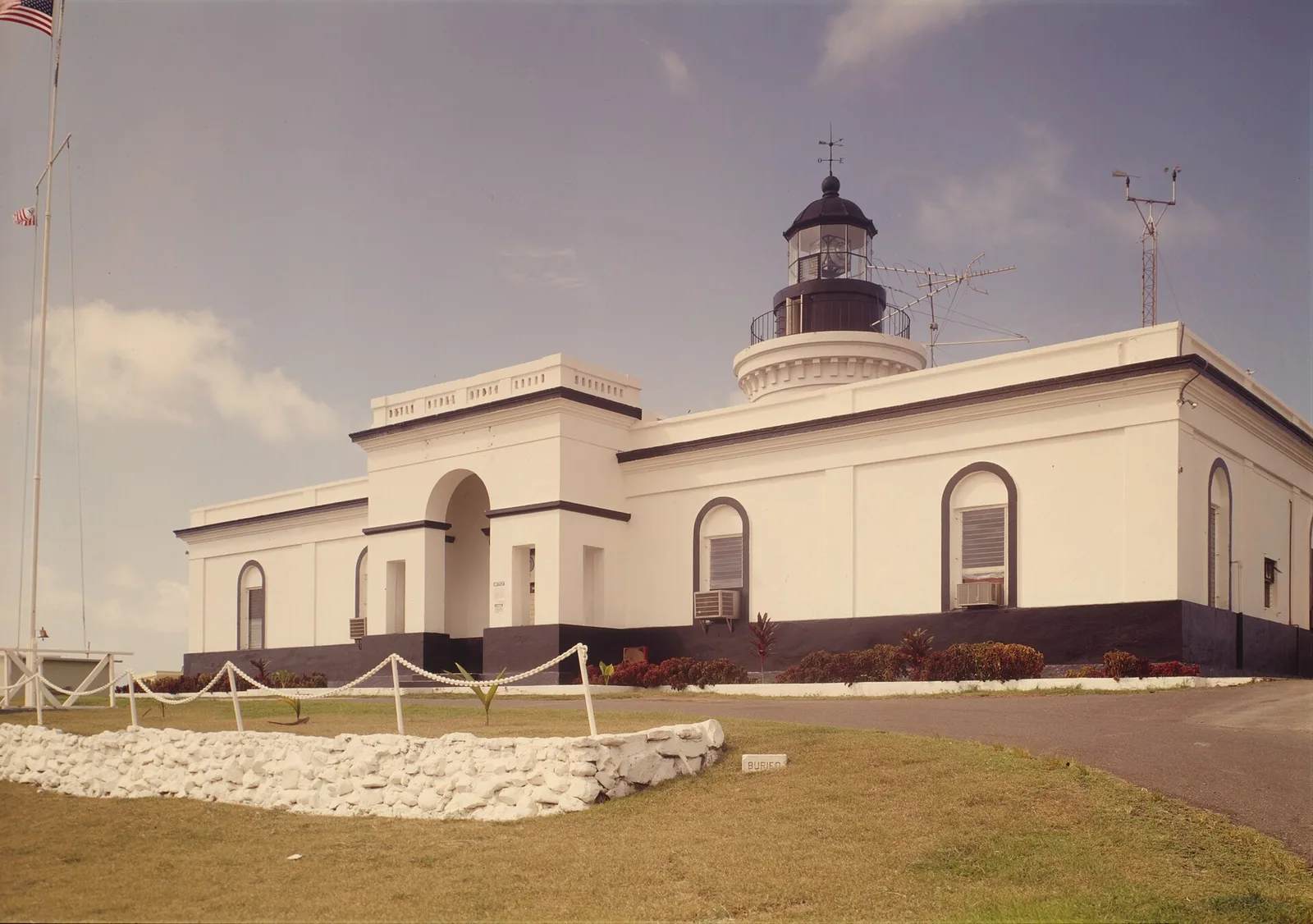
Cabo San Juan
Cabo San Juan is located on a prominent headland on the southwestern coast of Río Muni.
Learn more →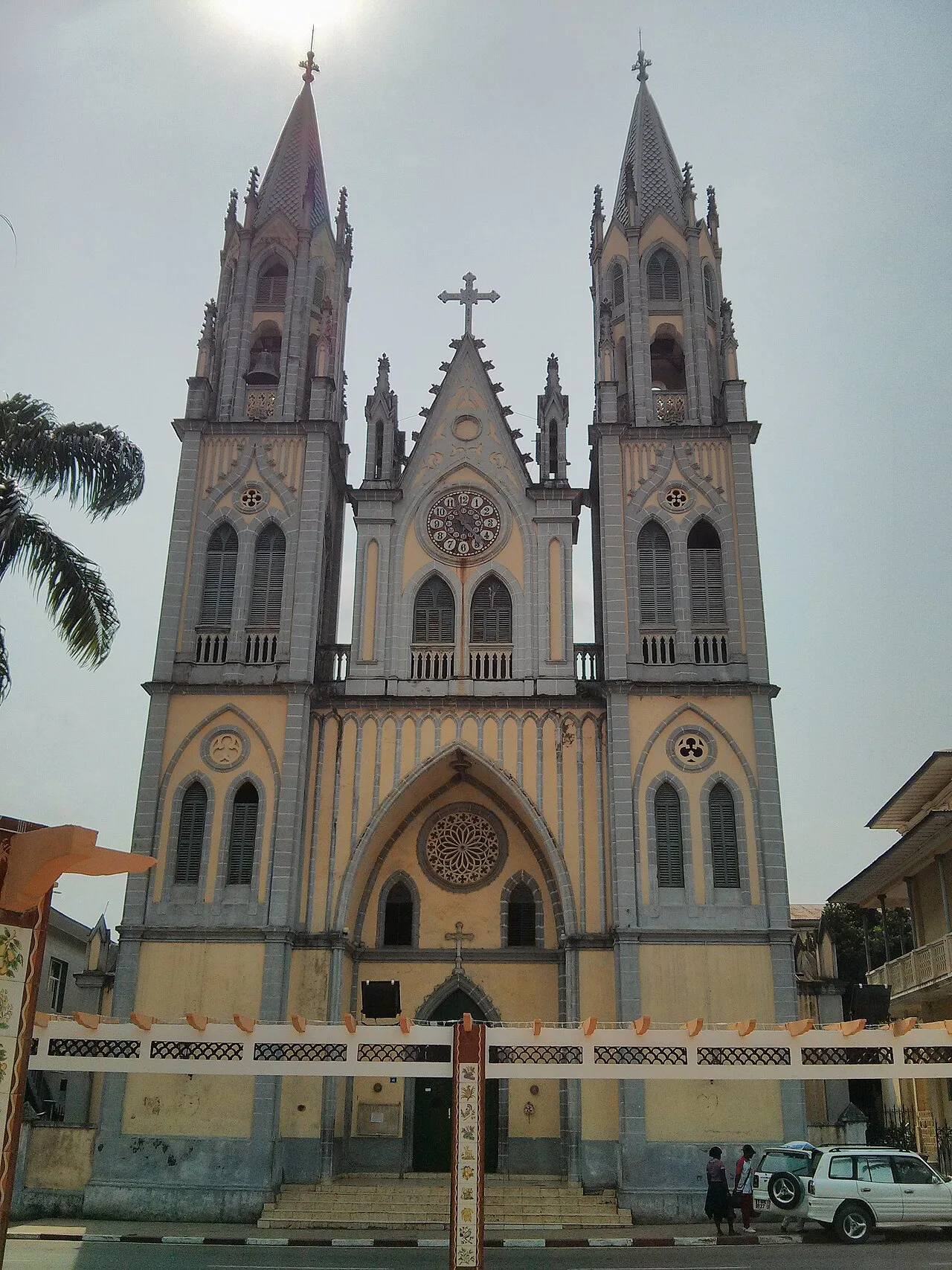
Malabo
Malabo is the capital of Equatorial Guinea, located on the northern coast of Bioko Island.
Learn more →
Musola
Musola is a small town on the west coast of Bioko, surrounded by lush vegetation.
Learn more →
Batete
Batete is a historic settlement in southern Bioko, known for its wooden architecture.
Learn more →
Micomeseng
Micomeseng is located in the north of the mainland and is a center for cocoa production.
Learn more →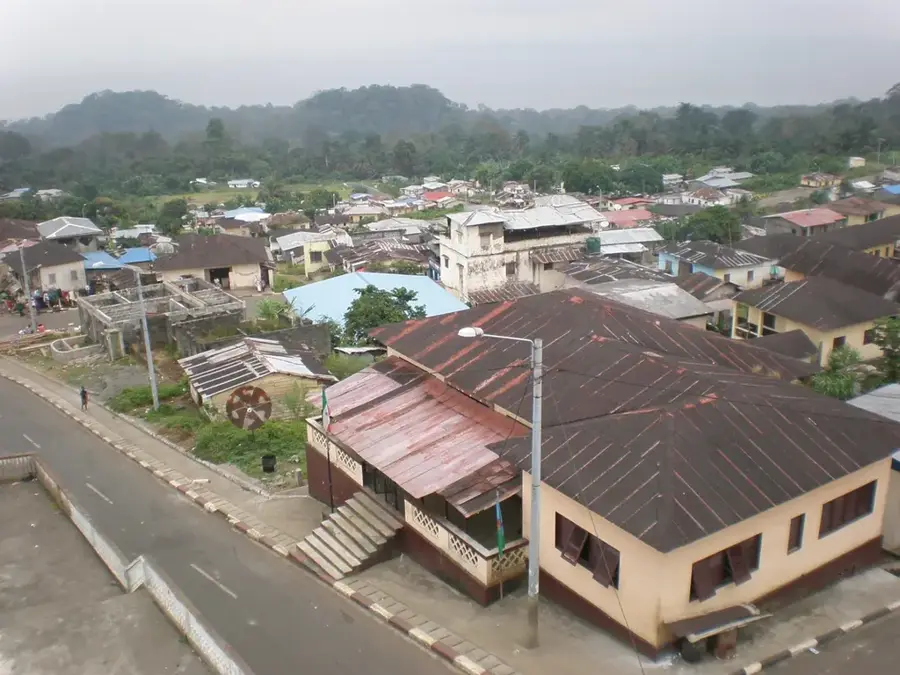
Baney
Baney is a town in the northeast of Bioko, surrounded by fertile agricultural land.
Learn more →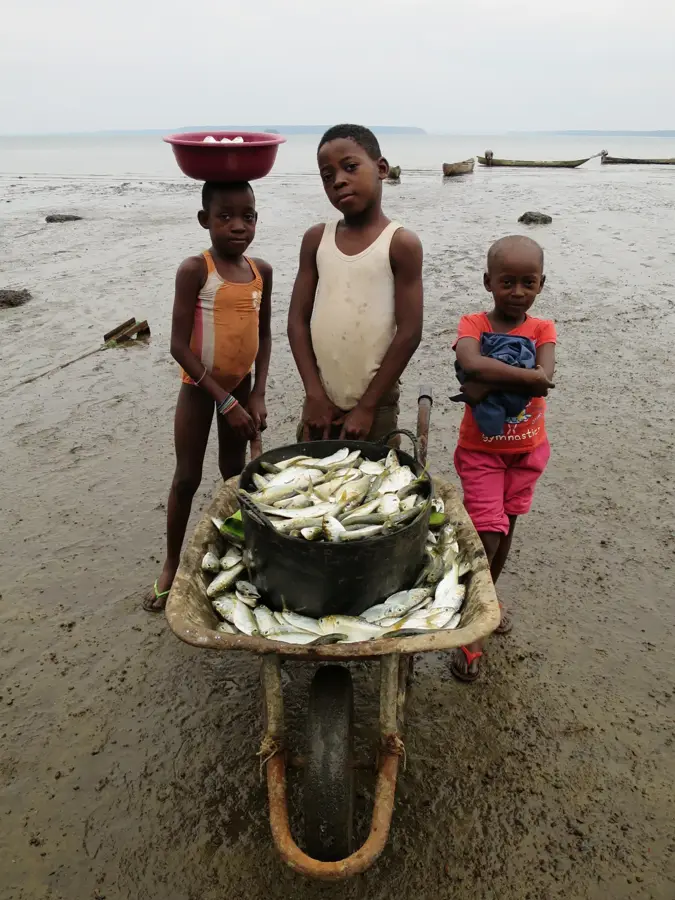
Cogo
Cogo is located at the mouth of the Muni River and is known for its colonial past.
Learn more →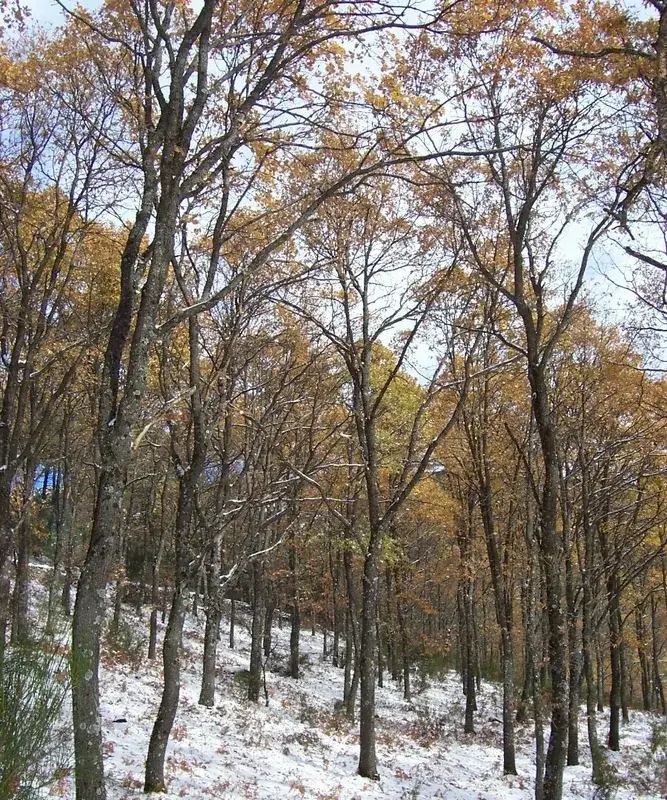
Rebola
Rebola is a scenic small town on Bioko, known for its vibrant Bubi culture.
Learn more →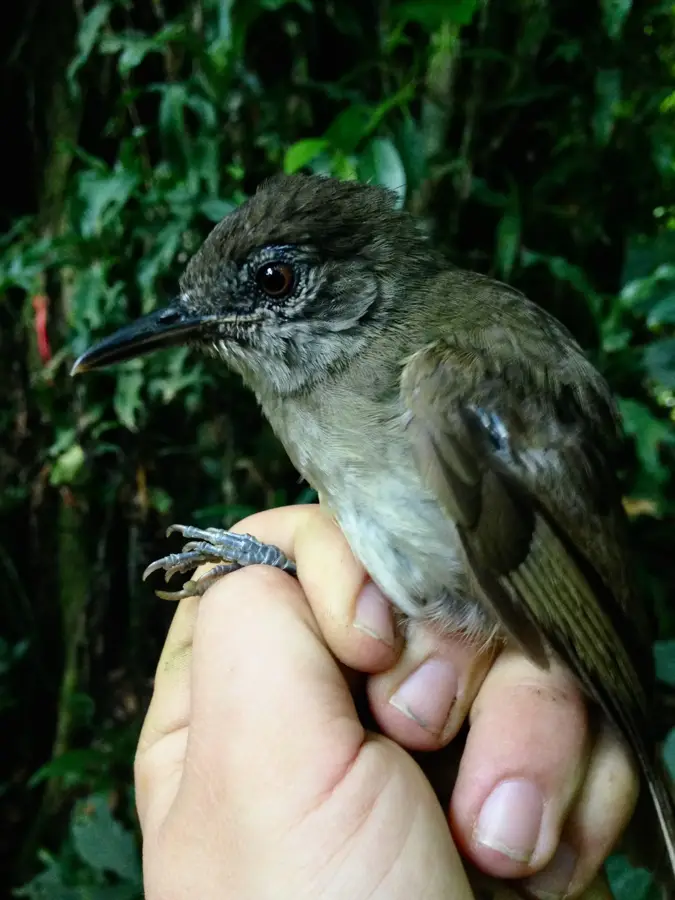
Moka
Moka is located in the highlands of Bioko Island and is known for its cool climate.
Learn more →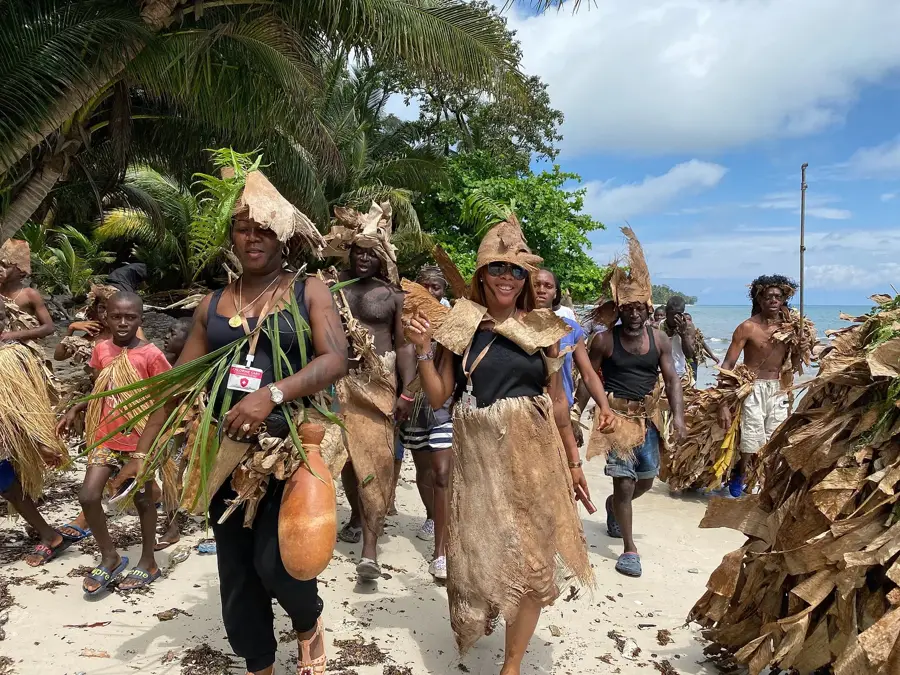
Corisco
Corisco is the main settlement on the island of the same name, off the coast of Río Muni.
Learn more →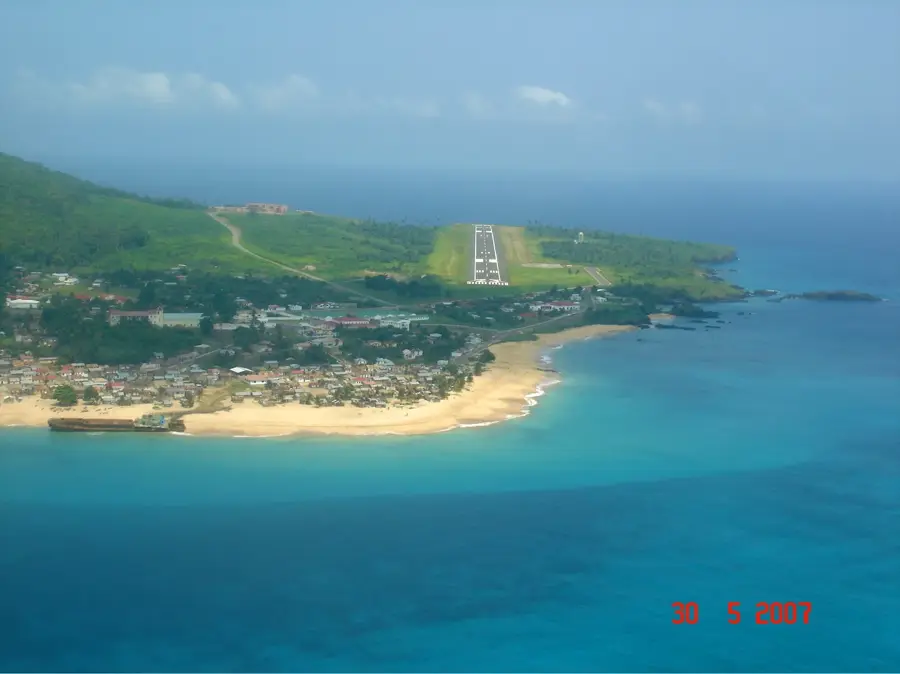
San Antonio de Palé
The capital of Annobón Island is a remote settlement with a unique culture.
Learn more →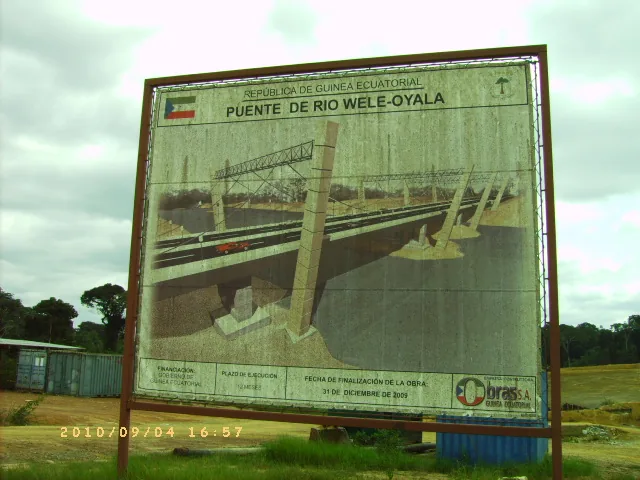
Bidjabidján
Bidjabidján is located in the far north of the country, near the Cameroonian border.
Learn more →
Nsang
Nsang is a town in Kié-Ntem Province, known for its agricultural surroundings.
Learn more →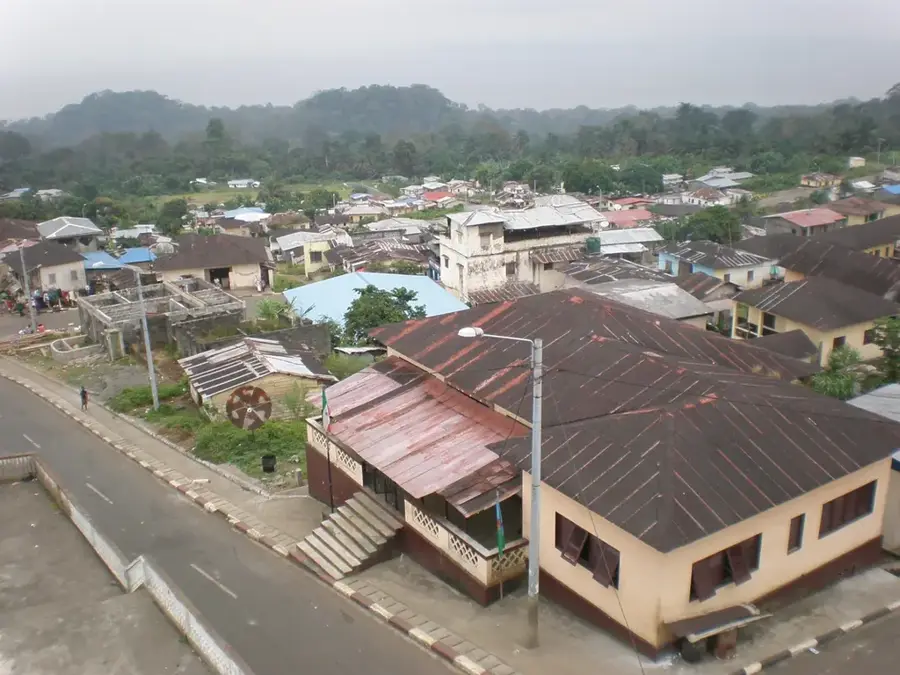
Santiago de Baney
Santiago de Baney is a historic settlement in the northeast of Bioko Island.
Learn more →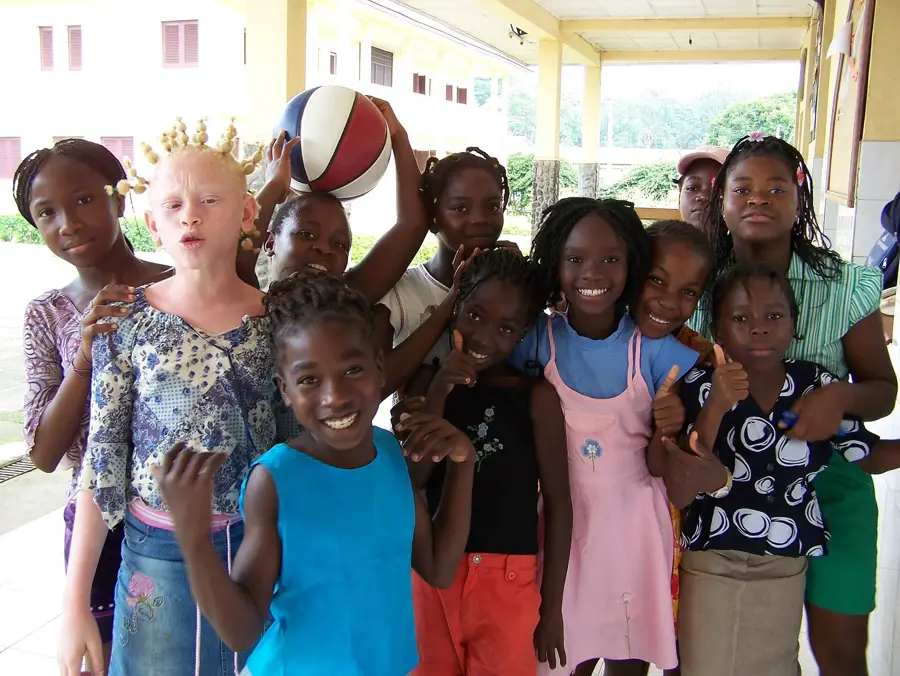
Bilelipa
Bilelipa is a coastal village on Bioko, known for its fishing tradition.
Learn more →
Bolondo
Bolondo is a coastal settlement located north of the Benito River mouth.
Learn more →
Sendje
Sendje is a community south of Bata, known for its community spirit.
Learn more →
Machinda
Machinda is a growing settlement near the city of Bata on the mainland.
Learn more →
Bata-manga
Bata-manga is a neighborhood and suburb of Bata on the mainland.
Learn more →
Fishtown
Fishtown is a historic coastal locality on Bioko Island.
Learn more →
Ayene
This Ayene is located in the Kié-Ntem Province in the north.
Learn more →
Cupapa
Cupapa is a rural village in the coastal Río Muni region.
Learn more →Frequently asked questions
What are the largest cities in Equatorial Guinea?
This page lists the most important cities by population – each with its own detail page, map and attractions.
How do I find attractions per city?
Click a city – the detail page lists the top attractions, a map and travel tips.