Plizio Visual Lab
Magnolia Alley
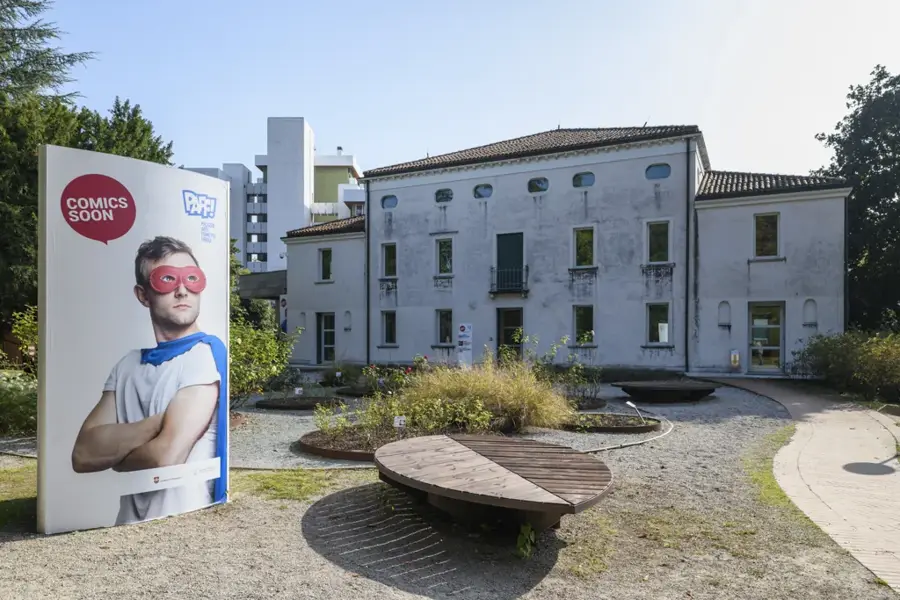
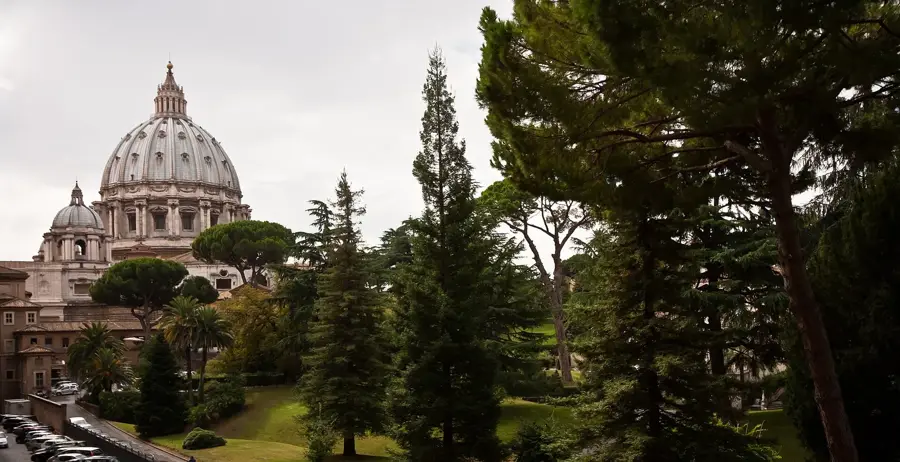
The Magnolia Alley is one of the most elegant walkways within the Vatican Gardens, lined with magnificent Magnolia grandiflora trees. This species, renowned for its glossy evergreen leaves and large, fragrant white blossoms, lends a timeless aesthetic quality to the path. The alley was designed to provide natural shade during the summer months while maintaining clear sightlines toward significant architectural landmarks within the Vatican. Maintaining the magnolias requires regular pruning to preserve the alley's characteristic shape and promote healthy development. During the blooming season in early summer, the intense fragrance of the flowers fills the air, making this spot particularly popular among Vatican residents. Historically, the inclusion of Magnolia grandiflora in European gardens represents the botanical knowledge exchange with North America. The alley also functions as a windbreak for more delicate plants in neighboring garden sections. Each year, specialists inspect the trees for diseases and pests to ensure their long-term preservation.
Explore on the map
How well do you know Vatican?
Find cities, landscapes and regions in 10 varied challenges on the interactive map.
Your journey, your memory
A postcard from Magnolia Alley
Turn your own photo into a personal postcard with a local stamp. Free and no sign-up required.
Create a postcard- Location: Vatican
- Highlights: St Mary's Church · Saint Stephen of the Ethiopians · Pius IV House
Best time to visit & climate
The most pleasant time to visit is May, Jun, Sep.
| Jan | Feb | Mar | Apr | May | Jun | Jul | Aug | Sep | Oct | Nov | Dec | |
|---|---|---|---|---|---|---|---|---|---|---|---|---|
| Avg °C | 7 | 8 | 10 | 14 | 18 | 23 | 26 | 26 | 21 | 17 | 12 | 8 |
| Rain mm | 73 | 77 | 69 | 56 | 57 | 34 | 26 | 26 | 70 | 82 | 114 | 92 |
📋 Practical info
Geography
Facts
- Magnolia grandiflora is native to the southeastern United States
- The flowers can reach a diameter of up to 25 centimeters
- The alley is a favored location for official Vatican photography
- The leaves were historically used in floral arrangements due to their durability
- Magnolias are among the oldest known flowering plants on Earth
- The microclimate of Vatican Hill promotes the lush growth of these trees
Explore nearby
Notable places around
Route planner — Car & Motorhome
Where do you start? We build the route here, with stops and country notes along the way.
© OpenStreetMap contributors · OpenRouteService
Sights in the town Magnolia Alley (10)
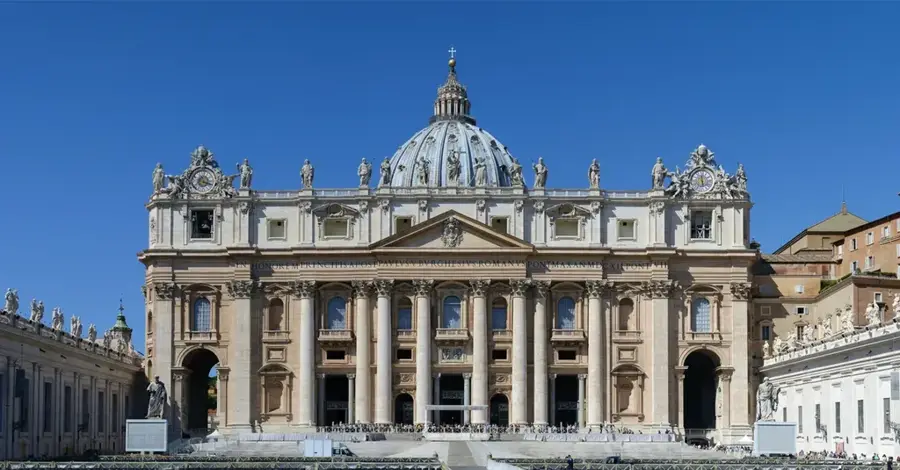
Dome of Saint Peter
Dome of St. Peter's Basilica in Vatican City.
Saint Peter's Basilica
Church in Vatican City.
Vatican Hill
Hill in Rome, location of St. Peter's Basilica.
Sistine Chapel
Chapel in the Apostolic Palace, Vatican City.
Raphael Rooms🏛 museum
Suite of reception rooms in the Palace of the Vatican painted by Raphael and his workshop between 1509 and 1524.
Pauline Chapel
Chapel in the Apostolic Palace, Vatican City.
Sights nearby
Frequently asked questions
When do the magnolias bloom?
What color are the flowers?
Is the alley very long?
Are the flowers fragrant?
Do the trees have leaves in summer?
Magnolia Alley: where is it located?
Magnolia Alley: what is there to see?
Magnolia Alley: when is the best time to visit?
Magnolia Alley: why is it worth visiting?

History & landmarks
Nature
More places