Plizio Visual Lab
Central Garden Depression

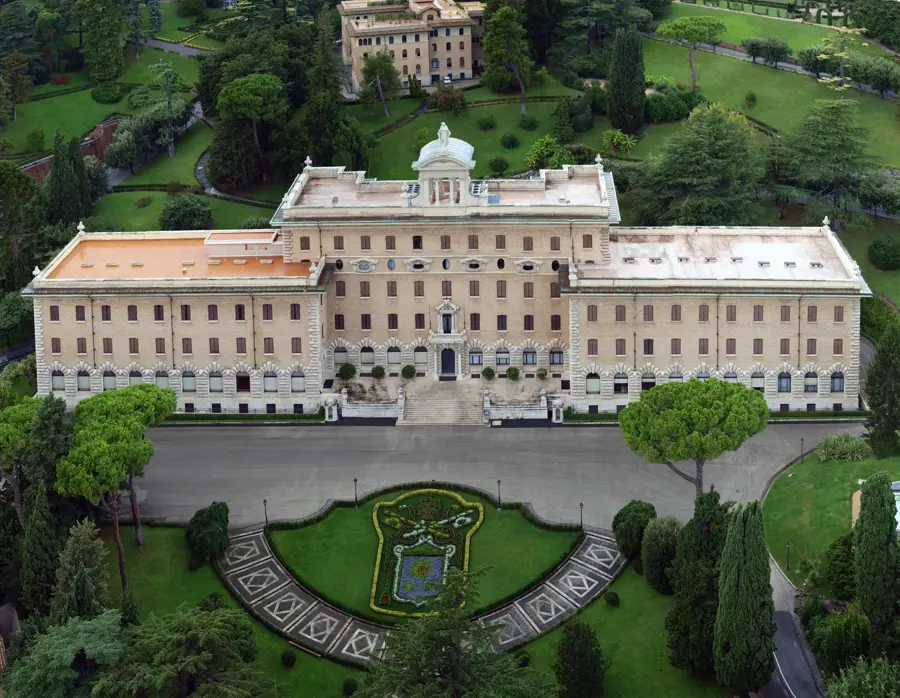
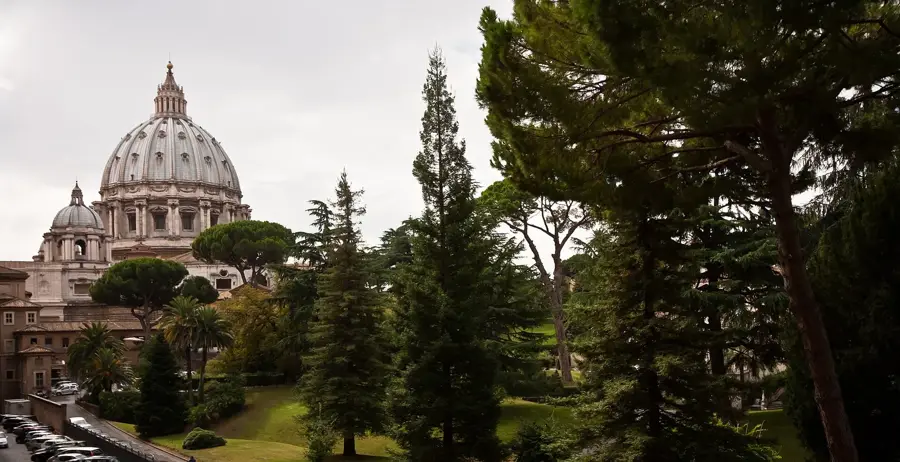
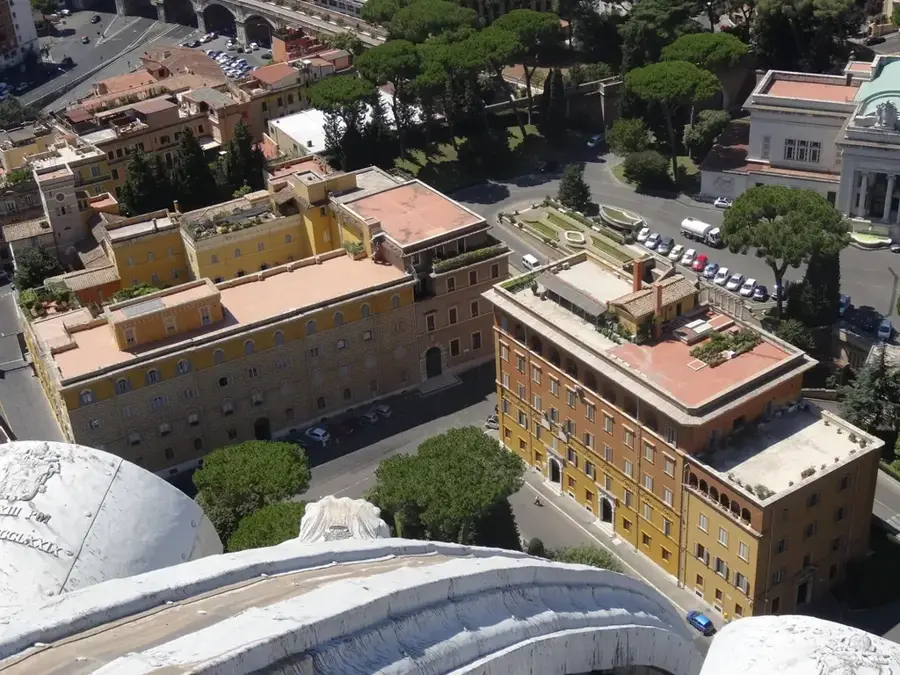
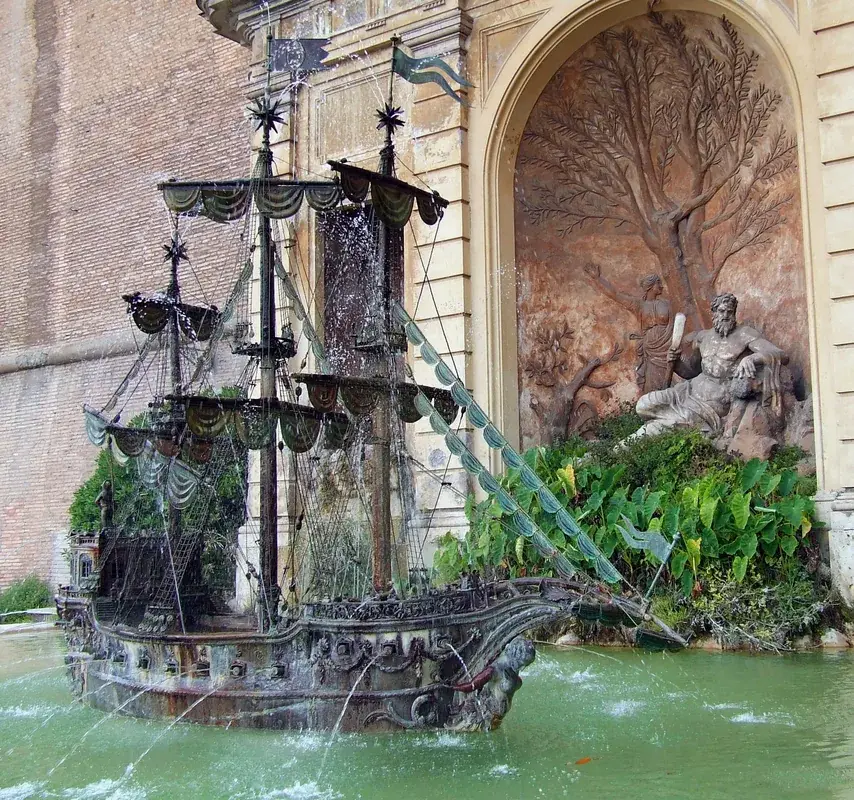
The central depression of the Vatican Gardens is a natural hollow located between the main peaks of the Vatican Hill. This relief was skillfully used to create a sheltered environment for sensitive plants and fountain installations. Geologically, it is a basin where finer sediments have accumulated over millennia, making the soil particularly fertile. Among other features, the replica of the Lourdes Grotto, inaugurated in 1902, is located in this depression. The topography provides a cooler and more humid microclimate, which differs significantly from the exposed hilltops. A complex drainage system prevents the accumulation of water during heavy rainfall. The paths are laid out to follow the natural contours of the depression, giving the gardens an organic character. This area serves as a place of peace and meditation away from the main tourist crowds.
Explore on the map
How well do you know Vatican?
Find cities, landscapes and regions in 10 varied challenges on the interactive map.
Your journey, your memory
A postcard from Central Garden Depression
Turn your own photo into a personal postcard with a local stamp. Free and no sign-up required.
Create a postcard- Location: Vatican
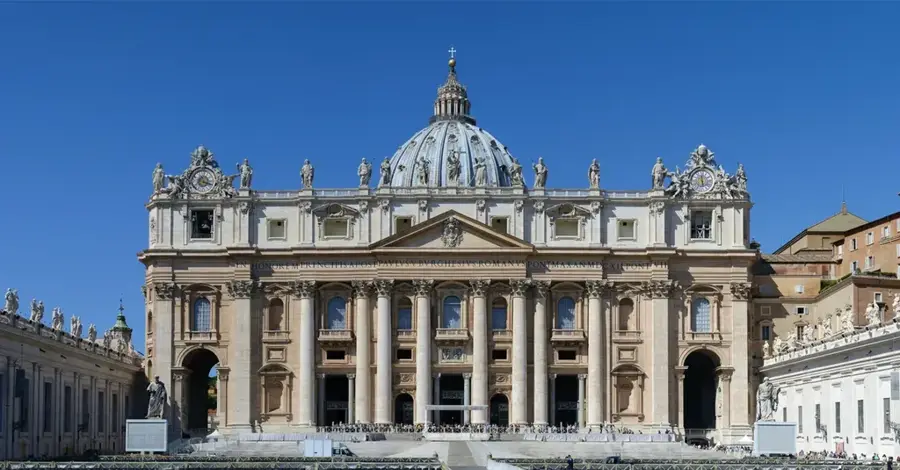
- Highlights: Cupola di San Pietro · Dome of Saint Peter · Saint Peter's Basilica
Best time to visit & climate
The most pleasant time to visit is May, Jun, Sep.
| Jan | Feb | Mar | Apr | May | Jun | Jul | Aug | Sep | Oct | Nov | Dec | |
|---|---|---|---|---|---|---|---|---|---|---|---|---|
| Avg °C | 7 | 8 | 10 | 14 | 18 | 23 | 26 | 26 | 21 | 17 | 12 | 8 |
| Rain mm | 73 | 77 | 69 | 56 | 57 | 34 | 26 | 26 | 70 | 82 | 114 | 92 |
📋 Practical info
Geography
Facts
- The depression is about 10 meters lower than the surrounding hilltops.
- The Lourdes Grotto was inaugurated on June 1, 1902.
- The soil consists of a mixture of clay and organic humus.
- An underground cistern system collects the drained rainwater.
- The humidity here is on average 5 percent higher than on the plateau.
- This area is home to many ferns and shade-loving plant species.
Explore nearby
Notable places around
Route planner — Car & Motorhome
Where do you start? We build the route here, with stops and country notes along the way.
© OpenStreetMap contributors · OpenRouteService
Sights in the town Central Garden Depression (10)
Sistine Chapel
Chapel in the Apostolic Palace, famous for Michelangelo's frescoes.
Pauline Chapel
Chapel in the Apostolic Palace, used for papal ceremonies.
St Mary's Church
Church building in Vatican City, dedicated to the Virgin Mary.
Sacristy🏛 museum
Museum housing liturgical vestments and sacred vessels.
Raphael Rooms🏛 museum
Suite of reception rooms in the Vatican Palace, painted by Raphael 1509-1524.
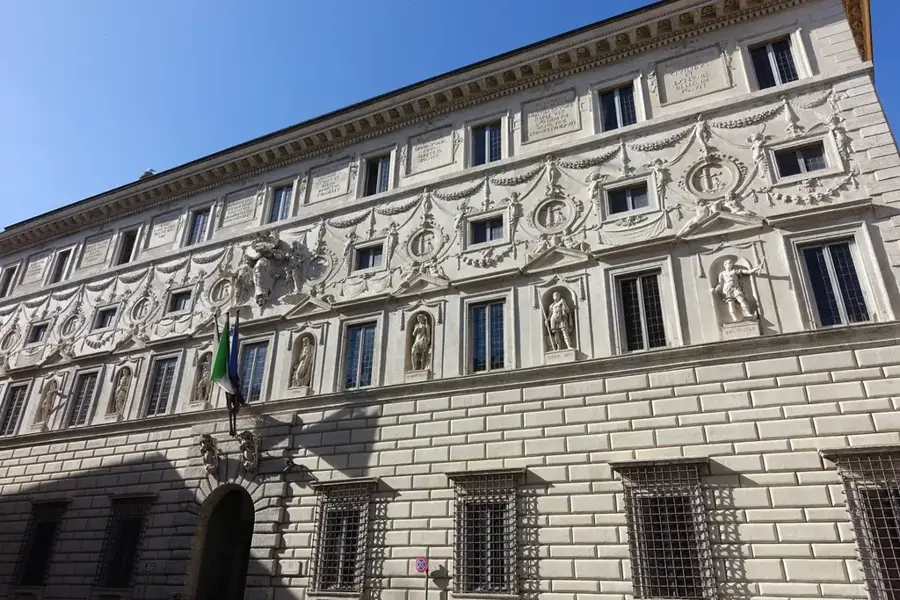
Pius IV House
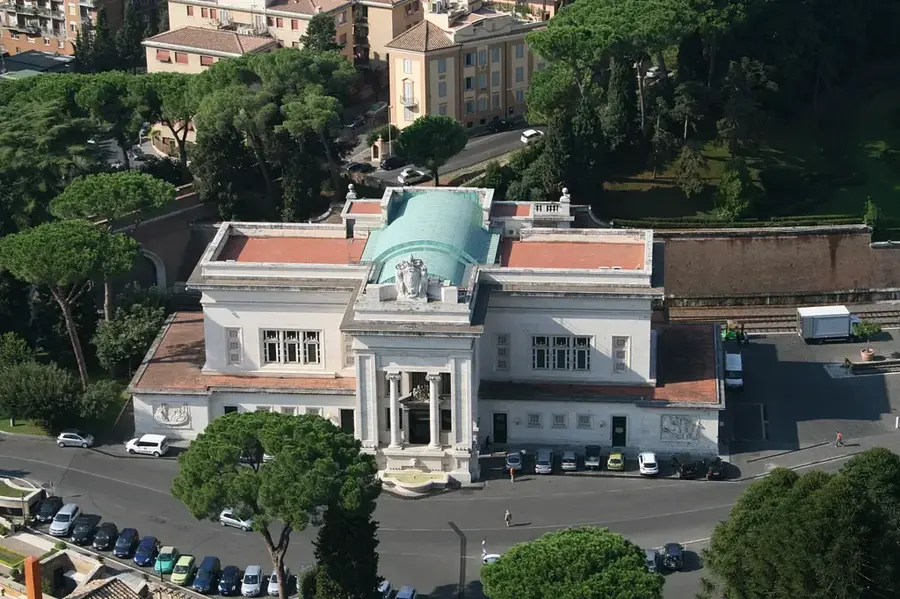
Seat of the Pontifical Academy of Sciences in Vatican City.
Sights nearby
Frequently asked questions
What is the central garden depression?
Are there water fountains there?
How do you reach this area?
When is the best time to visit?
Is the path steep?
Central Garden Depression: where is it located?
Central Garden Depression: what is there to see?
Central Garden Depression: when is the best time to visit?
Central Garden Depression: why is it worth visiting?

History & landmarks
Nature
More places