Plizio Visual Lab
Manzanar
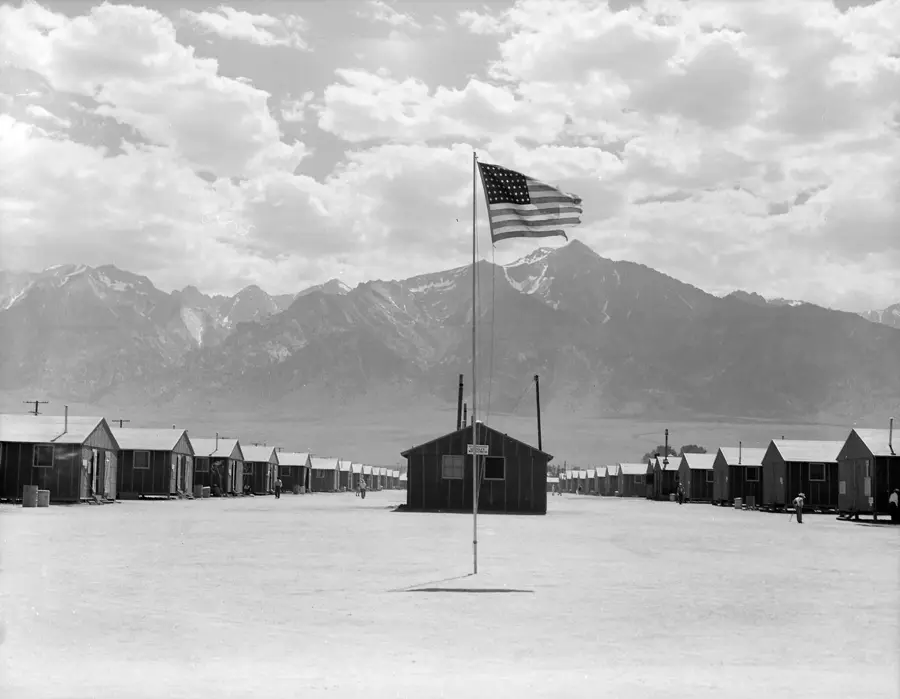
Manzanar, located in the Owens Valley of California, is the best-known of the ten internment camps where over 120,000 Japanese Americans were incarcerated during World War II. Following the attack on Pearl Harbor, President Franklin D. Roosevelt signed Executive Order 9066, leading to the forced relocation and detention of citizens without charges or due process. From 1942 to 1945, Manzanar held over 10,000 people at its peak, housed in primitive wooden barracks under harsh weather conditions. Despite being surrounded by barbed wire and armed guard towers, the detainees strived to maintain a sense of community by establishing schools, churches, and traditional Japanese gardens. Today, Manzanar is a National Historic Site that serves as a somber reminder of this dark chapter in American history and the fragility of civil rights. The interpretive center in the former high school gymnasium, along with reconstructed barracks and the iconic white cemetery monument, educate the public on the consequences of prejudice and wartime hysteria.
Explore on the map
How well do you know United States?
Find cities, landscapes and regions in 10 varied challenges on the interactive map.
Your journey, your memory
A postcard from Manzanar
Turn your own photo into a personal postcard with a local stamp. Free and no sign-up required.
Create a postcard- Location: United States
- Highlights: Barracks Garden · Bk 22 Mess Hall Garden · Manzanar Cemetery Monument
Best time to visit & climate
The most pleasant time to visit is Jun–Aug.
| Jan | Feb | Mar | Apr | May | Jun | Jul | Aug | Sep | Oct | Nov | Dec | |
|---|---|---|---|---|---|---|---|---|---|---|---|---|
| Avg °C | -1 | 0 | 3 | 6 | 11 | 16 | 20 | 20 | 16 | 10 | 4 | -1 |
| Rain mm | 78 | 69 | 57 | 39 | 22 | 6 | 12 | 10 | 10 | 25 | 39 | 79 |
📋 Practical info
Geography
Facts
- Manzanar War Relocation Center opened on March 21, 1842, in the Owens Valley.
- The peak population of the camp reached 10,046 in September 1942.
- Two-thirds of the people incarcerated at Manzanar were American-born citizens.
- The camp area covered approximately 6,000 acres at the foot of the Sierra Nevada.
- Manzanar was officially designated as a National Historic Site in 1992.
- The white cemetery monument was built by the detainees themselves in 1943.
Explore nearby
Notable places around
Route planner — Car & Motorhome
Where do you start? We build the route here, with stops and country notes along the way.
© OpenStreetMap contributors · OpenRouteService
Sights in the town Manzanar (12)
Sights nearby
Frequently asked questions
How long does the visit take?
Is there an admission fee?
What is the best time?
Can I see everything?
Is it suitable for children?
Manzanar: where is it located?
Manzanar: what is there to see?
Manzanar: when is the best time to visit?
Manzanar: why is it worth visiting?

Nearby cities