Plizio Visual Lab
Gulf of Alaska
Weather…
Water temperature…
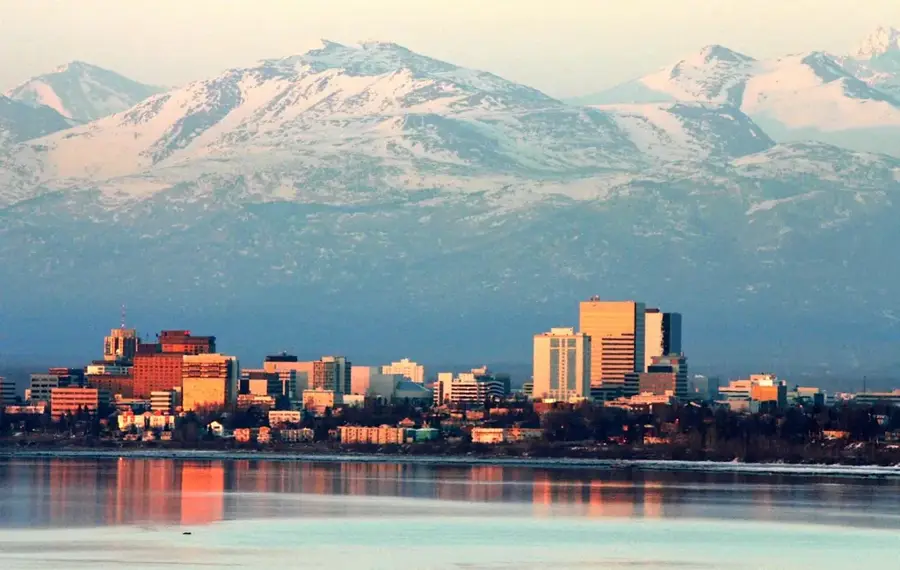
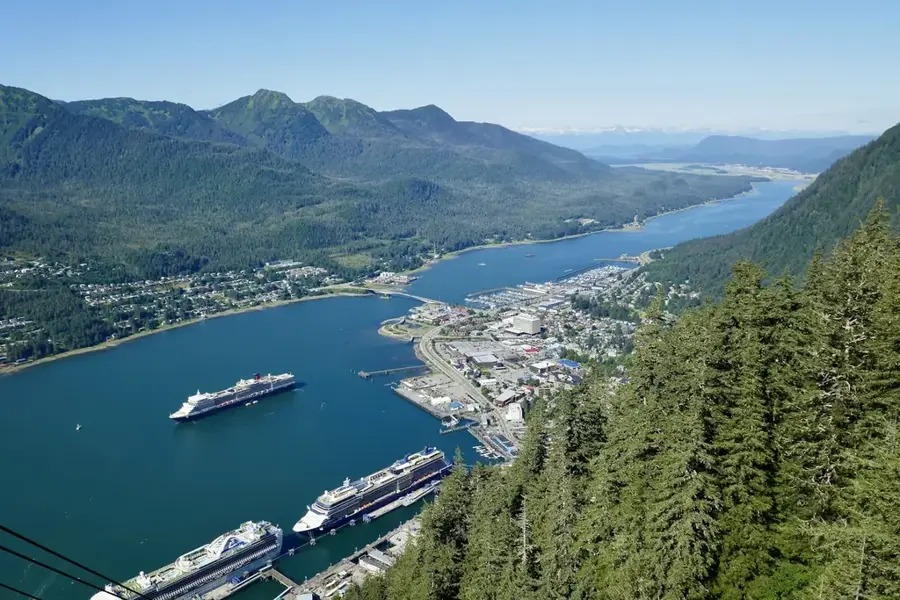
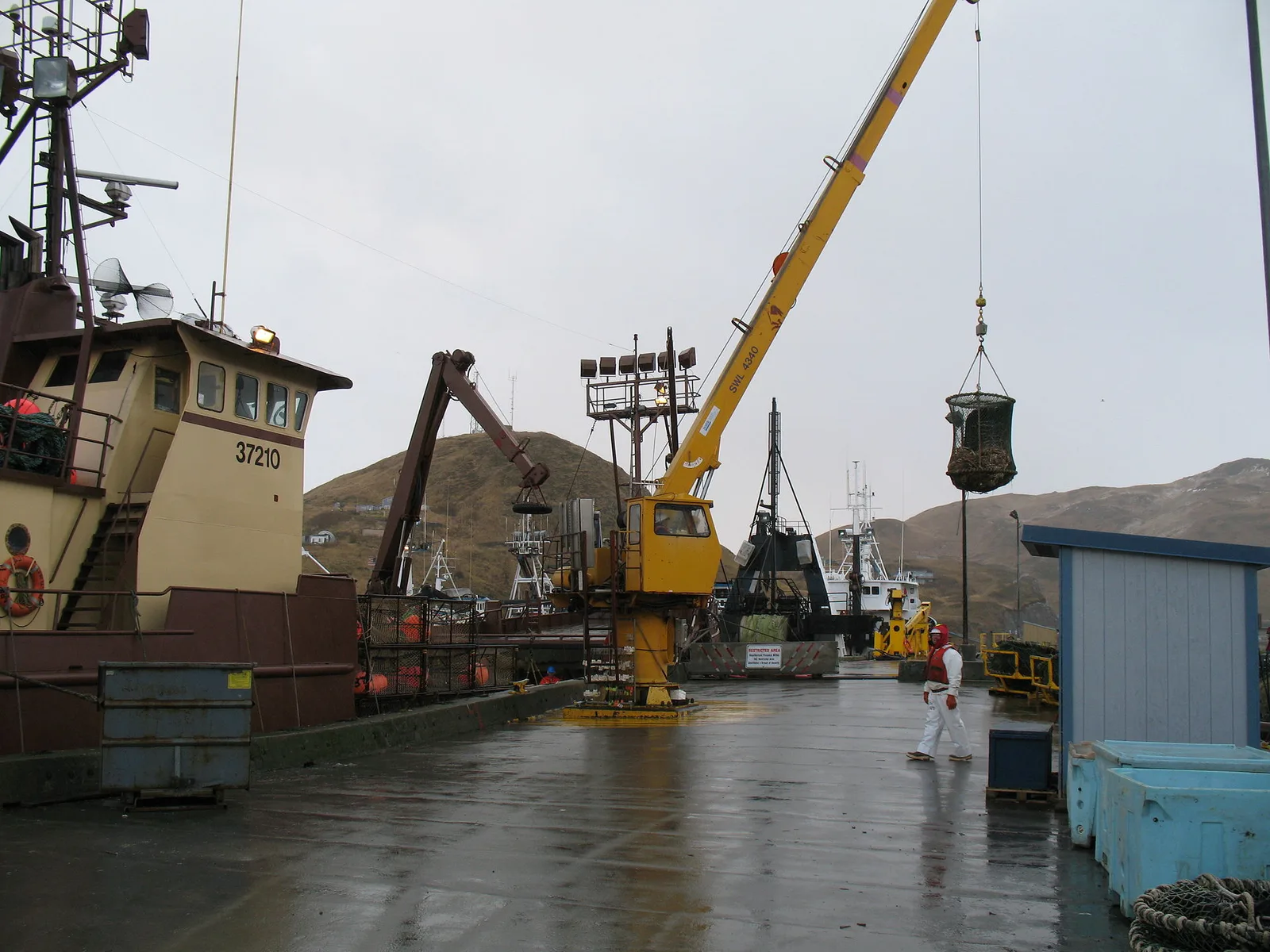
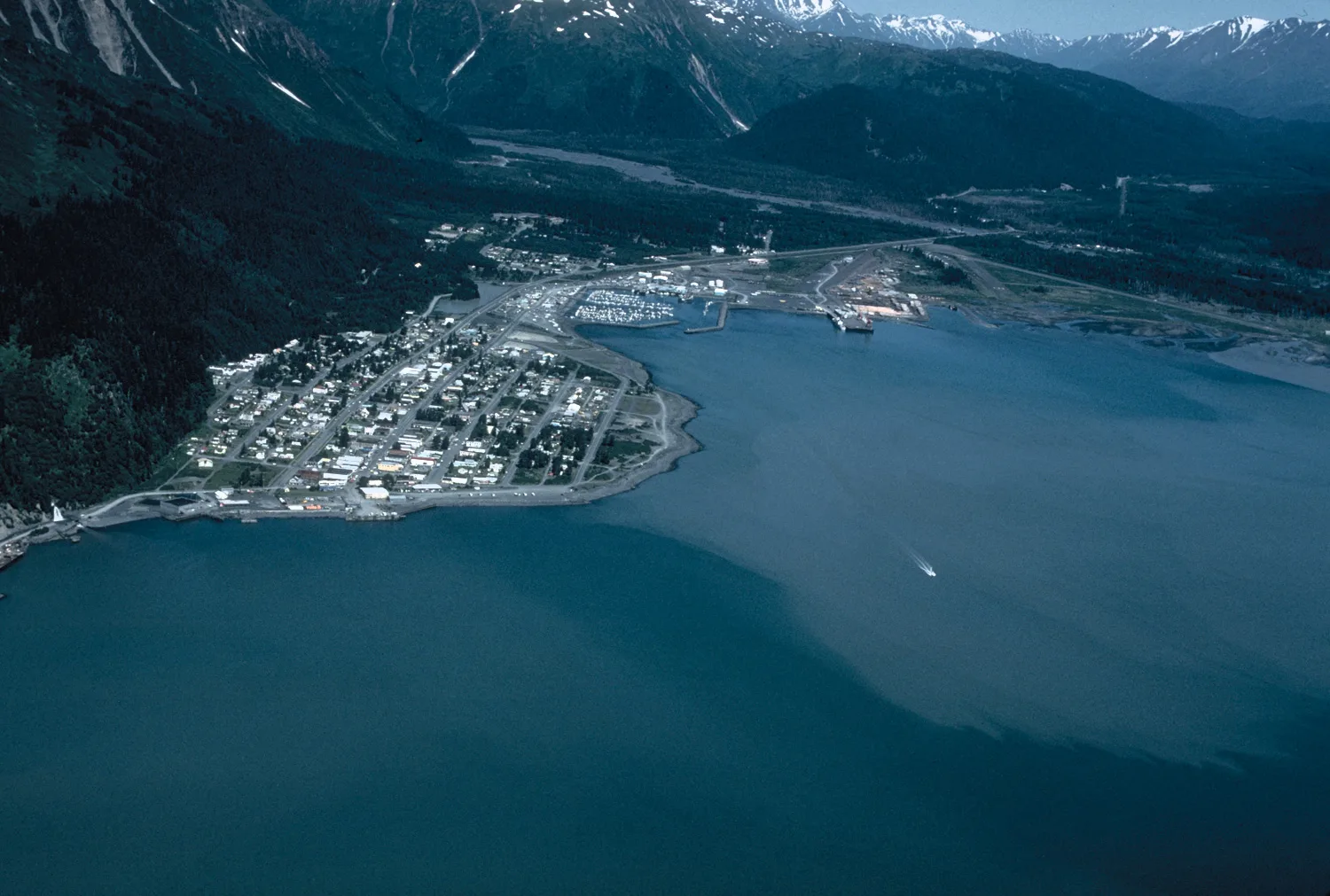
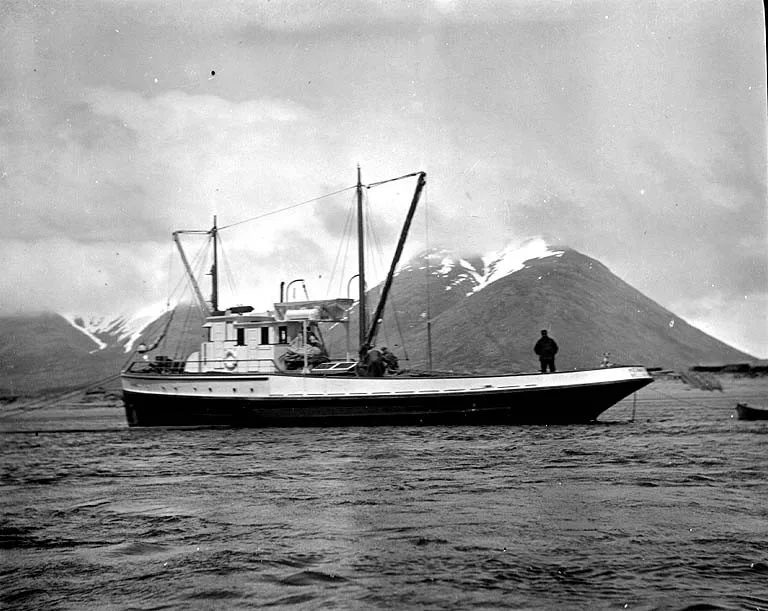
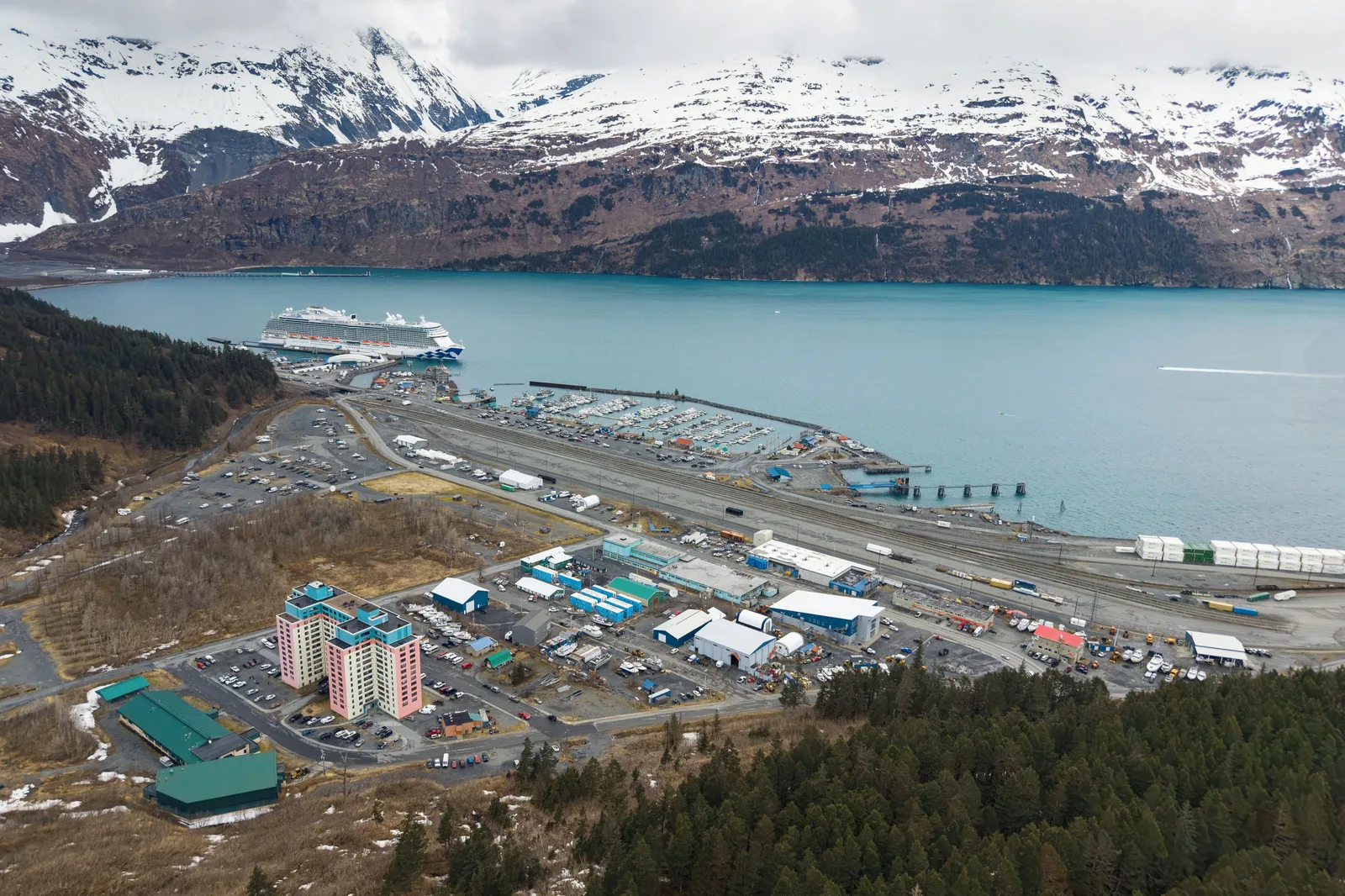
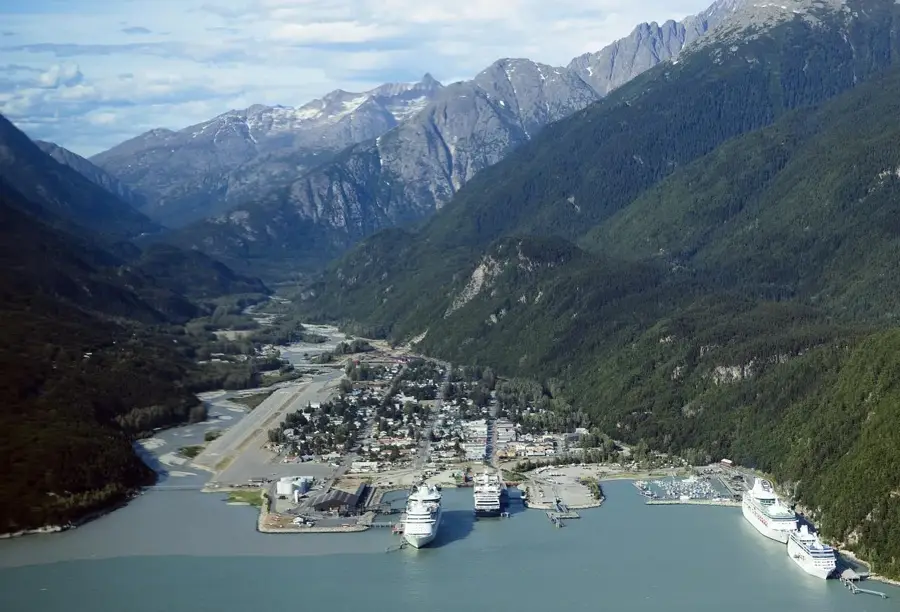
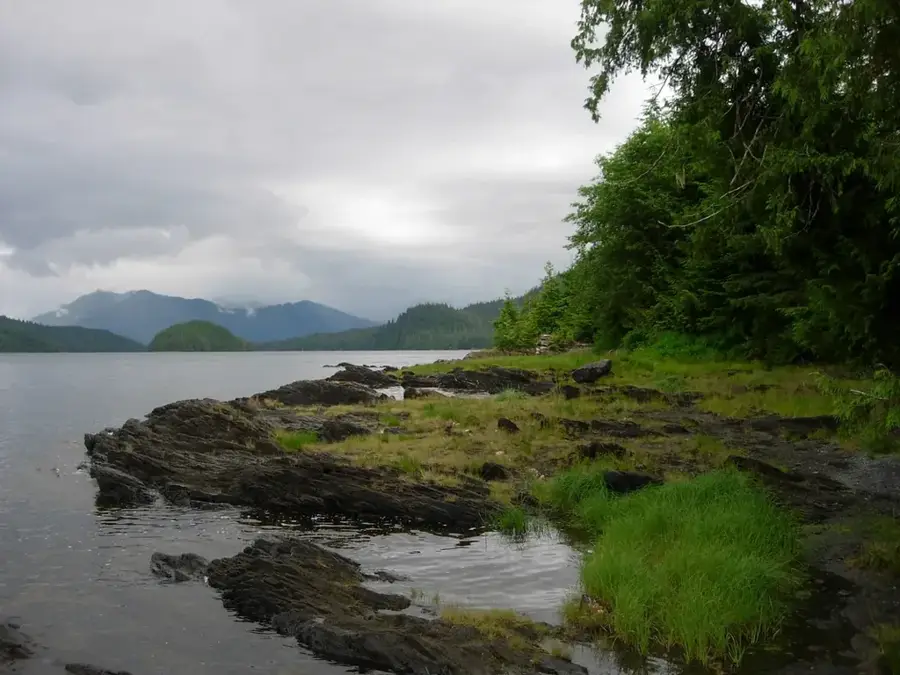
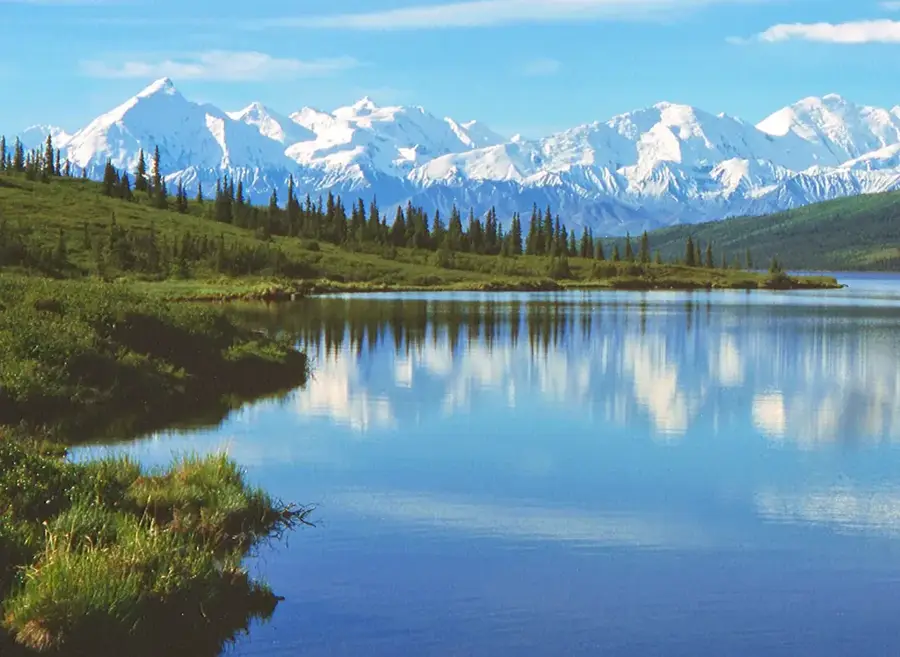
The Gulf of Alaska is an incredibly vast, highly turbulent oceanic basin of the northern Pacific Ocean, defined by the sweeping, massive curve of the southern Alaskan coastline. The massive region is geographically defined by incredibly steep, heavily glaciated mountains plunging directly into the deep, dark ocean, creating a visually staggering landscape of deep fjords and massive tidewater glaciers, such as those found in Glacier Bay. The gulf acts as a massive meteorological engine, constantly generating incredibly powerful, intensely destructive low-pressure storm systems that heavily batter the entire North American west coast. Despite the brutal conditions, the deeply cold, nutrient-rich upwellings support a massive, globally critical commercial fishing industry.
Explore on the map
How well do you know United States?
Find cities, landscapes and regions in 10 varied challenges on the interactive map.
Your journey, your memory
A postcard from Gulf of Alaska
Turn your own photo into a personal postcard with a local stamp. Free and no sign-up required.
Create a postcardBest time to visit & climate
The most pleasant time to visit is Jun–Aug.
| Jan | Feb | Mar | Apr | May | Jun | Jul | Aug | Sep | Oct | Nov | Dec | |
|---|---|---|---|---|---|---|---|---|---|---|---|---|
| Avg °C | 4 | 4 | 3 | 5 | 7 | 9 | 12 | 14 | 12 | 9 | 6 | 5 |
| Rain mm | 116 | 100 | 80 | 70 | 71 | 67 | 75 | 99 | 124 | 139 | 120 | 136 |
📋 Practical info
Geography
Facts
- A massive, highly dynamic arm of the northern Pacific Ocean.
- Renowned as a massive generator of incredibly fierce, powerful storms.
- Features a staggeringly rugged coastline with massive tidewater glaciers.
- Driven by the massive, surprisingly warm Alaska Current.
- Supports one of the most incredibly productive massive fisheries globally.
- Deeply influenced by massive, complex tectonic subduction zones.
Route planner — Car & Motorhome
Where do you start? We build the route here, with stops and country notes along the way.
© OpenStreetMap contributors · OpenRouteService
Sights nearby
Frequently asked questions
What is the weather like in the Gulf of Alaska?
Can you watch whales?
Are there parking spots for RVs?
How do I best reach the Gulf of Alaska?
Is the area safe for hikers?
Gulf of Alaska: where is it located?
Gulf of Alaska: when is the best time to visit?
Gulf of Alaska: why is it worth visiting?
Nearby cities