Plizio Visual Lab
Mercedes
ℹ️Practical info — Mercedes
▾
🌤 Weather — 5 days
📍 Nearby
Sights nearby
💡 Tips
- Walk along the Rambla Batlle y Ordóñez at sunset for beautiful views of the Río Negro.
- Look out for jazz events; Mercedes is famously known as the Jazz Capital of Uruguay.
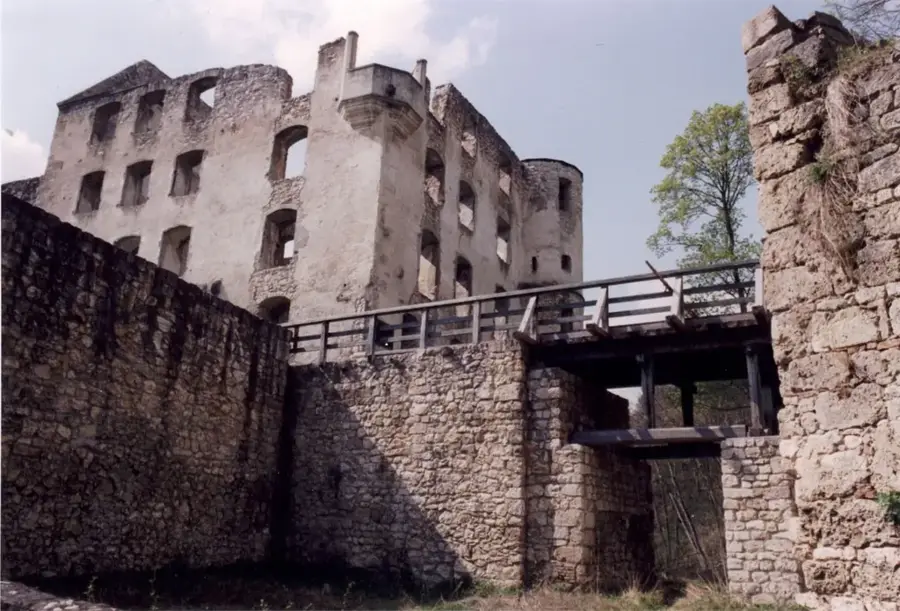
- Visit the historic Castillo Mauá slightly out of town; combining it with a winery tour is a great afternoon activity.
- Bicycles are a popular and practical way to get around the relatively flat city streets.
- Try to park a few blocks away from the main commercial streets for easier access and free spots.
🍽 Food
Find excellent cuts of Uruguayan beef grilled over a wood fire at parrillas along the riverside.
Grab these baked or fried savory pastries from local bakeries for a quick and cheap lunch.
Pair your evening meal with Uruguay's signature red wine, easily found at any local restaurant.
🛍 Shopping · 🧘 Quiet spots
Purchase excellent local dairy products from specialty grocers in the city center.
Find beautifully crafted local mate sets at artisan shops near the main square.
Cross the bridge to this island park in the river for camping, picnics, and nature trails.
A beautifully maintained public garden offering a colorful and tranquil escape.
Water temperature…
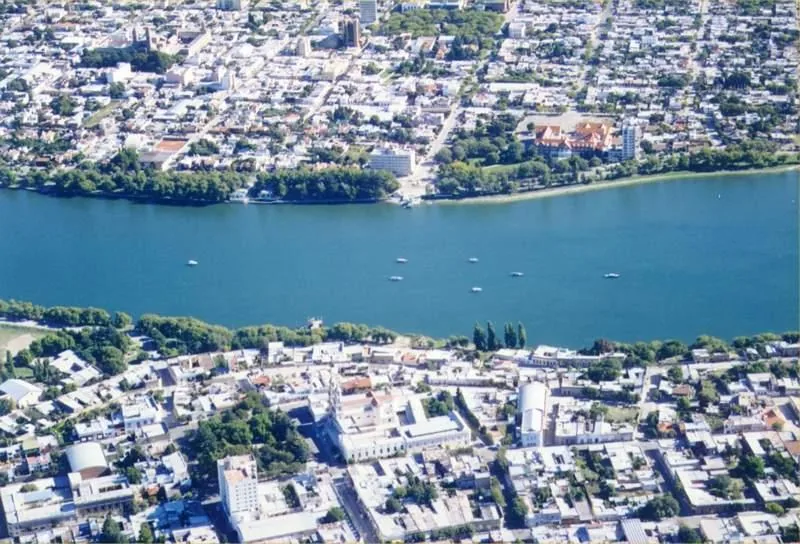
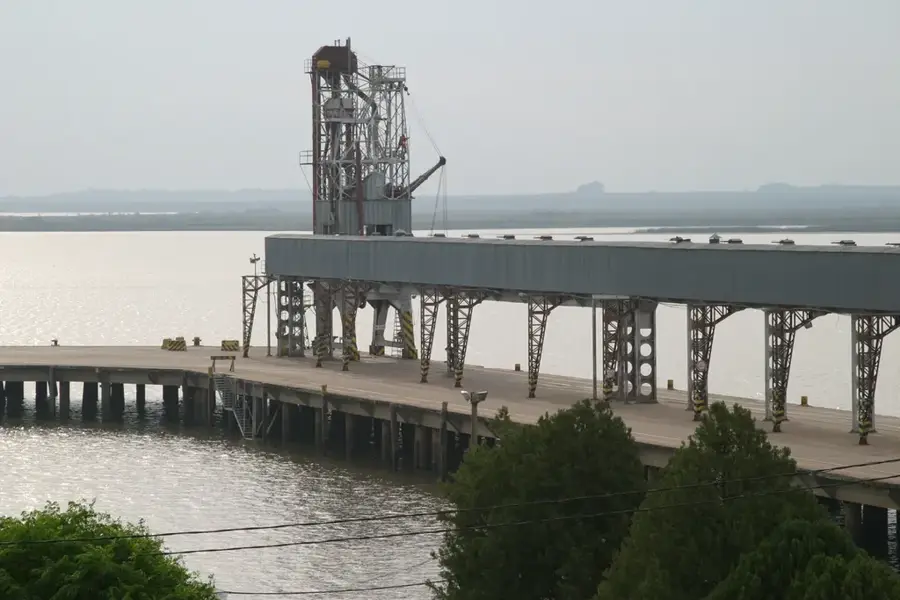
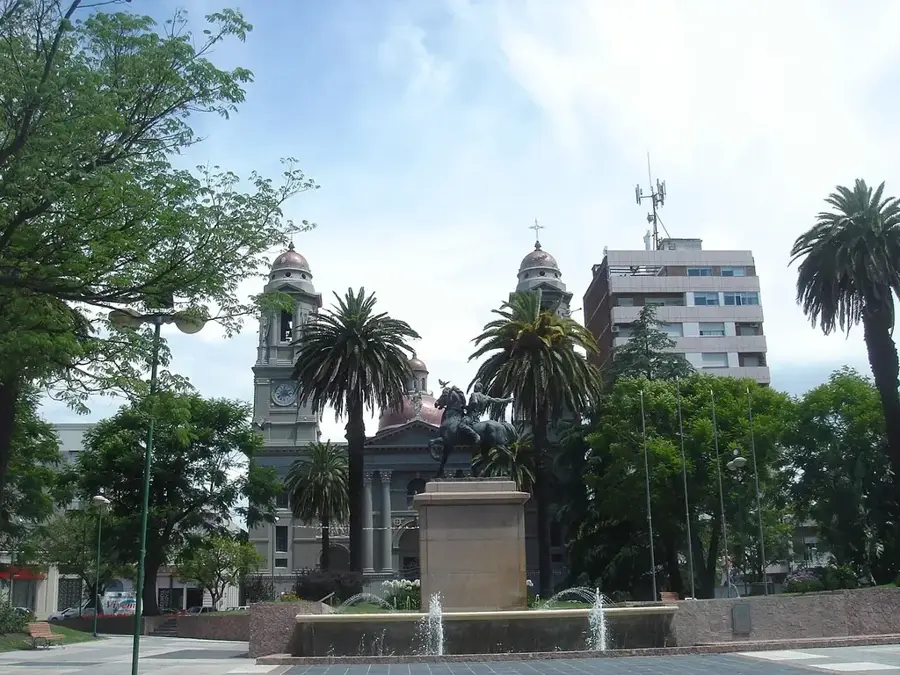
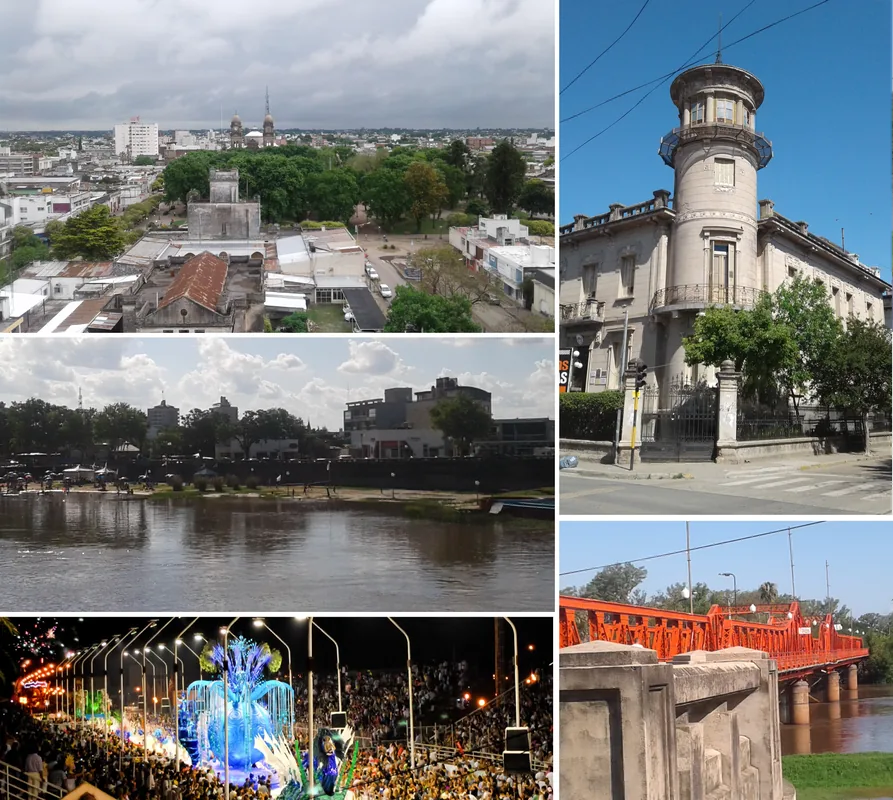
Mercedes is the capital of the Soriano Department in western Uruguay, beautifully positioned on the southern bank of the Río Negro. Founded in 1788 by Father Manuel Antonio de Castro y Careaga, it is known as the 'City of Fertile Soil' due to the exceptional agricultural productivity of the surrounding plains. Mercedes holds profound historical significance as the epicenter of the 1811 'Grito de Asencio,' the uprising that launched Uruguay's struggle for independence from Spanish colonial rule. The city is renowned for its spectacular riverfront promenade, the Rambla, which features lush gardens and serves as a social hub for residents and tourists alike. The local economy is a major driver of Uruguay's agricultural exports, focusing heavily on soy, wheat, and corn production, supported by a modern logistics network. A prominent landmark is the Mauá Castle, an expansive 19th-century estate built by the Baron of Mauá, which now houses a paleontology museum and a public winery. Cultural life in Mercedes is lively, highlighted by the annual 'Jazz a la Calle' international festival, which transforms the city streets into a lively stage for musicians from around the globe. The urban landscape is characterized by its well-preserved neoclassical architecture and quiet, tree-lined streets. As a major river port, Mercedes facilitates the transport of goods along the Río Negro, connecting the interior of the country with international markets. The city combines its rich revolutionary history with a modern commitment to education and culture, making it one of the most important urban centers in western Uruguay.
Explore on the map
How well do you know Uruguay?
Find cities, landscapes and regions in 10 varied challenges on the interactive map.
Your journey, your memory
A postcard from Mercedes
Turn your own photo into a personal postcard with a local stamp. Free and no sign-up required.
Create a postcard- Location: Uruguay
- Highlights: Teatro 28 de Febrero · Nuestra Señora de las Mercedes · Musėo Paleontologico
- Nearby: Dolores (36 km)
- Population: ~42.359 (2026)
Best time to visit & climate
The most pleasant time to visit is Mar, Apr, Nov.
| Jan | Feb | Mar | Apr | May | Jun | Jul | Aug | Sep | Oct | Nov | Dec | |
|---|---|---|---|---|---|---|---|---|---|---|---|---|
| Avg °C | 26 | 24 | 22 | 18 | 14 | 11 | 11 | 12 | 14 | 18 | 21 | 24 |
| Rain mm | 134 | 139 | 136 | 122 | 87 | 60 | 56 | 80 | 90 | 138 | 106 | 129 |
Geography
Facts
- Founded in 1788, it is one of Uruguay's oldest cities.
- Capital of the Soriano Department, the first to be created.
- The Grito de Asencio occurred nearby on Feb 28, 1811.
- The city's Rambla is a primary site for recreation and events.
- Mauá Castle includes a working winery and a park.
- Mercedes is a key hub for the National Route 2 highway.
- The city has a strong tradition in rowing and water sports.
- Host of the annual 'International Jazz on the Street' festival.
Explore nearby
Notable places around
Route planner — Car & Motorhome
Where do you start? We build the route here, with stops and country notes along the way.
© OpenStreetMap contributors · OpenRouteService
Sights in the town Mercedes (4)
Frequently asked questions
Why should you visit Mercedes?
Is the place family-friendly?
What is the best season to visit?
Are there local specialties?
How do you reach Mercedes?
Mercedes: where is it located?
Mercedes: what is there to see?
Mercedes: when is the best time to visit?
Mercedes: why is it worth visiting?
Nearby cities
Nature
More places