Plizio Visual Lab
Melo
ℹ️Practical info — Melo
▾
🌤 Weather — 5 days
📍 Nearby
Sights nearby
💡 Tips
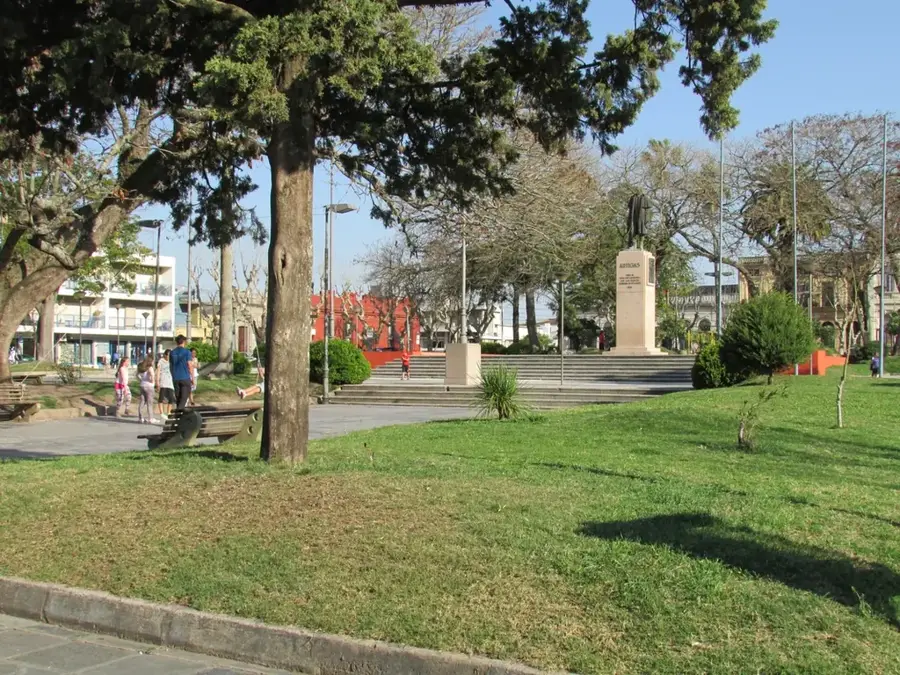
- Visit the Plaza Independencia in the late afternoon when locals gather for mate and the sun sets.
- Parking in the city center is generally free but can be crowded near the commercial areas.
- Look out for local carnivals if you visit in February, Melo is famous for its spirited street parades.
- Try walking or taking a taxi; public buses are limited in frequency.
- Visit the historic Juana de Ibarbourou house to learn about Uruguay's famous poet.
🍽 Food
Order this massive local sandwich at any traditional parrillada near the main square.
Enjoy authentic wood-fired meats at local steakhouses scattered along the main avenues.
A classic Uruguayan dessert with sponge cake, meringue, and peaches, available at local bakeries.
🛍 Shopping · 🧘 Quiet spots
Look for artisanal leather belts and mates at local craft shops in the center.
Pick up a box of these dulce de leche-filled cookies at supermarkets or local confectioneries.
A peaceful green space great for a relaxing afternoon walk under the trees.
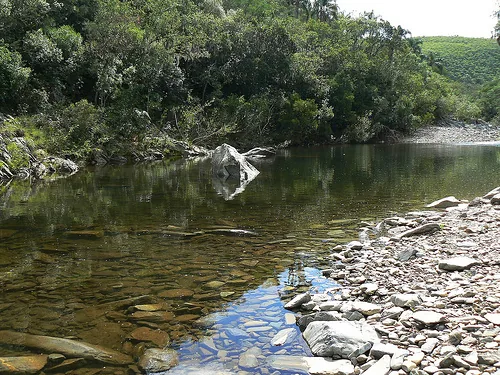
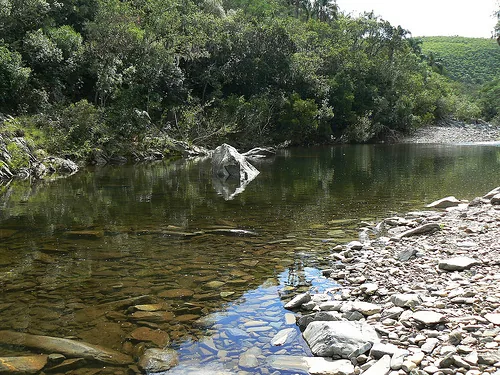
Take a quiet stroll along the riverside, a favorite spot for locals seeking nature.
Water temperature…
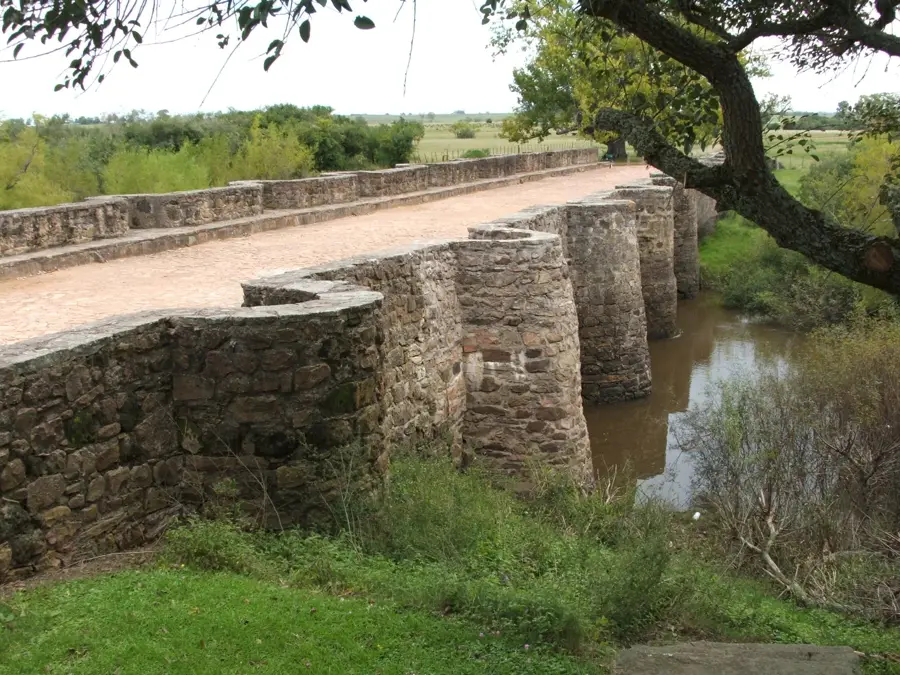
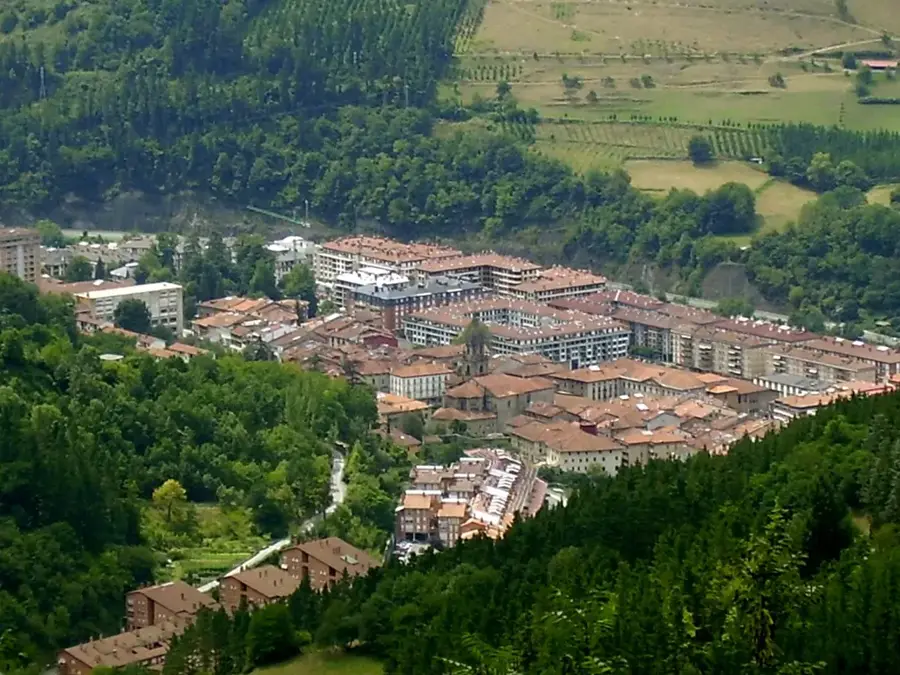
Melo is the capital city of the Cerro Largo Department in northeastern Uruguay, located approximately 60 kilometers from the Brazilian border. Founded in 1795 by Captain Agustín de la Rosa, the settlement was established as a strategic military outpost to secure Spanish territory against Portuguese expansionism. This borderland location has historically made Melo a melting pot of cultures, where Spanish and Portuguese influences converge in language, customs, and architecture. The city is celebrated as the birthplace of Juana de Ibarbourou, one of Latin America's most renowned poets, whose childhood home now serves as a dedicated museum. Melo's urban landscape is characterized by its wide streets and a mix of colonial and early 20th-century buildings, with the Cathedral of Melo standing as a prominent landmark on the main plaza. Geographically, the city lies in a fertile region of rolling plains and hills, watered by the Arroyo Conventos, which provides an easy on the eye setting for local parks. The economy is deeply rooted in agriculture and livestock, particularly cattle and sheep ranching, as well as significant rice production in the surrounding lowlands. A key historical site near the city is the Posta del Chuy, a stone bridge and inn built in 1855 by Basque immigrants, which served as a vital stop for stagecoaches and merchants during the 19th century. Melo is also famous for its unique Carnival celebrations, which incorporate Brazilian-style sambas and bustling costumes, distinguishing it from the traditional Candombe found in Montevideo. As a regional administrative center, Melo hosts various educational and government institutions, playing a crucial role in the development of northern Uruguay.
Explore on the map
How well do you know Uruguay?
Find cities, landscapes and regions in 10 varied challenges on the interactive map.
Your journey, your memory
A postcard from Melo
Turn your own photo into a personal postcard with a local stamp. Free and no sign-up required.
Create a postcard- Location: Uruguay
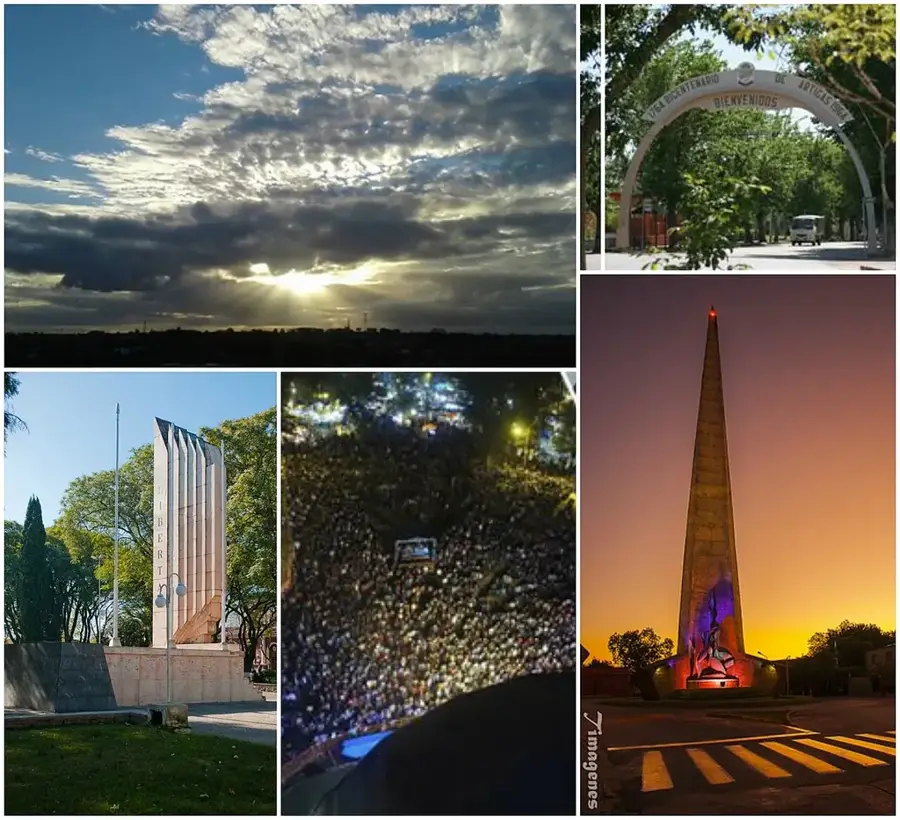
- Highlights: Museo de Historia · Catedral de Melo · Teatro de Verano
- Nearby: Fraile Muerto (37 km)
- Population: ~51.023 (2026)
Best time to visit & climate
The most pleasant time to visit is Mar, Nov, Dec.
| Jan | Feb | Mar | Apr | May | Jun | Jul | Aug | Sep | Oct | Nov | Dec | |
|---|---|---|---|---|---|---|---|---|---|---|---|---|
| Avg °C | 24 | 23 | 21 | 18 | 14 | 12 | 11 | 12 | 14 | 17 | 19 | 22 |
| Rain mm | 107 | 124 | 104 | 125 | 116 | 110 | 97 | 120 | 133 | 131 | 89 | 96 |
Geography
Facts
- Established on June 27, 1795, by Agustín de la Rosa.
- Located 387 kilometers from the national capital, Montevideo.
- The birthplace of the iconic poet Juana de Ibarbourou.
- The Posta del Chuy was a vital 19th-century trade station.
- Melo is the primary commercial hub for the Cerro Largo Department.
- Features a unique blend of Uruguayan and Brazilian cultural traits.
- The city sits at an elevation of roughly 100 meters above sea level.
- Home to the General Artigas Park along the Arroyo Conventos.
Explore nearby
Notable places around
Route planner — Car & Motorhome
Where do you start? We build the route here, with stops and country notes along the way.
© OpenStreetMap contributors · OpenRouteService
Sights in the town Melo (6)
Frequently asked questions
What defines Melo?
Can you experience the carnival there?
How do I get to Melo?
What sights are there?
Is the place family-friendly?
Melo: where is it located?
Melo: what is there to see?
Melo: when is the best time to visit?
Melo: why is it worth visiting?
Nearby cities
More places