Plizio Visual Lab
Artigas
ℹ️Practical info — Artigas
▾
🌤 Weather — 5 days
📍 Nearby
Sights nearby
💡 Tips
- Drinking mate is almost a religion here; carrying a thermos and a mate cup under your arm will help you blend right in.
- The border with Brazil (Quaraí) is just a bridge away; take advantage of the easy crossing for a day trip.
- Try to visit in February or March; the local carnival is heavily inspired by Brazilian samba and is extremely colorful.
- Artigas is a global center for amethyst geodes; visiting a local lapidary is highly recommended.
🍽 Food
A gigantic beef dish with fries and a fried egg, served at local parrilladas (steakhouses).
Classic Uruguayan BBQ; try the wood-fired grilled meat specialties in traditional asadores.
The Uruguayan version of a hot dog, often served with many sauces, a first-rate snack around the main squares.
🛍 Shopping · 🧘 Quiet spots
Here you'll find fantastic souvenirs in the form of deep purple, locally mined amethysts in all sizes.
Boutiques in the center offer high-quality belts and wallets made from premium Uruguayan leather.
A lovely, leafy park by the Cuareim river, great for a relaxing afternoon with mate tea.
The city's main square is wonderfully quiet in the evening and invites you to linger on one of its many benches.
Water temperature…
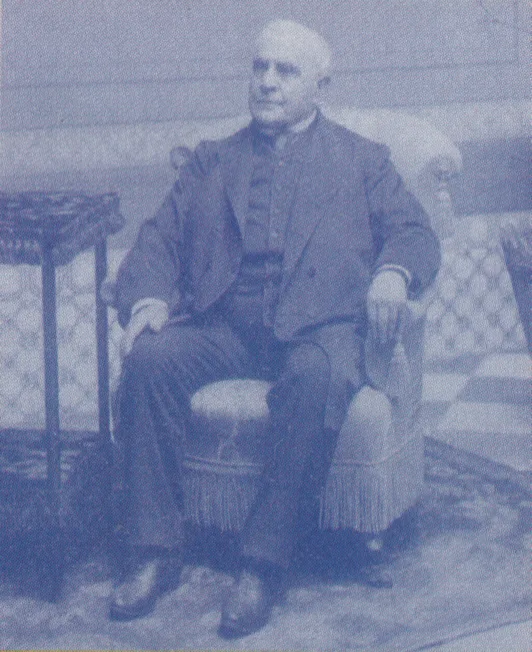
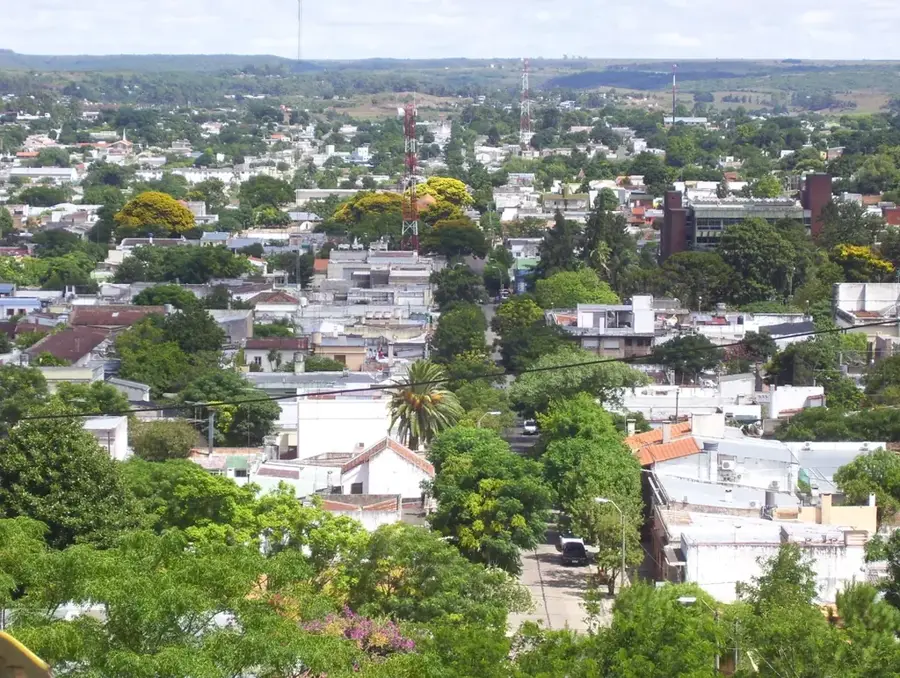
Artigas, the capital of the Artigas Department, serves as Uruguay's northern gateway, situated on the banks of the Cuareim River opposite the Brazilian city of Quaraí. Established in 1852 by Carlos Catalá under the name San Eugenio del Cuareim, it was renamed in 1915 to honor the national hero José Gervasio Artigas. The city's location has fostered a unique cross-border identity, where Spanish and Portuguese influences merge seamlessly in language, cuisine, and social customs. Economically, Artigas is internationally renowned as a hub for the mining of semi-precious stones, specifically deep-purple amethysts and intricate agates found in the surrounding basaltic formations. These gemstones are not only a source of local pride but also a major export commodity, with specialized workshops in the city dedicated to cutting and polishing them. Agriculture also plays a vital role, with the region being a leader in sugar cane production and traditional cattle ranching. One of the city's most significant cultural highlights is the Artigas Carnival, which is widely considered the most bustling in Uruguay due to its strong Brazilian-inspired samba parades. The Plaza Batlle y Ordóñez, one of the largest public squares in South America, serves as the heart of the city, hosting major civic events and providing a communal space for its residents. Artigas is also characterized by its commitment to education and regional development, maintaining a distinct character that sets it apart from the southern coastal regions of the country. Its history as a border stronghold and its current status as a mineral and agricultural powerhouse make Artigas a crucial component of Uruguay's national fabric, bridging the gap between the Rio de la Plata traditions and the tropical influences of the north.
Explore on the map
How well do you know Uruguay?
Find cities, landscapes and regions in 10 varied challenges on the interactive map.
Your journey, your memory
A postcard from Artigas
Turn your own photo into a personal postcard with a local stamp. Free and no sign-up required.
Create a postcard- Location: Uruguay
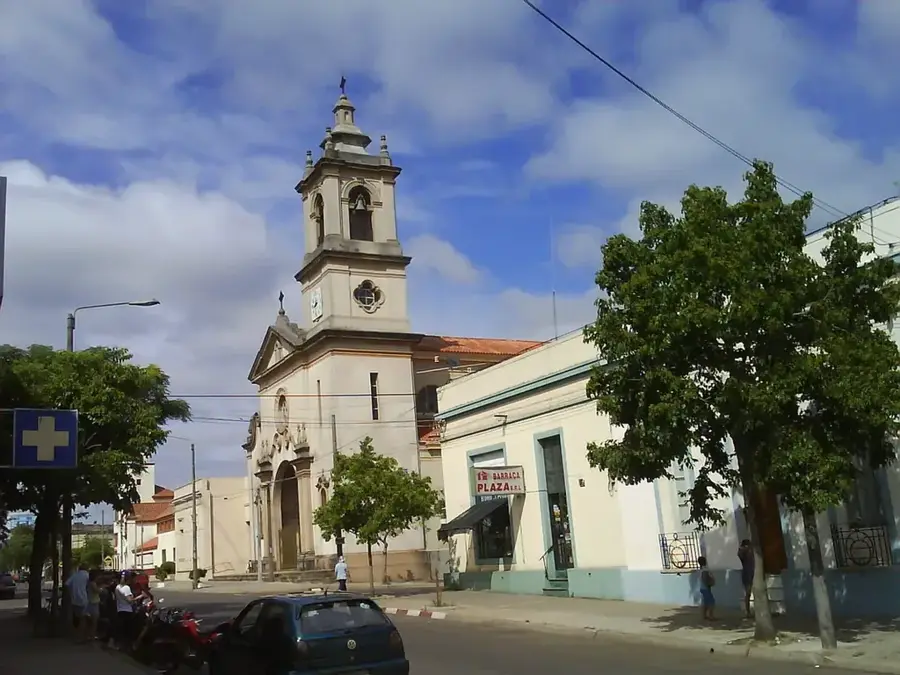
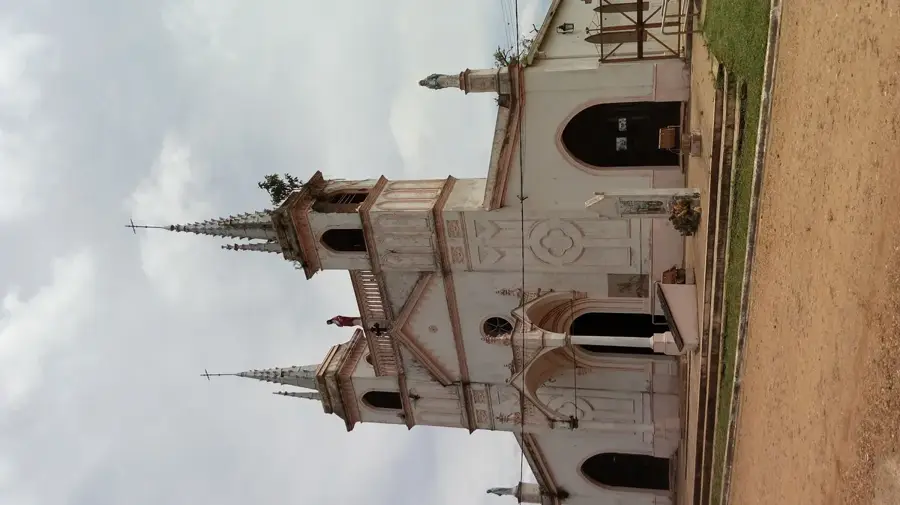
- Highlights: Ruínas do Saladeiro · Anfiteatro de Cerro Ejido · Iglesia San Eugenio del Cuareim
- Population: ~41.909 (2026)
Best time to visit & climate
The most pleasant time to visit is Mar, Apr, Nov.
| Jan | Feb | Mar | Apr | May | Jun | Jul | Aug | Sep | Oct | Nov | Dec | |
|---|---|---|---|---|---|---|---|---|---|---|---|---|
| Avg °C | 26 | 25 | 23 | 19 | 15 | 13 | 12 | 13 | 15 | 18 | 21 | 24 |
| Rain mm | 133 | 132 | 108 | 158 | 132 | 81 | 79 | 86 | 120 | 162 | 150 | 150 |
Geography
Facts
- Founded on September 12, 1852, as San Eugenio del Cuareim.
- Renamed Artigas in 1915 in honor of the national hero José Gervasio Artigas.
- It is the northernmost capital city in Uruguay, bordering Brazil.
- The city is a global center for amethyst and agate mining and processing.
- The Concordia International Bridge links the city to Quaraí, Brazil.
- Artigas features one of the largest public squares in South America.
- The local carnival is famous for its Brazilian samba school influence.
- Agriculture is dominated by sugar cane and extensive livestock farming.
Explore nearby
Notable places around
Route planner — Car & Motorhome
Where do you start? We build the route here, with stops and country notes along the way.
© OpenStreetMap contributors · OpenRouteService
Sights in the town Artigas (5)
Frequently asked questions
What is Artigas known for?
Can you visit the stone mines?
Is the city easily accessible?
How is the proximity to the border?
Is Artigas a good place for souvenirs?
Artigas: where is it located?
Artigas: what is there to see?
Artigas: when is the best time to visit?
Artigas: why is it worth visiting?
Nearby cities