Plizio Visual Lab
Jemmal
ℹ️Practical info — Jemmal
▾
🌤 Weather — 5 days
📍 Nearby
Sights nearby
💡 Tips
- Visit during the olive harvest season in late autumn to see local oil presses in action.
- The town is small; walking is the easiest way to explore the center and its traditional markets.
- Learn a few basic words of French or Arabic to communicate, as English is less commonly spoken.
- Friday is the main prayer day, so expect some shops to close in the early afternoon.
🍽 Food
Taste the region's famous olive oil with fresh bread at local bakeries.
A hearty, traditional Tunisian dish served in small local eateries.
A crispy, deep-fried pastry filled with egg and tuna, popular as a street food snack.
🛍 Shopping · 🧘 Quiet spots
Excellent for buying fresh produce, spices, and locally pressed olive oil.
Look for small craft shops selling regional Tunisian pottery.
Take a peaceful walk in the agricultural areas just outside the town center.
Observe the quiet, reflective atmosphere outside of regular prayer times.
Water temperature…
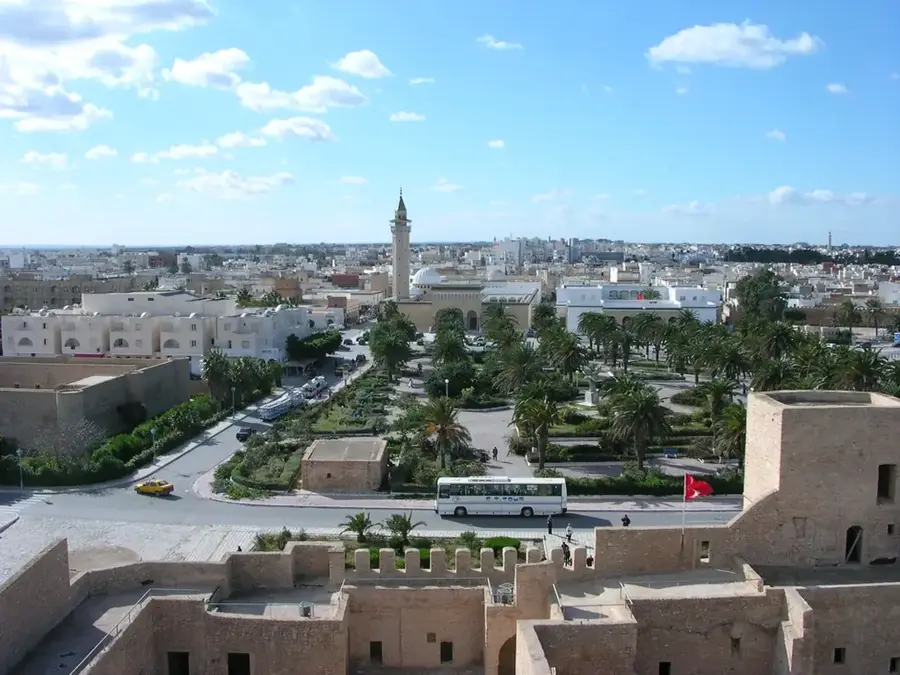
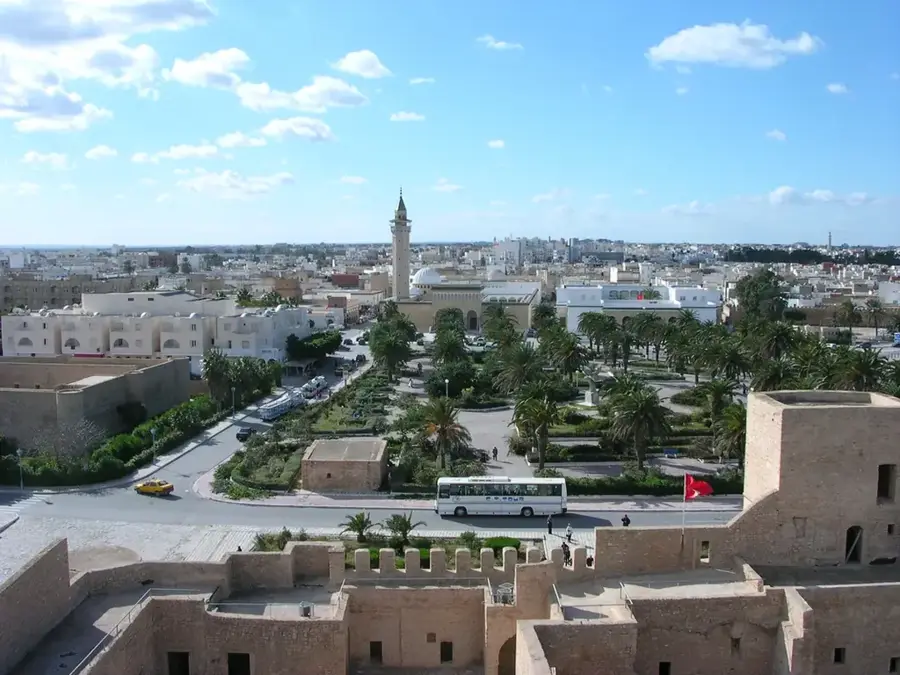
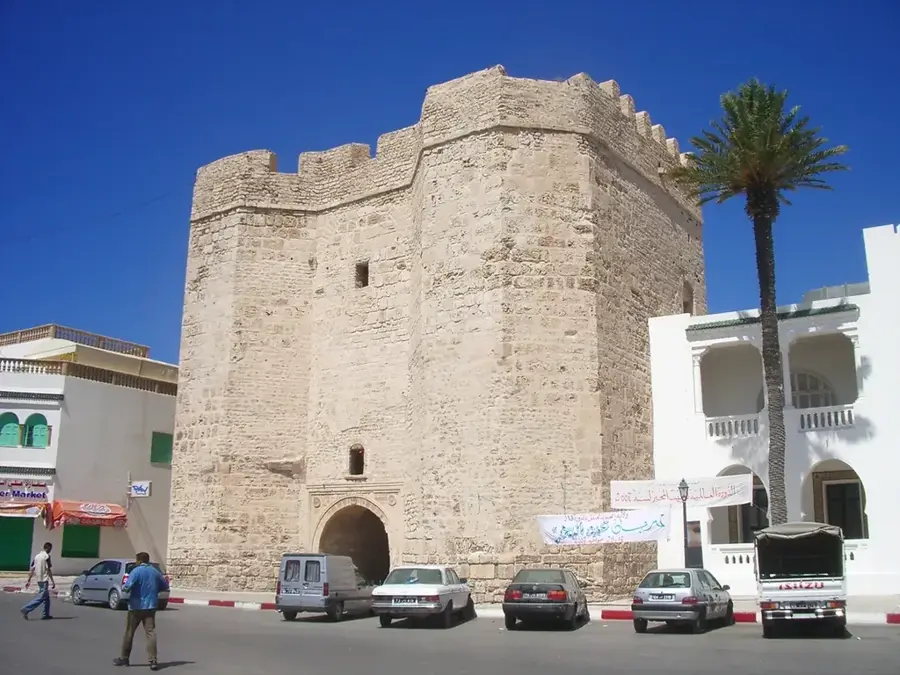
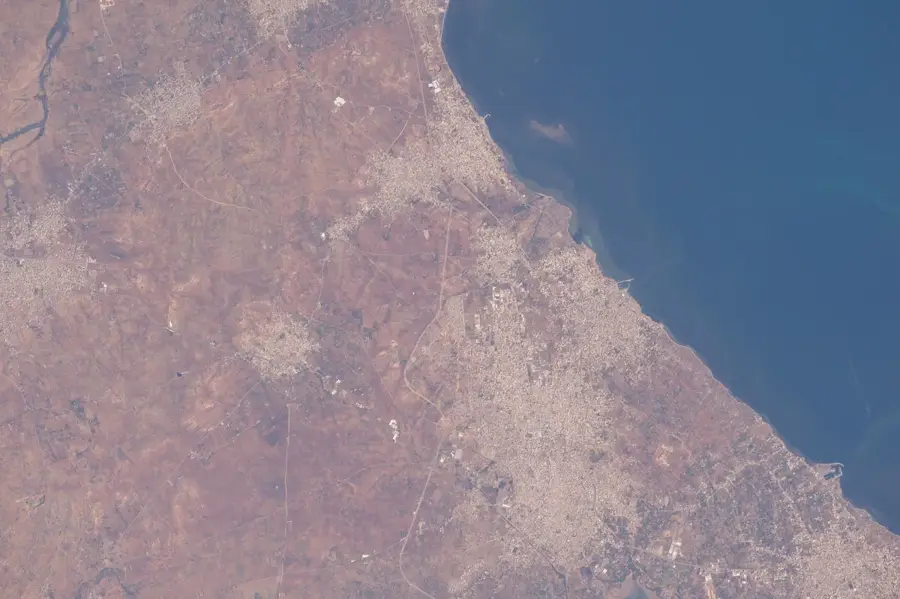
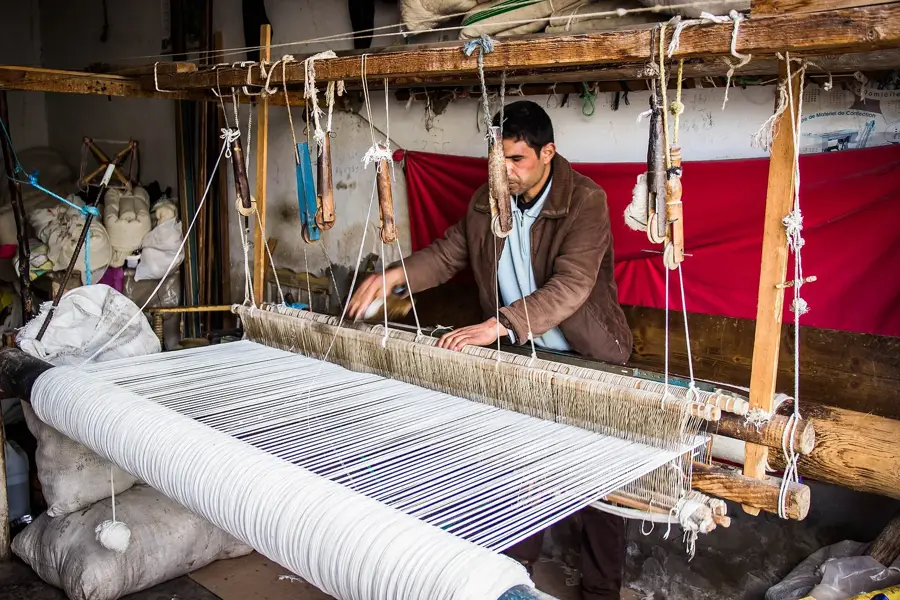
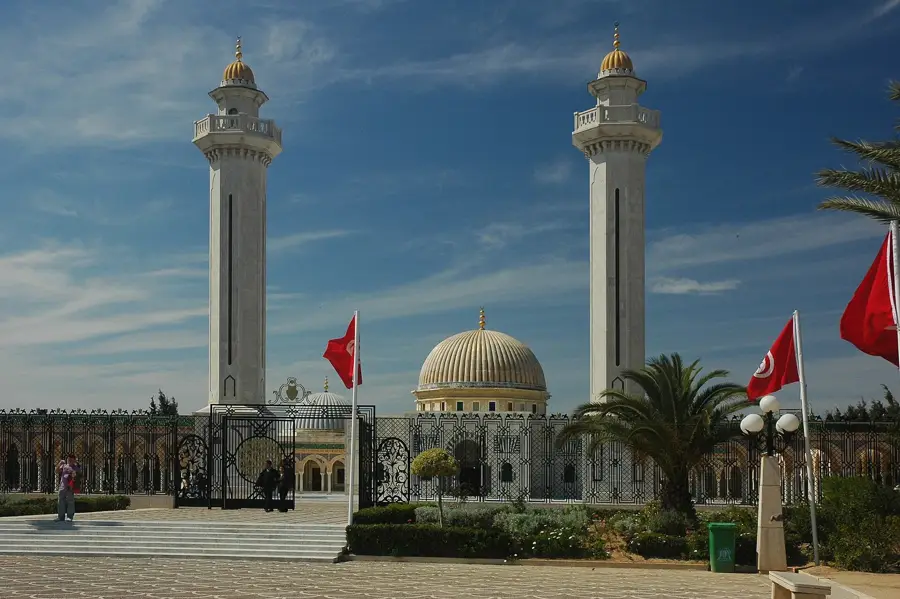
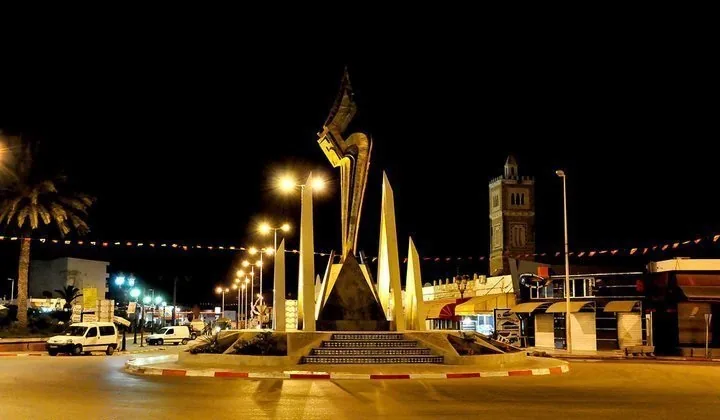
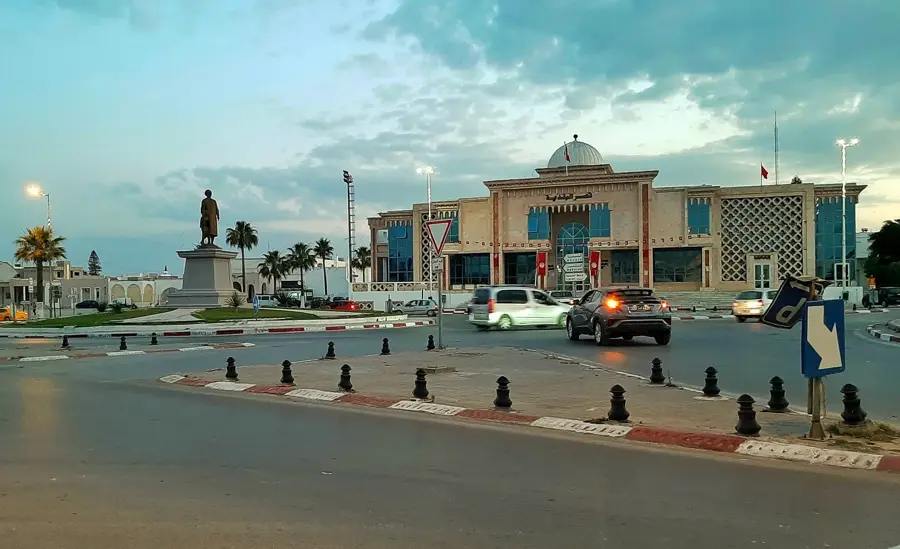
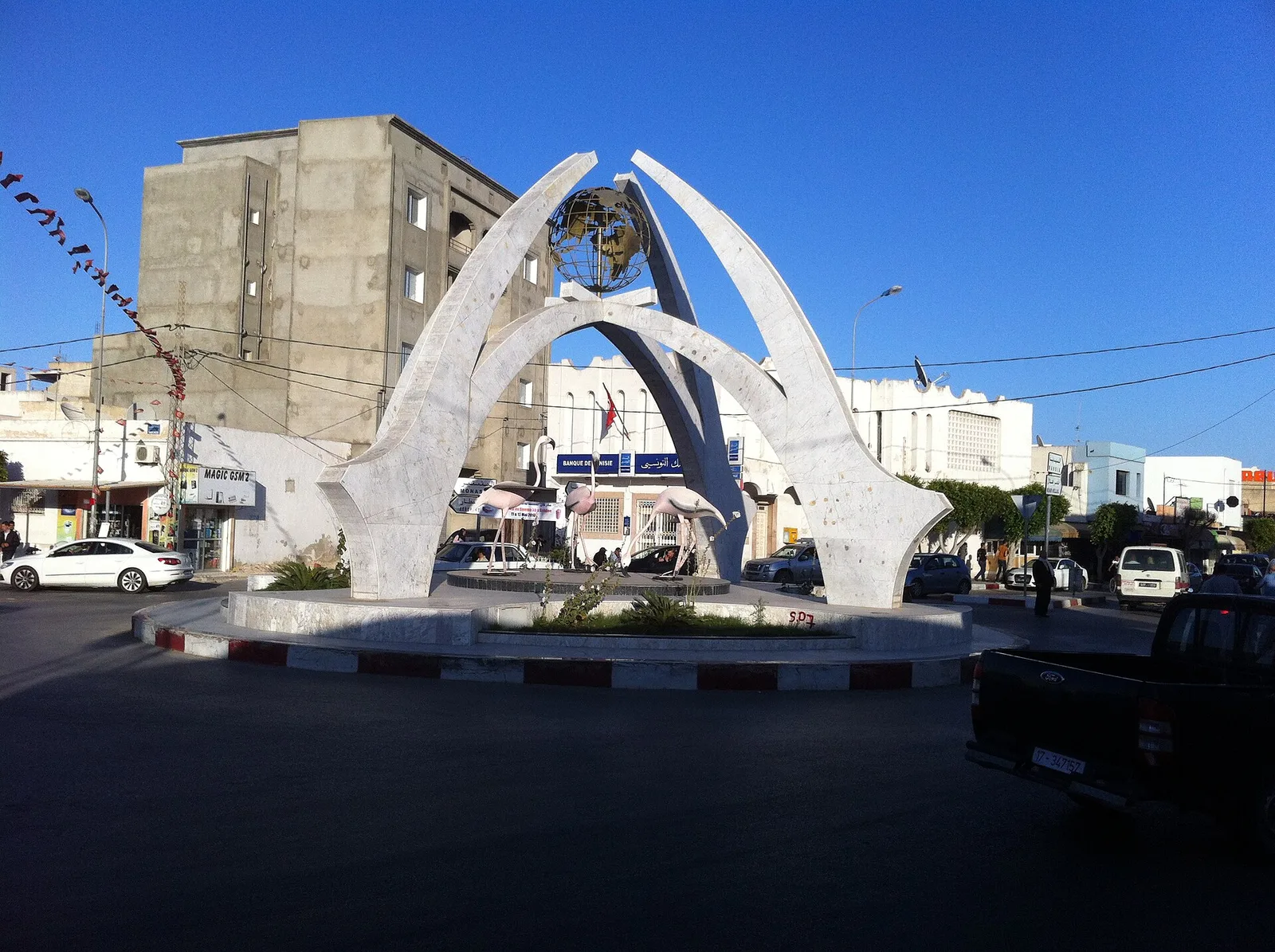
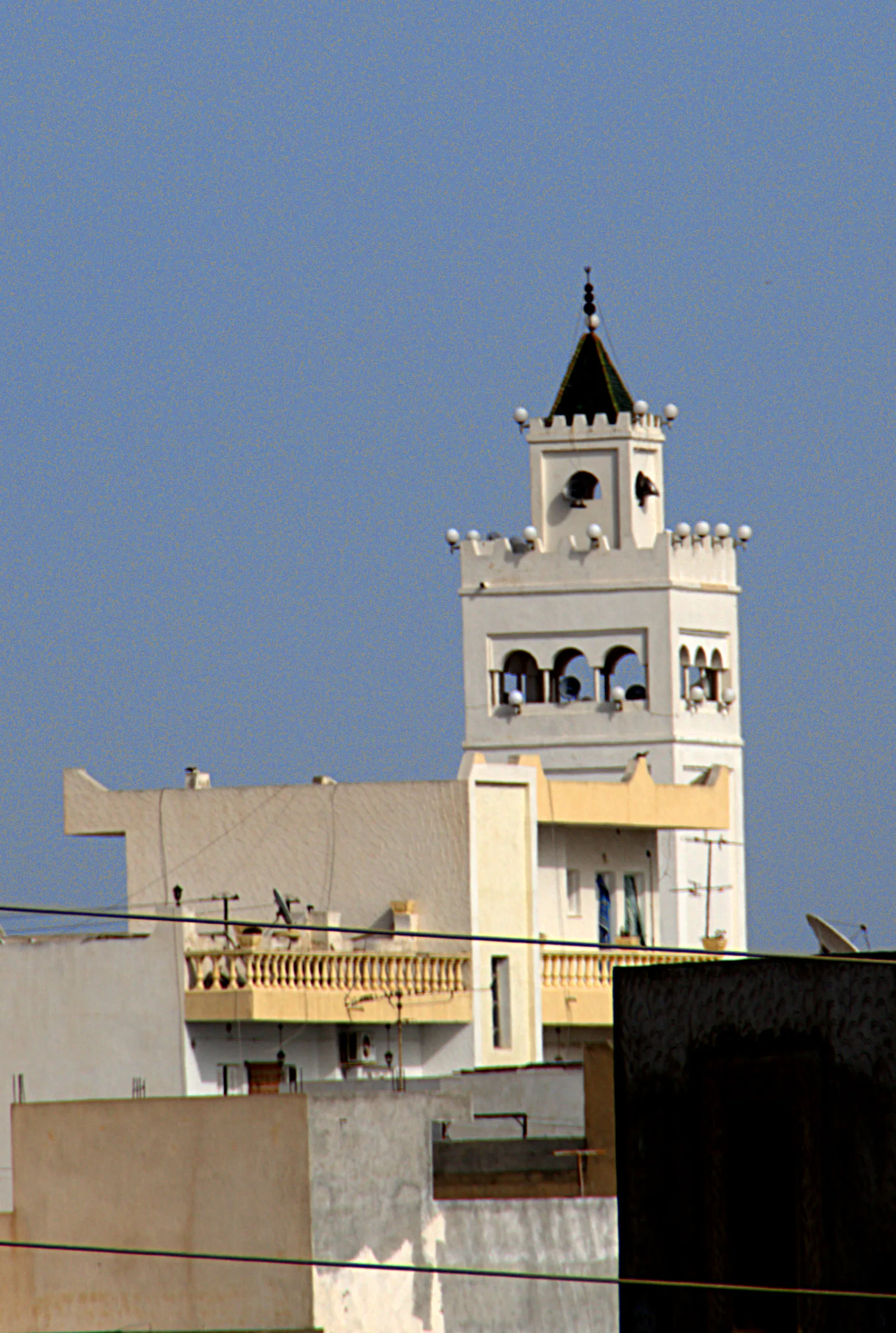
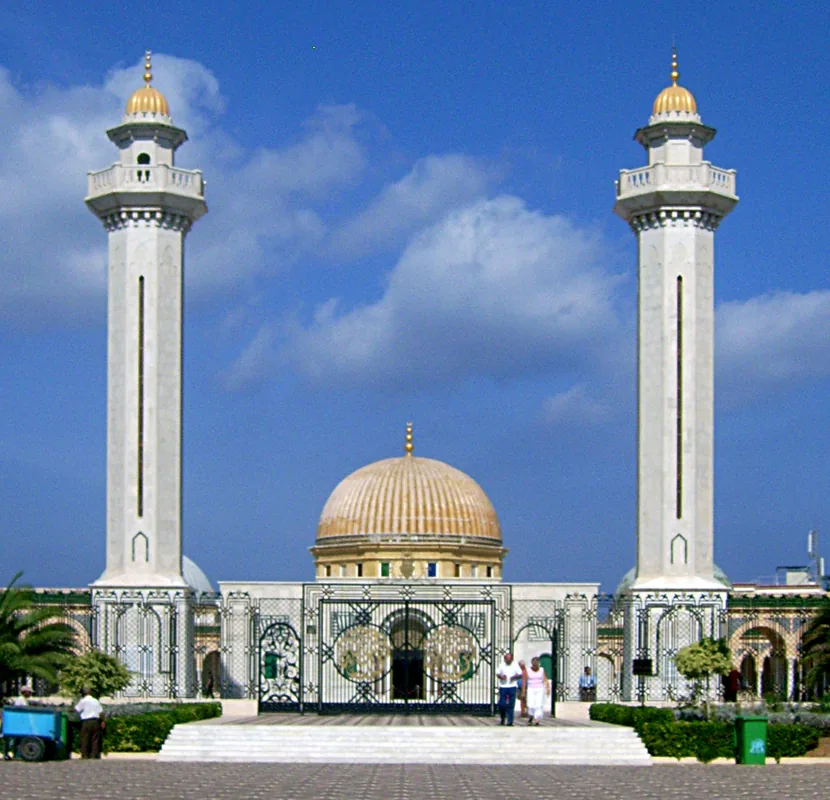
Jemmal is a significant city in the Tunisian Sahel, located within the Monastir Governorate, renowned for its agricultural and industrial prowess. The region surrounding Jemmal is defined by dense olive groves, establishing the city as one of Tunisia's foremost centers for olive oil production and processing. A prominent religious and architectural landmark is the Great Mosque of Jemmal, esteemed for its simple elegance and its role as the community's spiritual heart. In recent decades, Jemmal has also emerged as a key location for the textile and automotive parts industries, diversifying the city's economic profile. The town maintains a strong connection to its Sahel roots, evidenced by its lively weekly markets and traditional way of life. Its strategic location between major coastal cities and the hinterland makes Jemmal a vital hub for trade and development within the region.
Explore on the map
How well do you know Tunisia?
Find cities, landscapes and regions in 10 varied challenges on the interactive map.
Your journey, your memory
A postcard from Jemmal
Turn your own photo into a personal postcard with a local stamp. Free and no sign-up required.
Create a postcard- Location: Tunisia
- Nearby: Ksar Hellal (12 km)
- Population: ~6.713 (2022)
Best time to visit & climate
The most pleasant time to visit is May, Jun, Nov.
| Jan | Feb | Mar | Apr | May | Jun | Jul | Aug | Sep | Oct | Nov | Dec | |
|---|---|---|---|---|---|---|---|---|---|---|---|---|
| Avg °C | 14 | 13 | 15 | 17 | 19 | 23 | 26 | 27 | 26 | 23 | 19 | 15 |
| Rain mm | 36 | 28 | 35 | 22 | 19 | 8 | 5 | 14 | 59 | 57 | 38 | 50 |
Geography
Facts
- Jemmal is famous for its annual Olive Festival, which celebrates the harvest.
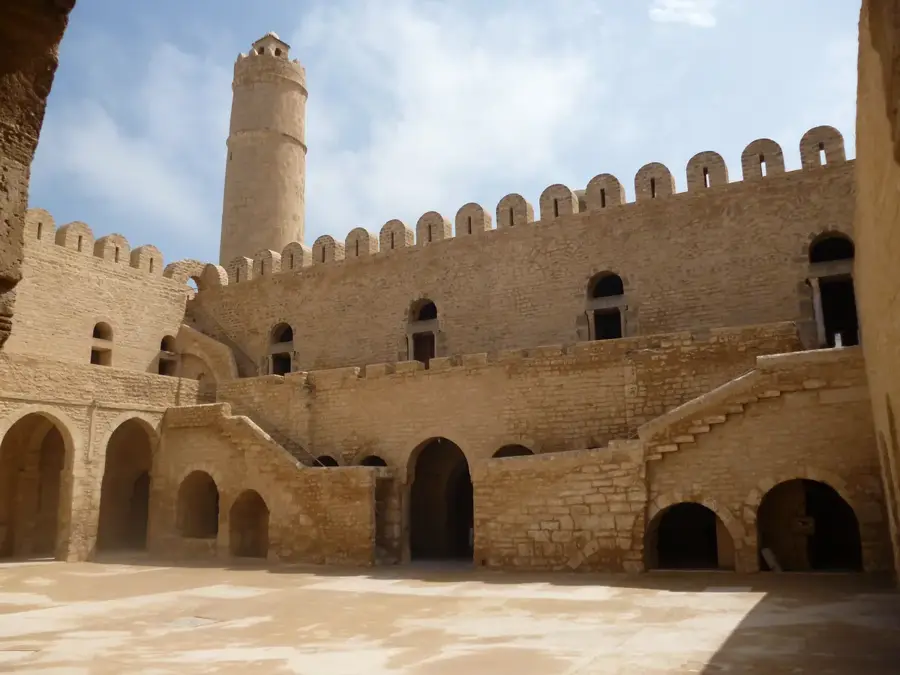
- The Great Mosque of Jemmal exhibits architectural features from the Aghlabid period.
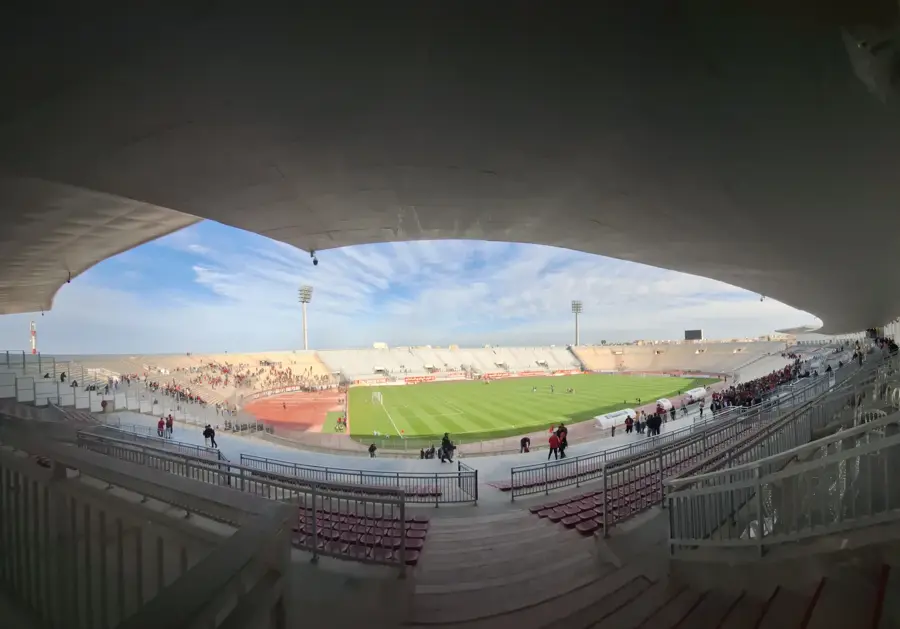
- The city hosts a growing industrial zone focused on export goods.
- Jemmal is located about 20 kilometers south of Monastir.
- In Roman times, the area was part of the province of Byzacena.
- The weekly market held on Fridays is one of the largest and most vibrant in the Sahel region.
Explore nearby
Notable places around
Route planner — Car & Motorhome
Where do you start? We build the route here, with stops and country notes along the way.
© OpenStreetMap contributors · OpenRouteService
Frequently asked questions
What kind of place is Jemmal?
Are there many tourists there?
What can you do there?
How is the location?
When is the best time for a visit?
Jemmal: where is it located?
Jemmal: when is the best time to visit?
Jemmal: why is it worth visiting?
Nearby cities
History & landmarks
More places