Plizio Visual Lab

Uluguru Mountains
Plizio editorial teamData Sources
Mountain
—°1
Uluguru Mountains (Tanzania)

Weather…

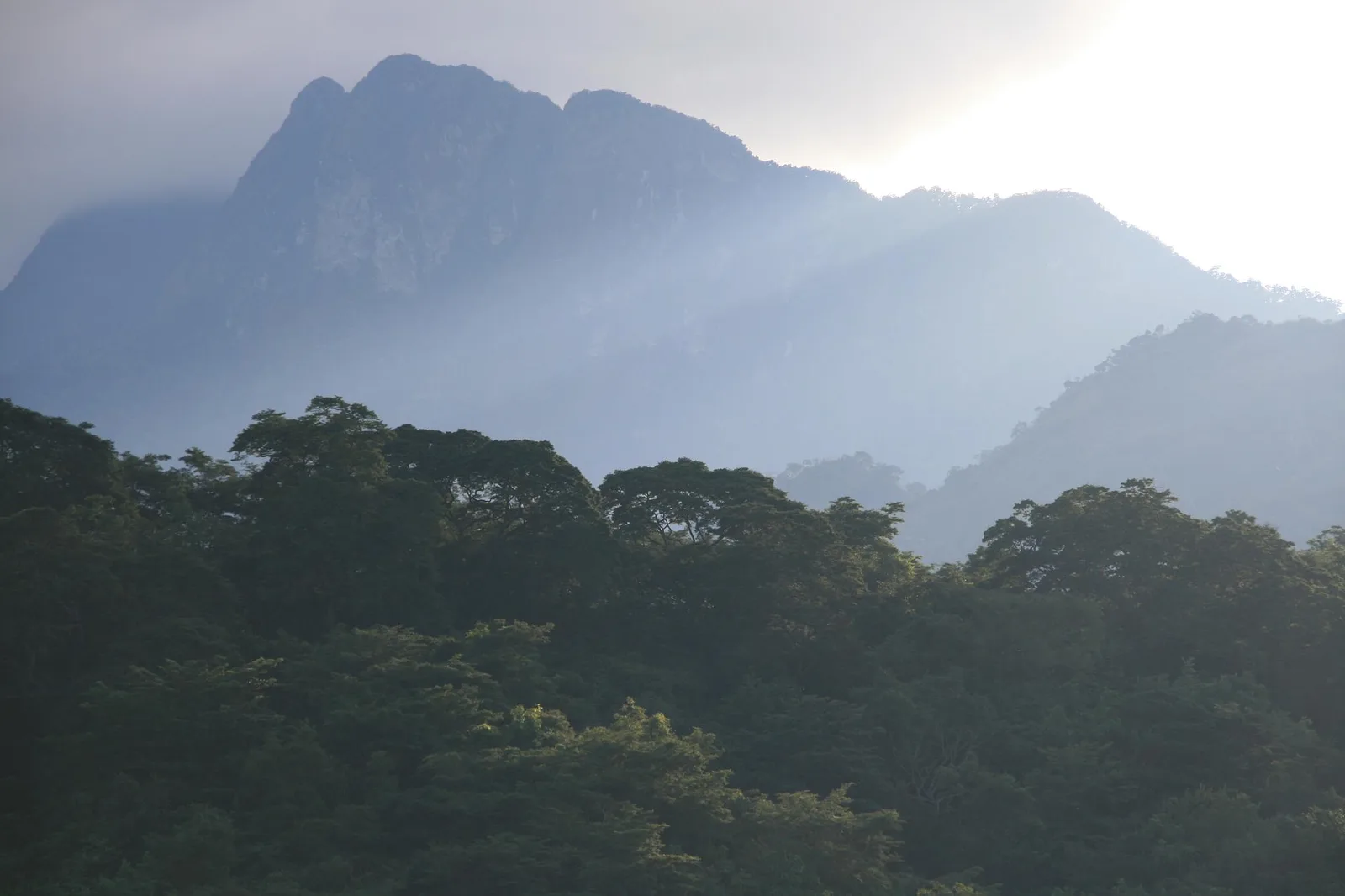
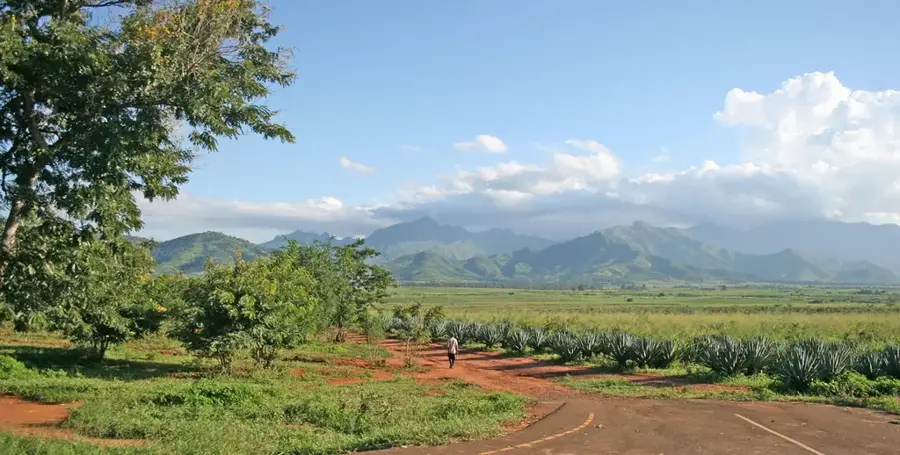
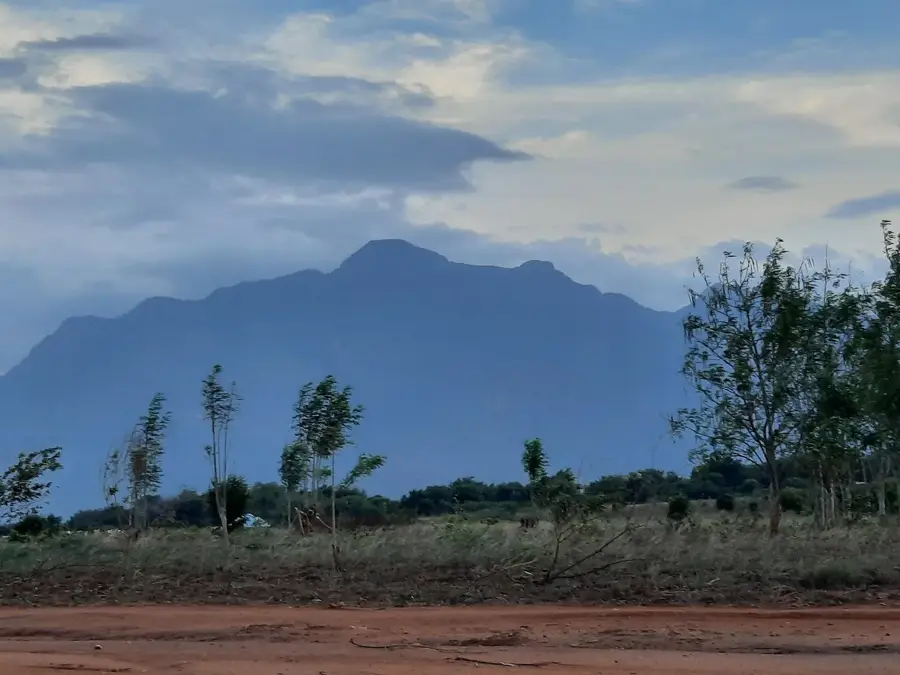
The Uluguru Mountains are a prominent mountain range in eastern Tanzania, rising steeply south of the city of Morogoro and forming part of the Eastern Arc Mountains network. The highest point in the massif is Kimhandu Peak at 2,646 meters above sea level, followed by the expansive Lukwangule Plateau. Geologically, these mountains consist of ancient Precambrian rocks that were uplifted over 250 million years ago, towering over the surrounding coastal plains. The range serves as a vital water catchment area for the region, feeding the Ruvu River which provides the primary water supply for the city of Dar es Salaam. Due to their isolation and moist climate, the Uluguru Mountains harbor exceptional biodiversity, including numerous endemic species of flora and fauna such as the Uluguru bush-shrike. The slopes are intensively farmed by the local Luguru people for vegetables and coffee, presenting ongoing challenges for environmental conservation efforts.

Best time to visit & climate

The most pleasant time to visit is Jun–Aug.

JanFebMarAprMayJunJulAugSepOctNovDec
Avg °C252524232221212224252625
Rain mm179130189194871611121657105164

📋 Practical info

🧭
Getting there
The mountains are primarily accessed from Morogoro town, which serves as the main gateway for trekkers traveling from Dar es Salaam or other parts of Tanzania. From the town, several trailheads lead up into the mountain range, ranging from gentle slopes to steep climbs that require a good level of fitness and often the assistance of a local guide to navigate effectively.
📅
Best season
The most favorable months for trekking are during the dry seasons, particularly from June to October, when the trails are less slippery and the mountain views are clearer. While hiking is possible at other times, the rainy seasons between March and May can make the mountain paths extremely challenging and increase the difficulty of navigating the rainforest sections.
⛰️
Terrain & paths
The terrain is characterized by steep slopes, ancient rainforests, and rocky ridges that offer impressive panoramic views of the surrounding plains and Morogoro town below. Trails can be narrow and rugged, often involving significant elevation gain over short distances, so visitors should be prepared for a physically demanding experience on uneven and potentially muddy ground.
🎒
What to bring
Essential gear includes sturdy, well-broken-in trekking boots with good ankle support and grip, along with layered clothing to accommodate temperature changes at higher altitudes. A waterproof jacket is necessary for sudden mountain showers, and visitors should also carry a reliable headlamp, a personal water filtration system, and high-energy snacks for the demanding climbs.
🅿️
Parking
Parking is typically available at various hotels or designated safe areas within Morogoro town, from where visitors can arrange transport to the specific mountain trailheads. It is generally safer and more convenient to leave your vehicle in town and use local taxis or pre-arranged shuttle services to reach the start of your trek, as trailhead parking can be insecure and limited.
⚠️
Safety
Hiking with a registered local guide is highly recommended for both safety and navigation, especially when exploring the denser forest sections or higher peaks where weather can change quickly. Visitors should be aware of the effects of altitude, stay hydrated, and ensure they have a basic understanding of the terrain before setting out, while avoiding trekking alone in remote areas.
⏱️
Time needed
Trekking options range from short day hikes of four to six hours to more extensive multi-day expeditions for those wishing to reach the higher peaks or visit remote mountain villages. Most visitors find that a full day allows for a rewarding experience of the lower forest areas, while serious hikers should plan for at least two to three days to fully explore the range.

Geography

Coordinates
-7.16670, 37.66670

Facts

  • Highest peak: Kimhandu Peak (2,646 m)
  • Mountain group: Eastern Arc Mountains
  • Nearby city: Morogoro
  • Primary water source for: Dar es Salaam
  • Age of rocks: over 250 million years
  • Local ethnic group: Luguru people

Explore nearby

Notable places around
Route planner — Car & Motorhome

Where do you start? We build the route here, with stops and country notes along the way.

Vehicle
Only stops with (optional):

© OpenStreetMap contributors · OpenRouteService

Sights in the town Uluguru Mountains (1)

Kasanga Forest Reserve🌿 nature

A protected nature reserve spanning the steep, forested slopes of the Uluguru Mountains.

Sights nearby

Frequently asked questions

Are the Uluguru Mountains good for hiking?
Yes, they offer spectacular views and dense rainforests.
Which is the best season?
June to September provides the most stable, dry weather.
Do I need to hire a guide?
Highly recommended to facilitate orientation in the mountains.
What is a special destination?
The Choma waterfall is a popular and rewarding hiking destination.
Is the area family-friendly?
The demanding paths are better suited for experienced hikers.
Uluguru Mountains: where is it located?
Uluguru Mountains is located in Tanzania.
Uluguru Mountains: when is the best time to visit?
The most pleasant time to visit is Jun, Aug.
Uluguru Mountains: why is it worth visiting?

The Uluguru Mountains are a prominent mountain range in eastern Tanzania, rising steeply south of the city of Morogoro and forming part of the Eastern Arc Mountains network.
View on map → The Top 50 Attractions → OpenStreetMap →
Africa
Explore with Plizio Discover more places in Africa
More places in Tanzania →

Nearby cities

History & landmarks

More places