Plizio Visual Lab
Lake Eyasi
Weather…
Water temperature…
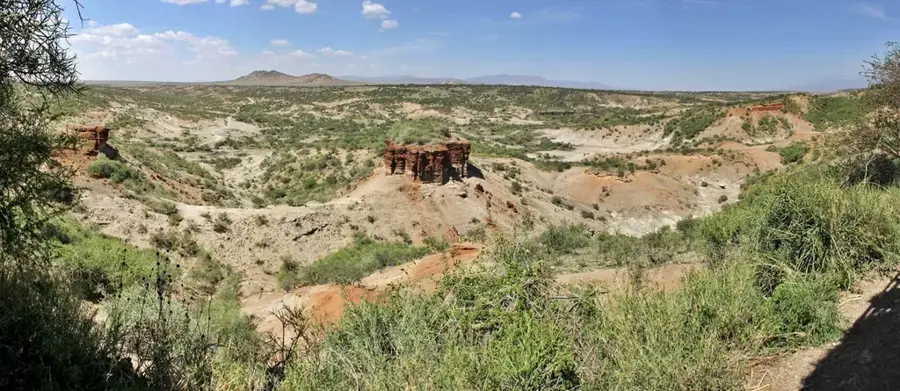
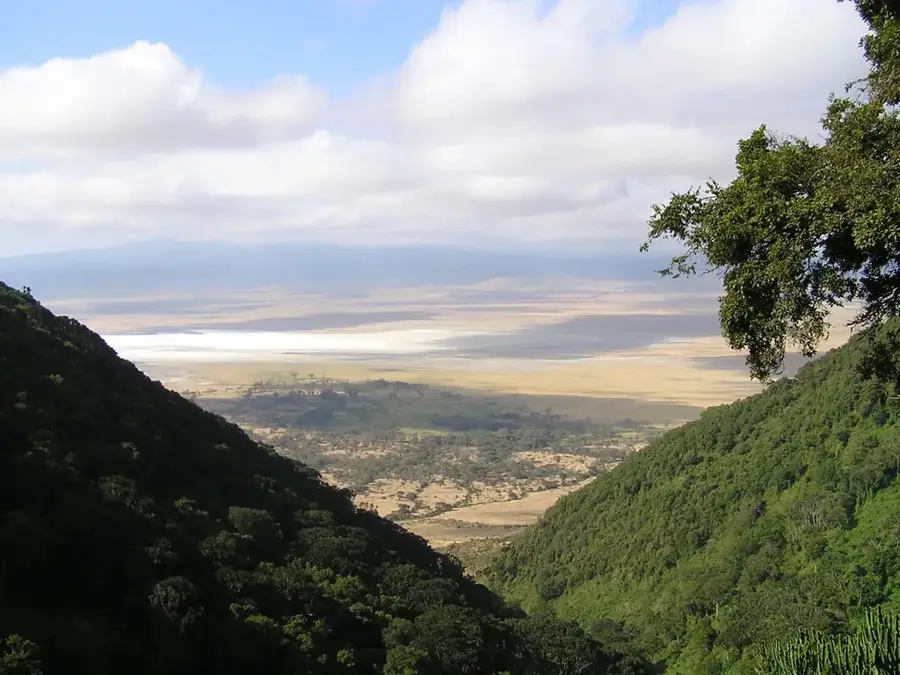
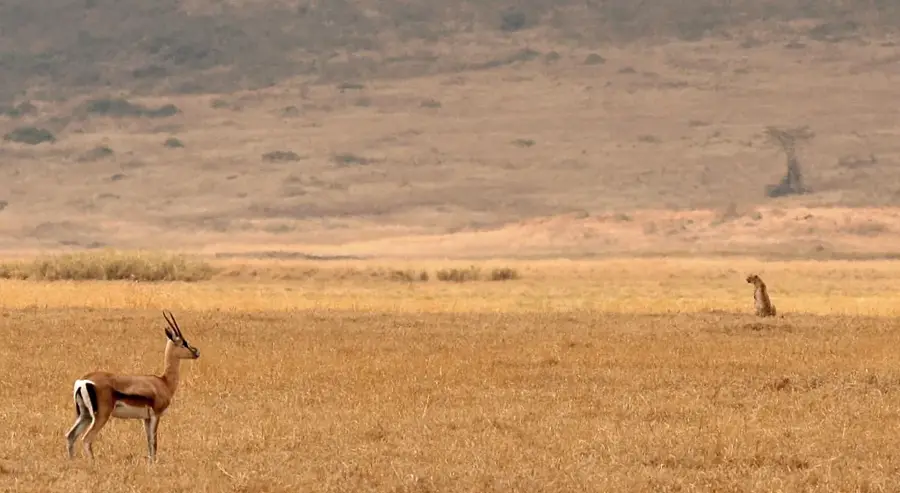
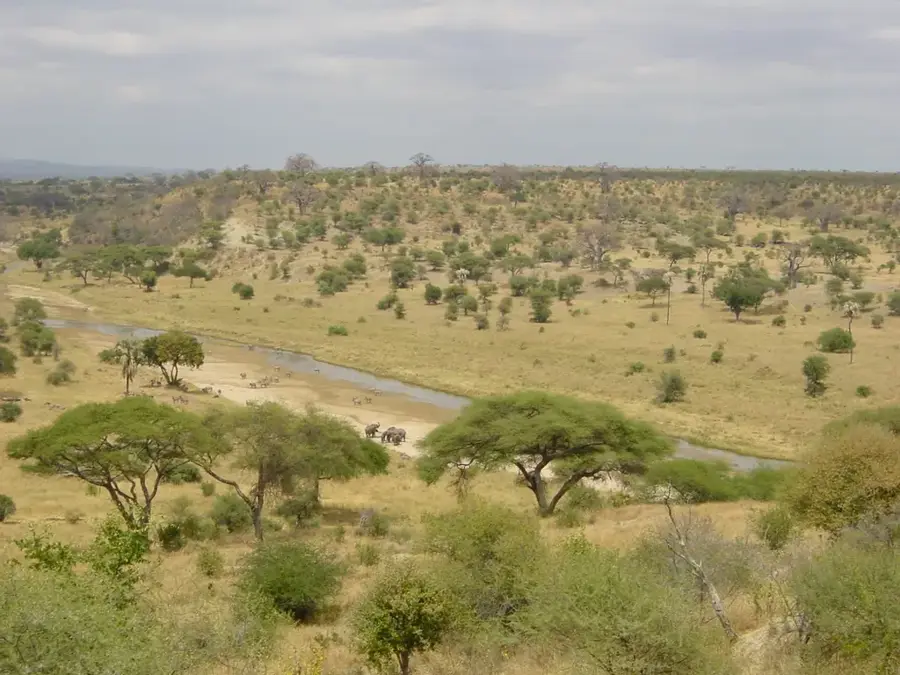
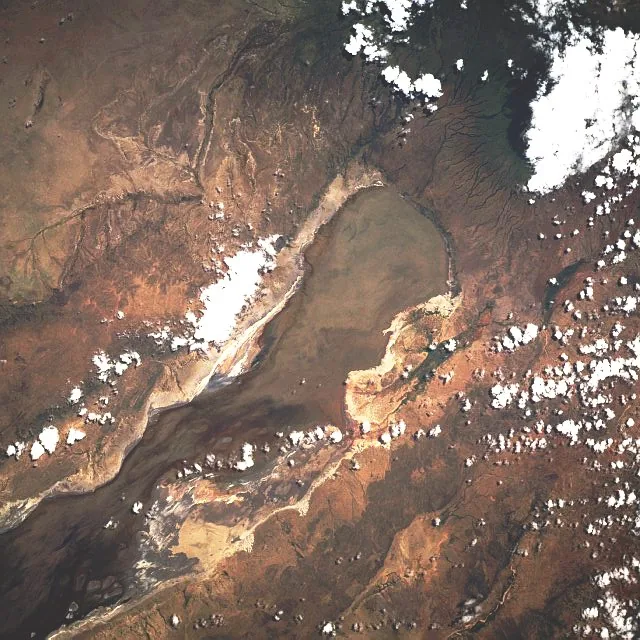
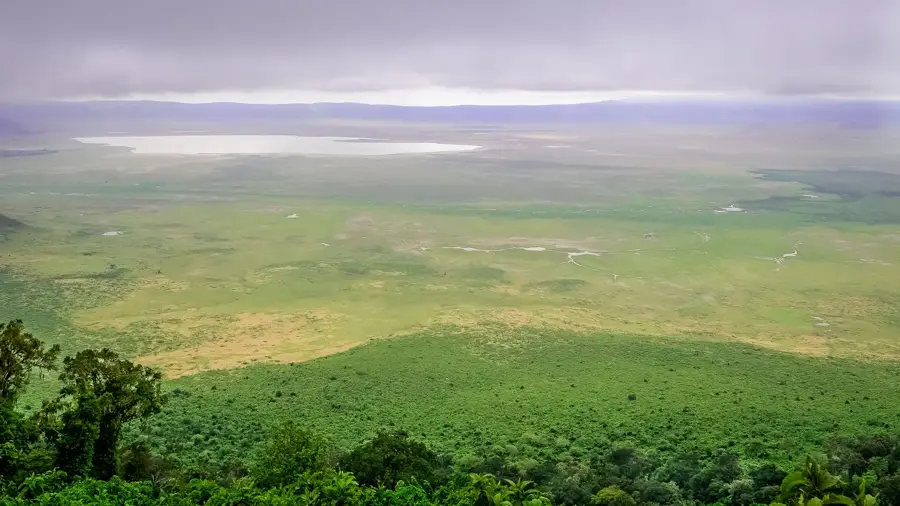
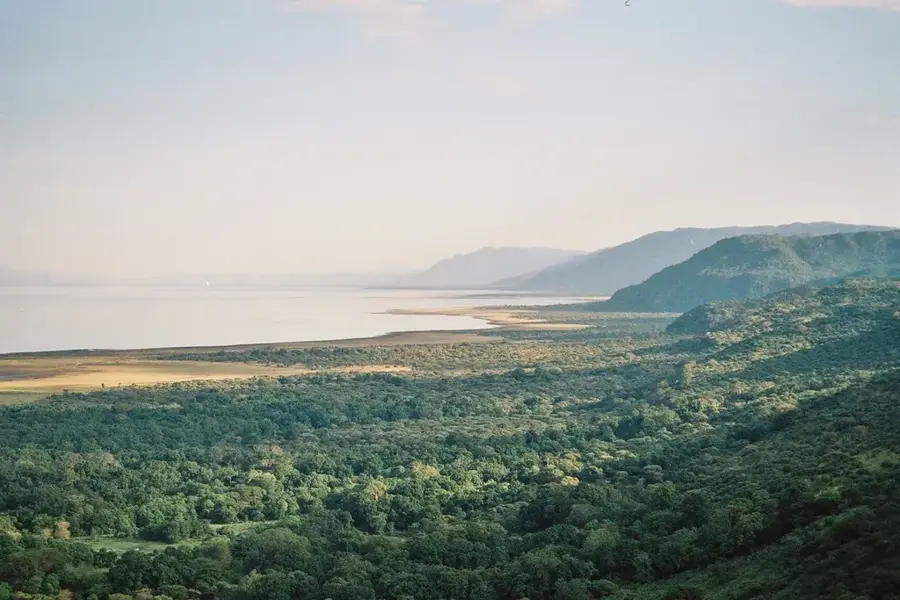
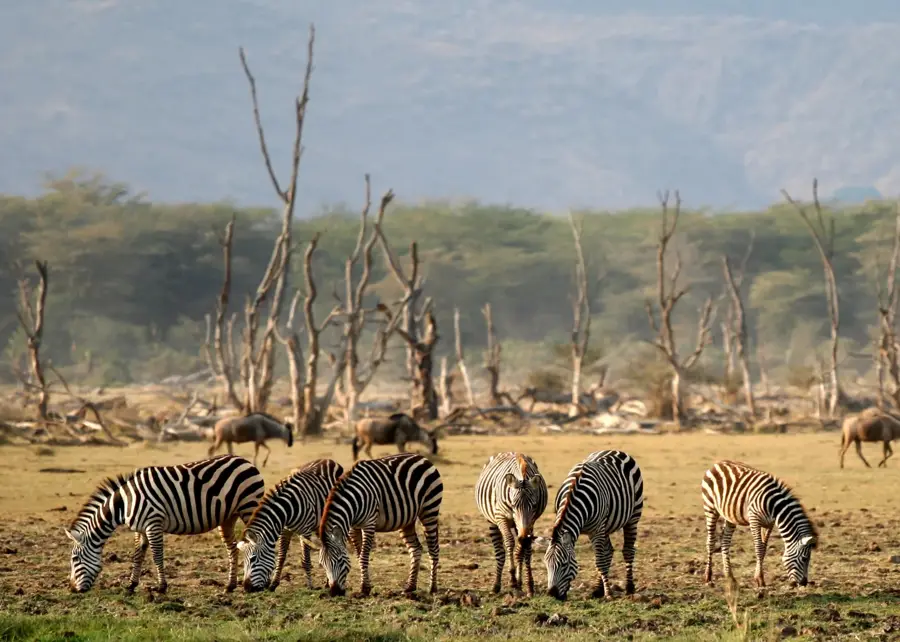
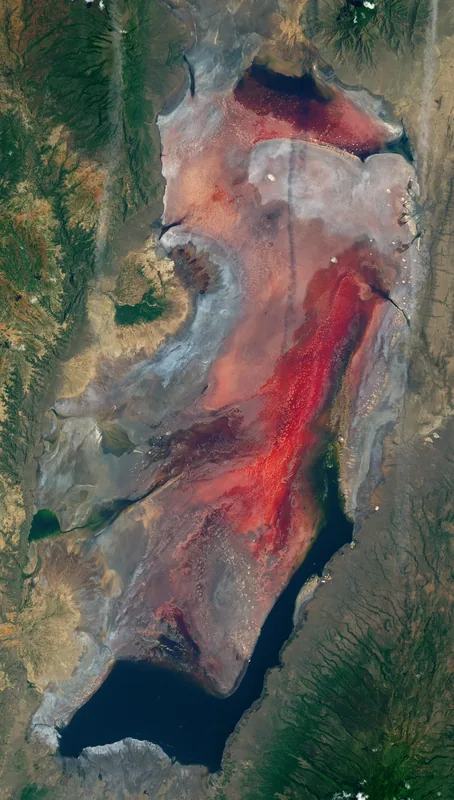
Lake Eyasi is a seasonal endorheic salt lake located in the Great Rift Valley, southwest of the Ngorongoro Crater. Geographically, it sits at an altitude of about 1,030 meters and spans an area that varies greatly depending on rainfall. During the dry season, the lake can dry up almost completely, leaving behind a shimmering salt crust. The region is of great ethnological significance as it is home to the Hadza, one of Africa's last hunter-gatherer tribes, whose way of life has remained largely unchanged for millennia. The nomadic Datoga pastoralists also inhabit this arid but ecologically valuable environment. The flora is characterized by acacia woodlands and Doum palms, while the fauna includes numerous waterbirds that use the lake as a resting spot during the rainy season.
Explore on the map
How well do you know Tanzania?
Find cities, landscapes and regions in 10 varied challenges on the interactive map.
Your journey, your memory
A postcard from Lake Eyasi
Turn your own photo into a personal postcard with a local stamp. Free and no sign-up required.
Create a postcard- Location: Tanzania
- Nearby: Lake Eyasi (21 km)
Best time to visit & climate
The most pleasant time to visit is Jun–Aug.
| Jan | Feb | Mar | Apr | May | Jun | Jul | Aug | Sep | Oct | Nov | Dec | |
|---|---|---|---|---|---|---|---|---|---|---|---|---|
| Avg °C | 22 | 22 | 22 | 21 | 21 | 20 | 20 | 21 | 23 | 23 | 23 | 22 |
| Rain mm | 150 | 98 | 145 | 130 | 52 | 8 | 3 | 7 | 11 | 38 | 131 | 153 |
📋 Practical info
Geography
Facts
- The lake is situated at an altitude of 1,030 meters above sea level.
- In extreme dry periods, the water surface almost entirely disappears.
- The Hadza language is an isolate language featuring click sounds.
- The Datoga people are renowned for their metalworking skills.
- Flamingos and pelicans visit the lake during the rainy season.
- The lake is approximately 50 kilometers long when it is full.
Explore nearby
Notable places around
Route planner — Car & Motorhome
Where do you start? We build the route here, with stops and country notes along the way.
© OpenStreetMap contributors · OpenRouteService
Sights nearby
Frequently asked questions
What makes Lake Eyasi special?
Can one meet the Hadzabe?
When is the best time to visit?
Is the lake full of water?
Are there accommodations there?
Lake Eyasi: where is it located?
Lake Eyasi: when is the best time to visit?
Lake Eyasi: why is it worth visiting?
Nearby cities
History & landmarks

Nature
More places