Plizio Visual Lab

Zeravshan River
Plizio editorial teamData Sources
River
—°3
Zeravshan River (Tajikistan)

Weather…

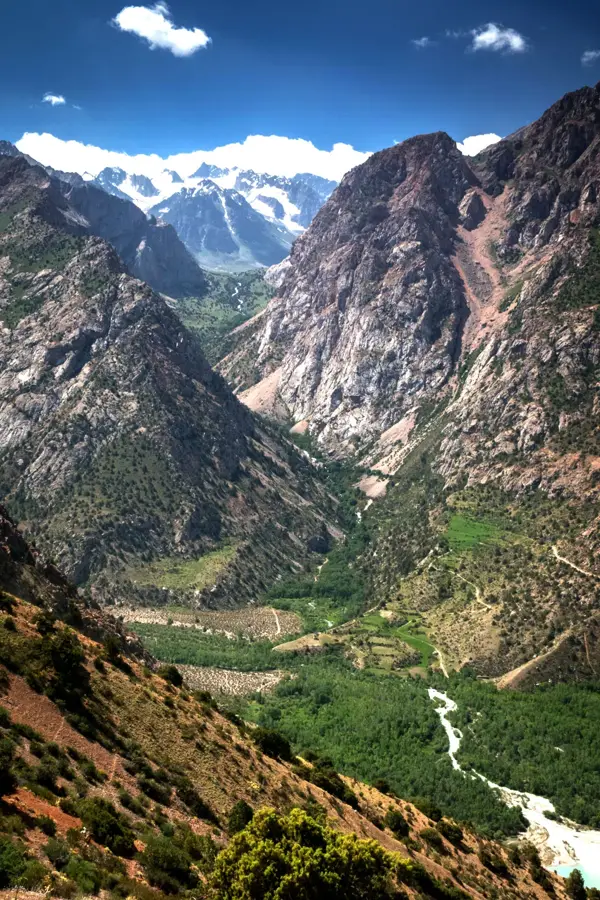
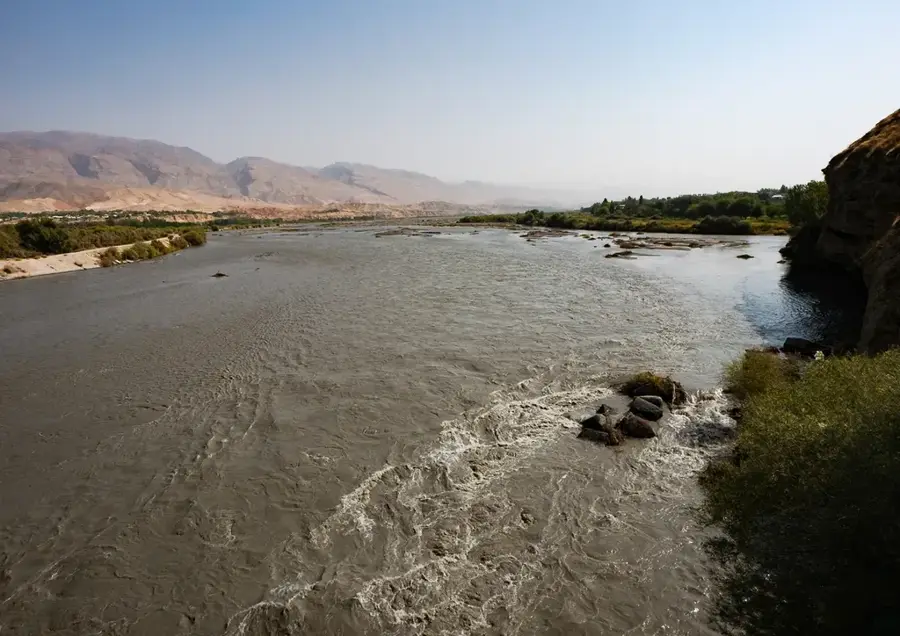
The Zeravshan River is a major river in Tajikistan and Uzbekistan. It originates from the Zeravshan Glacier in the Pamir Mountains at about 5,000 meters altitude. With a length of 877 kilometers, it flows through the cities of Panjakent and Samarkand before dissipating in the Kyzylkum Desert. The river is heavily used for irrigation, especially in Uzbekistan. In Tajikistan, it is used for electricity generation via small hydroelectric plants. The water carries much sediment due to glacial melt. Its historical significance is great: important Silk Road cities were along its banks. The riverbanks are fertile and intensively farmed. Biodiversity includes rare bird and fish species. The river is a vital water source for millions. However, it suffers from water scarcity and pollution from wastewater.

Best time to visit & climate

The most pleasant time to visit is Jun–Aug.

JanFebMarAprMayJunJulAugSepOctNovDec
Avg °C-9-7-149131615115-1-7
Rain mm284152483515633163333

📋 Practical info

🧭
Getting there
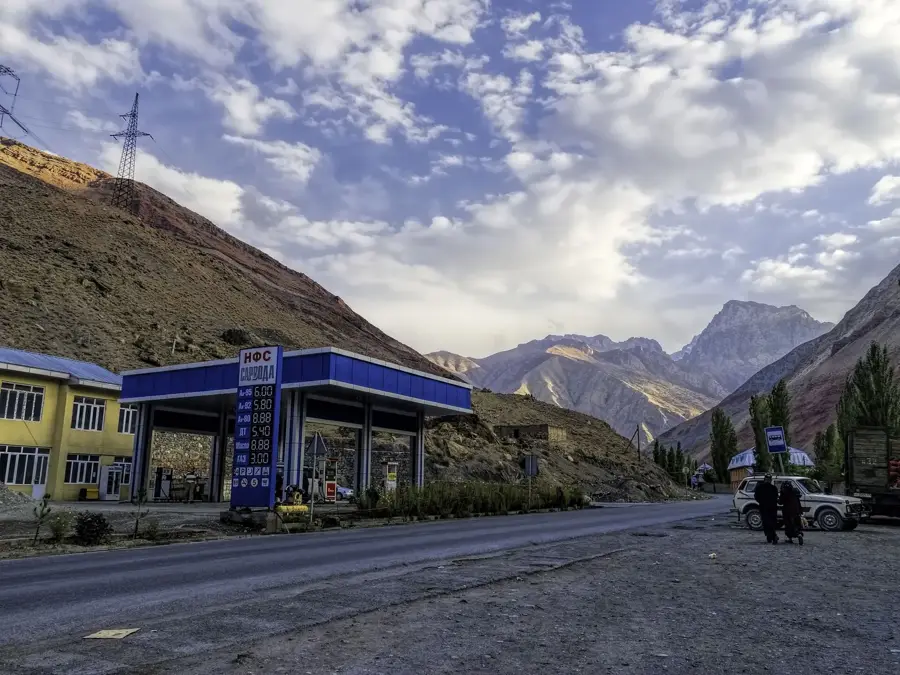
The river is easily accessible at many points throughout the Zeravshan Valley via the main highway connecting Dushanbe and Penjikent, particularly near the town of Ayni. Many scenic overlooks can be reached directly by car, while more secluded riverside spots may require short hikes from the nearby mountain villages.
📅
Best season
The best time to visit the river valley is from late spring to early autumn (May to September), when the valleys are lush and temperatures are good for exploration. During the early summer snowmelt, the river reaches its peak flow, showcasing the impressive power and dynamic nature of its glacial-fed waters.
⛰️
Terrain & paths
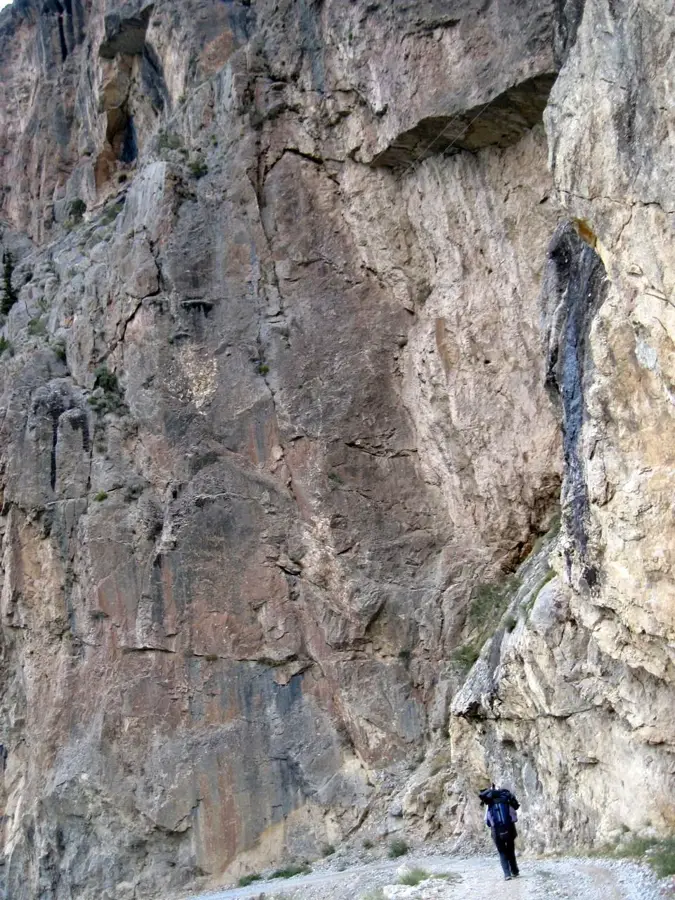
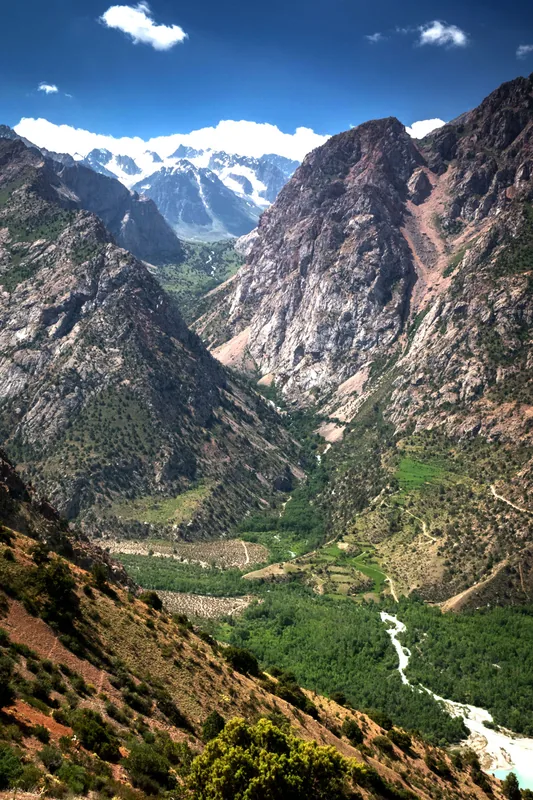
The river's surroundings range from broad alluvial plains used for agriculture to narrow, rocky gorges in the upper reaches of the Zeravshan. The banks are often stony or covered with river silt, with terraced fields cultivated by local farmers characterizing the landscape in the inhabited parts of the valley.
🎒
What to bring
Light, breathable clothing and effective sun protection are essential due to the intense solar radiation in the valleys, along with comfortable shoes for walking along the banks. As valley winds can pick up quickly, carrying a light windbreaker is advisable, especially when planning stops near the cooling river water.
🅿️
Parking
In the towns and villages along the river, such as Ayni or Penjikent, there are numerous places to safely park a vehicle before heading to the water on foot. Popular viewpoints along the main highway often feature roadside pull-offs or small unpaved areas that can be used for short-term parking to enjoy the river views.
⚠️
Safety
Due to the swift current and very cold glacial water, extreme caution is advised when near the riverbed; swimming is strongly discouraged. Particularly in early summer, water levels can rise unpredictably as a result of mountain snowmelt, which can make standing on the immediate banks or gravel bars hazardous.
⏱️
Time needed
A short stop of about an hour at a scenic viewpoint is worthwhile, whereas traveling the length of the valley with multiple stops can easily occupy a full day or more. Many visitors combine their river exploration with multi-day stays in mountain villages to more deeply experience the local culture and the surrounding natural beauty.

Geography

Coordinates
39.38330, 68.25000

Facts

  • Length: 877 km
  • Catchment area: 41,000 km²
  • Source elevation: 5,000 m
  • Average discharge: 180 m³/s
  • Number of hydroelectric plants: 7
  • Irrigated area: 800,000 hectares

Explore nearby

Notable places around
Route planner — Car & Motorhome

Where do you start? We build the route here, with stops and country notes along the way.

Vehicle
Only stops with (optional):

© OpenStreetMap contributors · OpenRouteService

Sights in the town Zeravshan River (3)

Gardani Hisor (Madm Castle)🏺 historical

The ruins of Gardani Hisor, also known as Madm Castle, are the stone remnants of an ancient hilltop fortification overlooking the Zeravshan valley.

Masch'idi Iskobod📍 landmark

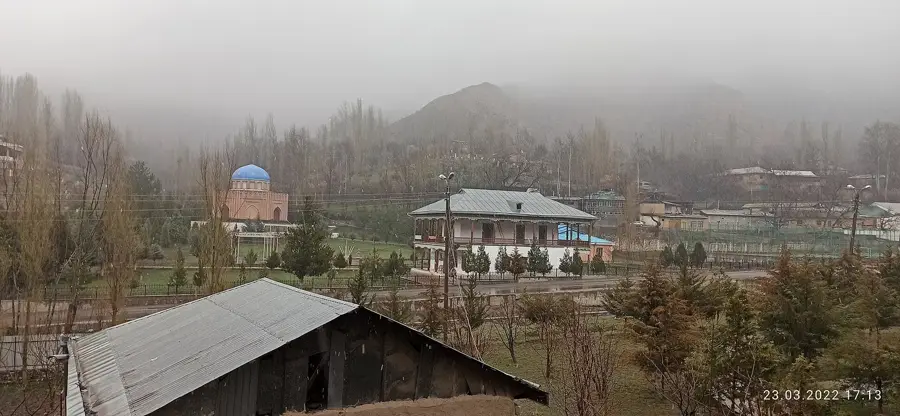
Masch'idi Iskobod is a serene rural mosque near the Zeravshan river, built with local stone and wood elements to serve the village congregation.

Masch'idi Langar📍 landmark

Masch'idi Langar provides a tranquil place of Islamic worship, characterized by its beautifully carved wooden pillars typical of the Zeravshan region.

Sights nearby

Frequently asked questions

What is special about the Serafschan valley?
It is known for its historic trade routes and scenic beauty.
Can one hike along the river?
Yes, there are many scenic hiking trails along the river course.
Is the region very hot in summer?
In lower areas it can get very hot in summer, in the mountains it is more pleasant.
Is a visa required?
Yes, most travelers require a visa for Tajikistan.
Is there accommodation nearby?
There are simple guesthouses and homestays in the villages along the river.
Zeravshan River: where is it located?
Zeravshan River is located in Tajikistan.
Zeravshan River: what is there to see?
Highlights include Gardani Hisor (Madm Castle), Masch'idi Iskobod, Masch'idi Langar.
Zeravshan River: when is the best time to visit?
The most pleasant time to visit is Jun, Aug.
Zeravshan River: why is it worth visiting?

The Zeravshan River is a major river in Tajikistan and Uzbekistan.
View on map → The Top 50 Attractions → OpenStreetMap →
Asia
Explore with Plizio Discover more places in Asia
More places in Tajikistan →

Nearby cities

History & landmarks
Nature

More places