Plizio Visual Lab
Nuba Grazing Lands
Weather…
Water temperature…
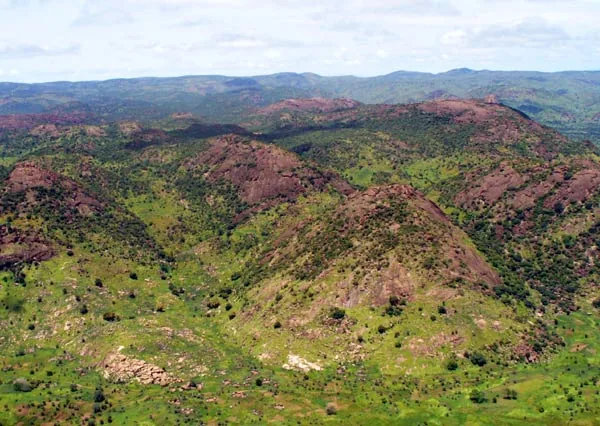
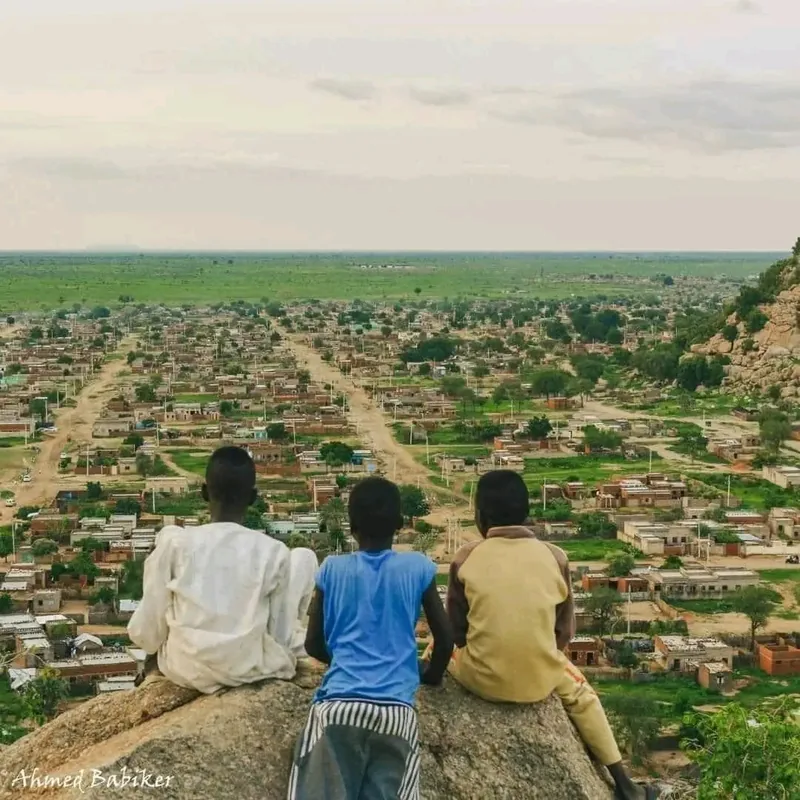
The grazing lands of the Nuba Mountains in South Kordofan are among Sudan's most fertile and ecologically diverse regions. This highland area is defined by isolated granite peaks rising sharply from the surrounding plains, creating a microclimate with significantly higher rainfall than the adjacent lowlands. The region provides essential pasture for livestock, which forms the livelihood of both sedentary Nuba farmers and nomadic pastoralists like the Baggara tribes. The seasonal migration of herds is a deeply rooted cultural and economic phenomenon that has shaped the landscape for centuries. The volcanic soils found in the valleys also support productive crop farming, with sorghum and millet as primary staples. The Nuba Mountains are also noted for their unique biodiversity, sheltering many plant and animal species that cannot survive in the drier surrounding regions. Despite historical conflicts, the stewardship of these grazing lands remains a symbol of the resilience and rich cultural heritage of the Sudanese people.
Explore on the map
How well do you know Sudan?
Find cities, landscapes and regions in 10 varied challenges on the interactive map.
Your journey, your memory
A postcard from Nuba Grazing Lands
Turn your own photo into a personal postcard with a local stamp. Free and no sign-up required.
Create a postcardBest time to visit & climate
The most pleasant time to visit is Jan, Nov, Dec.
| Jan | Feb | Mar | Apr | May | Jun | Jul | Aug | Sep | Oct | Nov | Dec | |
|---|---|---|---|---|---|---|---|---|---|---|---|---|
| Avg °C | 24 | 26 | 29 | 31 | 31 | 28 | 26 | 25 | 25 | 27 | 26 | 24 |
| Rain mm | 0 | 0 | 1 | 8 | 56 | 90 | 141 | 163 | 128 | 75 | 0 | 0 |
📋 Practical info
Geography
Facts
- The Nuba Mountains cover an area of approximately 48,000 square kilometers.
- The region receives between 400 and 800 mm of annual rainfall.
- Hundreds of granite peaks rise to elevations of up to 1,500 meters.
- Home to over 50 distinct Nuba tribes with their own languages.
- Seasonal livestock migrations (transhumance) have occurred for centuries.
- The area is a recognized center for the genetic diversity of Sudanese cattle.
Explore nearby
Notable places around
Route planner — Car & Motorhome
Where do you start? We build the route here, with stops and country notes along the way.
© OpenStreetMap contributors · OpenRouteService
Sights nearby
Frequently asked questions
What exactly is Nuba-Weideland?
Is the area accessible to tourists?
What is the best time of year to visit?
Is there accommodation available?
What is special about the region?
Nuba Grazing Lands: where is it located?
Nuba Grazing Lands: when is the best time to visit?
Nuba Grazing Lands: why is it worth visiting?
Nearby cities
Nature
More places