Playa Fluvial de Los Pelambres🎡 recreation
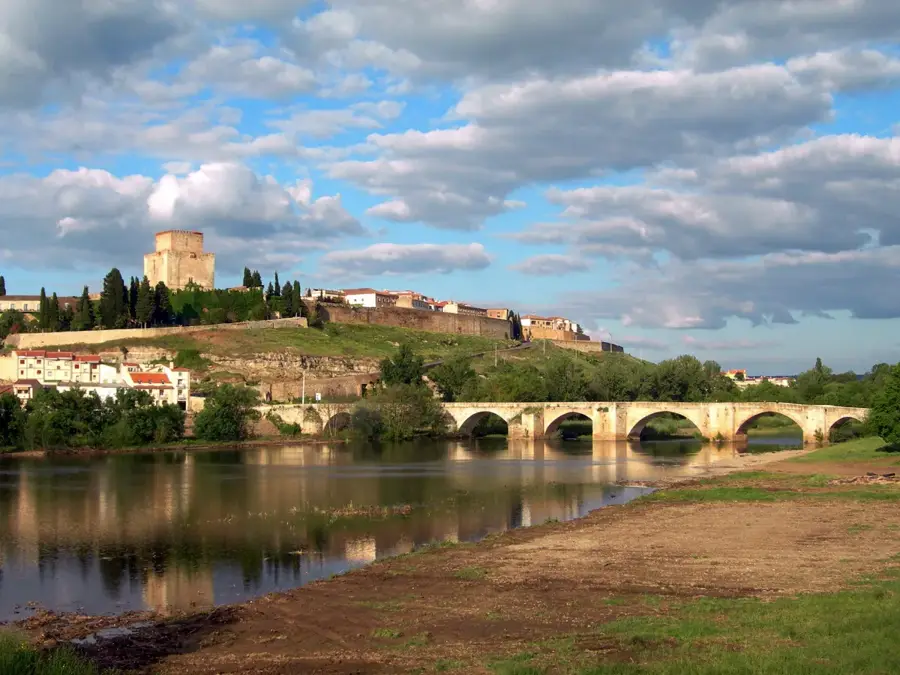
A river beach on the Duero in Zamora, suitable for swimming and relaxation.
Plizio Visual Lab
Try this award-winning sheep's milk cheese, which has a protected designation of origin. It has an intense, nutty flavour. You can find it in cheese shops and local markets.
Order this traditional rice dish cooked with pork, chorizo, and paprika. It's a hearty and authentic local meal served in many traditional restaurants.
Pair your meal with a powerful red wine from the nearby Toro wine region. It's famous for its intense, full-bodied wines made from the Tinta de Toro grape.
This is the city's main shopping street. You'll find a mix of national brands and local shops selling clothes, shoes, and more.
Look for small shops in the Old Town selling local pottery and leather goods. It's also the best place to buy Queso Zamorano and Toro wine.
Take a quiet stroll along the river. The paths offer a peaceful escape from the city and great views of the bridges and walls.
This park surrounding Zamora's castle is a lovely green space to relax. It gives shaded benches and panoramic views of the cathedral and river.
Visit one of the less central churches, like Santiago de los Caballeros or San Claudio de Olivares. They are often very quiet, providing an atmosphere of peaceful contemplation.
Water temperature…
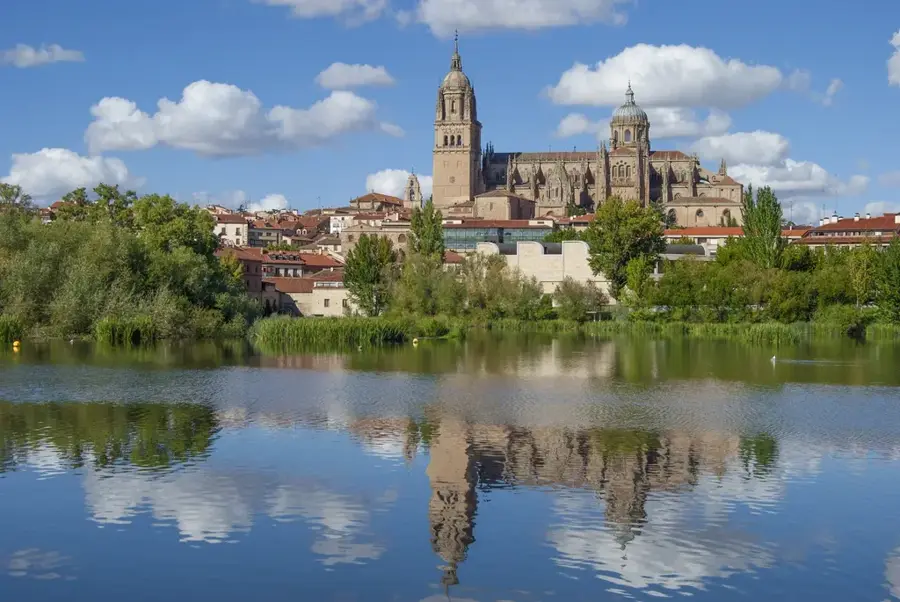
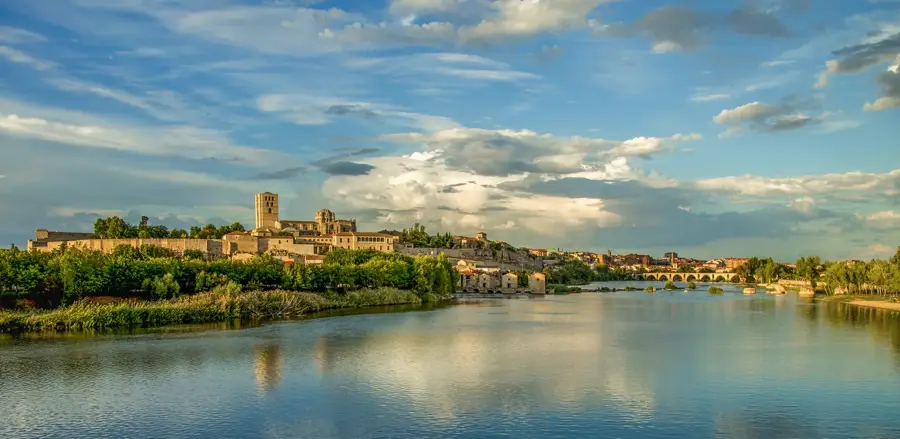
Zamora, perched on the banks of the Duero River, is often called an open-air museum of Romanesque art. With over 20 churches in this style, it holds the highest concentration of Romanesque architecture in all of Europe. Its centerpiece is the 12th-century Zamora Cathedral, famous for its unique Byzantine-influenced dome covered in stone scales (cimborrio), which has become the city's architectural symbol. The medieval walls and the fortress overlooking the river highlight its historic role as a strategic frontier city. Walking through the old town reveals a wealth of medieval treasures, such as the Church of San Juan de Puerta Nueva and the historic stone bridge. Remarkably, Zamora also features a significant number of Modernist (Art Nouveau) buildings from the early 20th century, creating a fascinating contrast with its medieval stone blocks. The city is renowned for its Holy Week (Semana Santa), characterized by silence and deep religious devotion, widely considered one of the most solemn and atmospheric in Spain. Zamora is easily accessible from Madrid via high-speed train (AVE). The best time to visit is during spring for Holy Week or in autumn for milder weather. Local culinary highlights include 'arroz a la zamorana' (a rich rice dish) and the prestigious Zamorano sheep cheese. A stroll along the Duero riverbanks at sunset features the best views of the city's fortified skyline and the illuminated cathedral dome.
Explore on the map
Find cities, landscapes and regions in 10 varied challenges on the interactive map.
Your journey, your memory
Turn your own photo into a personal postcard with a local stamp. Free and no sign-up required.
Create a postcardNotable places around
Where do you start? We build the route here, with stops and country notes along the way.
© OpenStreetMap contributors · OpenRouteService
Start your walking adventure traversing the ancient stone archway of Doña Urraca's gate, feeling the medieval history around you before reaching the lively City Hall square. The midday sun guides you indoors to the Ethnographic Museum, where Castilian traditions come to life, followed by a fascinating overview of the medieval urban layout at the interpretation center. Spend the afternoon admiring the priceless Flemish tapestries within the Cathedral Museum, offering a peaceful retreat in the historic religious heart of Zamora. Conclude your walk at the formidable Zamora Castle as the sun begins to set, walking the historic ramparts to take in panoramic views of the Douro River below.
Start your day at the ancient walls, where rain turns the stone dark and mystical. At noon, the town hall area and nearby arcades provide shelter from the downpours. Spend the afternoon inside the museums, a perfect dry haven for cultural exploration. In the evening, the illuminated castle looks dramatic through the rain; watch your step on the slippery cobblestones in the old town.
A frosty morning at the Puerta de Doña Urraca will quickly wake you up. At noon, warm up in a cozy spot near the town hall. Spend the afternoon in the museums, where temperatures are pleasant for culture lovers. As the sun sets around 5:00 PM, the early evening at the castle is perfect for seeing the city bathed in warm lamplight.
Begin your ride at Zamora Castle, enjoying a crisp morning breeze atop the ramparts before pedaling over to the legendary Gate of Treason steeped in old royal folklore. Cycle smoothly through the historic streets to admire the unique facade of Palacio del Cordón, then stop at the charming San Leonardo church nestled nearby. Continue your two-wheeled journey to the reconstructed ruins of the San Francisco Convent, enjoying the quiet cloisters and peaceful garden atmosphere. Finish the day cruising down to Los Pelambres river beach. Rest on the grassy banks as the sun sets, casting golden reflections across the water towards the city skyline.
Cycling in the rain requires caution on the cobblestones, but the city feels quieter and more peaceful. Start at the castle in the morning, using the walls as a windbreak. At noon, the churches provide dry breaks. In the afternoon, ride along the river; watch out for puddles and slippery surfaces, especially on the downhill sections.
Winter cycling in Zamora is refreshing but requires warm gloves against the wind chill. Start at the castle in the morning while frost still glistens on the stones. At noon, stop in the historic squares to soak up the winter sun. Ride briskly through the old town in the afternoon before the cold sets in quickly after the 5:00 PM sunset.
Start with a refreshing morning at the spacious La Sindical pools, enjoying an easy arrival before driving across the river to the fascinating Sepulcro church. Take a short drive to San Frontis church on the riverbank, admiring its early Romanesque architecture in a quieter, village-like setting away from the main crowds. Drive back across the water into the medieval core to explore the Cathedral Museum, home to spectacular tapestries and centuries of profound religious art. Park near the imposing Doña Urraca gate for your final stop. The illuminated ancient stones provide a dramatic farewell to Zamora's timeless architectural beauty.
The car is the ideal refuge on a rainy day in Zamora. Start the morning at the swimming pool, where the water makes you forget the rain. At noon, head to the churches on the opposite riverbank. Spend the afternoon at the museums, with the convenience of nearby parking. In the evening, enjoy the city lights reflecting on the wet asphalt from the comfort of your vehicle.
Explore wintery Zamora comfortably and warmly by car. Start the morning at the pool, where the warm water chases away the morning frost. At noon, head to the churches on the outskirts of the city. Use the brief sunny hours in the afternoon for a museum visit. As it gets dark around 5:00 PM, driving along the city walls offers wonderful views of the illuminated town.
A river beach on the Duero in Zamora, suitable for swimming and relaxation.
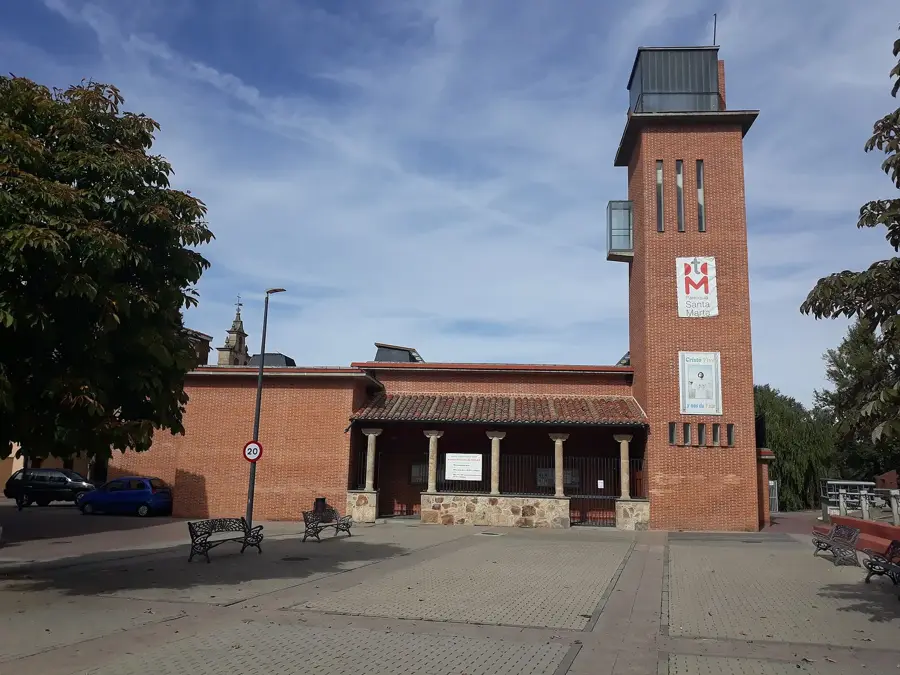
Interpretation centre on medieval city life, located in a historic building in Zamora's old town.
The Convent of San Francisco is an old monastic complex in Zamora with significant historical and religious heritage.