Cifre
This documentary-style stage production about migration and moral choices has a confirmed September 2026 performance at the Tudor Vianu Theatre.
Plizio Visual Lab
Look for fish restaurants right on the riverside or on anchored boats offering the local catch.
Try the traditional Romanian fish soup at traditional eateries near the port.
Grab freshly baked Romanian pretzels from bakeries around the central pedestrian streets.
Visit the central market for fresh local produce, seasonal fruits, and regional cheeses.
Browse the small boutiques and shops along the main pedestrian streets near the Clock Tower.
Relax in this historic park near the river, featuring old trees and a quiet atmosphere.
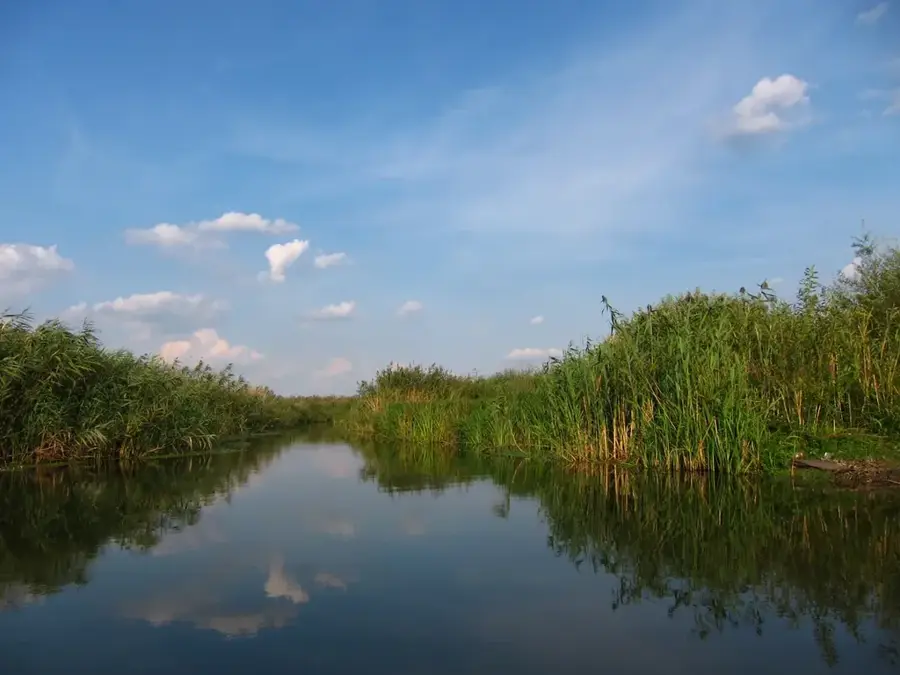
Take a peaceful stroll along this canal that connects to the main river.
Water temperature…
This documentary-style stage production about migration and moral choices has a confirmed September 2026 performance at the Tudor Vianu Theatre.
The city council delegated the organization of this celebration to the Ion Vinea Local Cultural Center for August 3-17, 2026.
This flea market is held every weekend in the city, and a 2026 city notice confirms it resumes on its usual schedule after occasional exceptions.
This youth-oriented film and animation festival brings three days of screenings at the theatre and on the esplanade, plus workshops and talks.
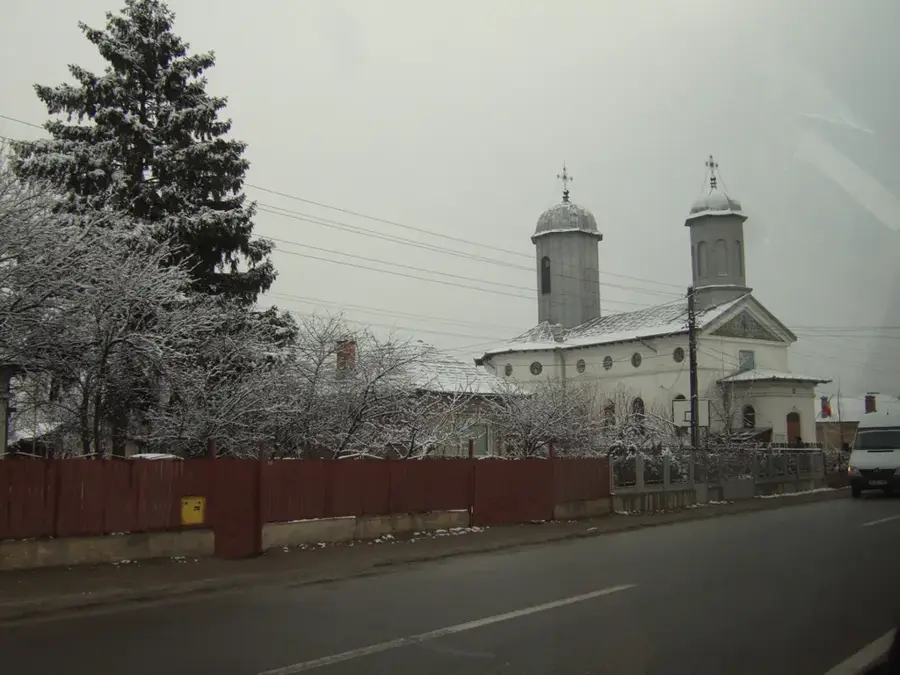
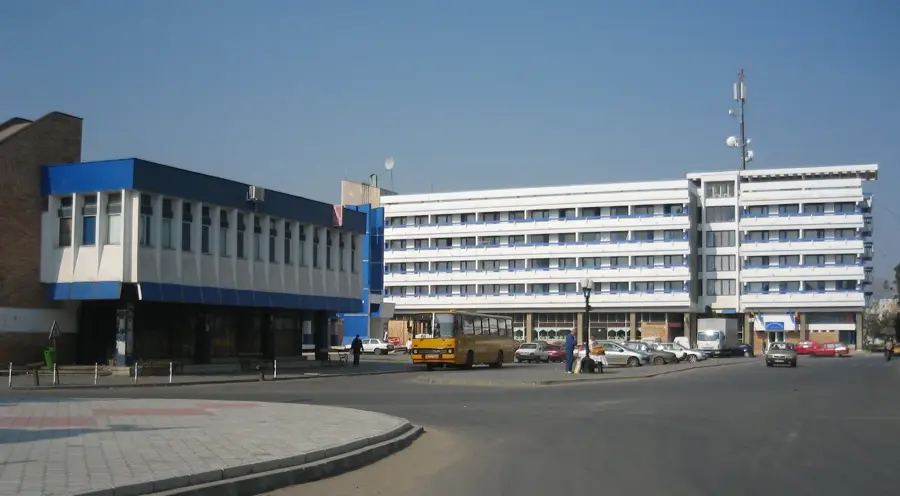
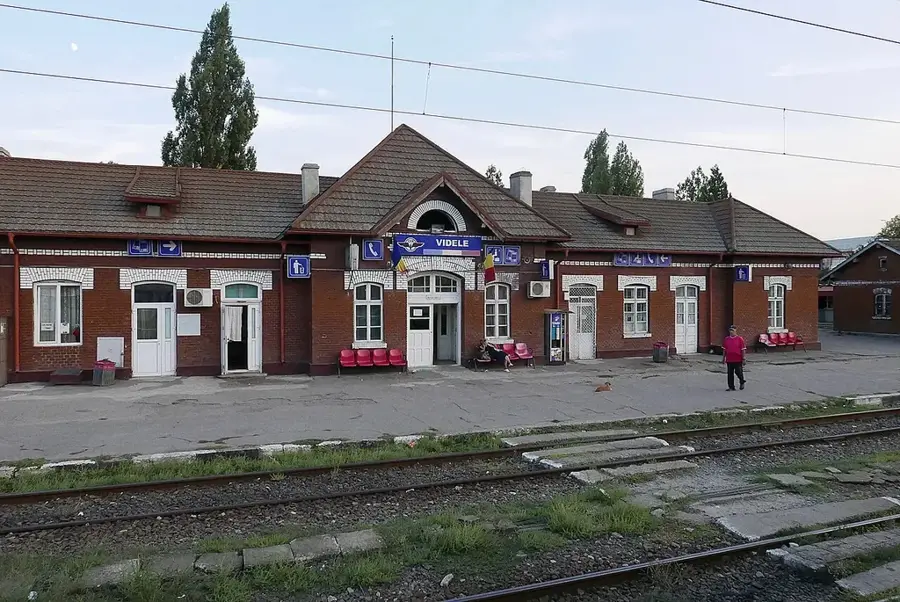
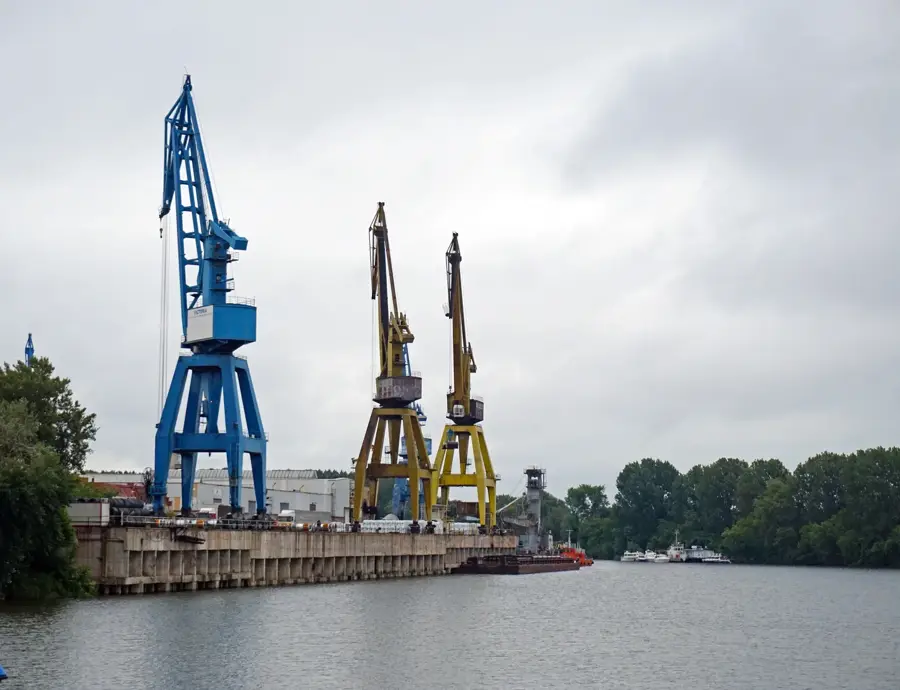
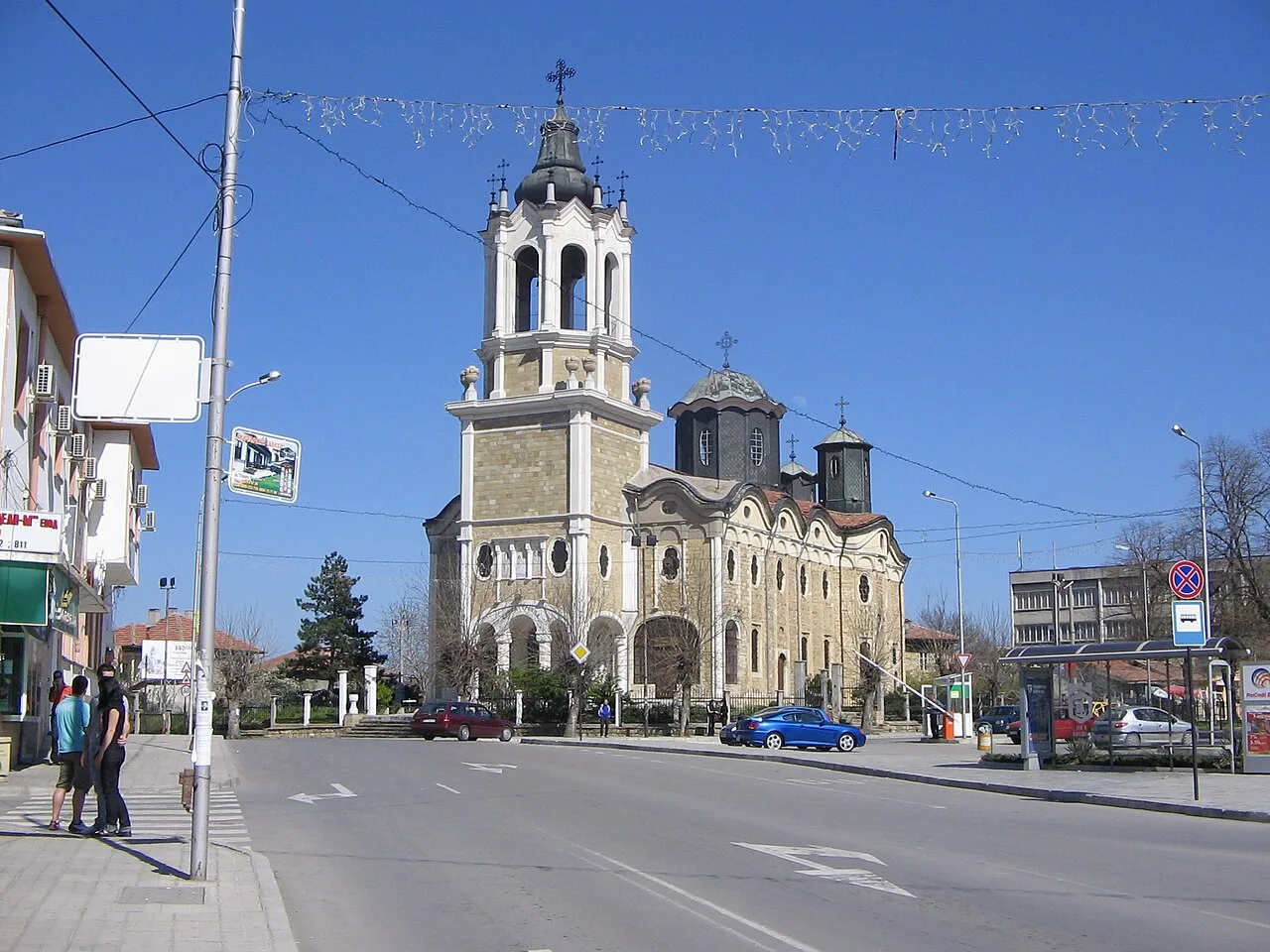
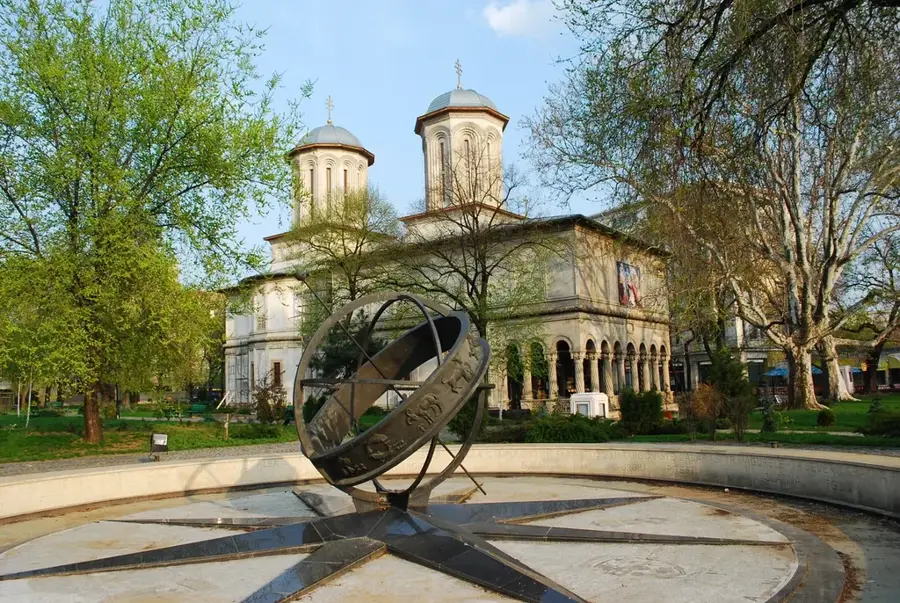
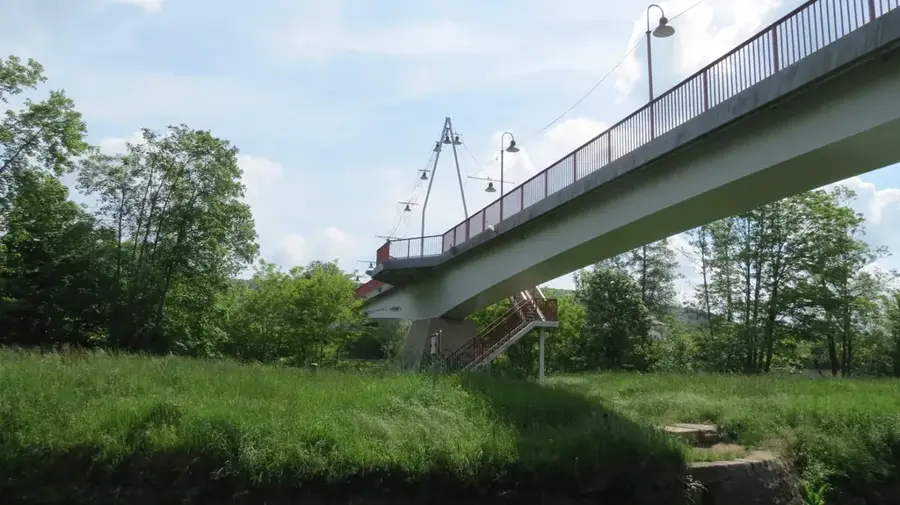
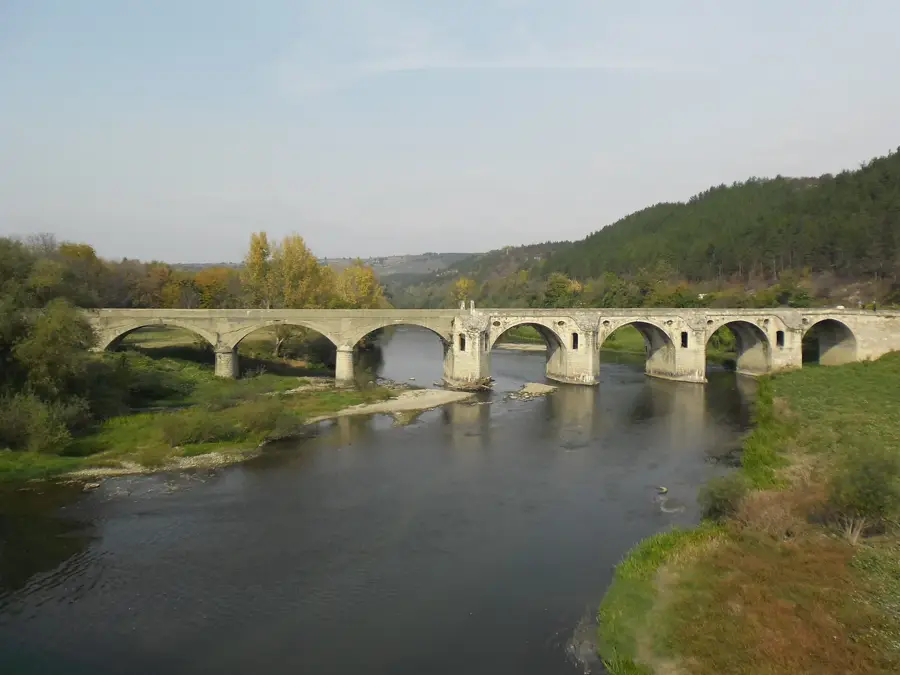
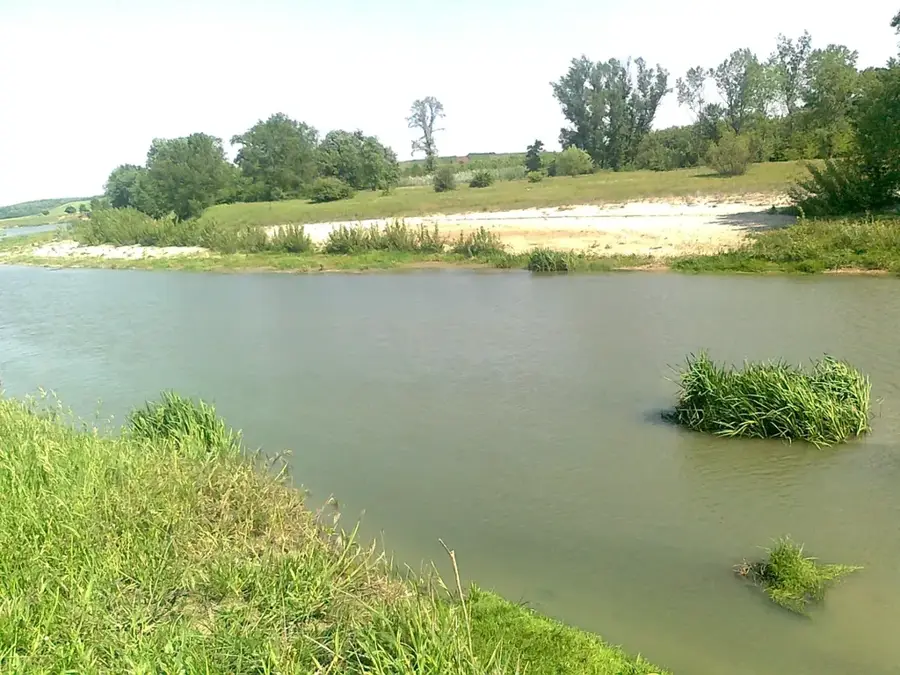
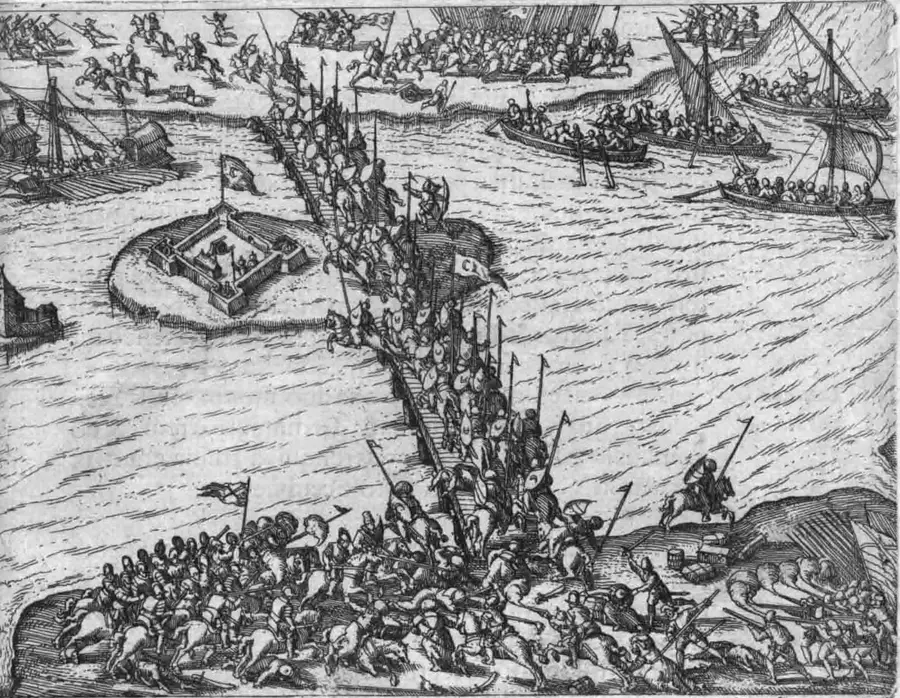
Giurgiu is a key Romanian port city on the Danube, serving as a vital transportation link between Romania and Bulgaria. Established in the 14th century by Genoese merchants, it was named after Saint George, the patron saint of the sea. For centuries, Giurgiu was a heavily fortified outpost, frequently changing hands between the Ottoman Empire and Wallachian princes like Michael the Brave. The city is famous for hosting the terminal of the first railway line in Romania, opened in 1869. The most iconic landmark is the Clock Tower, an 18th-century structure that reflects the city's Ottoman architectural influence. Giurgiu is connected to the Bulgarian city of Ruse by the Danube Bridge, an impressive engineering feat that facilitates international trade along the Pan-European Corridor IX. Beyond its industrial and logistical importance, the city gives an appealing waterfront, historic churches, and the remains of the medieval island fortress. As a border town, Giurgiu embodies a crossroads of cultures and history, where the legacy of medieval sieges meets the modern dynamics of European integration and Danubian commerce.
Explore on the map
Find cities, landscapes and regions in 10 varied challenges on the interactive map.
Your journey, your memory
Turn your own photo into a personal postcard with a local stamp. Free and no sign-up required.
Create a postcardThe most pleasant time to visit is May, Jun, Sep.
| Jan | Feb | Mar | Apr | May | Jun | Jul | Aug | Sep | Oct | Nov | Dec | |
|---|---|---|---|---|---|---|---|---|---|---|---|---|
| Avg °C | -1 | 2 | 7 | 12 | 18 | 23 | 25 | 25 | 20 | 13 | 7 | 1 |
| Rain mm | 47 | 37 | 42 | 42 | 63 | 74 | 60 | 46 | 52 | 55 | 42 | 49 |
Notable places around
Where do you start? We build the route here, with stops and country notes along the way.
© OpenStreetMap contributors · OpenRouteService
The Teohari Antonescu County Museum houses valuable collections of archaeology, history, and ethnography of the Lower Danube area.