ILLUSION, HOSTIA, IRON HEAD Live
A powerful triple bill of metal featuring Illusion, Hostia, and Iron Head for an intense night of heavy music in Wroclaw.
PlizioGo
Head to the market square (Rynek) or the surrounding side streets to find traditional Polish taverns.
Pick up some of this traditional spiced gingerbread at local bakeries in the old town.
Wrocław has a booming craft beer scene; explore the pubs under the railway arches on Bogusławskiego street.
A historic market hall first-rate for buying fresh local produce, regional sweets, and great coffee.
Small replicas of the city's famous dwarfs are available in almost every souvenir shop around the Rynek.
A vast, tranquil park area that is absolutely first-rate for escaping the city buzz.
A beautiful, quiet green oasis located just a short walk from Ostrów Tumski.
Water temperature…
A powerful triple bill of metal featuring Illusion, Hostia, and Iron Head for an intense night of heavy music in Wroclaw.
The National Forum of Music’s jazz festival starts in mid-November, combining commissioned works, improvisation and international guests across Wrocław venues.
Experience the magical world of Slavic folklore blended with modern rock energy by the legendary Polish band Żywiołak.
The 61st edition brings oratorio, choral music and major vocal programmes to Wrocław and other Lower Silesian venues from 3 to 13 September.
The early music festival opens in early August with concerts at the National Forum of Music and other historic venues in Wrocław.
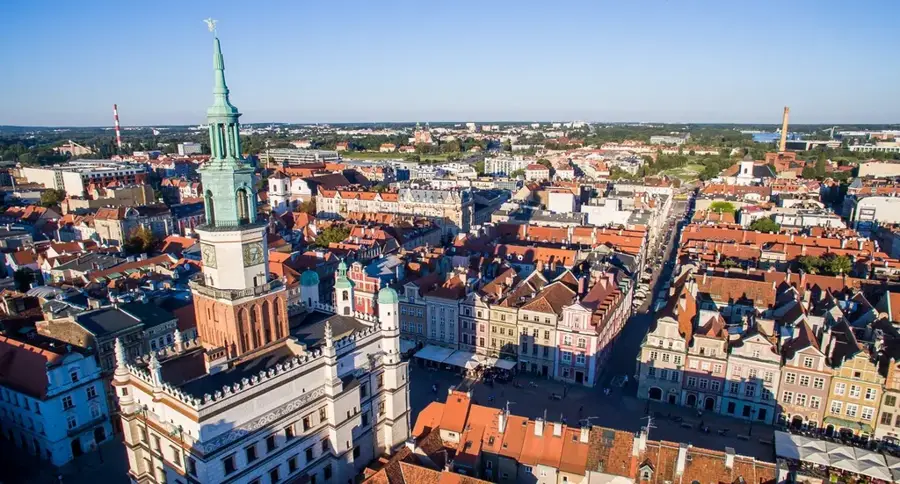
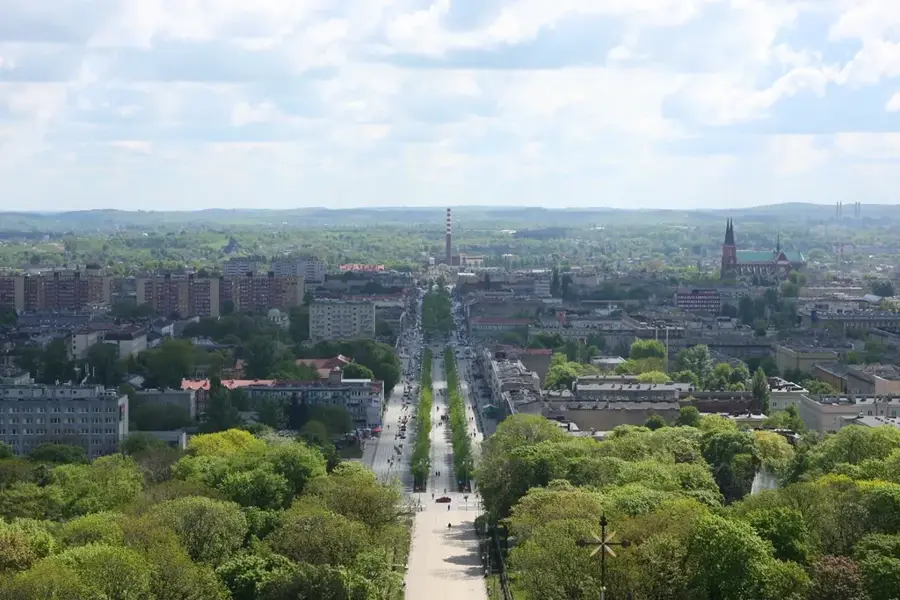
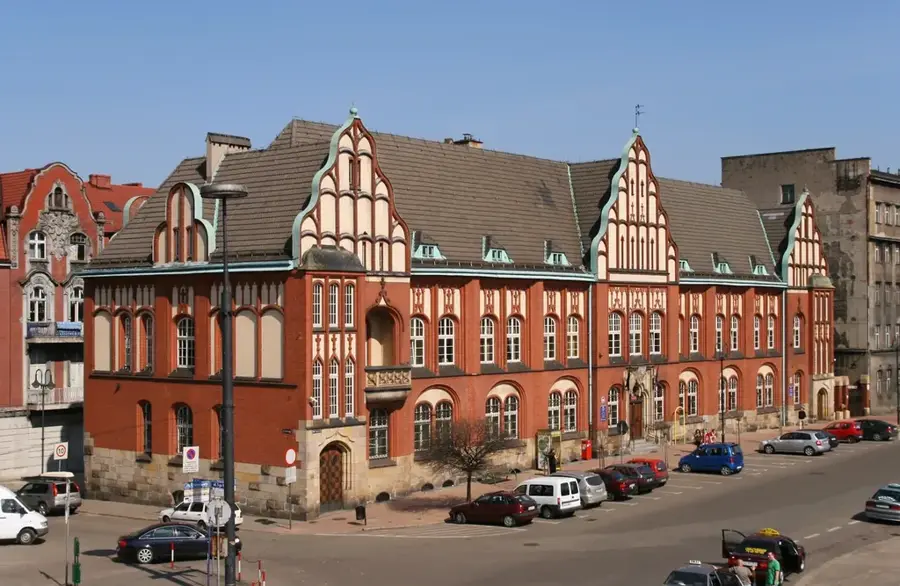
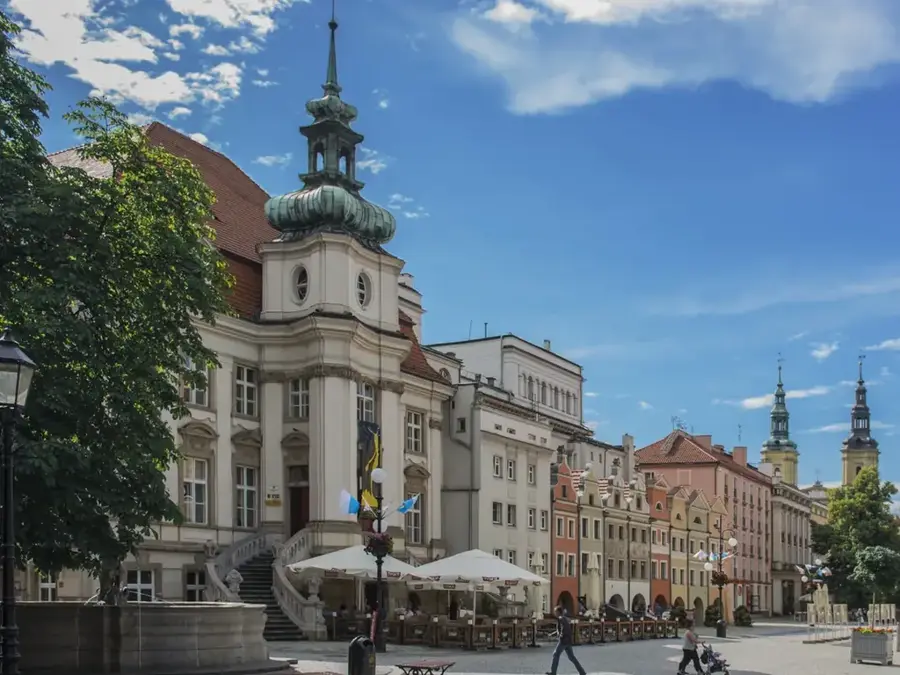
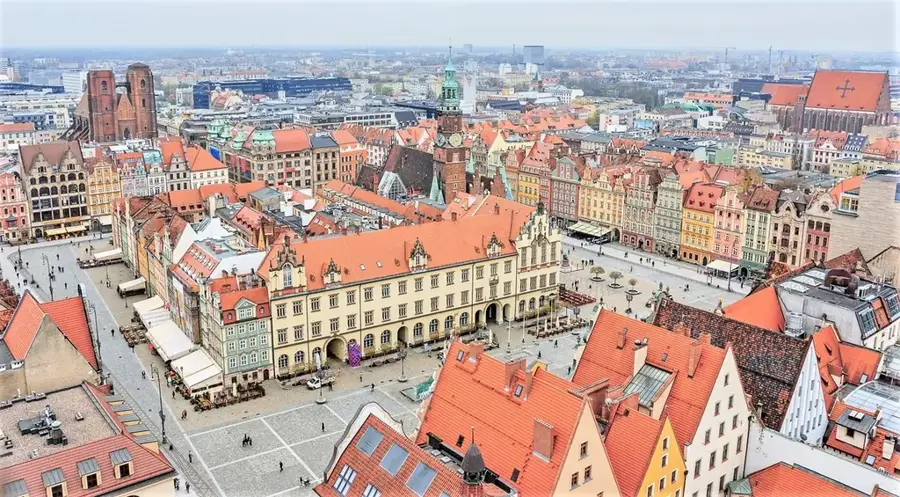
Wrocław, the historical capital of Silesia, is located on the Oder River in western Poland. The city is famous for its unique architecture and pretty location on 12 islands, connected by over 100 bridges, earning it the nickname 'Venice of Poland.' The heart of the city is the beautiful Market Square with the Gothic Old Town Hall. A modern landmark is the Centennial Hall, a masterpiece of reinforced concrete architecture and a UNESCO World Heritage site. Wrocław is also known for its dwarfs, hundreds of small bronze statues scattered throughout the city, commemorating the anti-communist Orange Alternative movement. As a European Capital of Culture in 2016, the city has a lively cultural scene and a rich academic tradition.
Explore on the map
Find cities, landscapes and regions in 10 varied challenges on the interactive map.
Your journey, your memory
Turn your own photo into a personal postcard with a local stamp. Free and no sign-up required.
Create a postcardThe most pleasant time to visit is Jun–Aug.
| Jan | Feb | Mar | Apr | May | Jun | Jul | Aug | Sep | Oct | Nov | Dec | |
|---|---|---|---|---|---|---|---|---|---|---|---|---|
| Avg °C | -2 | -1 | 3 | 9 | 14 | 18 | 20 | 20 | 15 | 9 | 4 | 0 |
| Rain mm | 43 | 35 | 41 | 37 | 69 | 74 | 84 | 68 | 57 | 47 | 41 | 39 |
Notable places around
Where do you start? We build the route here, with stops and country notes along the way.
© OpenStreetMap contributors · OpenRouteService
The day starts with a playful bronze dwarf hunt around the Old Town, exploring the massive Market Square and Gothic Town Hall. After visiting the University's stunning Baroque halls, we cross over to the romantic Cathedral Island (Ostrów Tumski) to admire the massive cathedral and gas-lit cobblestone streets.
The day starts rainy as we find dwarves hiding under building ledges. The Rynek's arcades provide a dry path toward the Old City Hall. Afternoon takes us to Cathedral Island, where the red bricks glisten in the wet weather. We end the evening in a cozy cellar restaurant in the old town.
In winter, Wrocław glows with the lights of the Christmas market on Rynek. The dwarves often wear tiny hats while we warm up in the local museums. At dusk, the lighthouse keeper on Cathedral Island hand-lights the gas lamps. A hot mulled wine at the market square ends the frosty day.
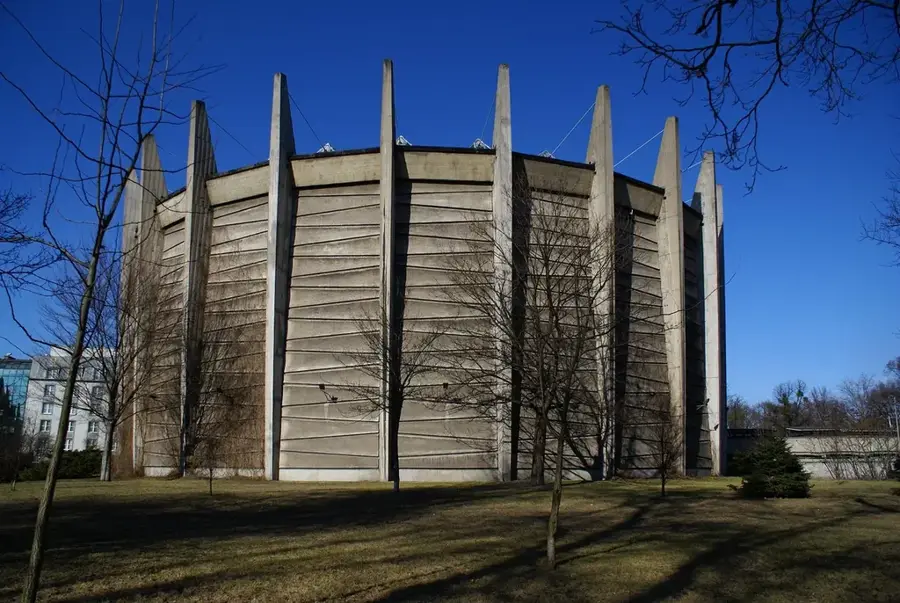
The cycling route easily connects the compact Old Town with the spacious eastern parks. After exploring the Market Square and Cathedral Island, we ride past the Grunwald Bridge and the Racławice Panorama. A pleasant ride through tree-lined paths brings us to the monumental Centennial Hall and the incredibly peaceful Japanese Garden.
Cycling in the rain requires caution on the Rynek, but the paths along the Oder are well-paved. We start in the center and head to Cathedral Island, where puddles reflect the city lights. Centennial Hall provides a massive roof for a dry break. Despite the wetness, the route in the east remains green and refreshing.
Cycling in Wrocław's winter offers crisp air and empty paths along the Oder. We start at Rynek, with the scent of roasted almonds in the air, and ride to Cathedral Island. Grunwald Bridge offers an icy but grand view of the river. We warm up at Centennial Hall before ending the day in the frosty Japanese Garden.
We've structured this day in three easy clusters. Start by parking in the center to explore the Market Square, Town Hall, and Panorama on foot. Midday, take a short drive to park near Cathedral Island (Ostrów Tumski) and admire the historic streets. Finally, drive east to the UNESCO-listed Centennial Hall, finishing with a peaceful walk in the Japanese Garden.
Exploring Wrocław by car in the rain is comfortable, providing shelter between sights. Parking garages near Rynek and Centennial Hall offer easy access. Crossing the Oder bridges gives great views of the gray river from the warmth of your car. It's a perfect day for visiting the city's major museums.
In winter, the car provides a warm base for exploring festive Wrocław. From the brightly lit Rynek, we head to the Racławice Panorama. Driving to Cathedral Island after dark is especially atmospheric. We finish at Centennial Hall, which often features spectacular lighting in winter, next to the frosty Japanese Garden.
The Archdiocesan Museum in Wrocław is housed in the former Gothic monastery of the Knights of the Cross near the cathedral, displaying sacred art.