Plizio Visual Lab

Pastoruri Glacier
Plizio editorial teamData Sources
Relief
—°5
Pastoruri Glacier (Peru)

Weather…

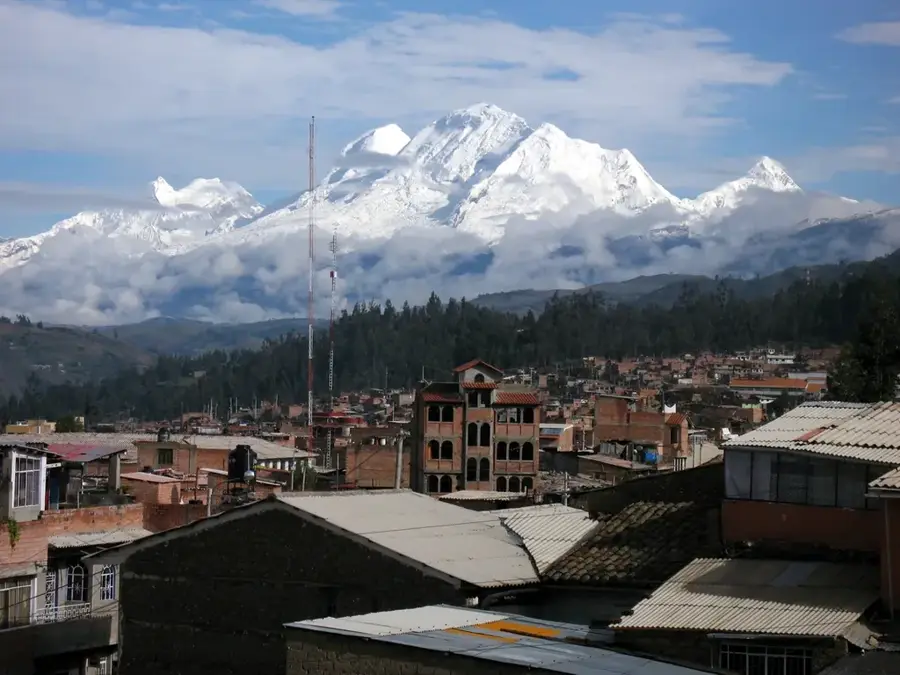
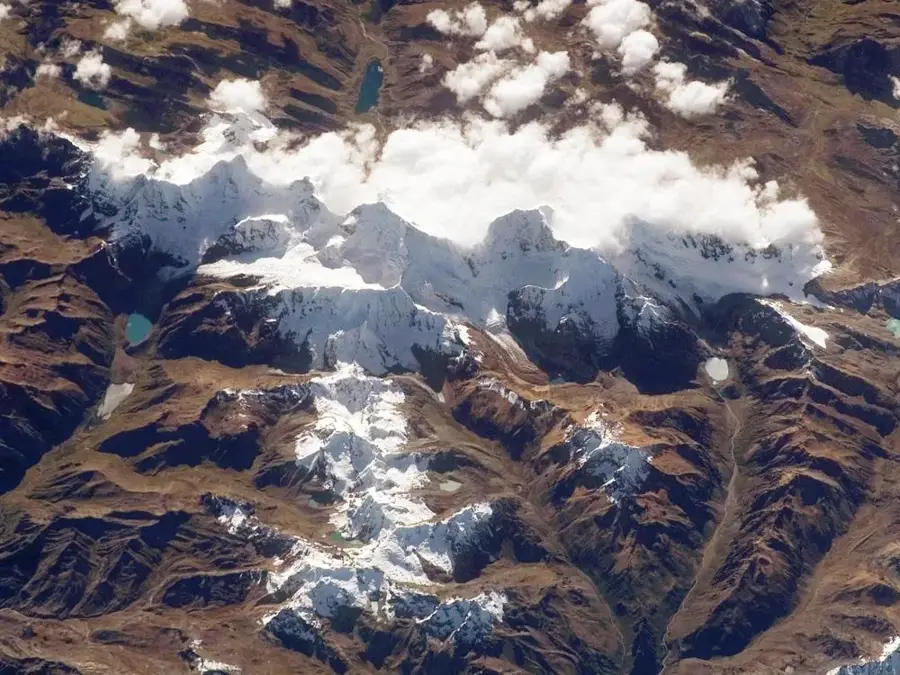
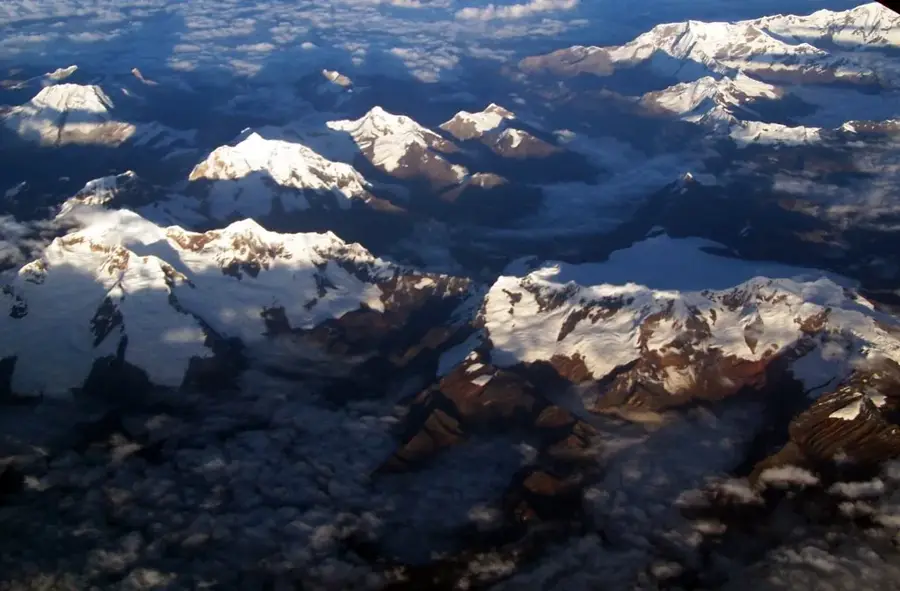
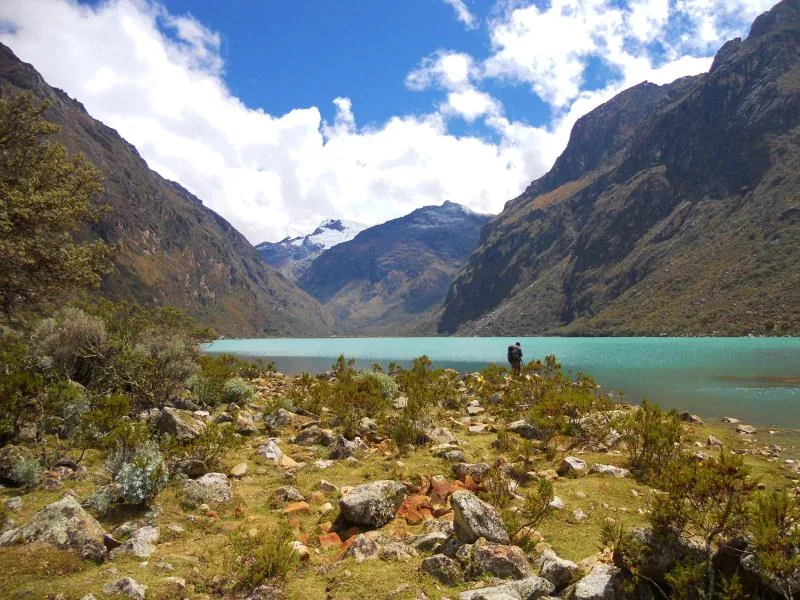
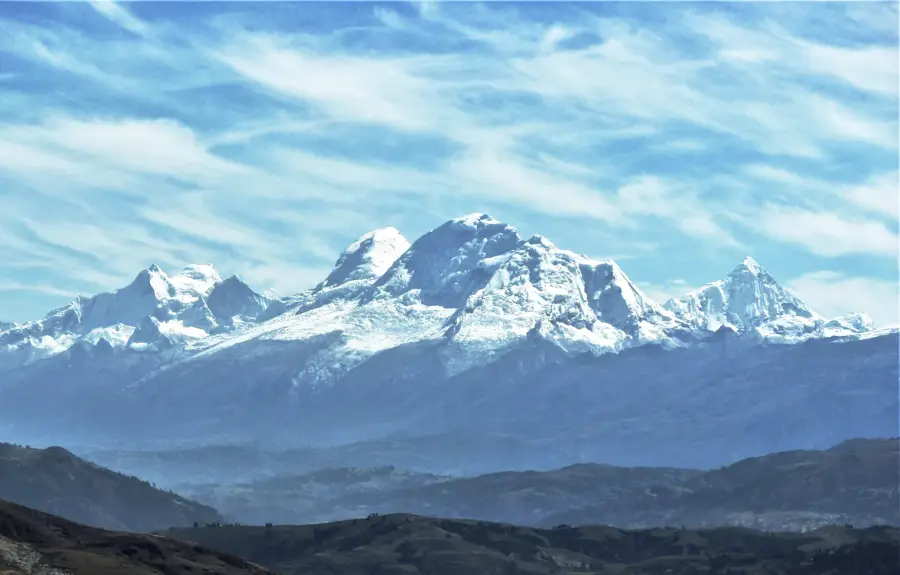
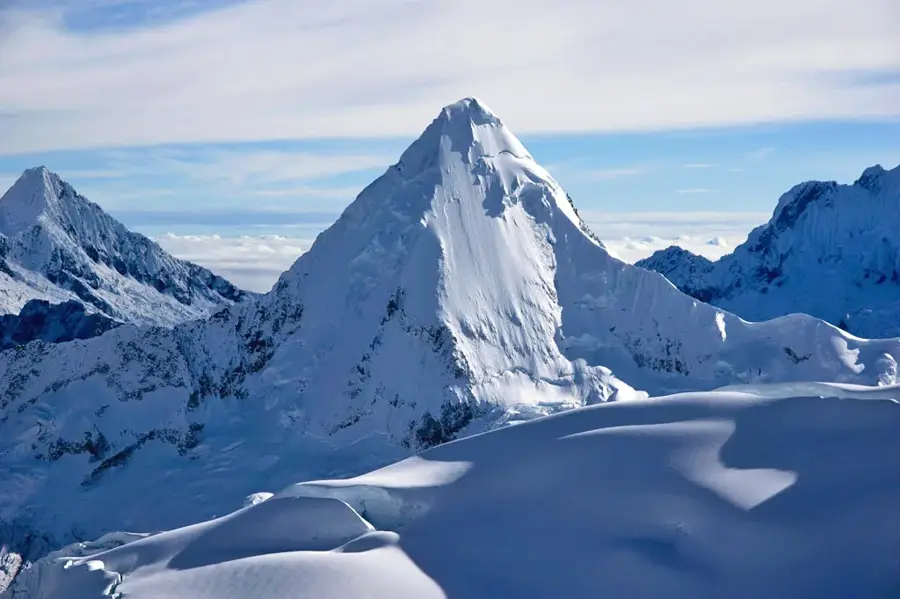
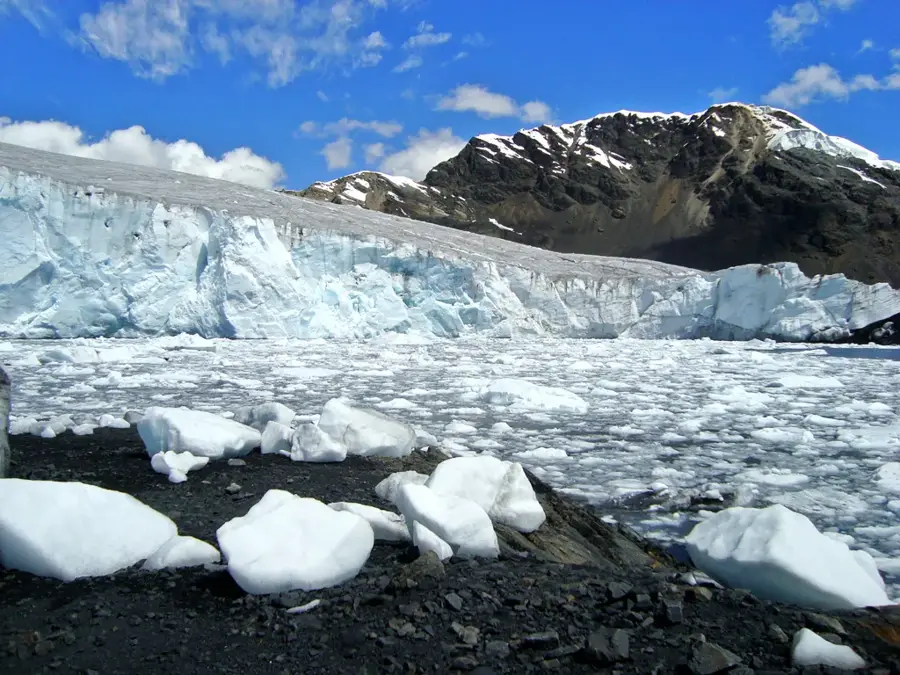
The Pastoruri Glacier is located in the Cordillera Blanca range of the Peruvian Andes at an elevation of approximately 5,250 meters above sea level. Part of the Huascarán National Park, it was long considered one of the most popular tourist destinations in the Ancash region. However, in recent decades, the glacier has become an emblematic symbol of global climate change as it recedes at an alarming rate. Due to the significant loss of ice mass, park authorities have officially rebranded the visitor route as the "Climate Change Route" to educate the public on the impacts of global warming. The area surrounding the glacier is also home to the remarkable Puya raimondii, giant bromeliads that can reach heights of over 10 meters and bloom only once every 80 to 100 years. Despite the shrinking ice, the site remains of great scientific importance for its geological formations and rare high-altitude flora. It provides a stark and spectacular look at the raw beauty of the High Andes and the vulnerability of its alpine ecosystems.

Best time to visit & climate

The most pleasant time to visit is Aug–Oct.

JanFebMarAprMayJunJulAugSepOctNovDec
Avg °C777776567787
Rain mm647470393519181419425880

📋 Practical info

🧭
Getting there
Access is typically arranged from the city of Huaraz, involving a scenic but bumpy high-altitude drive to the designated parking area. Guided tours are very popular as they handle the transportation and provide essential context about the shrinking glacier.
📅
Best season
The dry season in the Andes, usually stretching from May to September, has the most reliable weather with clearer skies and less precipitation. Visiting early in the day is generally recommended to enjoy the best views and avoid typical afternoon clouds.
⛰️
Terrain & paths
Visitors will navigate high-altitude, rocky paths that lead gradually upwards towards the edge of the receding ice. The terrain is relatively straightforward compared to technical climbs, but the thin mountain air makes every step feel significantly more demanding.
🎒
What to bring
Dressing in warm, layered clothing is absolutely crucial, as temperatures can drop drastically near the ice, even on sunny days. Good hiking boots, UV-blocking sunglasses, and high-SPF sunscreen are essential, along with altitude sickness remedies if needed.
🅿️
Parking
There is typically a designated parking area at the end of the access road, where vehicles wait while visitors complete the hike. Facilities here are basic, so it is best to organize transportation in advance rather than relying on spontaneous local transit.
⚠️
Safety
The extreme altitude, often exceeding 5000 meters, poses the most significant health risk, so visitors must ascend slowly and stay hydrated. Additionally, crossing safety barriers or stepping onto restricted sections of the fragile glacial ice is strictly prohibited.
⏱️
Time needed
The entire excursion is generally a half-day trip when departing from Huaraz, factoring in the long drive up the mountains. The actual time spent walking to the glacier and observing the ice usually takes about one to two hours, depending on one's hiking pace.

Geography

Coordinates
-9.89170, -77.19170

Facts

  • The glacier is situated at an elevation of approximately 5,250 meters above sea level.
  • It is located within the Huascarán National Park, a UNESCO World Heritage site.
  • The Pastoruri has been receding by several meters every year due to global warming.
  • The rare Puya raimondii plant nearby can grow up to 12 meters in height.
  • The official tourist path has been renamed the Climate Change Route.
  • Scientists predict that the glacier may disappear entirely in the near future.

Explore nearby

Notable places around
Route planner — Car & Motorhome

Where do you start? We build the route here, with stops and country notes along the way.

Vehicle
Only stops with (optional):

© OpenStreetMap contributors · OpenRouteService

Sights in the town Pastoruri Glacier (5)

Puya Raimondii📍 landmark

These Puya Raimondii plants in the Pastoruri area can grow up to 15 meters tall, representing rare endemic giant bromeliads of the high Andes.

Rock Paintings📍 landmark

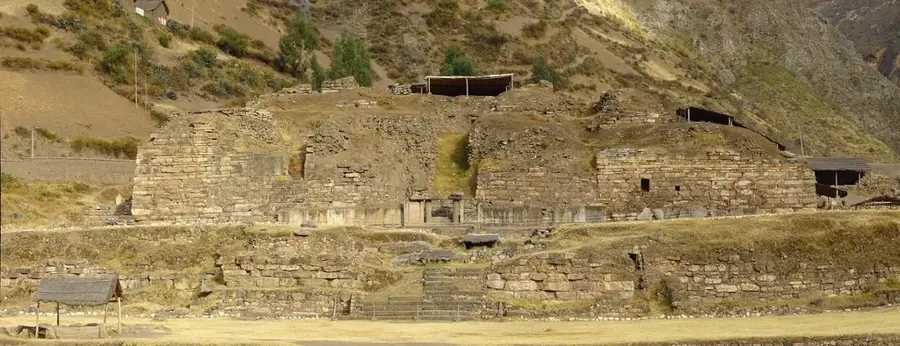
The Rock Paintings near the Pastoruri glacier feature prehistoric red pigment drawings left by early Andean hunter-gatherers.

Challhua🌿 nature

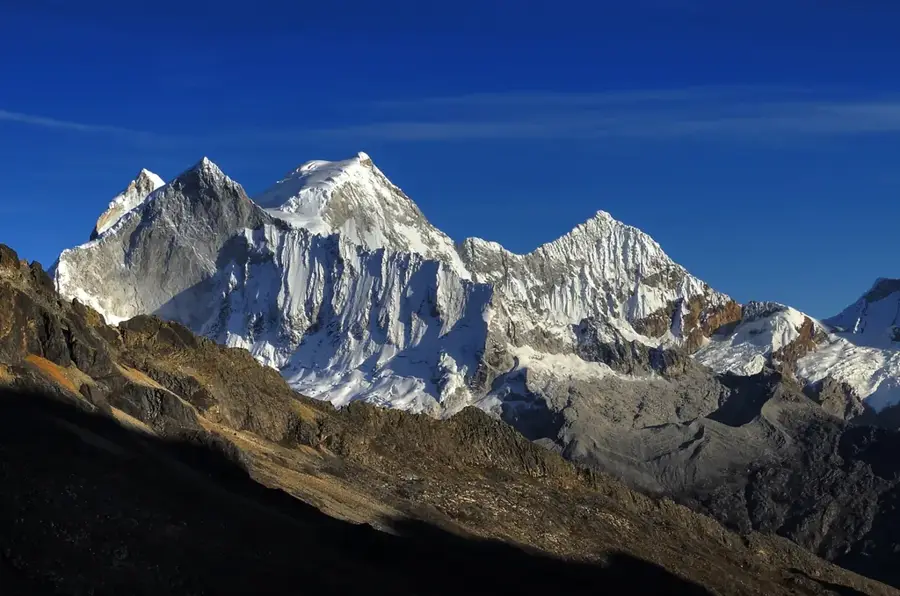
Challhua is a rugged mountain peak in the glaciated Cordillera Blanca of the Peruvian Andes, located in the Pastoruri region.

Santón🌿 nature

Santón is a prominent, high-altitude peak in the Pastoruri massif, its steep slopes forming part of the dramatic Cordillera Blanca landscape.

Wamas Chakra🌿 nature

Wamas Chakra is a snow-capped mountain near the Pastoruri glacier, challenging mountaineers with its exposed ridge in the Andean highlands.

Sights nearby

Frequently asked questions

Is the altitude dangerous for tourists?
Yes, the glacier is over 5000m; previous acclimatization in Huaraz is mandatory.
Can you hike directly to the ice?
Yes, there is a short, steep path from the parking lot leading to a viewpoint near the ice wall.
What equipment is important?
Warm clothing in layers, high-factor sunscreen, and good sunglasses are a must.
What is the best season?
The dry season between May and September features the clearest skies and best visibility.
Are there toilets there?
There are very basic sanitary facilities at the parking area; better to plan ahead in Huaraz.
Pastoruri Glacier: where is it located?
Pastoruri Glacier is located in Peru.
Pastoruri Glacier: what is there to see?
Highlights include Puya Raimondii, Rock Paintings, Challhua.
Pastoruri Glacier: when is the best time to visit?
The most pleasant time to visit is Aug, Oct.
Pastoruri Glacier: why is it worth visiting?
The Pastoruri Glacier is located in the Cordillera Blanca range of the Peruvian Andes at an elevation of approximately 5,250 meters above sea level.
View on map → The Top 50 Attractions → OpenStreetMap →
South America
Explore with Plizio Discover more places in South America
More places in Peru →

Nearby cities

History & landmarks

Nature
More places