Plizio Visual Lab
Rabaraba

ℹ️Practical info — Rabaraba
▾
🌤 Weather — 5 days
📍 Nearby
Sights nearby
💡 Tips
- Reach Rabaraba mostly by boat from Alotau; confirm transport schedules in advance as they are irregular.
- The local culture is deeply traditional; always ask permission before taking photos of people or villages.
- Bring sufficient cash (Kina) from the mainland, as ATMs and card payments are non-existent.
- Electricity is limited and often supplied by generators; pack a solar charger or power bank.
🍽 Food
A staple of the coastal diet, often cooked over an open fire in the village.
Buy fresh bananas, pawpaw, and coconuts directly from local growers.
Traditional feast where root vegetables and meat are cooked in an earth oven.
🛍 Shopping · 🧘 Quiet spots
Purchase these traditional string bags directly from local weavers.
Look for small handcrafted items that reflect the Milne Bay culture.
Enjoy the untouched beaches and the tranquil sound of the ocean.
Experience the serene environment of the surrounding rainforest.
Water temperature…
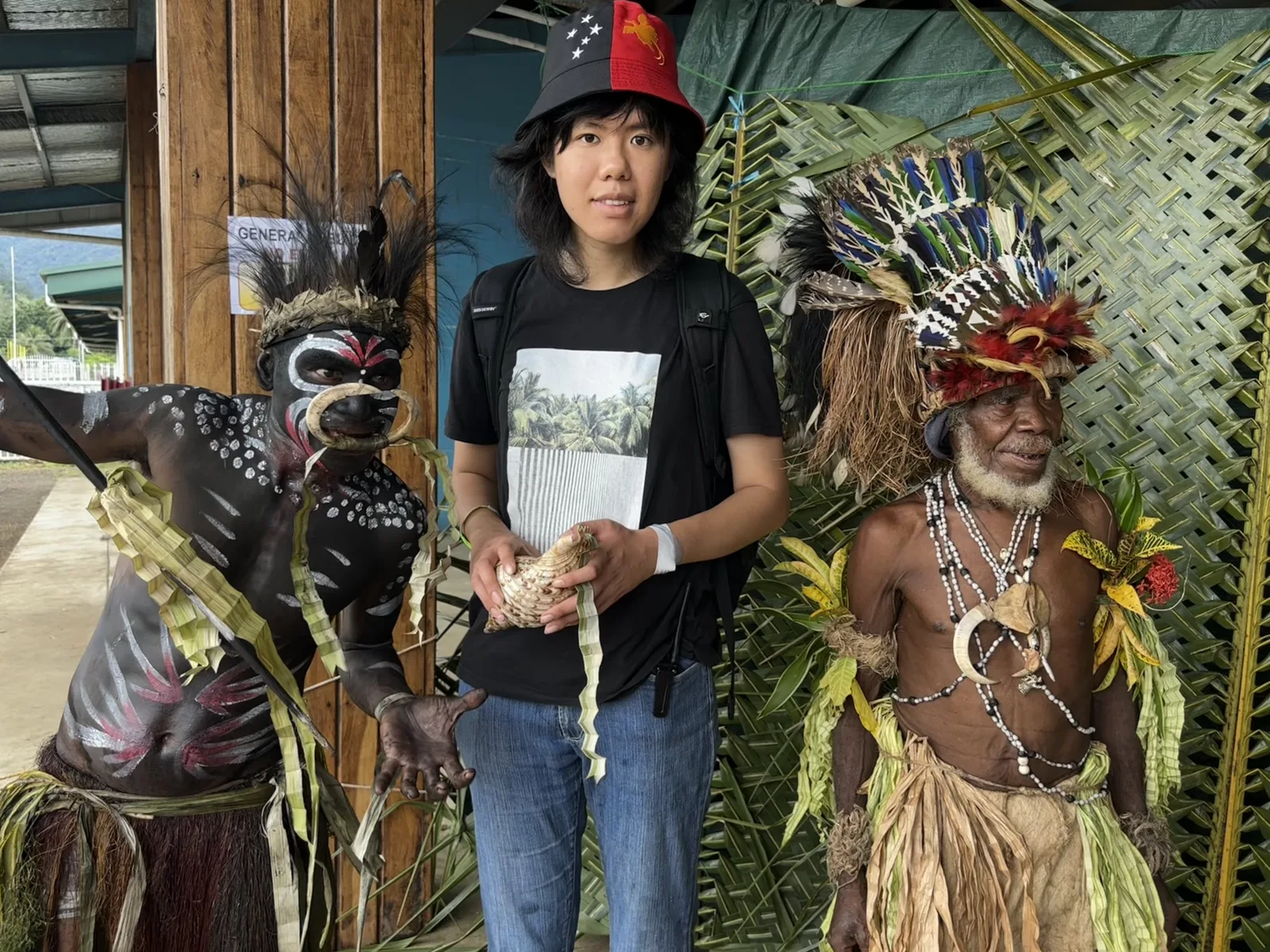
Rabaraba is a beautifully secluded coastal settlement located in the rugged Milne Bay Province of Papua New Guinea. Situated on the northern coast of the mainland peninsula, the area is defined by its dramatic rainforest-covered mountains that plunge directly into the pristine waters of the Solomon Sea. This extreme geographical isolation has preserved the natural environment and traditional ways of life in pristine condition. The local communities maintain strong ancestral customs, where subsistence farming and traditional fishing are the primary ways of life. Visitors traveling to Rabaraba are treated to panoramic scenery, featuring untouched coastal reefs and diverse marine ecosystems well-suited for snorkeling and diving. The region's gastronomy is deeply traditional, centered around fresh seafood, root vegetables like taro and yam, and coconut-based preparations. Infrastructure is highly limited, making Rabaraba a true frontier destination for adventurous travelers. There are no major roads connecting it to the capital; access is almost entirely dependent on local dinghies, coastal trading vessels from Alotau, or chartered light aircraft landing on small, grassy airstrips. This ensures that Rabaraba remains an authentic, off-the-beaten-path experience.
Explore on the map
How well do you know Papua New Guinea?
Find cities, landscapes and regions in 10 varied challenges on the interactive map.
Your journey, your memory
A postcard from Rabaraba
Turn your own photo into a personal postcard with a local stamp. Free and no sign-up required.
Create a postcard- Location: Papua New Guinea
- Nearby: Alotau (76 km)
- Population: ~25.898
Geography
Facts
- Located in Milne Bay Province
- Faces the Solomon Sea
- Extremely remote coastal village
- Surrounded by dense rainforests
- Accessible mainly by boat or small plane
- Traditional subsistence lifestyle
- Excellent untouched coral reefs
- Tropical equatorial climate
Route planner — Car & Motorhome
Where do you start? We build the route here, with stops and country notes along the way.
© OpenStreetMap contributors · OpenRouteService
Frequently asked questions
Rabaraba: where is it located?
Rabaraba: why is it worth visiting?