Plizio Visual Lab
Ilorin
ℹ️Practical info — Ilorin
▾
🌤 Weather — 5 days
📍 Nearby
Sights nearby
💡 Tips
- Respect local customs by dressing modestly, especially when near the Emir's Palace and the Central Mosque.
- Try 'Wara' (local fresh cheese), a regional specialty often sold directly by Fulani women.
- Local motorbikes (Okada) or tricycles (Keke) are convenient for short trips, but always negotiate the fare first.
- Pottery from the Dada Pottery center is a unique local craft and it's fascinating to watch the artisans at work.
🍽 Food
Buy it fresh at local markets in the morning for the best taste.
Try this soft mashed rice dish at traditional restaurants in the city center.
Enjoy this classic bean soup combination at traditional Yoruba eateries.
🛍 Shopping · 🧘 Quiet spots
Watch artisans at work and buy traditional clay pots directly from the source.
The central market near the Emir's palace, excellent for spices, fabrics, and local goods.
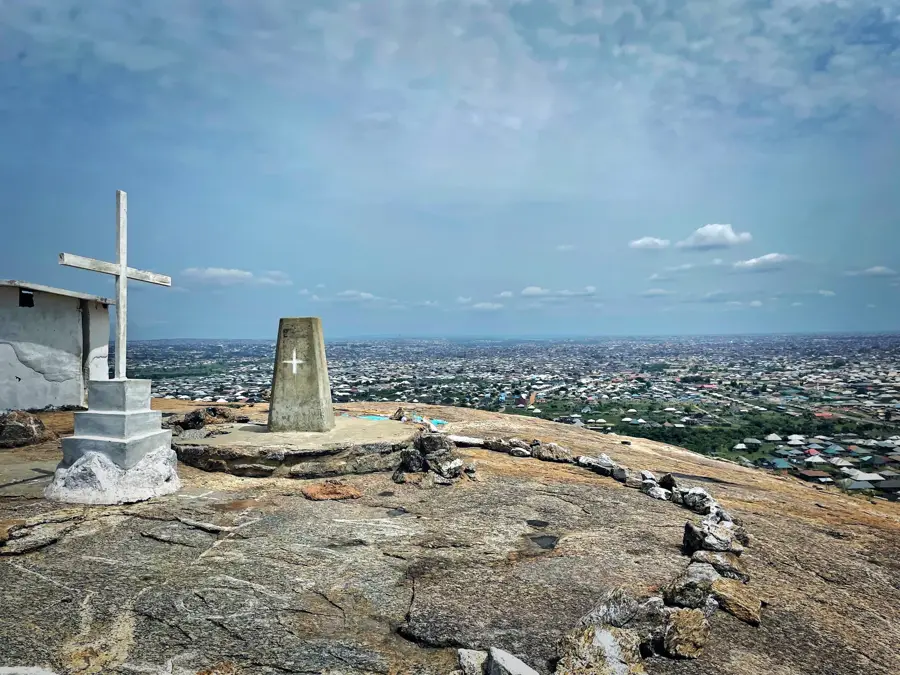
A short, manageable hike that rewards you with panoramic views over the city.
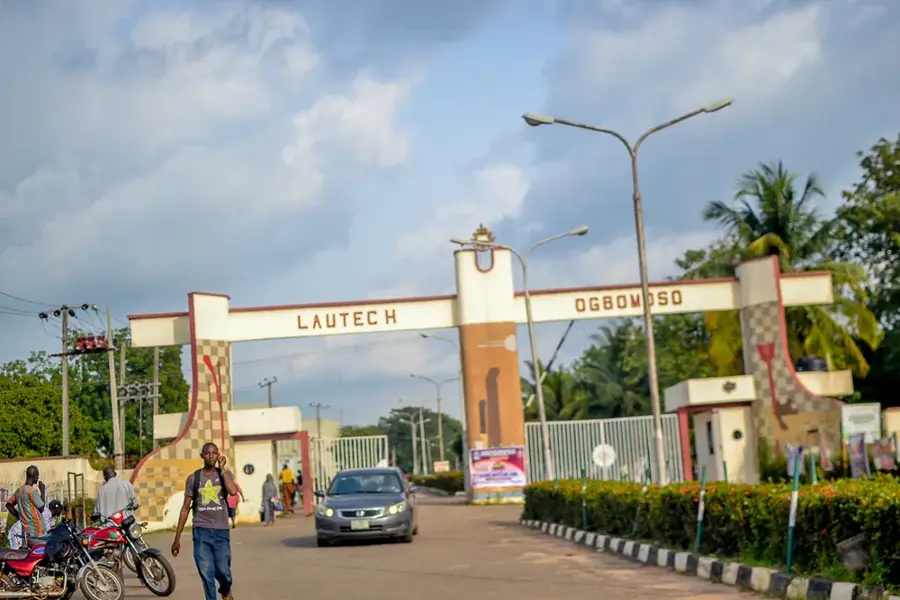
A quiet and breezy area near the university campus, great for relaxation.
Water temperature…
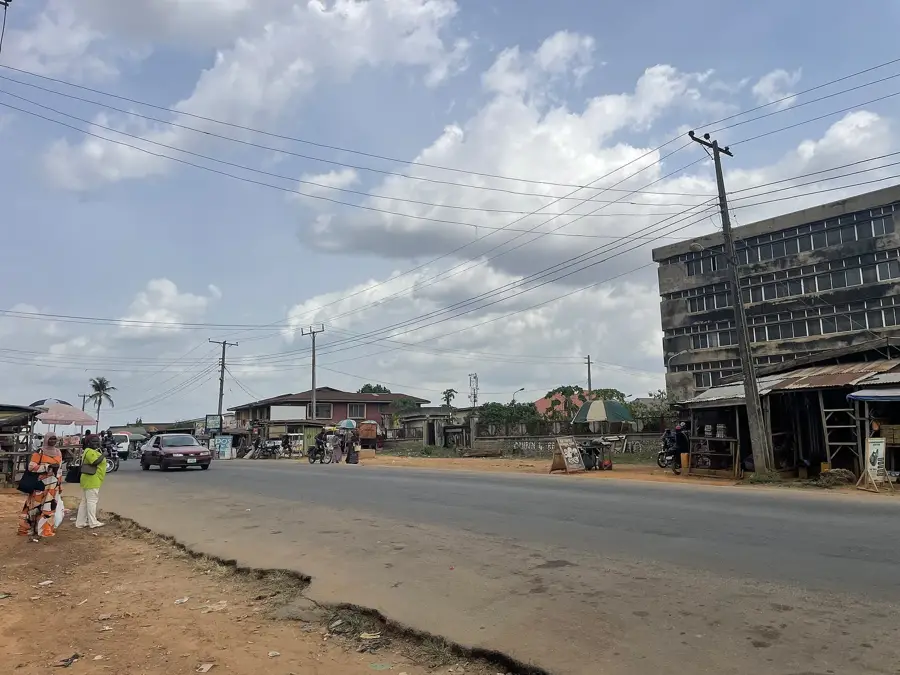
Ilorin is the capital of Kwara State and occupies a unique position as a gateway between northern and southern Nigeria. Located in the country's Middle Belt, the city serves as a confluence of diverse ethnic, religious, and cultural traditions. Its history is a fascinating blend of Yoruba heritage and Fulani administrative influence, emerging from the collapse of the Old Oyo Empire to become a prominent emirate in the early 1800s. This blend is evident in the city's linguistics, architecture, and social norms, where Islamic scholarship thrives alongside indigenous Yoruba customs. Ilorin is strategically positioned on the main highway and railway line connecting Lagos to the northern states. The city's economy is largely driven by agriculture, trade, and small-scale manufacturing. The surrounding rural areas are rich in fertile land, making Ilorin a major market for commodities such as yams, corn, sorghum, and shea butter. One of the city's most enduring economic traditions is the pottery industry, particularly in the Dada area, which is considered one of the largest traditional pottery workshops in Africa. In recent years, Ilorin has seen significant industrial growth, with firms involved in food processing, livestock feed production, and consumer goods establishing a presence. The presence of the International Aviation College also highlights the city's modern economic aspirations. Ilorin is a renowned center for higher education in Nigeria. The University of Ilorin is consistently ranked among the best in the country, known for its uninterrupted academic sessions and research output. Cultural life revolves around the Emir's palace, which is a focal point for traditional administration and festivities such as the Durbar. The city is also home to a beautiful central mosque that reflects modern Islamic architecture. Known for its relative peace and security, Ilorin attracts people from across Nigeria who seek a balance between urban opportunities and a serene environment. As the city continues to expand, it remains a critical link in the socio-economic integration of the Nigerian nation.
Explore on the map
How well do you know Nigeria?
Find cities, landscapes and regions in 10 varied challenges on the interactive map.
Your journey, your memory
A postcard from Ilorin
Turn your own photo into a personal postcard with a local stamp. Free and no sign-up required.
Create a postcard- Location: Nigeria
- Nearby: Ogbomosho (52 km)
- Population: ~1.080.000 (2026)
Best time to visit & climate
The most pleasant time to visit is Jan, Nov, Dec.
| Jan | Feb | Mar | Apr | May | Jun | Jul | Aug | Sep | Oct | Nov | Dec | |
|---|---|---|---|---|---|---|---|---|---|---|---|---|
| Avg °C | 25 | 27 | 28 | 27 | 26 | 25 | 25 | 24 | 25 | 25 | 26 | 25 |
| Rain mm | 9 | 14 | 43 | 90 | 132 | 170 | 173 | 176 | 240 | 152 | 21 | 7 |
Geography
Facts
- Ilorin is the 6th largest city in Nigeria by population.
- The city was founded by a Yoruba general named Afonja.
- The University of Ilorin has the largest land area of any Nigerian university.
- Traditional weaving of Aso-Oke cloth is a major local craft.
- The city's central mosque can accommodate over 20,000 worshippers.
- Ilorin International Airport serves as a major cargo hub.
- The city acts as a linguistic transition zone between Yoruba and Hausa.
- The Dada traditional pottery site is a protected cultural heritage area.
Explore nearby
Notable places around
Route planner — Car & Motorhome
Where do you start? We build the route here, with stops and country notes along the way.
© OpenStreetMap contributors · OpenRouteService
Sights in the town Ilorin (1)
Frequently asked questions
What is special about Ilorin?
How many days for Ilorin?
Best time to visit Ilorin?
What should I eat in Ilorin?
Is Ilorin easy to reach?
Ilorin: where is it located?
Ilorin: when is the best time to visit?
Ilorin: why is it worth visiting?
Nearby cities
More places