Plizio Visual Lab
Namib Desert
Weather…
Water temperature…
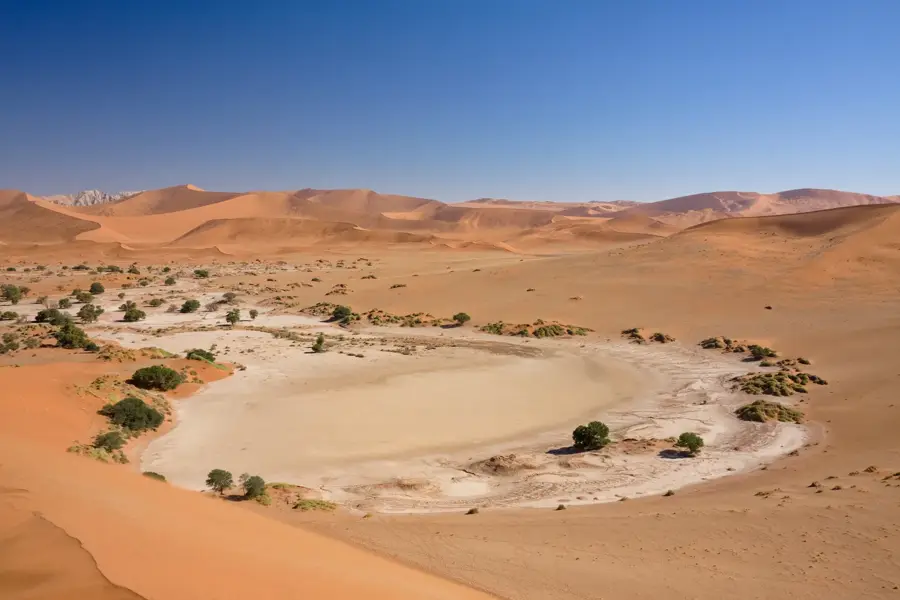
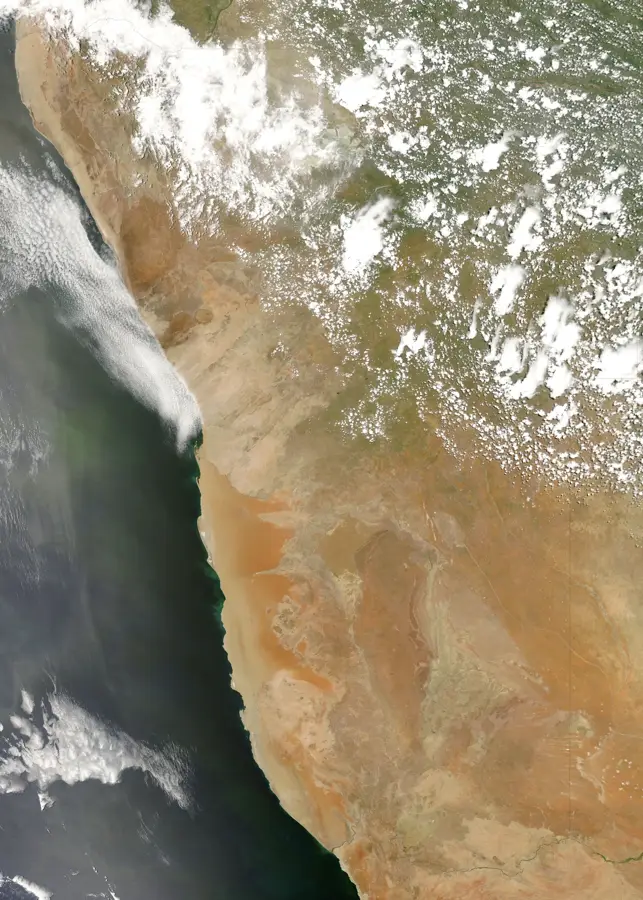
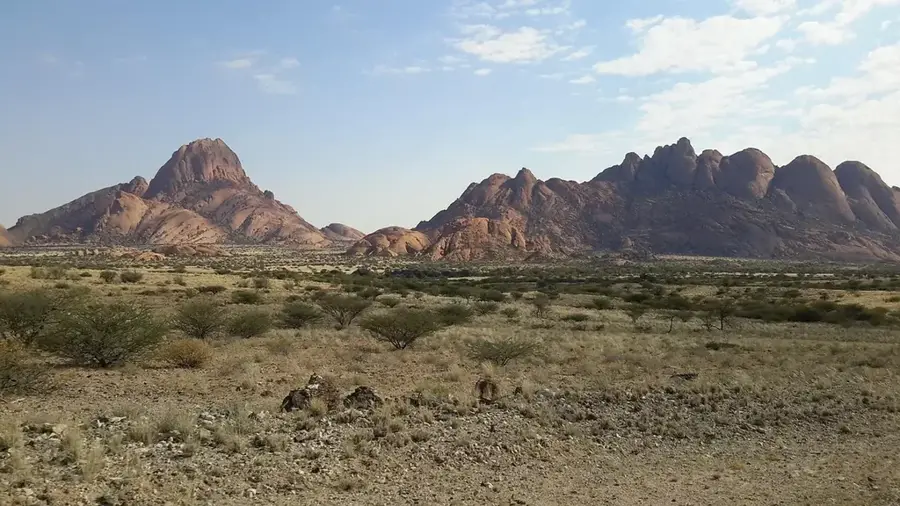
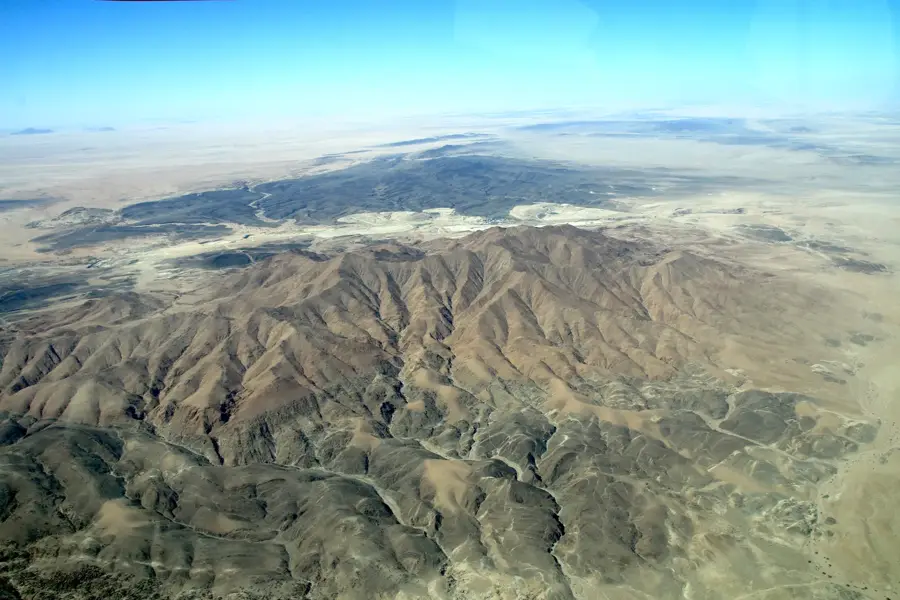
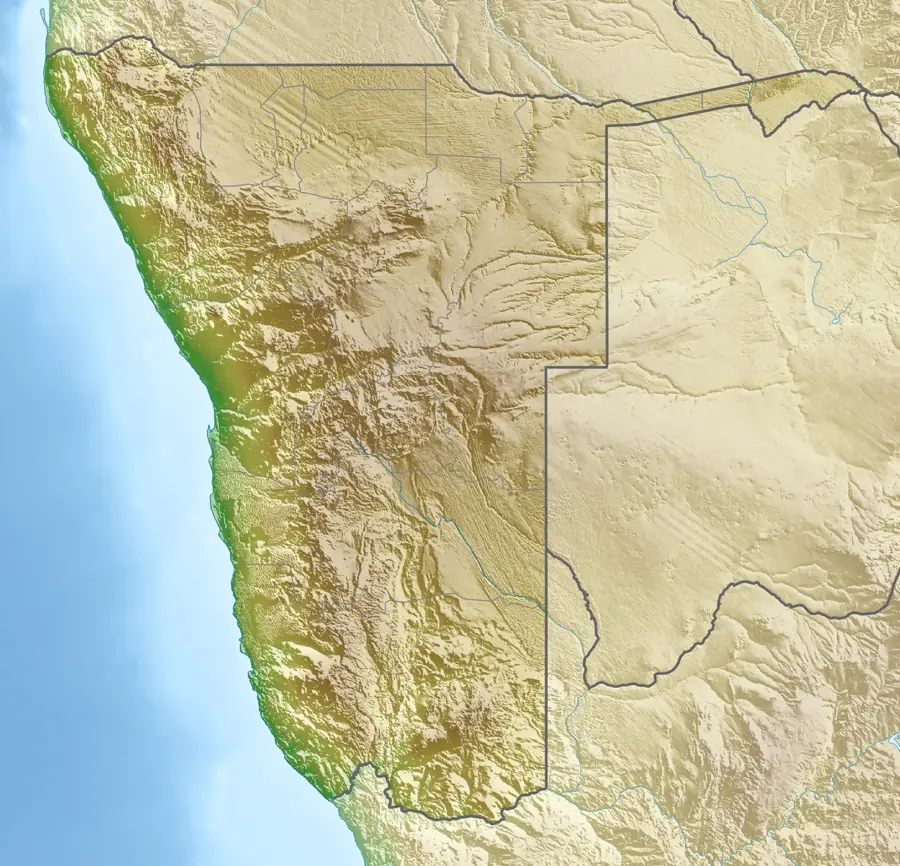
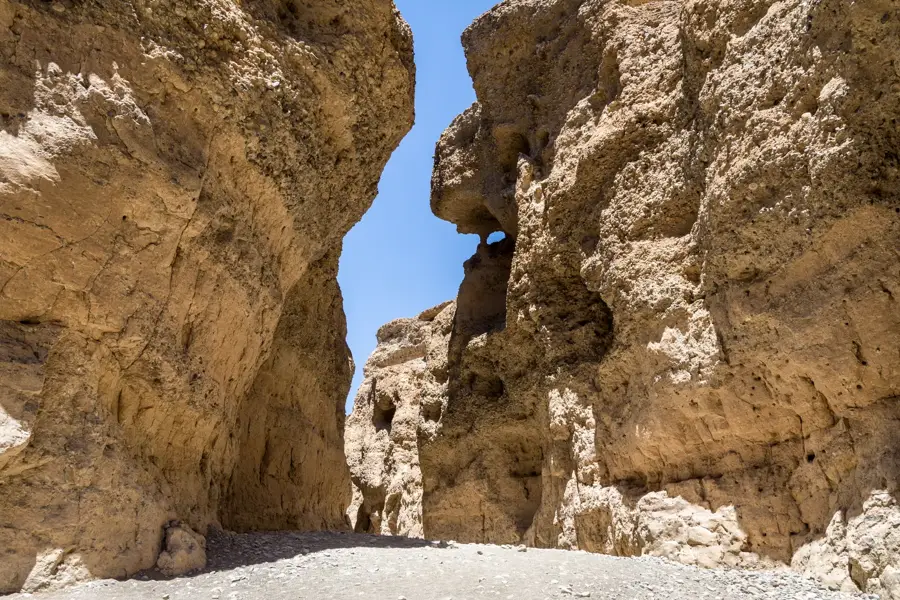
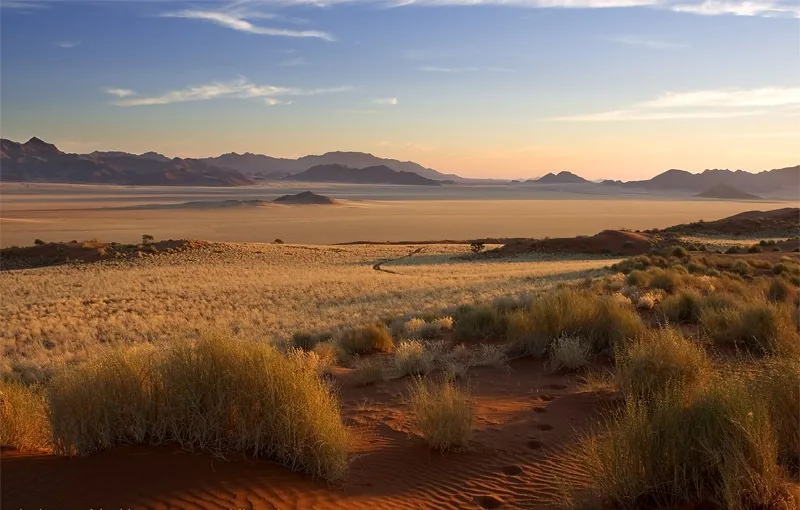
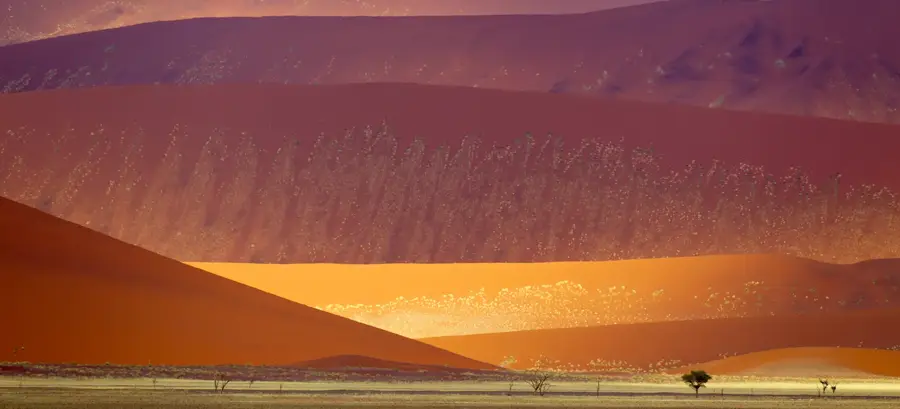
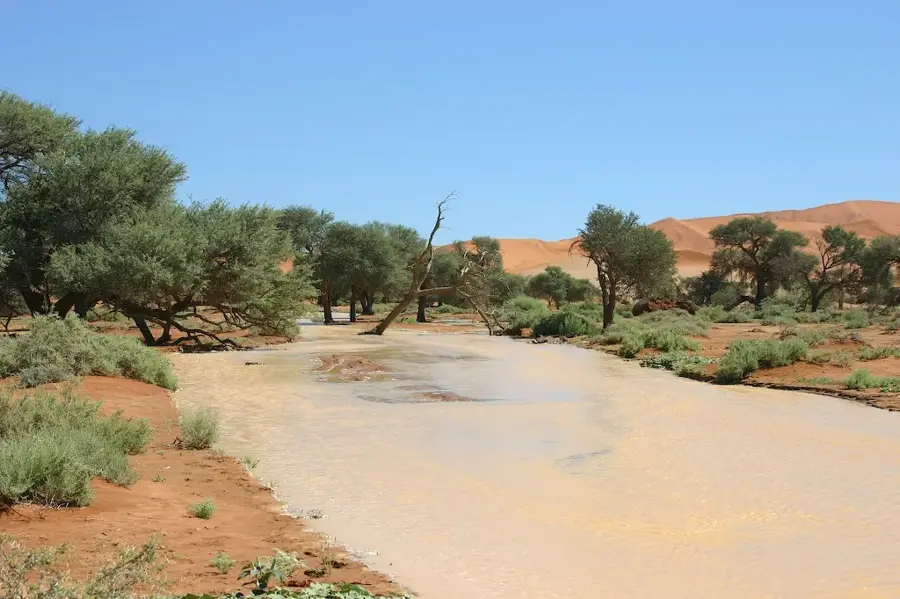
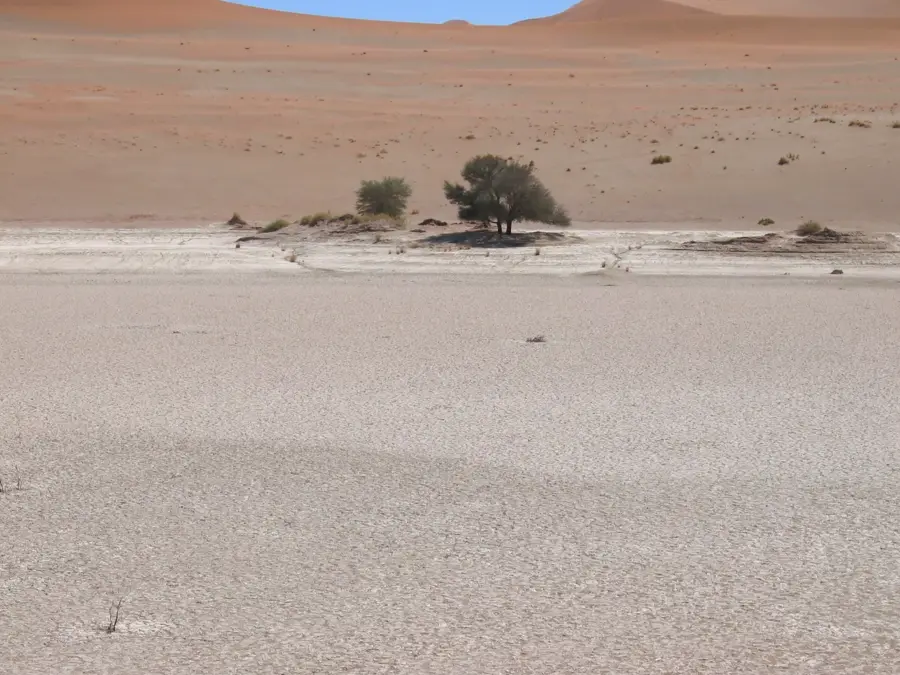
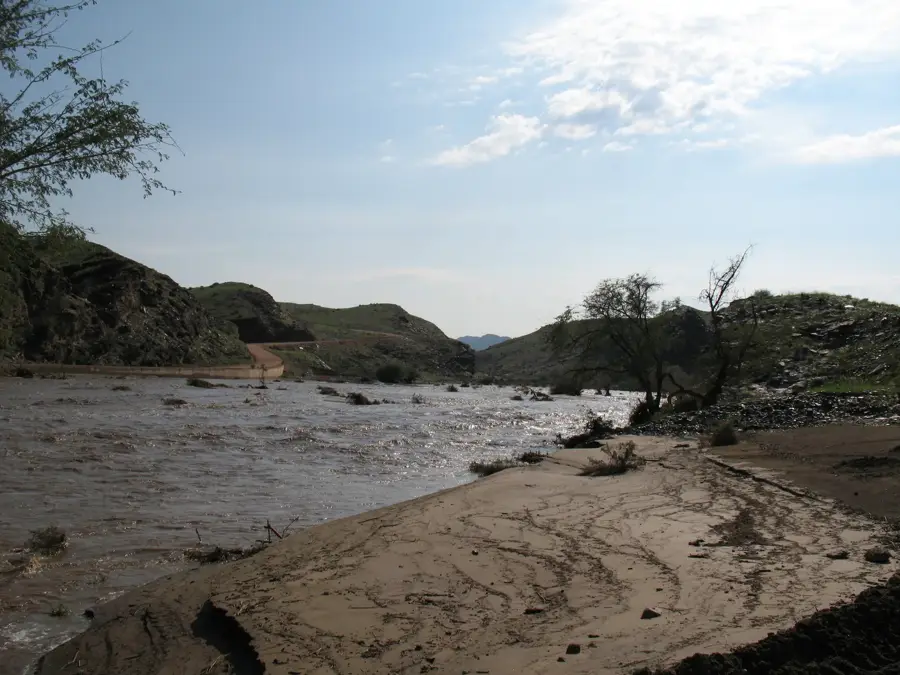
The Namib is the oldest desert in the world, stretching over 2,000 kilometers along Africa's Atlantic coast. Its name means 'vast place' in the Nama language, aptly describing the immense expanse of this barren yet fascinating landscape. Characteristic of the Namib are its giant shifting dunes, which are among the highest on Earth and captivate with their intense orange-red coloration. This coloring results from the oxidation of iron particles in the sand over millions of years. Geologically, the desert is a product of the cold Benguela Current in the Atlantic, which prevents rain clouds but provides life-sustaining fog that drifts far inland. This fog is the primary water source for specialized flora and fauna, such as the Welwitschia Mirabilis and the fog-basking beetle. The Namib is divided into various zones, from the gravelly plains in the north to the vast sand sea in the center and south. Despite the extreme aridity, the desert is rich in minerals, particularly diamonds, which were mined in the Sperrgebiet in the south. Today, the Namib is a UNESCO World Heritage site and a symbol of Namibia's pristine nature.
Explore on the map
How well do you know Namibia?
Find cities, landscapes and regions in 10 varied challenges on the interactive map.
Your journey, your memory
A postcard from Namib Desert
Turn your own photo into a personal postcard with a local stamp. Free and no sign-up required.
Create a postcard- Location: Namibia
- Nearby: Naukluft (77 km)
Best time to visit & climate
The most pleasant time to visit is May, Sep, Oct.
| Jan | Feb | Mar | Apr | May | Jun | Jul | Aug | Sep | Oct | Nov | Dec | |
|---|---|---|---|---|---|---|---|---|---|---|---|---|
| Avg °C | 26 | 27 | 26 | 24 | 21 | 17 | 17 | 17 | 21 | 24 | 25 | 26 |
| Rain mm | 14 | 22 | 15 | 14 | 3 | 1 | 1 | 1 | 1 | 3 | 4 | 3 |
📋 Practical info
Geography
Facts
- The age of the desert is estimated to be at least 55 million years.
- Dune 45 near Sossusvlei is one of the most famous formations.
- Annual rainfall is often less than 10 mm.
- The 'Sand Sea' covers an area of approximately 34,000 km².
- It is home to the Welwitschia plant, which can live up to 1,500 years.
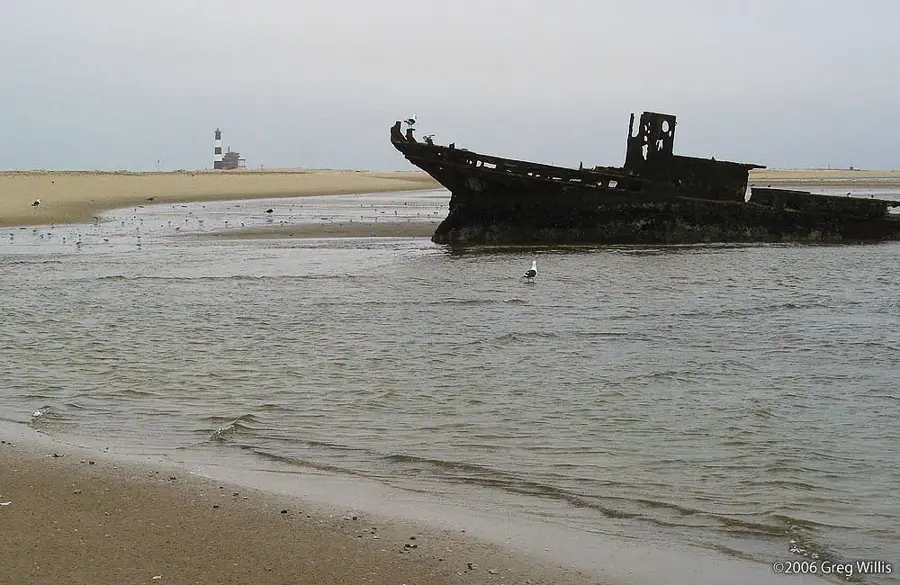
- The Skeleton Coast is famous for its numerous shipwrecks.
Explore nearby
Notable places around
Route planner — Car & Motorhome
Where do you start? We build the route here, with stops and country notes along the way.
© OpenStreetMap contributors · OpenRouteService
Sights nearby
Frequently asked questions
Is the Namib the oldest desert in the world?
Can you drive through the desert alone?
What is the most important travel essential?
Are there accommodations in the Namib?
When are the temperatures most pleasant?
Namib Desert: where is it located?
Namib Desert: when is the best time to visit?
Namib Desert: why is it worth visiting?
Nearby cities
History & landmarks
Nature
More places