Plizio Visual Lab
Old Sofala (Nova Sofala)

Weather…
Water temperature…
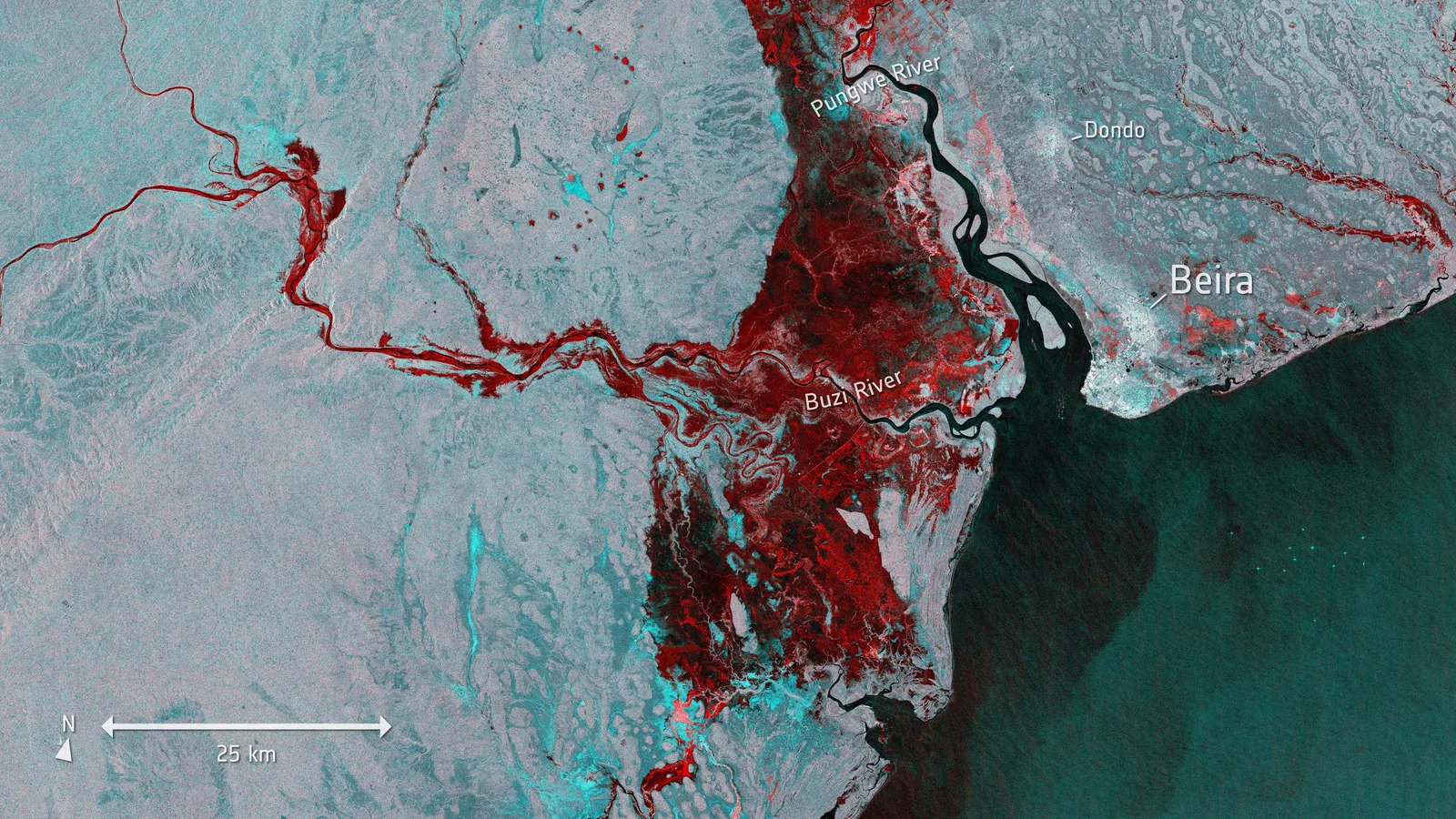
Old Sofala, today often referred to as Nova Sofala, was once the preeminent port on the East African coast and a central hub of the medieval gold trade. Located south of the modern city of Beira, it functioned as the primary export gateway for gold sourced from the legendary Monomotapa Empire in the interior. As early as the 10th century, Sofala was visited by Arab merchants and developed into a wealthy city-state under the suzerainty of the Kilwa Sultanate. In 1505, Portuguese explorers led by Pêro de Anaia landed here and constructed Fort São Caetano, the first permanent European fortress south of the Equator. However, Sofala's strategic importance declined in the 17th century as the Portuguese shifted their administrative focus northward to the Island of Mozambique. Today, much of the original settlement has been lost to coastal erosion and rising sea levels or buried under the silt of the Pungwe delta, making it a critical yet disappearing archaeological site.
Explore on the map
How well do you know Mozambique?
Find cities, landscapes and regions in 10 varied challenges on the interactive map.
Your journey, your memory
A postcard from Old Sofala (Nova Sofala)
Turn your own photo into a personal postcard with a local stamp. Free and no sign-up required.
Create a postcard- Location: Mozambique
- Highlights: Sofala · Fort São Caetano
Best time to visit & climate
The most pleasant time to visit is Jun–Aug.
| Jan | Feb | Mar | Apr | May | Jun | Jul | Aug | Sep | Oct | Nov | Dec | |
|---|---|---|---|---|---|---|---|---|---|---|---|---|
| Avg °C | 28 | 28 | 27 | 25 | 23 | 22 | 21 | 23 | 25 | 27 | 28 | 28 |
| Rain mm | 153 | 141 | 126 | 66 | 24 | 20 | 24 | 5 | 13 | 26 | 66 | 175 |
📋 Practical info
Geography
Facts
- Sofala was mentioned by Arab geographers as early as the 10th century.
- In 1505, the first Portuguese fort in East Africa was constructed here.
- The site was known as the maritime gateway for the gold of Great Zimbabwe.
- Fort São Caetano was built using stones brought all the way from Portugal.
- By the 14th century, Sofala was under the control of the Kilwa Sultanate.
- Coastal erosion has resulted in much of the old city being submerged today.
Explore nearby
Notable places around
Route planner — Car & Motorhome
Where do you start? We build the route here, with stops and country notes along the way.
© OpenStreetMap contributors · OpenRouteService
Sights in the town Old Sofala (Nova Sofala) (2)
Sights nearby
Frequently asked questions
Is there a lot to see?
Is the site protected?
How is the weather there?
Can one camp there?
What is the best time to visit?
Old Sofala (Nova Sofala): where is it located?
Old Sofala (Nova Sofala): what is there to see?
Old Sofala (Nova Sofala): when is the best time to visit?
Old Sofala (Nova Sofala): why is it worth visiting?
Nearby cities
History & landmarks
Nature
More places