Plizio Visual Lab
Moulouya Estuary
Weather…
Water temperature…
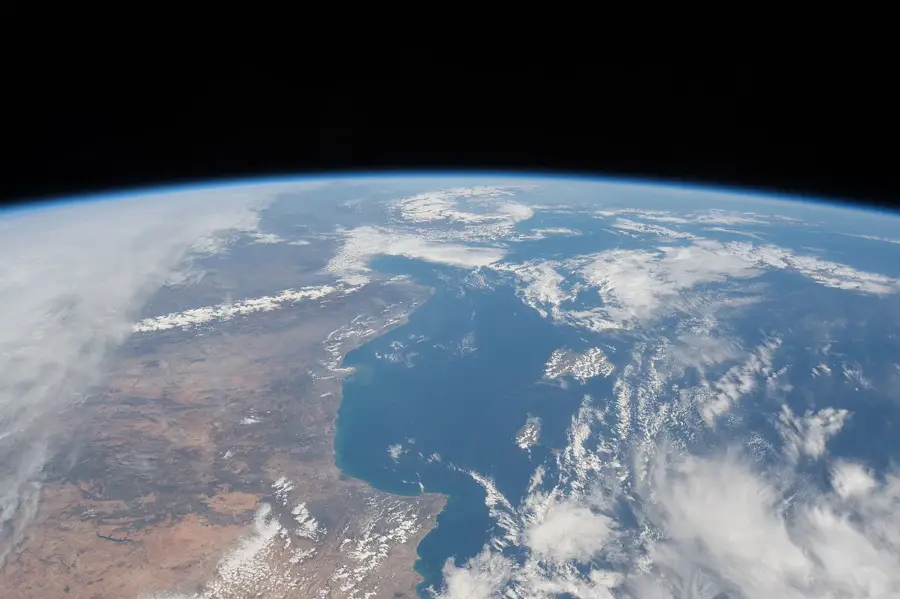
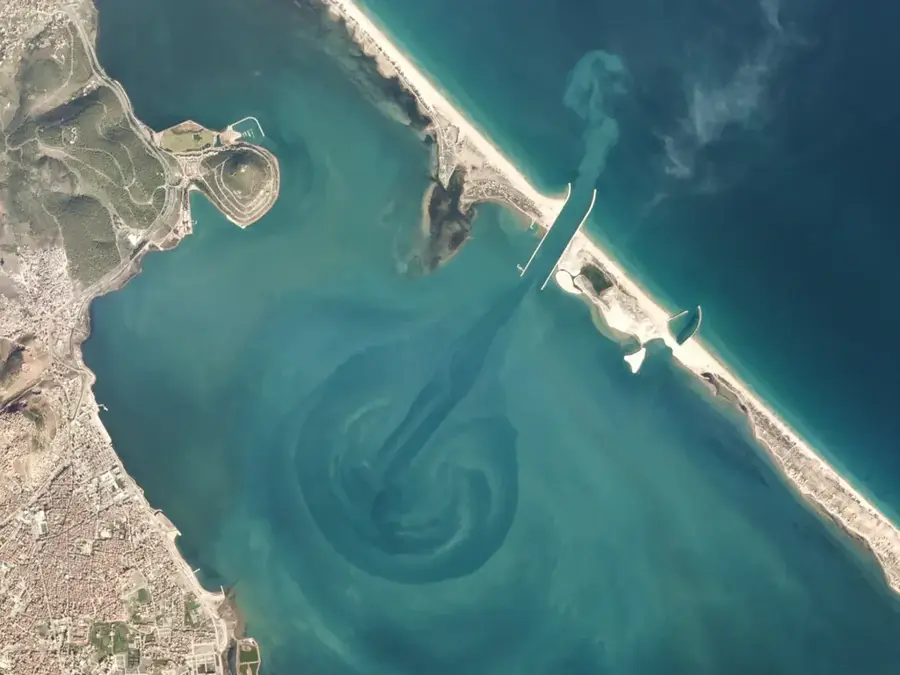
The Moulouya Estuary on Morocco's Mediterranean coast is one of the most significant wetlands in North Africa. The Moulouya River, stretching approximately 520 kilometers, is the longest Moroccan river flowing into the Mediterranean, originating at the junction of the Middle and High Atlas mountains. The estuary area has been protected as a Ramsar site since 2005 and covers about 3,000 hectares. It forms a complex mosaic of dunes, lagoons, and marshes that provide a resting or nesting ground for over 200 bird species. The area is of global importance, particularly for the conservation of the endangered Audouin's gull and numerous migratory birds. The Moulouya also serves as a major geographical boundary between the eastern and western regions of northern Morocco. Despite ecological challenges from agriculture and water diversion, the estuary remains a critical refuge for Mediterranean biodiversity.
Explore on the map
How well do you know Morocco?
Find cities, landscapes and regions in 10 varied challenges on the interactive map.
Your journey, your memory
A postcard from Moulouya Estuary
Turn your own photo into a personal postcard with a local stamp. Free and no sign-up required.
Create a postcard- Location: Morocco
- Nearby: Nador (31 km)
Best time to visit & climate
The most pleasant time to visit is May, Jun, Sep.
| Jan | Feb | Mar | Apr | May | Jun | Jul | Aug | Sep | Oct | Nov | Dec | |
|---|---|---|---|---|---|---|---|---|---|---|---|---|
| Avg °C | 11 | 12 | 14 | 16 | 19 | 23 | 27 | 27 | 24 | 20 | 15 | 12 |
| Rain mm | 49 | 39 | 54 | 52 | 34 | 8 | 6 | 17 | 33 | 62 | 68 | 43 |
📋 Practical info
Geography
Facts
- Morocco's longest river flowing into the Mediterranean (520 km).
- Designated as a Ramsar site of global importance in 2005.
- Encompasses approximately 3,000 hectares of protected wetlands.
- Home to more than 200 distinct species of permanent and migratory birds.
- Critical sanctuary for the endangered Audouin's gull.
- Acts as a major geographical boundary in northern Morocco.
Explore nearby
Notable places around
Route planner — Car & Motorhome
Where do you start? We build the route here, with stops and country notes along the way.
© OpenStreetMap contributors · OpenRouteService
Sights nearby
Frequently asked questions
Where does the Moulouya flow into?
Is the estuary area protected?
Can you go boating there?
Are there beaches nearby?
How do you reach the estuary?
Moulouya Estuary: where is it located?
Moulouya Estuary: when is the best time to visit?
Moulouya Estuary: why is it worth visiting?
Nearby cities
Nature
More places