Plizio Visual Lab
Tepic
ℹ️Practical info — Tepic
▾
🌤 Weather — 5 days
📍 Nearby
Sights nearby
💡 Tips
- Tepic has a much more pleasant climate than the coast, but afternoons can still get quite warm. Explore the center in the morning.
- Local buses (rutas) are cheap but often crowded; taxis are affordable but remember to agree on the fare beforehand.
- Notice the strong Huichol (Wixárika) cultural presence in the city. Always ask for permission before photographing indigenous artisans.
- Visit the regional museum to understand the deep history of Nayarit before venturing into the surrounding nature.
🍽 Food
Nayarit-style grilled fish, widely popular in local seafood restaurants.
A fermented corn drink with lime and salt, sold by street vendors in the main square.
Crispy fish cracklings found in casual local eateries.
🛍 Shopping · 🧘 Quiet spots
The local market for fresh produce, regional cheeses, and casual street food.
Look for brightly colored beadwork and yarn paintings in craft shops near the central plaza.
A large, leafy park great for a relaxed walk or a quiet afternoon under the trees.
The historical convent grounds offer a very peaceful atmosphere.
Water temperature…
Tepic, the capital of the state of Nayarit, is a low-key spot in western Mexico that gives a blend of ancient indigenous culture and colonial history. Founded in 1531 by Nuño de Guzmán, it is one of the oldest cities in the Pacific region of Mexico. It is set in a high-altitude valley at 915 meters, right at the foot of the Sangangüey volcano, providing it with a lush landscape and a mild subtropical climate. The city is the cultural heartland of the Huichol and Cora peoples, whose spiritual art, characterized by brilliant yarn paintings and beadwork, is a fundamental part of Tepic’s identity. The historic center is dominated by the Cathedral of the Immaculate Conception, featuring twin neo-Gothic towers, and the Government Palace, which houses impressive murals depicting local history. Tepic gained literary fame as the birthplace of the renowned poet Amado Nervo, and his family home is now a major cultural museum. Economically, Tepic is deeply tied to its fertile surroundings; the volcanic soil is convenient for large-scale production of tobacco, coffee, sugar cane, and mangoes. In recent years, the city has emerged as a key regional center for higher education and government services, anchored by the Autonomous University of Nayarit. Its strategic location makes it the gateway between the interior of Mexico and the world-class beaches of the Riviera Nayarit and the historic port of San Blas. Tepic has an authentic Mexican experience with its traditional plazas, lively markets, and a culinary scene famous for dishes like 'Pescado Zarandeado' (grilled fish) and local shrimp specialties. For travelers, Tepic provides a peaceful and culturally rich alternative to the coastal resorts, showcasing the enduring strength of Mexico’s native traditions alongside its colonial and modern growth.
Explore on the map
How well do you know Mexico?
Find cities, landscapes and regions in 10 varied challenges on the interactive map.
Your journey, your memory
A postcard from Tepic
Turn your own photo into a personal postcard with a local stamp. Free and no sign-up required.
Create a postcard- Location: Mexico
- Highlights: Banca de la Loma 2010 (2) · Zitacua · Casa Fenelón
- Nearby: San Blas (41 km)
- Population: ~332.863 (2026)
Best time to visit & climate
The most pleasant time to visit is Jan, Feb, Dec.
| Jan | Feb | Mar | Apr | May | Jun | Jul | Aug | Sep | Oct | Nov | Dec | |
|---|---|---|---|---|---|---|---|---|---|---|---|---|
| Avg °C | 21 | 22 | 23 | 25 | 27 | 27 | 26 | 26 | 26 | 25 | 23 | 21 |
| Rain mm | 13 | 23 | 9 | 0 | 6 | 130 | 304 | 339 | 297 | 101 | 24 | 19 |
Geography
Facts
- Tepic's name is derived from the Nahuatl word 'Tetl', meaning stone.
- The city is located at the base of the extinct Sangangüey volcano.
- It is the main hub for purchasing authentic Wixárika (Huichol) handicrafts.
- Tepic was an important stop for Franciscan missionaries heading north.
- The city's climate is characterized by a rainy season from June to October.
- Tepic is home to the former textile factory of Bellavista, now a museum.
- The nearby Mololoa River crosses the northern part of the city.
- Tepic serves as the political and administrative heart of the state of Nayarit.
Explore nearby
Notable places around
Route planner — Car & Motorhome
Where do you start? We build the route here, with stops and country notes along the way.
© OpenStreetMap contributors · OpenRouteService
Our day starts in the heart of Tepic, immersing ourselves in the local art scene at the Foro Cultural. Mid-morning, we walk to CECUPI to discover the fascinating indigenous roots and traditions of Nayarit state. Early afternoon is spent honoring history at the Constituyentes Monument, before delving into poetry at the Casa Museo Amado Nervo. We conclude our walking tour at the elegant Casa Fenelón, admiring its classic architecture.
Foro Cultural Ofelia Dominguez A.C.
Centro Estatal de Culturas Populares e Indigenas (CECUPI)
Monumento a los Constituyentes
Casa Museo Amado Nervo
Casa Fenelón
The morning in Tepic starts under gray skies, ideal for staying in cultural centers. At noon, the downtown museums provide perfect shelter from heavy tropical showers. In the afternoon, the colonial streets glisten in the rain; an umbrella is essential when moving between sites. In the evening, the fresh post-rain air fills the city as lights reflect in the puddles.
Foro Cultural Ofelia Dominguez A.C.
Centro Estatal de Culturas Populares e Indigenas (CECUPI)
Monumento a los Constituyentes
Casa Museo Amado Nervo
Casa Fenelón
Winter mornings in Tepic are refreshingly cool and clear. At noon, the mild sun pleasantly warms the historic squares, perfect for walking tours. In the afternoon, temperatures start to drop noticeably, so a light jacket is recommended for museum visits. Since the sun sets around 5:30 PM, the city is early to glow with cozy evening lights.
Foro Cultural Ofelia Dominguez A.C.
Centro Estatal de Culturas Populares e Indigenas (CECUPI)
Monumento a los Constituyentes
Casa Museo Amado Nervo
Casa Fenelón
We kick off our morning in the center exploring indigenous heritage at CECUPI, followed by the Constituyentes Monument. Midday brings us to the elegant Casa Fenelón before we hit the pedals hard. The afternoon features a challenging but rewarding climb to the Zitacua natural viewpoint. As evening approaches, we cruise southward past the Angel of Independence, finishing with a relaxing rest at the iconic bench in La Loma park.
Centro Estatal de Culturas Populares e Indigenas (CECUPI)
Monumento a los Constituyentes
Casa Fenelón
Zitacua
Ángel de la Independencia
Banca de la Loma de 2010
A rainy bike tour in Tepic requires caution on the slippery roads. In the morning, traffic is light, ideal for riding to CECUPI. At noon, museums serve as dry rest stops during the showers. In the afternoon, the climb to Zitacua hill can be challenging, but the misty mountain views are rewarding. In the evening, an early finish is recommended.
Centro Estatal de Culturas Populares e Indigenas (CECUPI)
Monumento a los Constituyentes
Casa Fenelón
Zitacua
Ángel de la Independencia
Banca de la Loma de 2010
Tepic's winter climate is perfect for cyclists as it's dry and not too hot. In the morning, the air is clear and cool, ideal for starting downtown. At noon, the mild sun invites breaks at monuments. In the afternoon, riding to Zitacua is very pleasant due to lower humidity. Mind the early sunset around 5:30 PM for your return ride.
Centro Estatal de Culturas Populares e Indigenas (CECUPI)
Monumento a los Constituyentes
Casa Fenelón
Zitacua
Ángel de la Independencia
Banca de la Loma de 2010
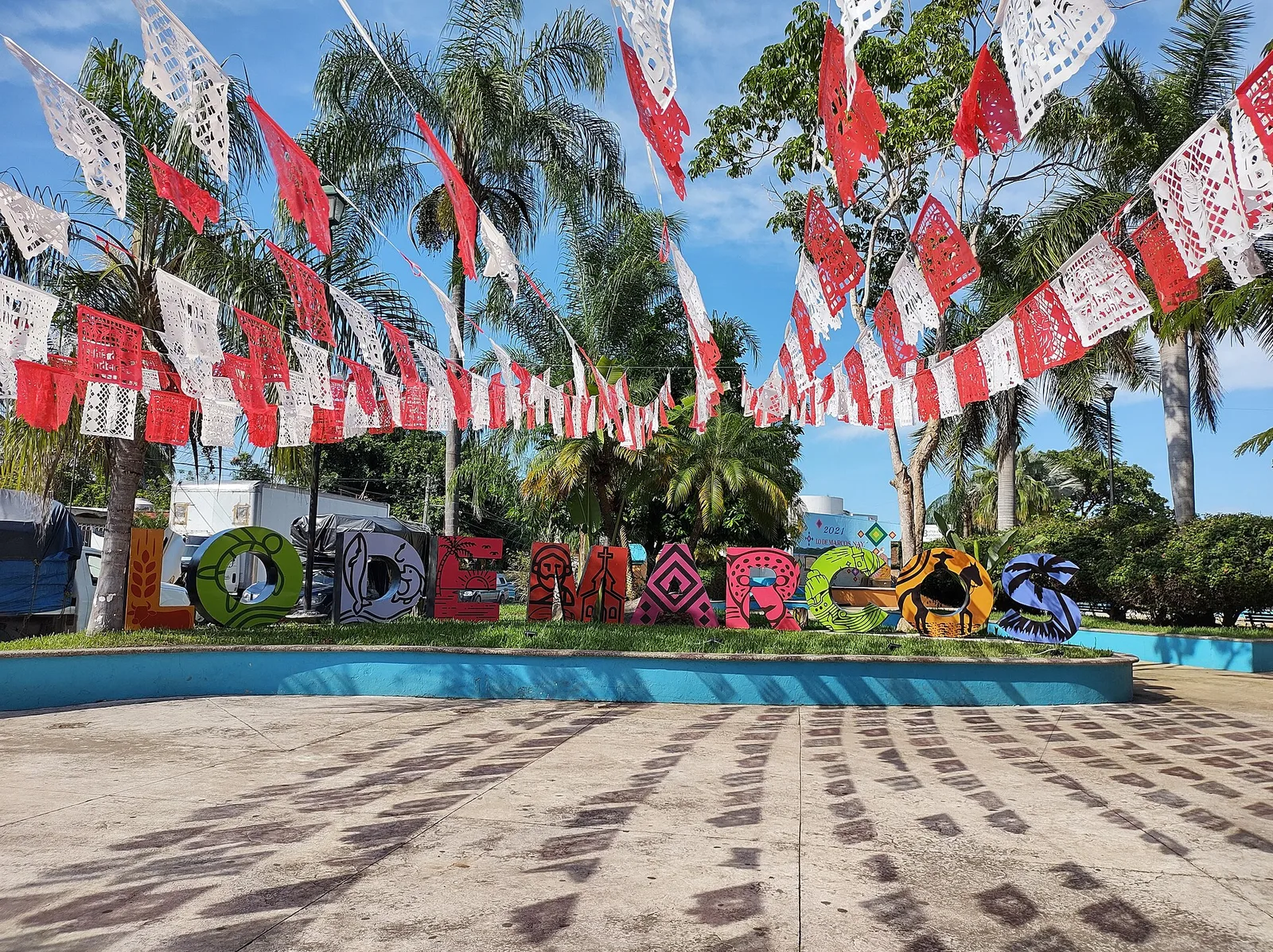
Our drive begins in the north of Tepic with the fascinating industrial history of the Ex-Fábrica Textil de Bellavista and nearby La Cuadra. At midday, we navigate into the city's heart to honor the literary legacy at Casa Museo Amado Nervo. The afternoon takes us driving uphill to the Zitacua natural area for spectacular city views. We finally cruise south to the Nervo Monument and conclude our road trip snapping a colorful souvenir photo at the Maxiletras.
Ex-Fabrica Textil de Bellavista
La Cuadra
Casa Museo Amado Nervo
Zitacua
Amado Nervo
Maxiletras Tepic
By car, Tepic is comfortable to explore even in the rain. In the morning, the drive to the Bellavista factory passes through lush, wet landscapes. At noon, the car provides shelter from the heaviest showers while moving between downtown museums. In the afternoon, the view from Zitacua hill may be misty but remains atmospheric. In the evening, drive carefully on wet roads.
Ex-Fabrica Textil de Bellavista
La Cuadra
Casa Museo Amado Nervo
Zitacua
Amado Nervo
Maxiletras Tepic
The winter months in Tepic are ideal for car travel as the weather is stable and dry. In the morning, enjoy the clear, cool air on the way to Bellavista. At noon, it's pleasantly warm, perfect for downtown stops. In the afternoon, temperatures drop, but the car remains comfortable. Plan your further stops before the early sunset at 5:30 PM.
Ex-Fabrica Textil de Bellavista
La Cuadra
Casa Museo Amado Nervo
Zitacua
Amado Nervo
Maxiletras Tepic
Sights in the town Tepic (16)
Foro Cultural Ofelia Dominguez A.C.🎭 culture
A cultural forum named after Ofelia Dominguez, hosting theater and art exhibitions in Tepic.
Frequently asked questions
How many days should I spend in Tepic?
When is the best time to visit Tepic?
What is the best way to get to Tepic?
What local dish should I try in Tepic?
Is Tepic a family-friendly destination?
Tepic: where is it located?
Tepic: what is there to see?
Tepic: when is the best time to visit?
Tepic: why is it worth visiting?

Nearby cities